Article
Search results:
-
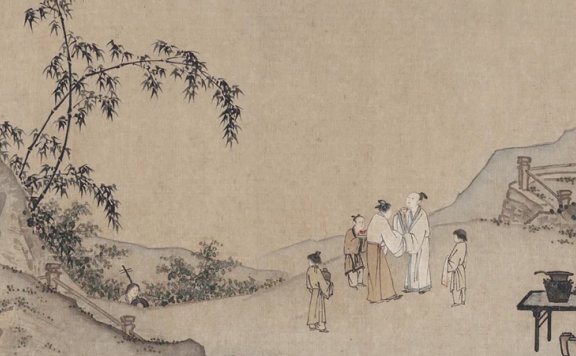
How Did Ancient Chinese Truly Live Their Autumn Days?
While modern life rushes forward, there exists a timeless wisdom in how ancient Chinese harmonized with autumn's rhythm. Beyond pumpkin-spiced lattees and cozy scarves lies a profound seasonal philosophy where crisp air and falling leaves were not merely weather changes but invitations to deepen one's connection with nature and self. This was not passive observation but active participation in the Earth's cyclical dance. Through deliberate practices, they transformed the melancholic reputation of autumn into a period of rich experience and poetic reflection. Their traditions offer surprising insights for contemporary lives often disconnected from natural cycles, reminding us that each season holds unique opportunities for mindfulness and joy. Mountain Ascent When autumn's clear skies arrived, people throughout Chinese history would begin their pilgrimage upward. The Chongyang Festival (重阳节), occurring on the ninth day of the ninth lunar month, formally established this tradition. Ancient texts documented this practice as early as the Han dynasty, believing mountain climbing during this period could help balance the body's energies while warding off misfortune. The physical exertion of ascending mirrored nature's own withdrawal of vitality, creating symbolic harmony between human activity and seasonal change. For scholars and poets, the climb offered evolving visual poetry. Starting amidst… -
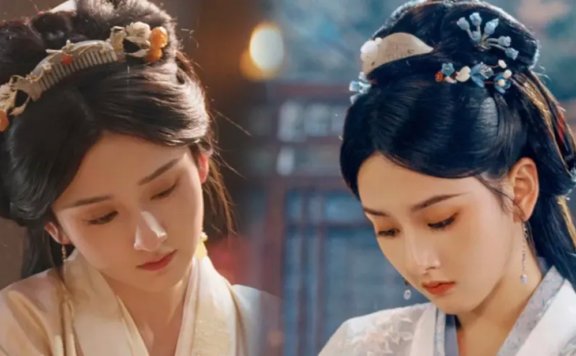
Why Did Ancient Chinese Women Wear Combs in The Prisoner of Beauty?
In the historical drama The Prisoner of Beauty (折腰), actress Song Zuer (宋祖儿) portrays a character whose hairstyle features an elegant hair comb, sparking curiosity about ancient customs. This accessory is not merely decorative; it represents a practice with roots stretching back over five millennia. Throughout Chinese history, combs transitioned from simple tools to sophisticated ornaments, reflecting changes in society, fashion, and personal expression. The sight of a comb nestled in a hair bun invites questions about how daily objects became symbols of beauty and status, weaving functionality with artistry in ways that still captivate today. Early Origins The journey of hair combs began in the Neolithic period, as early societies sought ways to manage hair for practical reasons. Initially, people may have used their fingers or rudimentary implements, but over time, dedicated combs emerged. Archaeologists have uncovered combs made from bone, wood, and stone at ancient sites, indicating their widespread use. These early versions were likely designed to prevent hair from obstructing tasks like hunting or farming, but they soon took on greater significance as personal grooming evolved. By the Warring States period, combs started serving decorative purposes alongside their practical functions. Excavations from this era reveal combs with… -
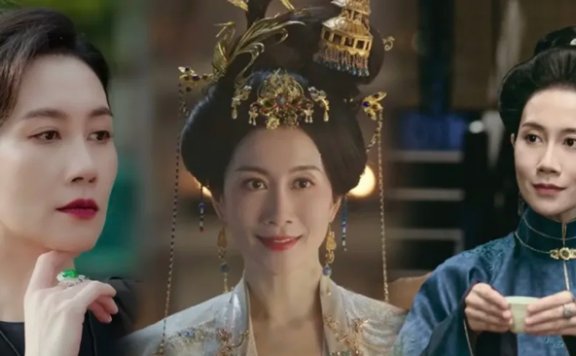
Wen Zhengrong: Historical Attire and Jewelry Shape Drama Style
Why does this actress radiate such noble elegance? In the television drama Love's Freedom (许我耀眼), the character of Sister Lan (岚姐), portrayed by actress Wen Zhengrong (温峥嵘), has captivated audiences with her poised and aristocratic demeanor. Her roles often depict matriarchs from influential families, leading many to wonder about the origins of this refined aura. The answer lies not just in stellar acting, but in the meticulous recreation of historical attire and adornments, where every accessory tells a story of status, culture, and artistry. Jade's Timeless Allure In Love's Freedom, Sister Lan's wardrobe is defined by minimalist, solid-color outfits that allow her jewelry to command attention. A prominent feature is her magnificent Feicui (翡翠) jade pendant. In ancient China, jade was far more than decoration; it was a definitive marker of a woman's family background and social standing. The quality of a piece was judged rigorously on its color saturation, translucency, and the absence of flaws. Wearing high-quality jade was a silent, powerful statement of nobility and refined taste. The history of the term "Feicui" is fascinating. Its earliest mentions, such as in the Han Dynasty text Huainanzi (淮南子), refer not to the green stone we know today, but to… -
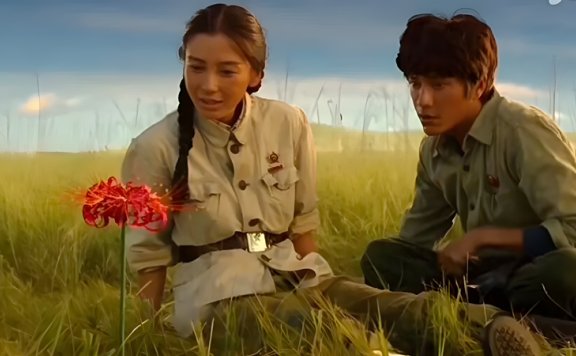
Uncovering the True Chinese History of Shisuan
Is This Flower Really a Symbol of Death? The Surprising Chinese History Behind the "Corpse Flower". Walk through any autumn garden in East Asia, and you might spot a striking crimson flower with delicate, curling petals. Many today call it the Lycoris radiata and know it as a notorious symbol of death and misfortune, a concept popularized by Japanese ghost stories. But this plant has deep roots in Chinese soil and a history filled with praise, not peril. It is time to dig up the true story of this misunderstood bloom and separate Chinese botanical heritage from foreign folklore. A Flower of Many Names In China, this plant is not known by a single, ominous title. It has been called Shisuan (石蒜), or Stone Garlic, for its bulb that resembles garlic and its tendency to grow in rocky, damp soil. Its formal, soaring petals inspired the name Longzhaohua (龙爪花), or Dragon Claw Flower. Poets of the Tang and Song dynasties saw its vibrant color as a beacon in the twilight, dubbing it Jindeng Hua (金灯花), the Golden Lamp Flower. They wrote verses comparing its glow to a perpetual flame that lit up the evening without smoke or ash. Beyond its… -
Exploring Sacrifice and Forgiveness in Love in the Clouds
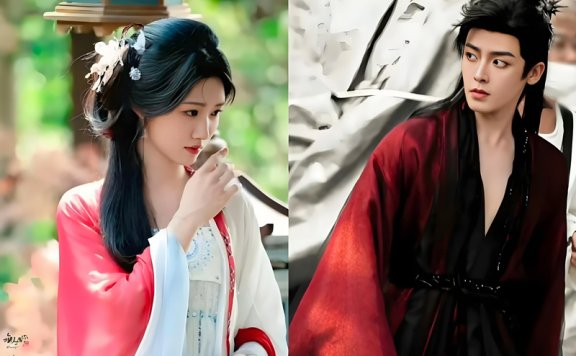
In the captivating series Love in the Clouds (入青云), audiences are thrust into a world where mystical forces and human emotions intertwine, creating a narrative that questions the very essence of trust and sacrifice. Set against the backdrop of Polar Star Abyss, this Xianxia drama follows the intertwined destinies of its protagonists, Ji Bozai (纪伯宰) and Ming Yi (明意), as they navigate a landscape filled with ancient magic and personal turmoil. Their journey is not just about battling supernatural threats but also about confronting the inner demons that arise when love is tested by deception. As the plot unfolds, viewers are left to ponder whether true connection can survive when foundations are built on hidden motives, making every moment a poignant exploration of loyalty and heartbreak. Love's Betrayal The relationship between Ji Bozai and Ming Yi serves as the emotional core of the story, initially blossoming through shared trials and genuine affection. During a critical battle, they activate the Heart-Link Formation, a powerful spell that seals away rampaging beasts, symbolizing their unity and deepening bond. This moment of triumph, however, is short-lived, as Ming Yi's hidden agenda begins to surface. Her desperation to obtain the Huangliang Meng (黄粱梦)—a legendary elixir—drives her… -
DIY Round Fans of Intangible Cultural Heritage
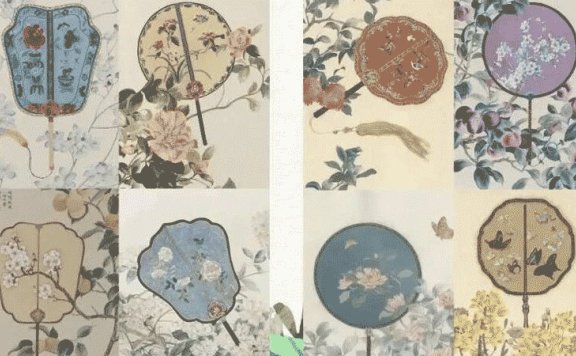
On a tranquil afternoon, a gentle hand cradles a Round Fan, its circular form mirroring the moon's embrace. This artifact, once a companion to nobility, carries whispers of harmony and connection, woven into the fabric of daily life. In ancient courts, it adorned figures whose gestures spoke volumes. A tilt or a sway could paint emotions across a room, transforming ordinary moments into living art. Its simplicity belied a depth that captivated all who beheld it. Over time, creators infused its surface with ink and color, sketching scenes that danced with life. Each stroke invited others to share in a breeze-filled narrative, blending poetry with visual charm. This evolution marked its journey from utility to inspiration. By 2006, its role in preserving craft was honored, securing a place among cherished traditions that continue to resonate today. 1. The Round Fan's Millennial Passage The Round Fan, a quintessential element of Chinese heritage, has woven its way through over three thousand years of history, embodying both utility and artistry. Initially conceived for practical purposes, it gradually transformed into a cultural icon, reflecting societal norms and aesthetic values across dynasties. Its journey from a simple shade to a decorated accessory illustrates the dynamic… -
How Chen Zheyuan Lost His Next Big Thing Status Amid Stalled Projects
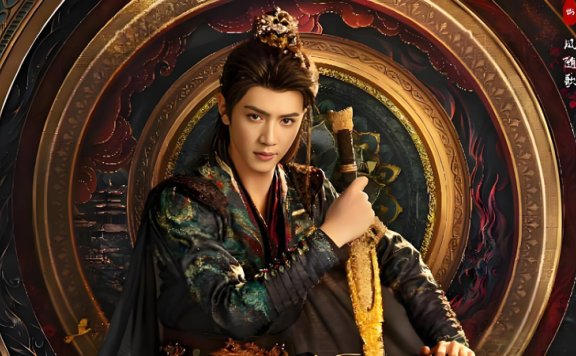
Chen Zheyuan (陈哲远) faces a pivotal moment in his acting journey. His second series this year, Fated Hearts (一笑随歌), has drawn muted responses, echoing the letdown from his earlier big-budget modern romance The White Olive Tree (白色橄榄树). As the story unfolds, engagement metrics for his current project remain stagnant. Platform buzz hovers below key thresholds, and promotional backing has dwindled, leaving the show to fend for itself. This pattern fuels growing critiques that he struggles to elevate adapted works, with some dubbing him an "IP crusher" and questioning his appeal. Once viewed as a talent on the cusp of a major breakthrough, that anticipated surge now feels distant. Instead of catapulting him to new heights, this phase highlights persistent barriers. The narrative around him is shifting from one of promise to one of plateaued potential. When Talent Meets Typcasting in TV In the crowded landscape of television dramas, some productions manage to capture attention without ever becoming standout hits. The series Fated Hearts finds itself in this ambiguous space, where viewer discussions often focus more on the actors' perceived weaknesses than the story itself. This phenomenon highlights how modern audiences dissect every aspect of a show, from narrative execution to… -
10 Must-Know Traditional Handicrafts from China
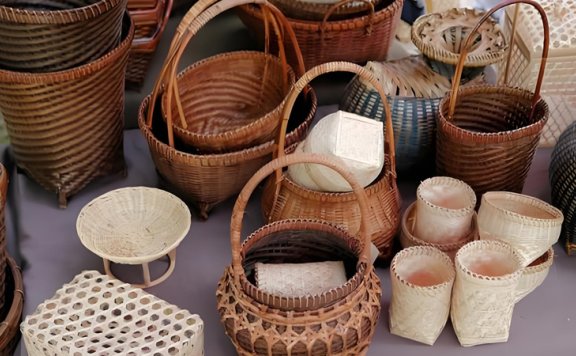
In the heart of China, artisans transform everyday materials into functional art through time-honored methods. These practices, like Pottery, involve molding earth into forms that serve daily needs while carrying ancestral wisdom. Each item bears the maker's unique imprint, connecting users to a lineage of skill and dedication. Similarly, Silk weaving demonstrates a delicate balance between human care and natural processes. Craftspeople guide silkworms to produce threads that become luxurious textiles, embodying patience and respect for resources. Those who engage in these trades sustain more than objects; they uphold values of mindfulness and community identity. Today, these methods adapt without losing their essence. Artisans infuse traditional approaches with modern sensibilities, ensuring their work remains integral to cultural expression. Handling a piece of Cloisonné or viewing detailed Paper-cutting reveals how hands-on creation fosters a deeper appreciation for heritage in everyday life. Bamboo Weaving The journey of Bamboo Weaving begins with a single stalk. Artisans split the bamboo into slender, pliable strips called mis, a process requiring a sharp eye and a steady hand. This transformation from a rigid pole to a flexible fiber is the first miracle. The strength and abundance of bamboo made it an ideal material for everyday life,… -
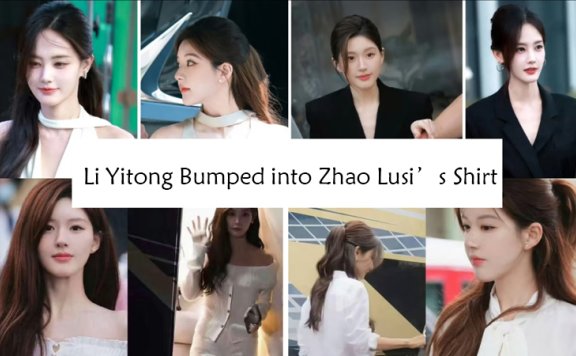
The Prevalence and Causes of Costume Similarities in Cdramas
When a popular period drama recently faced accusations of costume duplication, it sparked a wider conversation about originality in television. In Meiren Yu (美人余), the visual echo of character outfits did not go unnoticed by audiences. This situation mirrors a persistent pattern across many historical series, where designers frequently recycle styles. An actor might wear nearly identical attire in different projects, blurring the lines between their roles. The rapid expansion of short-form content has intensified this, with compact productions often lifting aesthetic elements directly from their lengthier counterparts. At the heart of these repetitions lies a creative stagnation, a safe retreat into familiar visuals that risks boring viewers. This reliance on similar designs points to a deeper industry habit. Rather than cultivating unique visions, some productions opt for proven, marketable looks. She might play a warrior in one story and a noble in another, yet her wardrobe feels strangely consistent. This aesthetic convergence suggests a lack of inventive risk, where financial pressures override artistic ambition. Furthermore, legal frameworks for protecting costume copyright remain underdeveloped, making it easy for one show to mimic another's sartorial choices without significant repercussion. The outcome is a visual landscape that feels repetitive, denying audiences the… -
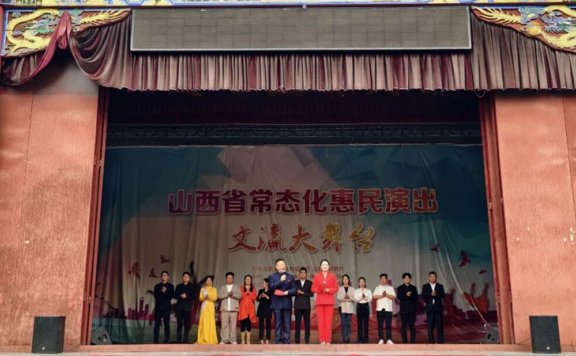
How Did Shanxi's 2025 Park Performances Transform Everyday Life?
As the final notes faded into the twilight of Taiyuan's parks on October 12, 2025, the curtain fell on a remarkable cultural initiative. From May's first blooms to October's crisp air, Shanxi Provincial Theatre (山西省话剧院) delivered twenty-two open-air performances, turning public spaces into vibrant hubs of community connection. This series, part of a broader effort to make art accessible, allowed residents to encounter theater in their daily routines, blending storytelling with the changing seasons. The program's conclusion marked not an end, but a celebration of how performance can weave itself into the fabric of city life, offering respite and joy to all who gathered on lawns and under skies. Cultural Roots This initiative stemmed from a commitment to place people at the heart of cultural policy. By bringing stagecraft directly into neighborhoods, the project allowed artistry to flourish outside formal venues. It demonstrated that theater is not a distant luxury but a living dialogue, with each show adapted to the rhythms and needs of local audiences. The choice of parks as stages was intentional, creating informal settings where art could feel immediate and personal. Families, couples, and seniors found common ground on the grass, sharing experiences that transcended age and… -
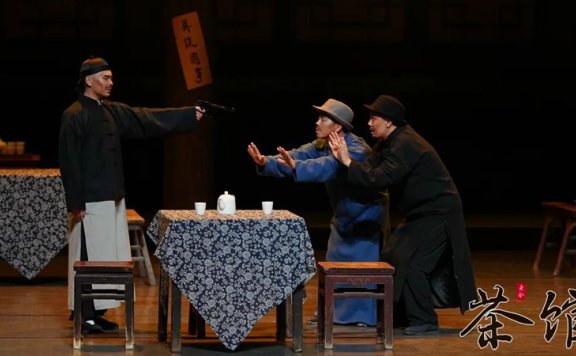
Unpacking the Enduring Power of Teahouse by Lao She
Why does a play about a fading teahouse still resonate deeply with modern audiences? Teahouse (茶馆), written by Lao She (老舍) in 1957, remains a cornerstone of Chinese theater, captivating viewers nearly seventy years later. Set entirely within the walls of Yutai Teahouse (裕泰茶馆), this masterpiece uses a single location to reflect the immense social and political upheavals in China across five decades. Instead of focusing on grand historical figures, it turns its lens on the ordinary people—the patrons, the owners, the hustlers—whose lives are buffeted by forces beyond their control. The teahouse becomes a microcosm of the nation, a stage where personal dreams and despairs intertwine with the fate of a country in flux. Its enduring power lies not in political commentary, but in its raw, compassionate portrayal of humanity struggling to find dignity and a means of survival amidst chaos. Performance Time: Saturday, November 15th, 2025 at 19:30 Venue: Zunyi Grand Theater Opera Hall A Triptych of Time The structure of Teahouse is a bold narrative feat, compressing fifty turbulent years into three distinct acts. Each act revisits the same setting, allowing the audience to witness the physical and social decay of the establishment and its patrons. The… -

The Xiangnang: An Ancient Whisper for the Modern World
What if your accessories could tell a story a thousand years old? In an age of mass production, a small, fragrant pouch offers a different kind of luxury. This is not just a scent carrier; it is a wearable piece of history, a whisper from ancient China. The Xiangnang (香囊), or scented sachet, holds within its delicate stitches the essence of a cultural legacy. Far more than a simple ornament, it is a complex artifact where botany, craft, and deep-seated human emotion converge. From royal courts to rustic villages, it has served as a personal air of poetry, a protective charm, and a silent messenger of the heart. The Craft Creating a Xiangnang is a meditation in itself. The process begins not with thread or cloth, but with scent. An artisan selects herbs like mugwort, cloves, or borneol, each chosen for its aromatic and symbolic properties. The goal is to design a fragrance profile that is either invigorating, calming, or protective. This initial step is deeply personal, akin to composing a unique olfactory signature for the future wearer. The true test of patience follows: grinding. The dried botanicals are placed into a stone mortar. The rhythmic, circular crushing is not… -
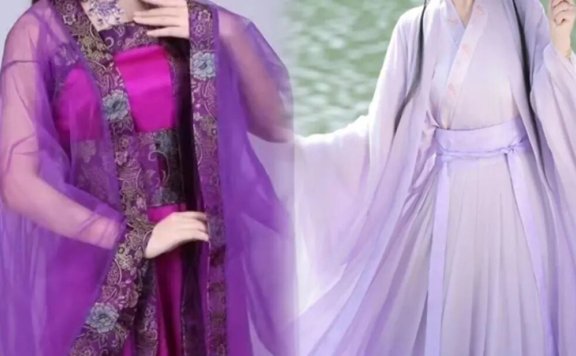
The Game-Changer Behind China's Hit Historical Short Dramas
Could the secret to a hit historical series be hanging in a ready-to-wear shop? A noticeable shift is occurring behind the scenes of China's booming short drama industry. Instead of commissioning custom-made costumes, an increasing number of production crews are turning to off-the-rack Hanfu. This move is not just about cutting costs; it is a conscious choice that is reshaping visual storytelling, winning audience approval, and opening a new front in the promotion of traditional culture. The clothes characters wear are becoming a direct link to a authentic past. Costume Clash What is the real difference between a ready-made Hanfu and a custom drama costume? The former is a garment produced for public sale, designed according to historical patterns and tailoring techniques. Its primary advantage is authenticity. Many of these garments are replicas based on archaeological finds, like textiles from the Bijiatan (毕家滩) tomb or wooden figurines from Astana (阿斯塔纳). They offer a tangible connection to a specific era. Using these accurate garments elevates a production's quality. For a series set in a defined dynasty, correct clothing shapes pull the audience deeper into the world. A character dressed in a cross-collared top under a square-collared coat with a Mamianqun (马面裙)… -
How Hairpin Flowers Bridge China’s Past and Present
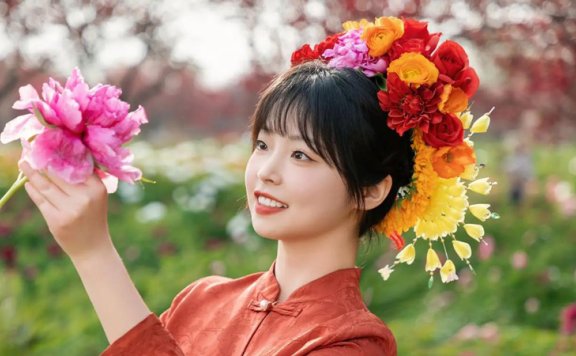
In the bustling streets of modern China, a quiet revolution blooms atop the heads of women who choose to adorn their hair with intricate floral arrangements. This is not merely a fashion statement but a profound connection to an ancient practice known as hairpin flowers, a craft that has woven its way through millennia. Imagine waking up to the sight of vibrant blossoms—crimson camellias, sunny daisies, and delicate hydrangeas—nestled in dark tresses, transforming everyday moments into a celebration of nature and resilience. For many, these flowers are more than decorations; they are emblems of inner strength and a poetic approach to life. In an era where women are increasingly asserting their identities, hairpin flowers serve as a bold declaration of self-love and cultural pride. They remind us that beauty can be both fleeting and eternal, capturing the essence of hope in each handcrafted petal. This tradition, rooted in deep history, continues to inspire those who seek to blend artistry with personal expression, making every day a canvas for creativity and empowerment. The Artisan's Touch Creating hairpin flowers is a meticulous process that demands patience and skill, passed down through generations of artisans. In regions like Quanzhou (泉州), particularly among the… -
Exploring the Dynamic World of Tibet's Ancient Rebadance
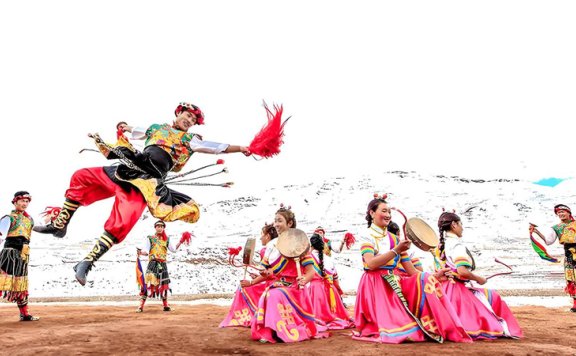
What secrets lie within the rhythmic beats of Tibet's ancient Rebadance (热巴舞)? This dynamic performance, recognized as a national intangible cultural heritage, is far more than a series of steps. It is a living narrative, a spiritual dialogue, and a vibrant expression of identity for Tibetan communities across the Plateau. With its powerful drumming and acrobatic movements, Rebadance connects the past to the present, telling stories of faith, nature, and human endurance. Its very name, translating to "tassel" or "fringe," hints at the intricate layers of meaning woven into every gesture and costume. This dance does not simply entertain; it invites audiences into a world where every jump and turn carries the weight of centuries. Roots and Rhythm The story of Rebadance begins in the mists of time, with many tracing its origins to the 11th century and the influential Buddhist master, Milarepa (米拉日巴). He and his disciples are credited with shaping the art form, blending physical discipline with spiritual intent. However, deeper echoes resonate from an even older tradition. The central instrument, the drum, was originally a ritual object in the indigenous Bon (苯教) religion, used in ceremonies to summon deities. This highlights a fascinating transformation, where the dance… -

Cao Yu's Thunderstorm Hits Zunyi on Oct 20th
What dark family secrets will a single stormy night reveal in 1925 China? Thunderstorm (雷雨), the monumental work by Cao Yu (曹禺), often called China's Shakespeare, arrives in Zunyi (遵义) through the enduring efforts of the Guizhou Provincial Theater Troupe. This performance is not merely a revival but a fresh interpretation of a story that has captivated audiences for nearly a century. Set against a backdrop of social transition, the play dissects the intricate and often painful relationships within a wealthy, feudalistic family. The narrative builds with a slow, inexorable tension, much like the gathering clouds before a storm, leading to a climactic night where hidden truths and long-buried resentments violently surface. This staging promises to connect modern viewers with the raw emotional power and timeless questions about fate, desire, and societal constraints that Cao Yu so masterfully embedded into his script. Performance Time: October 20h, 2025 at 19:30 Venue: Guizhou Provincial Theater Troupe Family Secrets The central tragedy of Thunderstorm unfolds within the oppressive walls of the Zhou family residence. The patriarch, Zhou Puyuan (周朴园), maintains a facade of respectability, but his past actions haunt the household. His current wife, Fanyi (繁漪), trapped in a loveless marriage, grapples with… -
Can a 17th-Century Official's Integrity Still Captivate Modern Audiences?
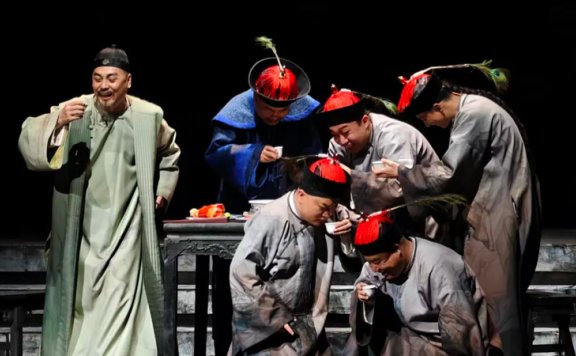
The curtain fell to thunderous applause in Nanning on October 14th, marking a powerful start to the national tour of Yu Chenglong (于成龙). This large-scale theatrical production, centered on themes of integrity, transported over a thousand spectators into a 360-year-old conversation about moral courage. Among them was Wei Tao (韦韬), Chairman of the Guangxi Zhuang Autonomous Region, whose presence underscored the performance's significance beyond mere entertainment. The play about the Qing Dynasty official often hailed as a pinnacle of bureaucratic virtue, did not simply recount history. It breathed life into it, creating a shared emotional experience that resonated deeply within the modern auditorium. For two hours, the audience was held in rapt attention. The narrative's tension was palpable, broken only by collective gasps and bursts of applause at moments where justice prevailed. This immediate and visceral reaction suggested the story's core message was not lost in the centuries separating the subject from his viewers. Instead, it highlighted a timeless hunger for principled leadership and ethical fortitude. The success in Nanning established more than a successful opening night; it proved the enduring relevance of a man who held fast to his convictions against formidable odds. The Performance As the stage lights… -
Can Shen Shaoguang Save Her Family's Restaurant?
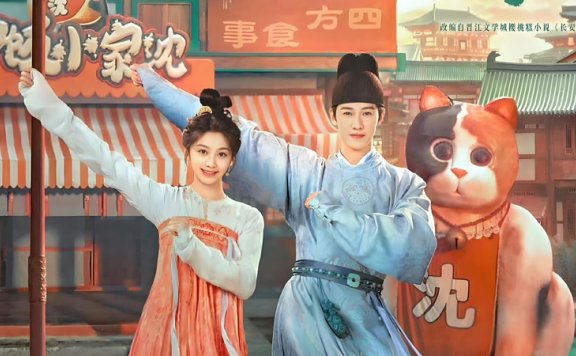
In the bustling streets of Yong'an (永安), where tradition and ambition collide, the Shen family's culinary dreams face their greatest test. The period drama Yummy Yummy Yummy (宴遇永安) unfolds a tapestry of suspense and romance, centering on Lin Yan (林宴), a dedicated official, and Shen Shaoguang (沈韶光), the spirited daughter of a restaurant owner. Their lives intertwine as a poisoning scandal threatens to destroy everything the Shens have built. Amidst the chaos of rival businesses and hidden agendas, personal bonds are forged and tested. This story captures the essence of family loyalty and the unpredictable twists of love, all set against the backdrop of a city where every meal can hide a secret and every heart has its vulnerabilities. Poisoned Plates The Shen Family Restaurant had just earned the prestigious title of "Top Chef in Juxian (聚贤)", a moment of pride for Shen Jianshe (沈建设). He celebrated by gifting a ring to his wife, Li Fengxia, dreaming of a prosperous future. However, her skepticism grew as she saw his overconfidence blinding him to real dangers. Their argument was cut short when customers began collapsing, foaming at the mouth. Shen Shaoguang sprang into action, coordinating with her brother Shen Shaoguang to… -
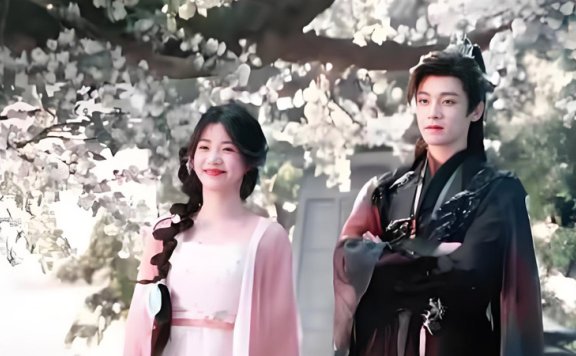
The Visual Splendor and Compelling Acting of Love in the Clouds
In a landscape saturated with predictable costume dramas, a new series has erupted onto the scene, capturing the imagination of audiences and critics alike. Love in the Clouds (入青云) premiered with a quiet confidence that belied its explosive impact, achieving staggering viewership numbers and sparking a fervent online discussion within just three episodes. This isn't just another Xianxia tale; it feels like a reinvention of the genre itself. Where other recent productions have stumbled with convoluted plots or relied solely on star power, this drama delivers a compelling narrative supported by robust world-building and nuanced character dynamics. Its arrival has been hailed as a breath of fresh air, signaling a potential shift in what audiences can expect from high-concept fantasy television. The immediate and passionate response suggests that viewers were not just waiting for a new show, but for a show that would respect their intelligence and reward their attention. A New Narrative The world of Love in the Clouds is built upon a foundation far sturdier than the typical celestial romance. The story is set within the Six Void Realms (六虚合境), a universe divided by a stark socioeconomic hierarchy. Central to the plot is the prestigious Qingyun Assembly (青云大会),… -
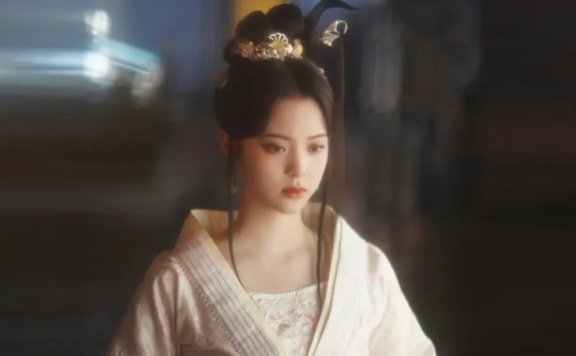
Was Ouyang Nana's Hairstyle in Yong'an Dream a Historical Mistake?
A recent scene from the historical drama Yong'an Dream (永安梦) featuring actress Ouyang Nana has sparked lively online debate. Viewers questioned the stylist's choices, pointing to a few seemingly loose strands of hair framing her face. The hairstyle, with its characteristic trailing locks, struck many as too informal for a period production. However, this particular look is far from a wardrobe malfunction; it is a deliberate and historically accurate recreation of a classic Chinese hairstyle from the Northern and Southern Dynasties era. The Historical Hair The specific style is known as the Chuishao Ji (垂髾髻). Evidence of this elegant updo can be found in classical Chinese art, such as the Admonitions of the Instructress to Court Ladies Painting (女史箴图). It involved piling hair into a high bun, often augmented with supplementary pieces to achieve greater volume, a common practice among noblewomen. The defining feature was the deliberate placement of two neat strands of hair along the temples, a detail referred to as Fenshao (分髾). This fashion is believed to have originated earlier, potentially during the Warring States period, and gained prominence from the Eastern Han through the Wei and Jin dynasties. An excavated jade sculpture of a dancer from a…
