
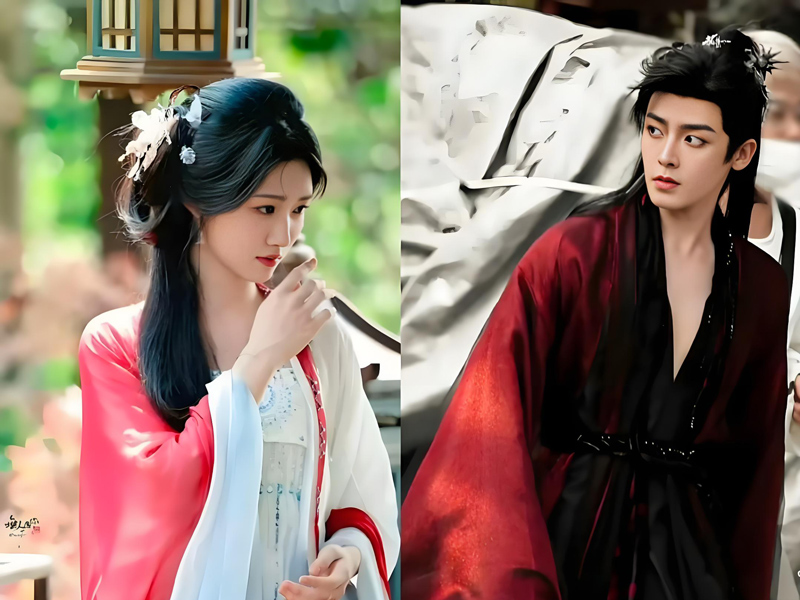
In the captivating series Love in the Clouds (入青云), audiences are thrust into a world where mystical forces and human emotions intertwine, creating a narrative that questions the very essence of trust and sacrifice. Set against the backdrop of Polar Star Abyss, this Xianxia drama follows the intertwined destinies of its protagonists, Ji Bozai (纪伯宰) and Ming Yi (明意), as they navigate a landscape filled with ancient magic and personal turmoil. Their journey is not just about battling supernatural threats but also about confronting the inner demons that arise when love is tested by deception. As the plot unfolds, viewers are left to ponder whether true connection can survive when foundations are built on hidden motives, making every moment a poignant exploration of loyalty and heartbreak.
Love's Betrayal
The relationship between Ji Bozai and Ming Yi serves as the emotional core of the story, initially blossoming through shared trials and genuine affection. During a critical battle, they activate the Heart-Link Formation, a powerful spell that seals away rampaging beasts, symbolizing their unity and deepening bond. This moment of triumph, however, is short-lived, as Ming Yi's hidden agenda begins to surface. Her desperation to obtain the Huangliang Meng (黄粱梦)—a legendary elixir—drives her to betray Ji Bozai's trust, leading to a heartbreaking confrontation where he discovers her theft and questions every moment they shared.
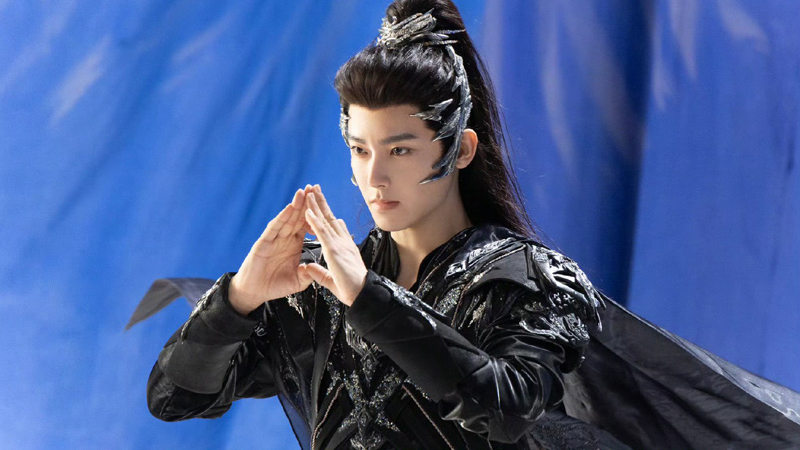
Ji Bozai's world shatters when he realizes that Ming Yi's actions were motivated by a need for the elixir, rather than pure love. In a fit of anguish, he destroys the Huangliang Meng and severs their spiritual connection, a decision that leaves both characters isolated and grieving. This betrayal is not just a personal blow but a catalyst for the series' darker turns, highlighting how love can quickly turn to sorrow when secrets are exposed. The emotional weight of this scene resonates deeply, as viewers witness the collapse of a relationship built on fragile truths.
Ming Yi's internal conflict adds layers to her character, as she grapples with guilt and the consequences of her choices. Her near-fatal collapse, marked by the withering of the Lovesickness Flower, underscores the physical and emotional toll of her deception. Meanwhile, Ji Bozai's retreat into silence reflects a man grappling with broken ideals, setting the stage for his eventual transformation. This subplot masterfully captures the pain of unintended consequences, reminding audiences that in worlds of magic, human flaws remain the most powerful forces.
Sacrificial Acts
Amid the personal dramas, the series delves into themes of sacrifice, most poignantly through the character Twenty-Seven, a loyal companion to Ming Yi. When her life hangs in the balance, Twenty-Seven makes the ultimate choice, sacrificing his own essence to restore the Lovesickness Flower and grant her a chance at survival. His selfless act not only saves Ming Yi but also serves as a stark contrast to the selfish motives driving other characters, emphasizing that true devotion often requires the greatest costs.
The aftermath of this sacrifice ripples through the narrative, affecting side characters like Tianti (天玑) and Yan Xiao (言笑), who find their own paths to reconciliation. Tianti's realization that Yan Xiao has secretly nurtured a Lucky Star Blossom for years softens her heart, allowing them to mend their strained relationship. These parallel stories enrich the main plot, showing how redemption and forgiveness can emerge from shared hardships, even in a world dominated by power struggles.
Magical elements like the Lingxi Well (灵犀井) and the ongoing conflict with forces such as Chasing Water Spirit Continent amplify the stakes, pushing characters to make impossible choices. The destruction of the Huangliang Meng not only symbolizes lost hope but also triggers a chain of events where others must step in to fill the void. Through these moments, the series questions whether any price is too high for love or survival, leaving viewers to reflect on the value of selflessness in a chaotic realm.
Paths to Redemption
As the story progresses, characters seek redemption in varied ways, with Ji Bozai channeling his heartbreak into a resolve to confront external threats like Chao Heng (晁衡). His journey from a betrayed lover to a determined warrior illustrates how pain can fuel purpose, as he uncovers deeper conspiracies involving altered testimonies and hidden agendas. This shift not only advances the plot but also allows for character growth, showing that even in despair, there is potential for renewal and strength.
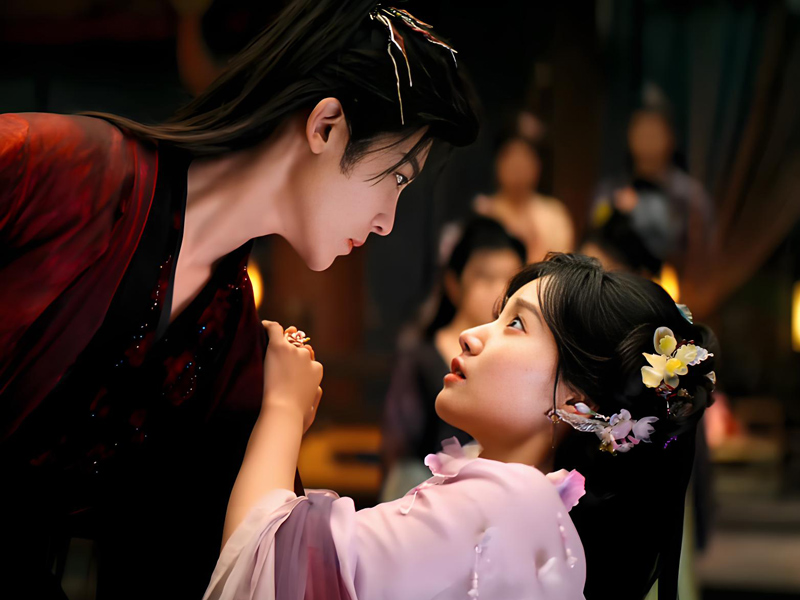
Ming Yi's path is equally compelling, as she wakes to the loss of Twenty-Seven and the possibility of his resurrection through spiritual means. Guided by allies like She Tianlin (佘天麟), she begins to rebuild her life, grappling with the guilt of her actions while holding onto hope. Her evolution from a figure of deceit to one seeking atonement adds depth to the narrative, suggesting that redemption is a gradual process fueled by remorse and resilience.
The series concludes on a note of unresolved tension, with relationships mended but new challenges on the horizon. Through its exploration of betrayal, sacrifice, and forgiveness, Love in the Clouds offers a timeless message about the complexity of human connections. It reminds us that in any world, magical or mundane, the quest for trust and understanding is what truly defines our journeys, making it a relatable and emotionally charged experience for all.