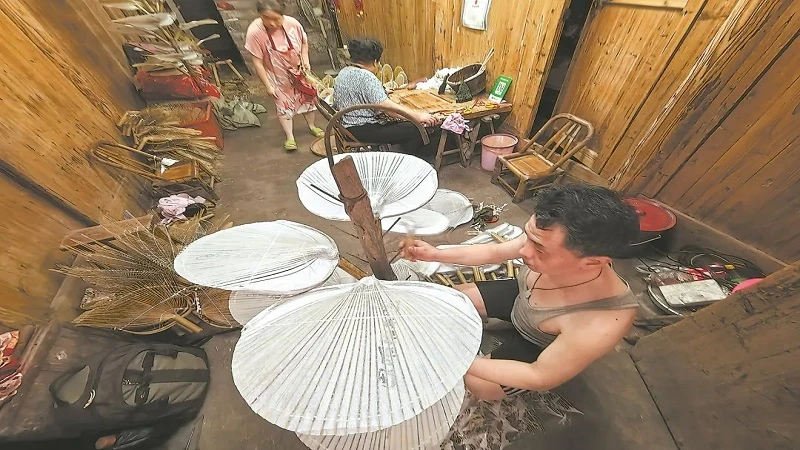
On a tranquil afternoon, a gentle hand cradles a Round Fan, its circular form mirroring the moon's embrace. This artifact, once a companion to nobility, carries whispers of harmony and connection, woven into the fabric of daily life.
In ancient courts, it adorned figures whose gestures spoke volumes. A tilt or a sway could paint emotions across a room, transforming ordinary moments into living art. Its simplicity belied a depth that captivated all who beheld it.
Over time, creators infused its surface with ink and color, sketching scenes that danced with life. Each stroke invited others to share in a breeze-filled narrative, blending poetry with visual charm. This evolution marked its journey from utility to inspiration.
By 2006, its role in preserving craft was honored, securing a place among cherished traditions that continue to resonate today.

1. The Round Fan's Millennial Passage
The Round Fan, a quintessential element of Chinese heritage, has woven its way through over three thousand years of history, embodying both utility and artistry. Initially conceived for practical purposes, it gradually transformed into a cultural icon, reflecting societal norms and aesthetic values across dynasties. Its journey from a simple shade to a decorated accessory illustrates the dynamic interplay between function and beauty, making it a fascinating subject in the study of Chinese material culture. This article delves into the fan's evolution, capturing its resilience and adaptability through various historical epochs.
1.1 Shang Dynasty (商朝)
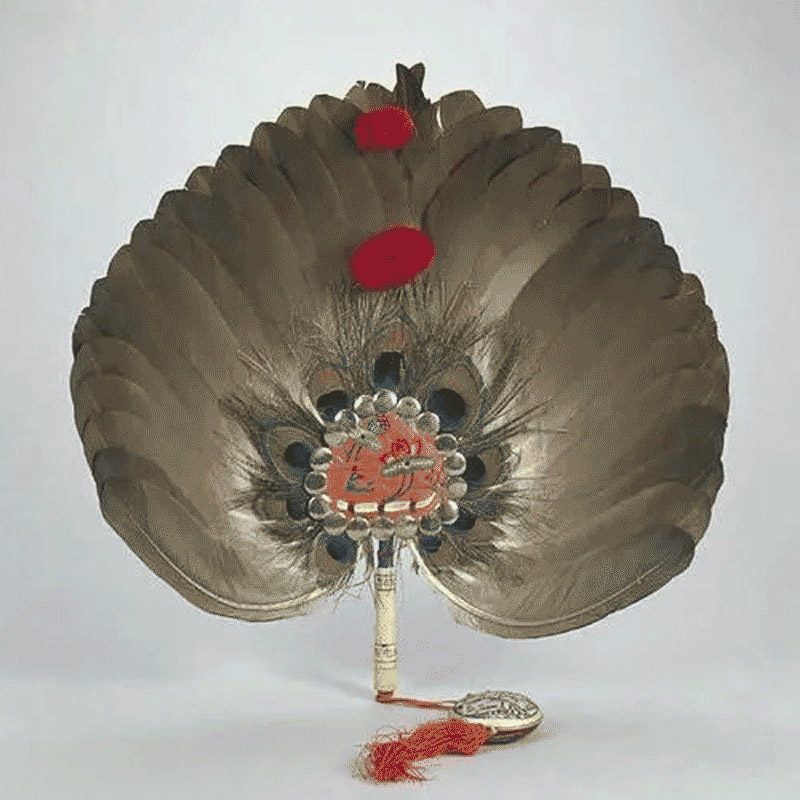
In the Shang Dynasty, the earliest fans emerged as Zhangshan (障扇), crafted from vibrant pheasant feathers. These were not designed for cooling but served as protective shields for royalty during excursions, deflecting sun and sand. This initial role highlighted the fan's status as a symbol of authority and practicality, setting a foundation for future innovations. The use of natural materials like feathers underscored a connection to the environment, with each fan telling a story of craftsmanship from ancient workshops.
1.2 Han Dynasty (汉朝)
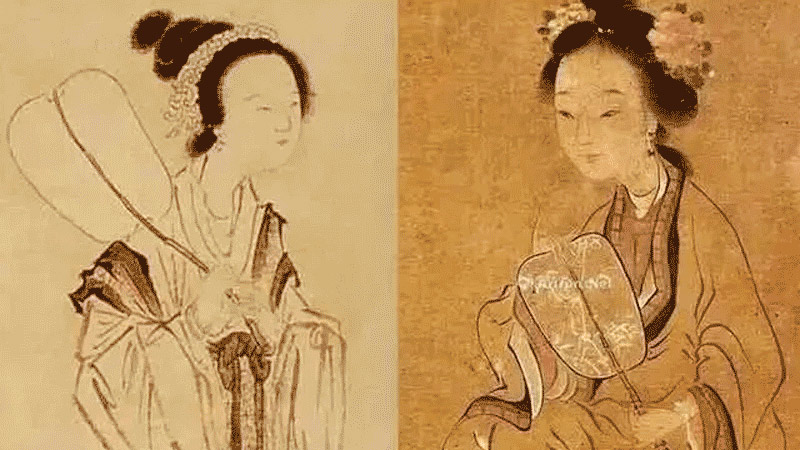
By the Han Dynasty, the fan's purpose shifted toward personal comfort, as people began using it for breeze. Materials evolved to include silk and fine fabrics, enabling intricate designs and embroidery. The feather fan, notably associated with historical figures like Zhuge Liang (诸葛亮), offered a soft wind that was gentle on the skin, symbolizing intellect and calm deliberation. This period marked the fan's transition into everyday life, blending practicality with emerging artistic expressions.
1.3 Tang Dynasty (唐朝)
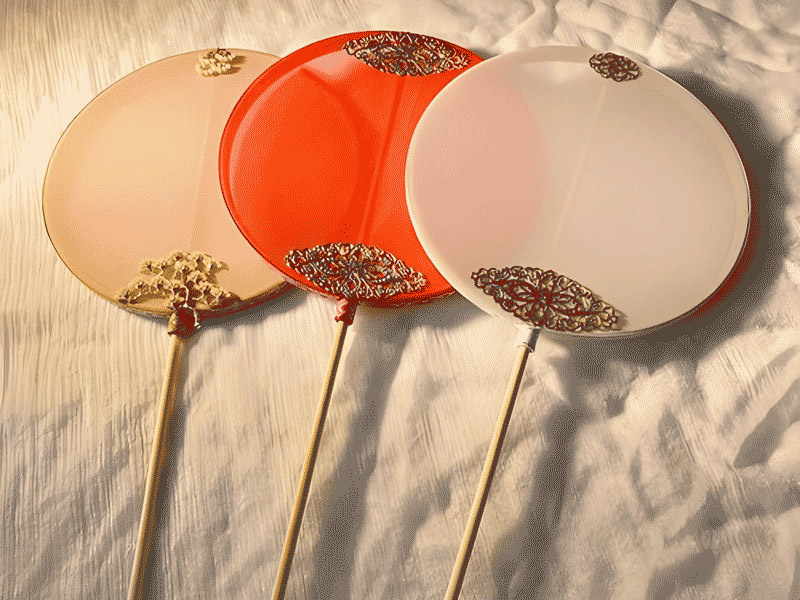
During the Tang Dynasty, the Round Fan gained widespread popularity, especially among court women and nobles, earning the name palace fan. It became a common motif in paintings and murals, such as those in Dunhuang (敦煌), depicting elegant ladies holding these fans. The fan also played a role in weddings, where brides used it to veil their faces, symbolizing modesty and protection from ill fortune as they stepped into new lives. This era saw the fan as a canvas for poetry and art, enriching its cultural significance.
1.4 Song Dynasty (宋朝)
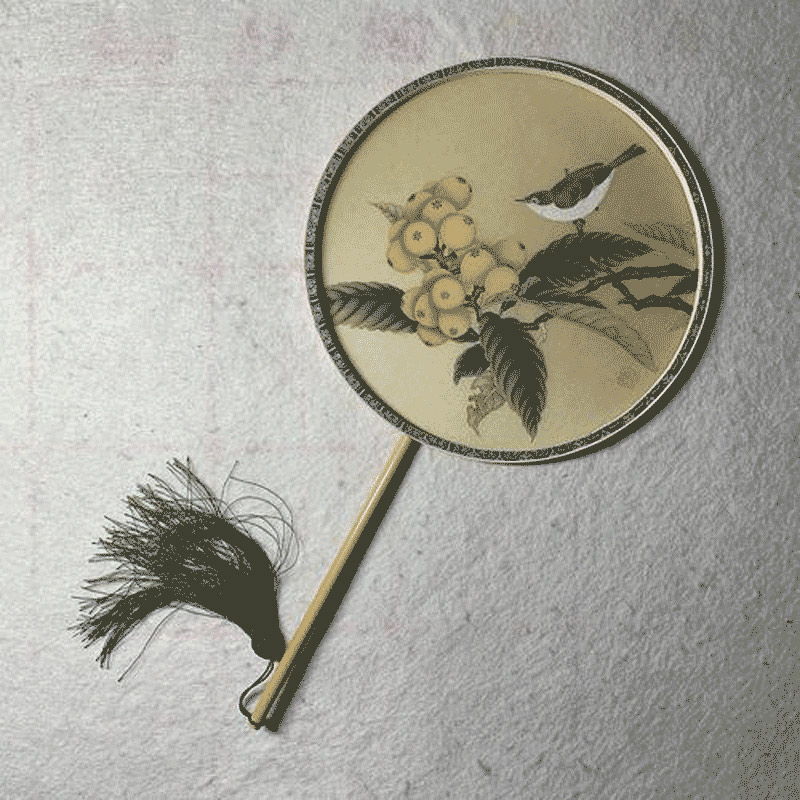
The Song Dynasty further elevated the Round Fan, making it accessible to broader society and refining its design with uniform handle lengths. Known alternatively as Hehuan fan (合欢扇), it served as a medium for artistic creation, with many works featuring its image. This period represented the peak of fan-related artistry, where it became a tool for displaying talent and emotion. The fan's integration into daily routines and artistic endeavors cemented its place in Chinese cultural life.
1.5 Yuan Dynasty (元朝)
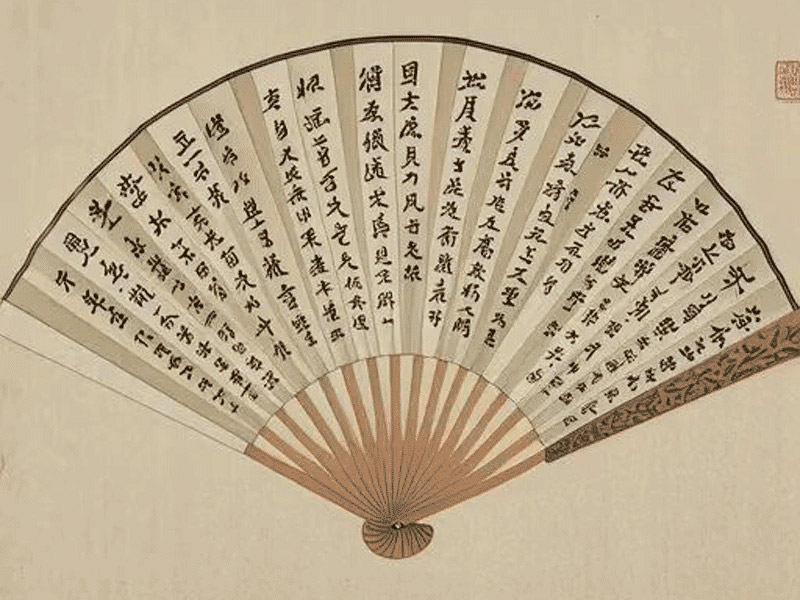
In the Yuan Dynasty, the Round Fan's prominence waned as folding fans gained favor for their portability and convenience. Records from this time are sparse, reflecting a shift in preferences toward more compact designs that suited mobile lifestyles. The folding fan allowed scholars to inscribe poems and ideas easily, diverting attention from the Round Fan's traditional role. This change signaled a broader cultural move toward practicality and personal expression in accessory choices.
1.6 Ming Dynasty (明朝)
The Ming Dynasty witnessed a partial revival of Round Fan traditions, drawing inspiration from Song-era culture, but it never fully regained its former glory. Folding fans, dubbed "elegant items for the sleeve," became popular among literati, reducing the Round Fan's status. Despite this, Round Fans remained familiar in households, adapting to new social contexts while preserving elements of past elegance. This era highlighted the fan's ability to persist through shifting tastes and technologies.
1.7 Qing Dynasty (清朝)
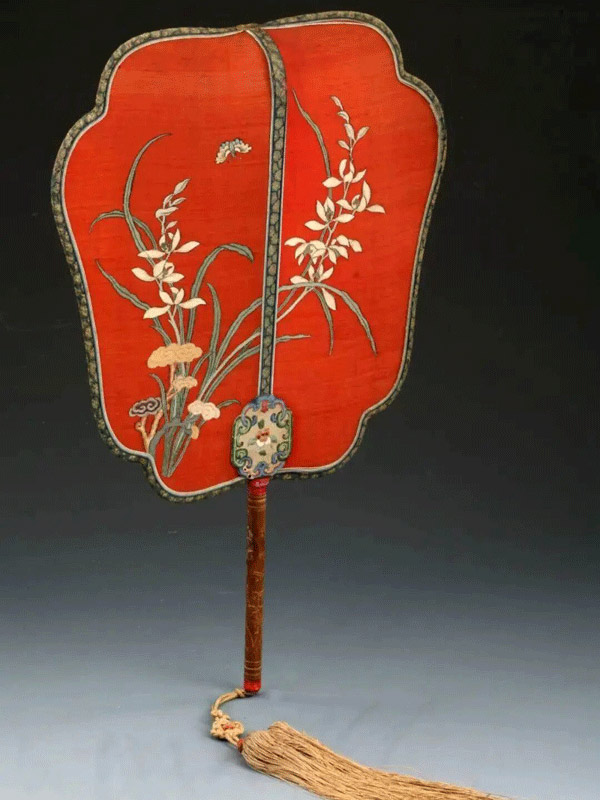
The Qing Dynasty brought a renewed interest in Round Fans, particularly among Manchu women who paired them with traditional attire for enhanced grace. These fans were commonly used for shading, insect repellent, and airflow, demonstrating their versatile utility in daily activities. The era's advanced craftsmanship incorporated techniques like kesi (缂丝), embroidery, and painting, adding depth and texture to fan designs. This period marked a creative peak, blending heritage with innovation.
Artisans in the Qing era combined multiple methods to produce fans with rich decorative effects and three-dimensional qualities. This synthesis of skills not only elevated the Round Fan's artistic appeal but also reinforced its role as a cultural keepsake. The fan's resurgence illustrated a nostalgia for tradition while embracing new artistic possibilities, leaving a lasting legacy in Chinese art and society.

2. The Design of Traditional Round Fans
The Round Fan is more than a simple instrument for breeze; it represents a legacy of elegance in Chinese craftsmanship. For centuries, these fans have been carefully made, blending practical use with artistic beauty. Their circular form suggests unity and perfection, often appealing to those who appreciate fine artifacts. This examination looks at the basic build and decorative aspects that give the Round Fan its distinctive character and enduring appeal.
2.1 Basic Build
A Round Fan's framework includes several integral parts. The frame, commonly shaped from bamboo, defines its circular outline. A handle extends from this base, allowing comfortable grip and control. The surface consists of sheer silk, offering a smooth area for designs. A support element reinforces the structure, ensuring longevity. These components combine to create a functional item that is both sturdy and lightweight, suitable for regular use while maintaining its form.
2.2 Artistic Details
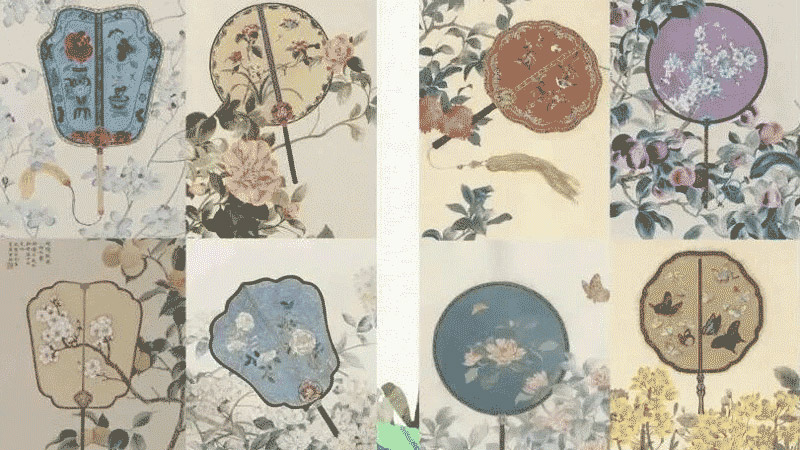
Decoration elevates the Round Fan into a piece of art. The silk face is often embroidered with motifs like birds, flowers, or landscapes, and sometimes figures or Buddhist images. Borders and handles may feature carved patterns or inlays. Embellishments such as fan pendants, tassels, or jade ornaments add refinement and motion. These artistic choices allow each fan to express individuality, often mirroring the owner's tastes or social standing through visual storytelling.

3. The Varied Shapes of Traditional Round Fans
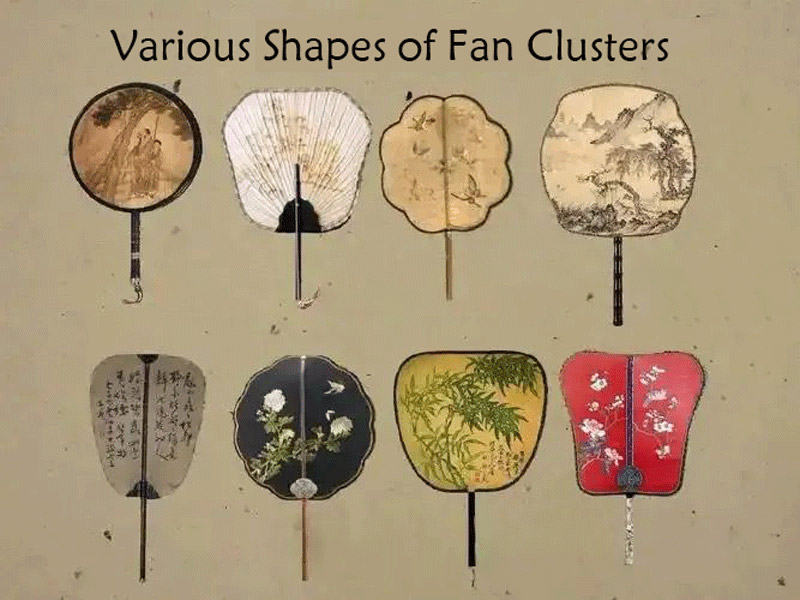
In the rich tapestry of Chinese decorative arts, the Round Fan holds a special place as both a practical object and a canvas for artistic expression. These fans, often made from materials like silk, bamboo, and lacquer, were not merely tools for cooling but symbols of status, taste, and personal identity in ancient society. Their designs reflect a deep connection to nature, philosophy, and daily life, with each shape telling a unique story through its form and decoration.
From the elegant curves to the meticulous craftsmanship, Round Fans served as portable artworks that accompanied individuals in various aspects of life, from court ceremonies to leisurely strolls. The diversity in their shapes—ranging from simple circles to intricate natural forms—showcases the creativity of artisans who drew inspiration from the world around them. This article delves into four prominent shapes, exploring how their structures and embellishments create a visual language that transcends time, offering a glimpse into historical aesthetics and the subtle nuances of Chinese artistic traditions without relying on grand narratives or overly technical jargon.
3.1 Circular Fans
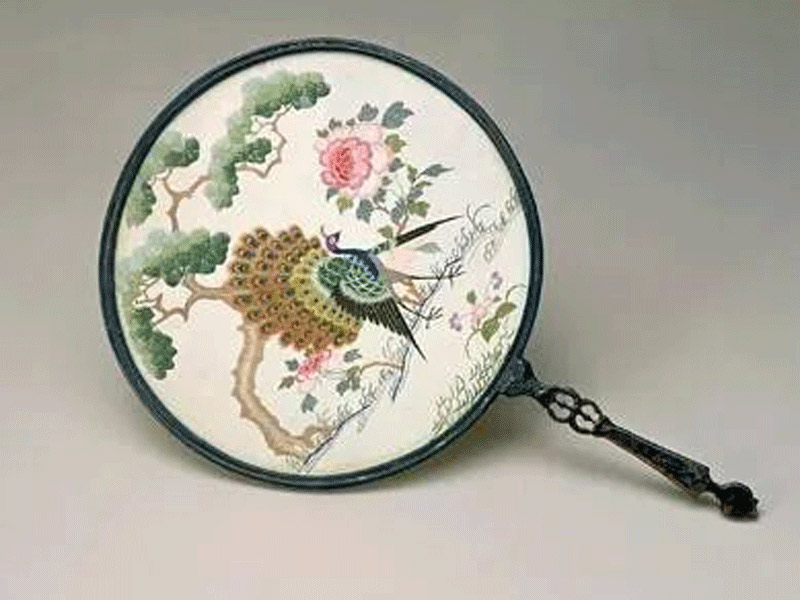
The circular Round Fan embodies simplicity and harmony, with its perfectly round frame often edged in black lacquer and a central area of white silk. Artisans employed double-sided embroidery techniques, using threads in shades like red, pink, orange, and green to create vibrant scenes full of life. The stitching, though bold and skilled, maintains a delicate balance, making the fan appear lively and dynamic. Handles were commonly crafted from black lacquer with intricate carvings, such as scrolls and pine needle patterns, adding to the fan's refined appeal.
This shape, reminiscent of the full moon, symbolized unity and completeness in Chinese culture, making it a popular choice for those seeking elegance in everyday items. Its design not only provided comfort but also served as a statement of artistic appreciation, blending functionality with aesthetic pleasure in a way that felt both timeless and personal.
3.2 Petal-Shaped Fans
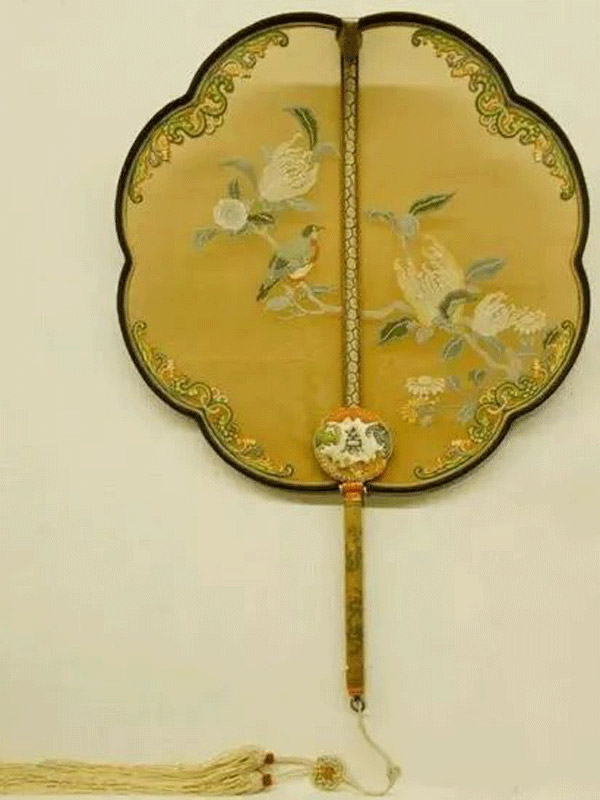
Petal-shaped fans, often designed with twelve lily-like lobes, feature a black silk background adorned with double-sided embroidery of butterflies and chrysanthemums. The composition resembles a painted scroll, carefully balancing empty and filled spaces to achieve depth and perspective. Colors are typically subdued, with hints of brighter reds on the butterfly wings to accentuate the design without overwhelming the senses. This shape draws from floral motifs, evoking a sense of fragility and beauty that mirrors the natural world.
By dividing the fan surface along its structure, the layout creates a symmetrical yet dynamic visual flow, highlighting the artisan's ability to transform simple materials into a poetic representation of growth and transformation. Such fans were prized for their gentle elegance, often used in settings that called for subtle refinement and a touch of whimsy.
3.3 Banana Leaf Fans
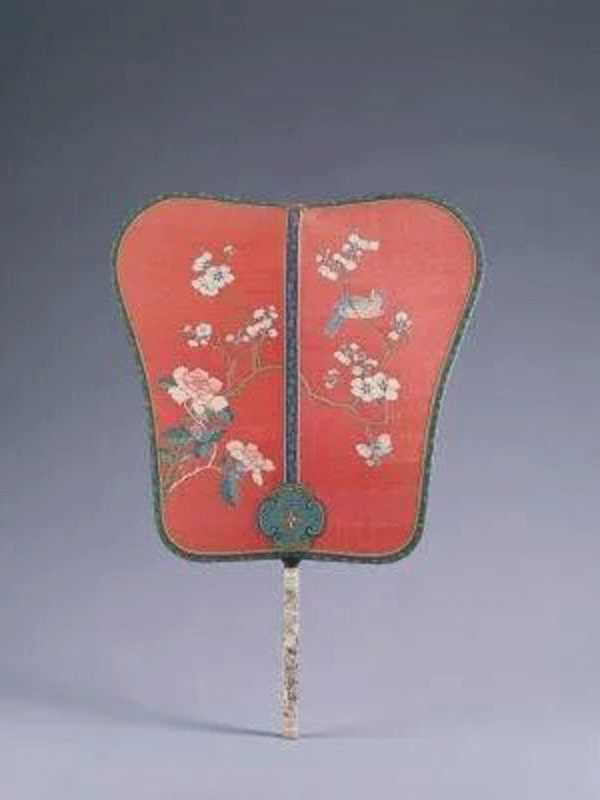
Banana leaf-shaped fans are characterized by their broad top and narrow base, mimicking the form of a banana plant leaf. The fan surface, often set against a peach-red background, showcases woven patterns of peonies, plum blossoms, and birds like the paradise flycatcher. Arrangements follow artistic principles, with branches and flowers positioned to convey movement and vitality, while the birds add a touch of realism and charm. This shape reflects a love for organic forms, connecting users to the lush landscapes of gardens and forests.
The use of bright yet harmonious colors ensures that the design feels cohesive and engaging, making each fan a unique piece that celebrates the beauty of nature. In historical contexts, such fans were associated with leisure and contemplation, serving as reminders of the peaceful moments found in outdoor settings.
3.4 Tung Leaf Fans
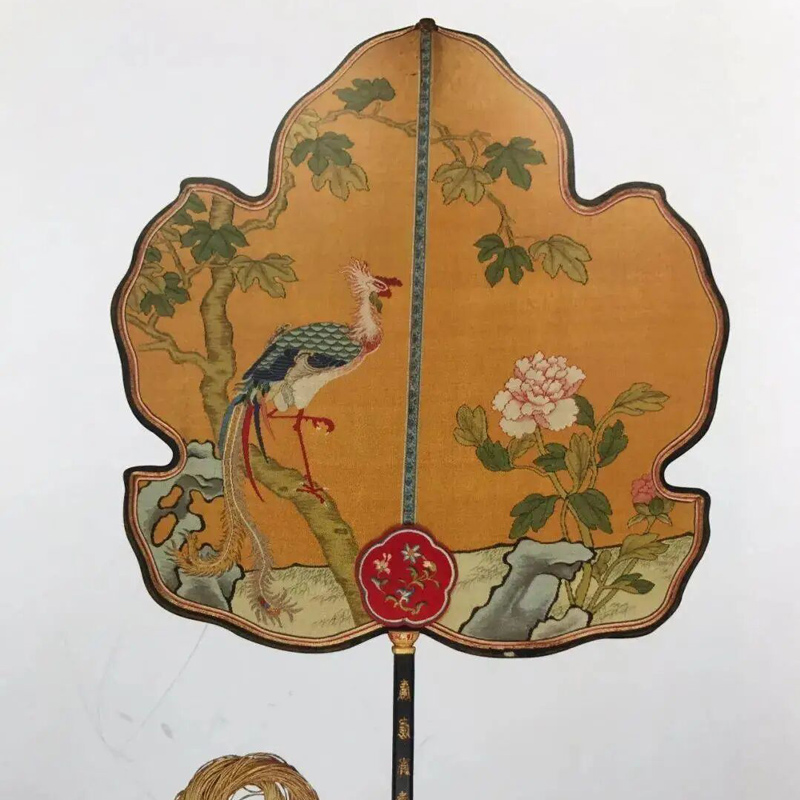
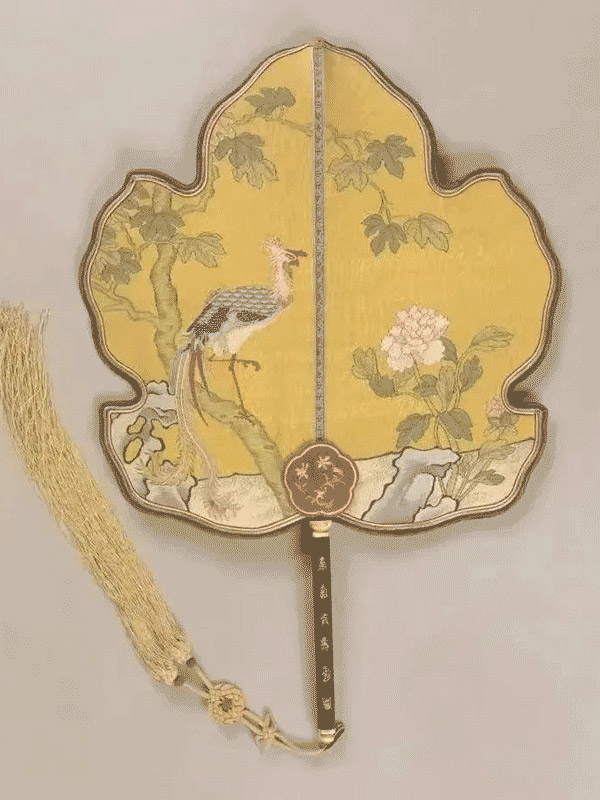
Tung leaf-shaped fans, resembling the leaf of the Chinese tung tree, typically feature a yellow background with woven depictions of a solitary phoenix perched on a tree trunk, alongside peonies blooming near rock formations. This design draws from mythological and natural themes, with the phoenix symbolizing renewal and the peonies representing prosperity and beauty. The fan's layout emphasizes balance and narrative, creating a miniature landscape that invites viewers to ponder deeper meanings.
Artisans skillfully used weaving techniques to achieve texture and depth, making the scenes appear almost three-dimensional. As a popular style among nobility, these fans conveyed aspirations for good fortune and elegance, blending artistic craftsmanship with symbolic storytelling in a way that felt both intimate and grand.

4. DIY Round Fan Craft
The gentle curve of a bamboo spine, the whisper of silk stretched taut—these are the first sensations of bringing a traditional round fan to life. Far more than a tool for breeze, this object is a portable canvas, a narrative held in the palm of one's hand. Its creation is a quiet rebellion against the disposable, a process where patience and precision converge. Each step, from selecting the raw materials to the final decorative stroke, is a deliberate act of preservation. This is not merely assembly; it is a conversation with history, an intimate dance with materials that have cooled brows for centuries. The journey of making a Tuanshan, or round fan, begins with a respectful consideration of its very bones and skin.
4.1 Material Essence
The soul of a fan resides in its foundation. For the spine, or Shangu (扇骨), artisans seek out bamboo known for its strength and character. Varieties like Xiangfei bamboo (湘妃竹) with its distinctive mottled spots, or the smooth, golden Yuzhu (玉竹), are prized. Woods such as Zitan (紫檀) and Wumu (乌木) offer deep hues and density. These materials are not used fresh; they undergo a slow drying process in shaded air, allowing moisture to retreat without causing cracks or warps. This initial patience ensures the fan's frame will remain true for generations, a stable architecture for the delicate surface to come.

The choice for the fan's face is equally critical. Lightness and breathability are paramount. Silks like Ling (绫), Luo (罗), and Jian (绢) are traditional favorites, their fine weave providing a perfect ground for art. Paper, such as sturdy Xuan paper (宣纸), serves as an alternative, especially welcoming to ink wash paintings. Before a single cut is made, these fabrics and papers are treated—starched, pressed, and smoothed. This preemptive care guarantees a surface without ripple or wrinkle, a flawless beginning for the stories it will later hold.
Beyond the primary elements, other treasures might find their place. In historical contexts, especially for imperial use, ivory or tortoiseshell provided opulence. Mother-of-pearl inlays or slivers of jade could be destined for the spine. Each material, whether humble or noble, is chosen not just for beauty but for its dialogue with the whole. The artisan’s first and most crucial task is to listen to this dialogue, to understand how a piece of spotted bamboo will complement a painting of orchids, or how dark ebony will frame a scene of snowy mountains.
4.2 Crafting the Spine
Transforming a piece of bamboo or wood into a fan's spine is a study in refinement. The selected material is sawn to the required length and width. Then, with planes and files, the artisan carefully shapes each strip, rounding edges and tapering profiles. The outer spines are often made slightly thicker, forming a protective border, while the inner ones are rendered slender and light. The goal is a set of ribs that feel smooth and uniform to the touch, a testament to meticulous handwork.
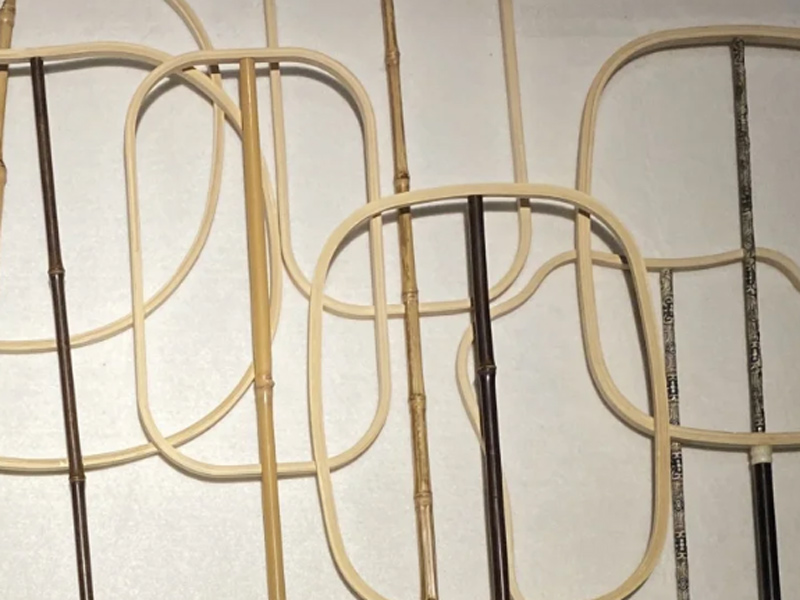
This is where personality is etched into the frame. Some spines remain elegantly plain, their natural grain the only decoration. Others become miniature galleries for carving. Artisans employ techniques like shallow engraving or subtle relief to depict landscapes, flora, or calligraphy. For a more luminous effect, tiny pieces of Luodian (螺钿), or iridescent shell, might be set into the wood, catching the light with a soft glow. This embellishment turns the simple act of holding the fan into a more detailed visual experience.
The final stage of the spine's construction is assembly. Holes are drilled at the base of each carefully crafted rib. A single rivet or a network of silk thread then gathers them together, creating the iconic radial frame. This pivot point must be perfectly calibrated—too tight and the fan will not open gracefully, too loose and it becomes flimsy. A well-made spine opens with a satisfying, soft click, its ribs spreading like the veins of a leaf, evenly spaced and ready to receive their cover.
4.3 Completing the Canvas
With the skeleton complete, attention turns to the skin. The prepared silk or paper is laid out and the fan frame is placed upon it. A template is traced, but with a careful margin left around the edges. This excess is crucial for the next step: attachment. Using a paste made from wheat starch or fine threads, the artisan secures the material to the spines. The fabric must be pulled taut, achieving a drum-like tightness without risking a tear. This phase, known for its demand of "flat, taut, and secure," separates the amateur from the master.
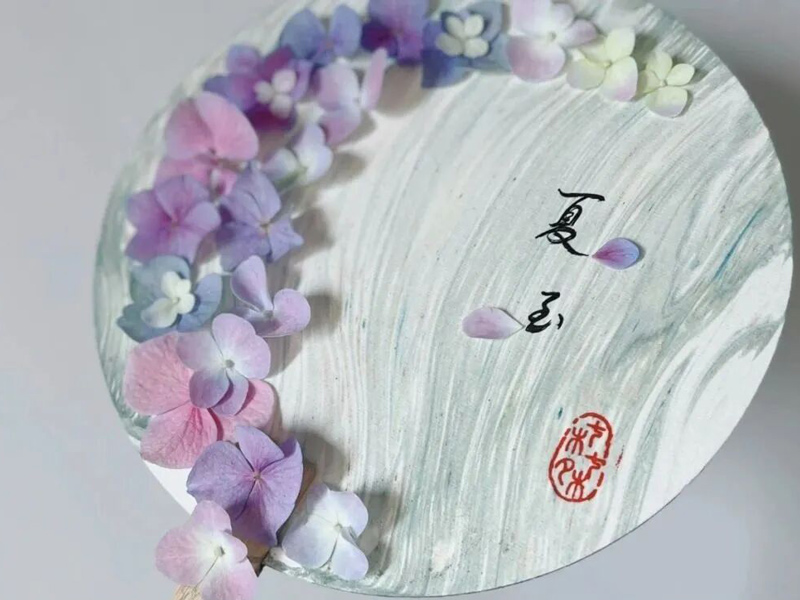
Now the blank surface awaits its voice. This is the culmination of the process, where the fan transcends craft and becomes art. A painter might approach it with ink and brush, executing a detailed Gongbi (工笔) style scene or a free Xieyi (写意) expression of a mood. Another artisan might choose needle and thread, employing the intricate stitches of Su embroidery (苏绣) to render a pair of mandarin ducks or a soaring phoenix in vivid, silken texture.
For the most luxurious fans, the surface itself is the artwork through Kesi, or silk tapestry. Here, the pattern is not embroidered on top but woven directly into the fabric using small shuttles of colored thread. The result is a reversible, texturally rich image that seems to float within the weave. Sometimes, a poet's line is added, its calligraphy flowing alongside the visual motif. When the last stroke is dry or the final knot is tied, the round fan is no longer just an object. It is a complete world, a breath of air, art, and history, folded neatly in the hand.
Final Thoughts
The Round Fan, or Chinese round fan, is a significant artifact embodying over three millennia of Chinese cultural heritage. Initially a practical sunshade for Shang Dynasty nobility, it evolved into a revered art form. Its purpose shifted through dynasties: from a symbol of authority, to a personal breeze-creator in the Han era, and a decorated accessory for court women in the Tang Dynasty. The Song Dynasty marked its artistic peak, while its popularity waned with the rise of folding fans in the Yuan period.
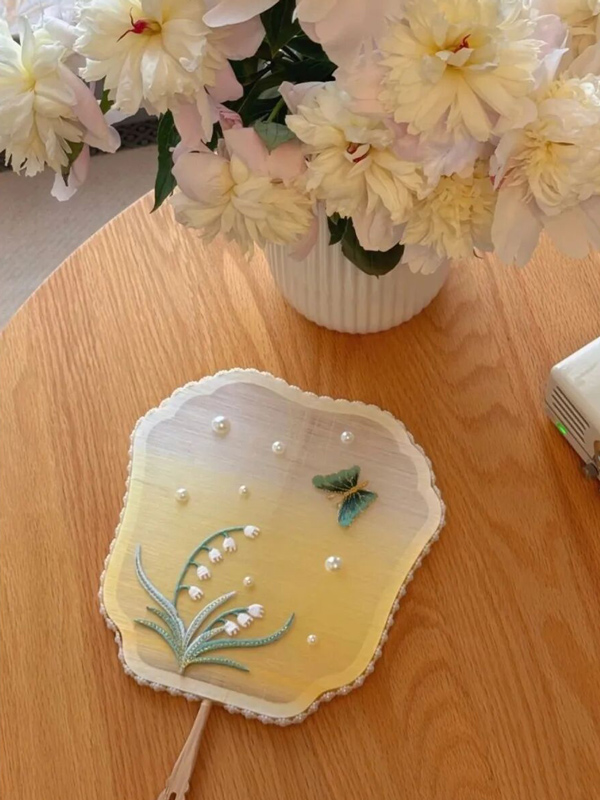
Crafted from a bamboo frame and silk surface, its circular shape symbolizes unity. It serves as a canvas for exquisite artistry, featuring embroidery, painting, and poetry depicting nature and mythology. The fan's design varies, including circular, petal, and leaf-like shapes, each rich with symbolic meaning. Honored as an intangible cultural heritage in 2006, the Round Fan remains a timeless symbol of elegance, craftsmanship, and the seamless fusion of utility and artistic beauty in Chinese tradition.