Article
Search results:
-
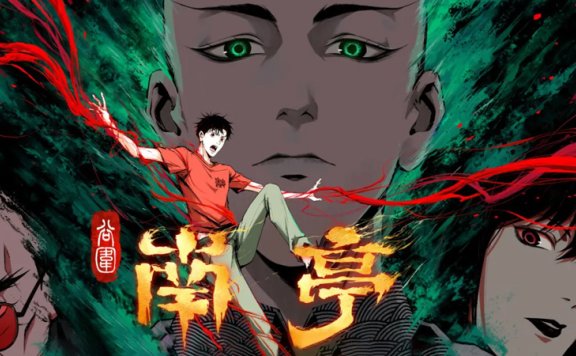
What Ancient Curse Haunts the The Last Dynasty Hotel Today?
In the bustling modern world, a forgotten tale from centuries past resurfaces in The Last Dynasty (谷围南亭), a story where a college student's routine life collides with supernatural forces. This narrative blends eerie moments with unexpected humor, creating a unique experience that captivates audiences. Set in a mysterious hotel during the Ghost Festival, it explores themes of destiny and ancient rivalries, drawing readers into a world where the past never truly dies. Through vivid characters and clever twists, the series offers more than just scares—it invites reflection on how history shapes our present. Unlikely Heroes Gao Ying steps into the spotlight as an ordinary freshman, whose curiosity leads him to the Qing Dynasty Hotel (大清王朝酒店). His arrival coincides with the Ghost Festival, a time when spirits roam freely, and he quickly finds himself surrounded by supernatural threats. Unlike typical protagonists, he is not a chosen warrior but an accidental participant, making his journey relatable and filled with tension. As he navigates this new reality, his growth from a naive student to someone entangled in a centuries-old conflict forms the heart of the story. Alongside him, Zhen Nan Wang Yinting (镇南王胤霆) emerges as a pivotal figure, wielding ancient Sa Man Mi… -
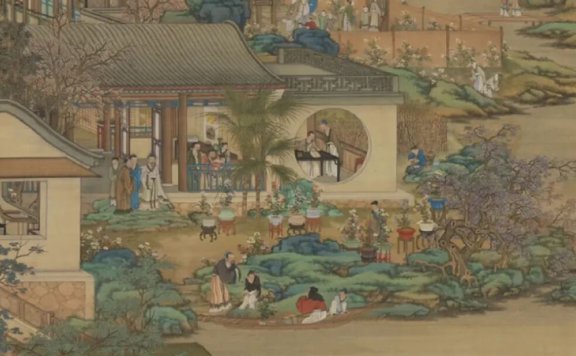
What Did Ancient People Do on Their Days Off?
What did an official's day off look like two thousand years ago? For us, weekends mean freedom from emails and deadlines, a chance to recharge. In ancient China, the concept of a rest day was both practical and sacred, a vital pause in the rhythm of life mandated by the state. Long before the forty-hour work week, dynasties like the Han recognized that even the most diligent bees in the imperial hive needed time away from collecting honey. Their days off, however, were not just for idleness; they were for purification, for personal chores, and for the quiet pursuits that made the other days bearable—sometimes these pursuits were boisterous. From the strict bathing schedules of the Han to the vibrant festivals of the Tang and the generous holidays of the Song, the ancient weekend was a fascinating institution that reveals how people have always sought balance between duty and leisure. The Han Day of Soap During the Western Han Dynasty, the state took a direct interest in its officials' hygiene. The law, known as the Han Code (汉律), decreed that government workers were entitled to one day off every five days, a system called Xiumu (休沐). The term literally means… -
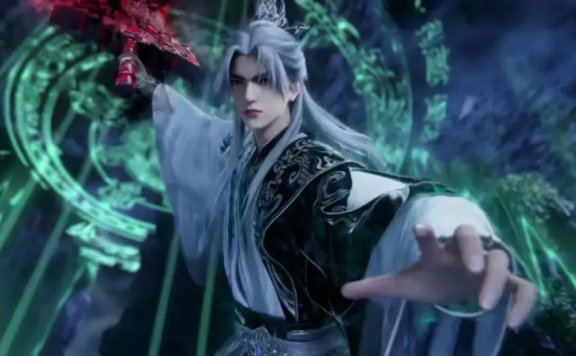
What Powers the Demon Spirit Land in Renegade Immortal?
In the expansive narrative of Renegade Immortal (仙逆), the Demon Spirit Land emerges as a captivating realm where demonic entities harness a unique cultivation system. This territory, born from the remnants of an ancient demon, is divided into nine provinces, each governed by a powerful demon emperor. Their strengths, conflicts, and destinies weave into the broader tapestry of the story, offering insights into a world where power dictates fate. As readers delve into this domain, they encounter a structured hierarchy of demonic might, measured in distinct units and corresponding to human cultivation stages. The interplay between these forces shapes the land's history and the journeys of its inhabitants, inviting exploration into how such a system operates and influences the narrative's core events. Cultivation System The demonic beings in the Demon Spirit Land gauge their abilities through a unit called Jia (甲), which quantifies their demon power. Starting from a mere one Jia, equivalent to the human Qi Condensation phase, cultivators can ascend through progressively demanding tiers. At ten thousand Jia, they reach the Transformation Spirit level, mirroring human capabilities at that stage. This progression underscores a parallel between demon and human paths, highlighting the land's intricate balance of power. As… -
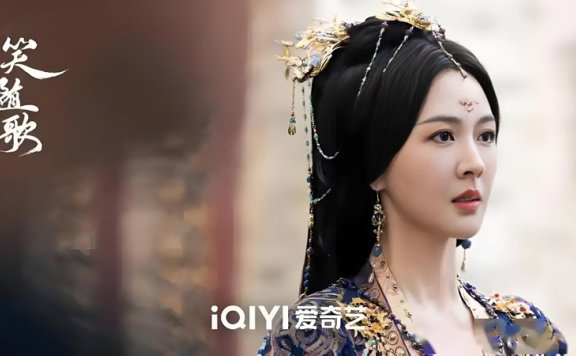
What Price Did These Women Pay in Fated Hearts?
The palace drama Fated Hearts (一笑随歌) concludes, leaving behind a trail of complex emotions. While power and romance intertwine, the narrative often returns to the profound sacrifices of its female characters. Their stories form the emotional core of the series, presenting a sobering look at the costs of love, duty, and survival in a rigid world. This is not a tale of triumphant heroines but a poignant exploration of four women whose lives, despite their high status, were defined by loss and unfulfilled desires. Empress Zhuang's Hollow Crown Empress Zhuang (庄皇后) lived for fifteen years under a beautiful illusion. She believed her promotion to Empress was a testament of Emperor Feng Pingcheng's (凤平城) love. To be worthy of this perceived affection, she abandoned personal joys, even giving up her favorite Zongzi (粽子). She molded herself into his perfect companion, her identity becoming entirely dependent on his approval. Her world was carefully constructed around the man she served, a palace of her own making built on sand. The truth, however, was a cruel performance. The Emperor's fatal illness, a secret he kept for fifteen years, was the real reason for her elevation. He needed a stable regent, not a beloved wife.… -
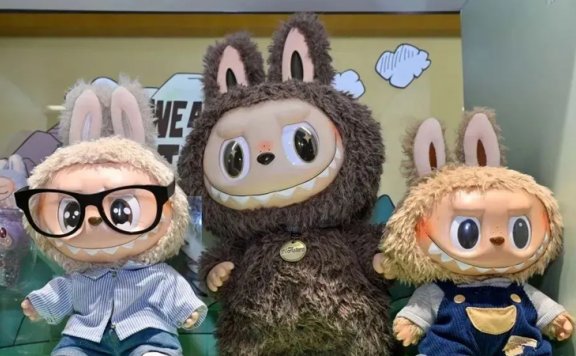
Why Did Labubu's Bubble Burst? The Shockwave in Collectible Toy Mania!
The collectible toy world was stunned when Labubu, a star character from Pop Mart's blind box series, saw its market value crumble overnight. Prices for once-coveted editions nosedived, turning a vibrant community into a scene of panic and disbelief. Scalpers who had stockpiled items faced massive losses, while casual collectors watched in awe as the hype evaporated. This sudden shift has sparked debates about the sustainability of toy investments and the real joys of collecting, reminding everyone that even the most beloved trends can face a reckoning. Price Plunge In a matter of days, Labubu's market prices took a dramatic hit. The hidden edition "Benwo," which previously fetched over $4,000, saw its average sale price slashed in half to around $2,500. Some listings even appeared for under $1,500, shocking those who had invested at peak levels. Common editions fared worse, with items like the "Ai" version dropping from hundreds of dollars to just over $200, and occasional bargains emerged below $100. This rapid devaluation left many wondering if the collectible's golden era had ended abruptly. Online forums and social media groups erupted with mixed emotions. Enthusiasts who had waited for lower prices celebrated their patience, proudly sharing their new acquisitions… -

Will Luo Feng Survive the Ultimate Betrayal in Swallowed Star?
The latest preview for Swallowed Star (吞噬星空) throws its hero into a vortex of chaos and deception. As Luo Feng (罗峰) ventures deeper into the cosmic mysteries of the Star Tower, he finds himself surrounded by formidable foes and false allies. The promise of a legendary treasure ignites a free-for-all among the most powerful beings in the universe. Just when a fragile alliance seems to offer a path to survival, a shocking act of betrayal threatens to end his journey forever, forcing him to make an impossible choice that could change his destiny. Allies Turned Enemies The tension in the 21st forbidden space was immediate. Twenty-two alien Kings, each a powerhouse, watched with hostile intent. Among them, Chen Hun Wang (晨混王) made his move, challenging Luo Feng directly due to a prior grievance. In this realm, weakness invites aggression. Before the conflict could escalate, Luo Feng's companion, the formidable Zhong Jian Wang (重箭王), acted. His dual blades moved like lightning, cleanly slicing through Chen Hun Wang's divine form. The attack was not just swift; it was fatal. A deadly Femo Poison coated the blades, rapidly eroding his opponent's essence and causing a peak King to perish in moments. This display of… -
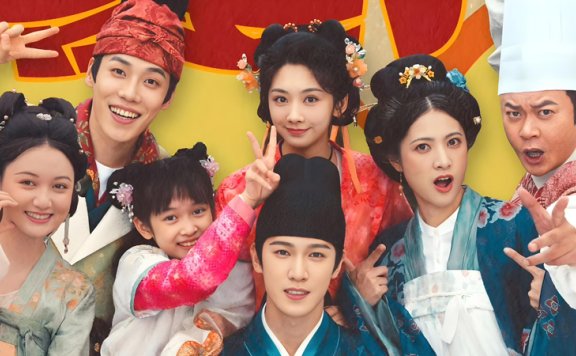
A Modern Family’s Culinary Adventure in the Tang Dynasty
What happens when a modern family gets stranded in the Tang Dynasty? Yummy Yummy Yummy (宴遇永安) serves up a delicious answer, blending time-travel chaos with culinary charm. This series, adapted from the novel Chang'an Small Restaurant (长安小饭馆), has quickly captured audiences with its unique premise. Instead of a lone hero, the entire Shen family accidentally journeys back to ancient China. They navigate the bustling streets of Yong'an (永安) City, using their modern know-how to survive. With a rating soaring high shortly after its release, the show mixes humor, heart, and historical intrigue. It turns food into a bridge between eras, offering laughs and life lessons in equal measure. Viewers find themselves drawn into a world where street snacks spark revolutions and family bonds defy time. Unexpected Beginnings The Shen family's journey starts not with magic, but a viral video mishap. While filming a tribute to their ancestor, they are whisked away to the Tang Dynasty. There are no royal welcomes or instant power-ups. Instead, they face the gritty reality of making a living. Food writer Shen Shaoguang (沈韶光) tries her hand at street vending, only to have a Jianbing Guozi (煎饼果子) mishap with a key official. Her clumsy attempt at… -
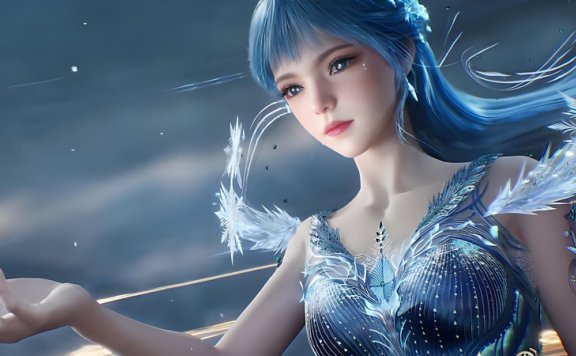
A Dual Martial Soul Master in Soul Land
In the realm of Soul Land (斗罗大陆), death is not an end but a gateway to an extraordinary new existence. This story follows Tang San, a devoted disciple from the Tang Sect in a previous life, who sacrifices himself only to awaken in a vibrant world where Martial Souls shape every aspect of life. At the age of six, each person awakens a unique Martial Soul, which can manifest as animals, plants, or objects, guiding their daily activities and potential. Those with innate energy can cultivate to become respected Soul Masters, defenders and adventurers in this rich landscape. Tang San (唐三), reborn with the rare dual Martial Souls of the Clear Sky Hammer (昊天锤) and Blue Silver Emperor (蓝银皇), embodies a powerful creed: "there are no useless Martial Souls, only those who fail to persevere." His journey weaves through friendships, heartbreaks, and epic confrontations, revealing how determination can transform destiny in a land where the ordinary becomes legendary. Awakening and Bonds Tang San's new life begins in a quiet village, where he quickly stands out due to his full innate soul power, a rare gift that marks him for greatness. He enters the Nuoding Academy, a place where young souls hone… -
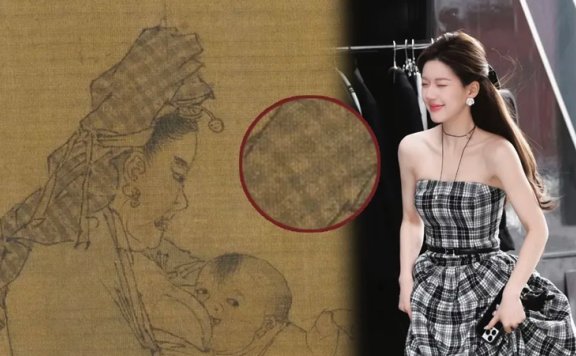
British Style? Plaid in China 3,000 Years Ago
When we think of plaid, images of Scottish kilts and British fashion often come to mind, but what if this iconic pattern has a much older origin? Recent archaeological discoveries in China reveal that checkered designs were flourishing there nearly 3000 years ago, during the Western Zhou Dynasty (西周), long before such styles became synonymous with the West. This finding challenges common perceptions and invites us to rethink the narrative of global fashion history. Artifacts from regions like Hami (哈密) showcase bold, intricate plaid patterns that rival modern aesthetics, highlighting a sophisticated textile tradition. As we delve into these ancient traces, it becomes clear that plaid is not just a Western import but a shared human innovation, with roots that span cultures and millennia. This revelation not only sparks curiosity but also encourages a deeper appreciation for China's rich cultural contributions, urging us to see beyond stereotypes and celebrate these historical connections. Ancient Patterns Excavations in the Hami area have unearthed textiles from the Western Zhou era featuring vibrant plaid and wave motifs. These artifacts, dating back to around 1000 BCE, display a range of colors and geometric precision that defies the notion of simple ancient craftsmanship. For instance, some… -
Why Are Some Girls Called Rotten Peaches?
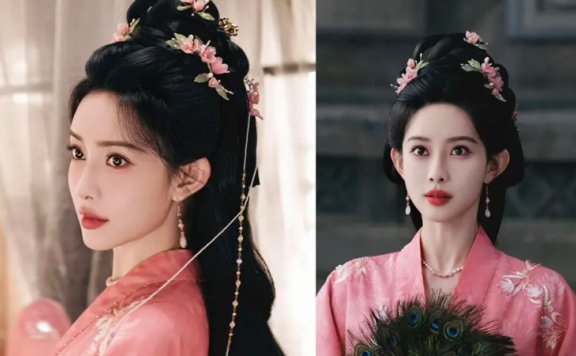
Calling a girl a peach has always been a compliment. But a new term is circulating online, painting a very different picture: the 'Rotten Peach'. This label describes someone whose sweet, innocent appearance, reminiscent of a blushing peach, hides a manipulative or cruel nature. It is a modern, cynical twist on an ancient tradition of using floral and fruit imagery to describe feminine beauty. To understand this evolution, one must look back at how deeply the peach is rooted in Chinese cultural imagination, from classical poetry to traditional aesthetics, and see how a symbol of pure youth acquired its darker double. Poetry's Blushing Bloom For centuries, the peach blossom was the ultimate emblem of a young woman's vibrant beauty. The connection is ancient and profound. The classic Book of Songs (诗经) contains the line, "The peach tree is slender and sturdy," using the dazzling sight of a blooming peach tree to celebrate a bride's grace and vitality. This metaphor was endlessly repeated and refined by poets. Cui Hu (崔护) from the Tang Dynasty wrote nostalgically of a girl's face glowing like a peach blossom. Wang Shifu (王实甫), in his iconic play The Romance of the Western Chamber (西厢记), described his… -
Ju Jingyi's Black Straight Hair with Hime Cut
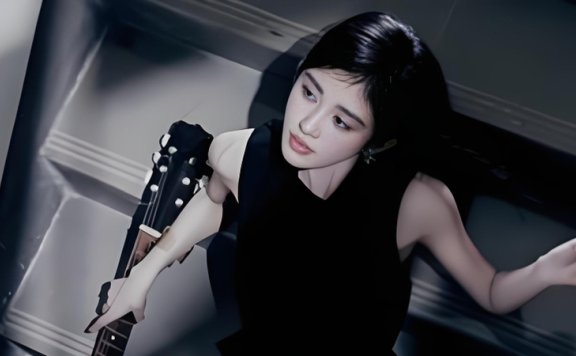
In a recent series of images that flooded social media, Chinese actress and singer Ju Jingyi (鞠婧祎) offered a masterclass in personal style evolution. The photos, capturing a seemingly private moment of her applying lipstick, showcase a striking departure from her earlier public persona. Gone is the unadulterated youthful innocence; in its place is a woman who has meticulously crafted an image of graceful maturity. Her jet-black, long straight hair, sharply cut with a Hime Cut, frames her face with a blend of softness and structure. This is not a mere fashion statement; it is a visual narrative about growth, self-possession, and the nuanced performance of femininity in the modern spotlight. The mirror she looks into reflects more than her image—it reflects the very expectations and discussions she effortlessly ignites. The Style Shift Ju Jingyi's current aesthetic presents a fascinating case study in the language of hair. Her signature long black hair, a constant throughout her career, now serves a different purpose. Where it once complemented a doll-like image of pure youth, it now acts as a canvas for a more sophisticated identity. The introduction of the Hime Cut is the pivotal element. This traditional Japanese style, characterized by straight,… -
Historical Dramas Embrace China’s Dynastic Kids’ Hair Cultures
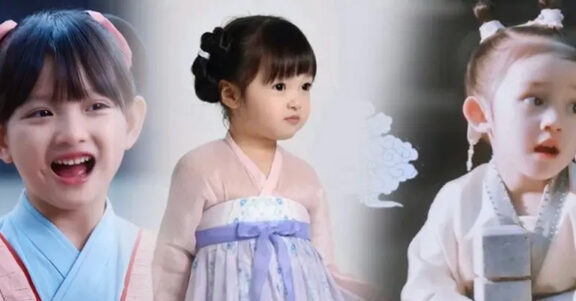
Have you ever noticed how children in historical dramas often sport adult-like hairstyles, stripping away their youthful charm? Recently, shows like The Mo (家业), Flourished Peony (国色芳华), and Joy of Life (庆余年) have sparked discussions by featuring young characters with age-appropriate hairdos, mirroring authentic ancient Chinese practices. This shift not only delights audiences but also revives interest in the nuanced traditions of childhood in dynastic eras. Instead of forcing kids into miniature adult roles, these productions embrace the distinct phases of hair growth that defined youth in places like Tang or Song Dynasty households. From shaved heads to playful tufts, each style tells a story of growth and cultural identity, making it clear that historical accuracy can enhance storytelling without sacrificing cuteness. As viewers, we are drawn into a world where every braid and bundle reflects a child's journey, reminding us that innocence deserves its own spotlight. Hair Growth Stages In ancient China, a child's hair journey began with the shaving of infant hair, known as Tai Fa (胎发), to encourage thicker growth. This initial phase, depicted in classical paintings, often featured a simple, triangular patch of hair at the crown called Tiao (髫), which hung loosely and symbolized early… -
Guan Xiaotong’s Ancient Attire Takes Social Media
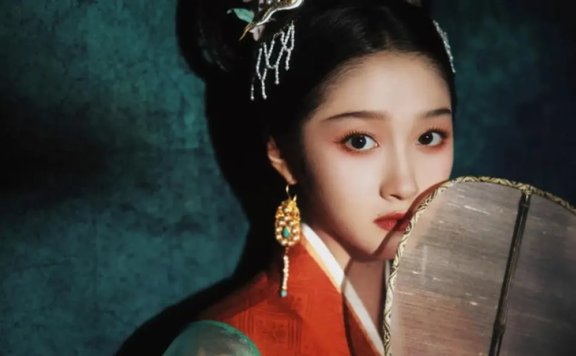
Guan Xiaotong's (关晓彤) latest ancient costume photos have set the internet alight, revealing a side of the actress that blends elegance with an almost mystical charm. Fans and critics alike are marveling at her transformation, noting how this new look captures a delicate beauty rarely seen in contemporary Chinese dramas. This excitement isn't just about aesthetics; it reflects her journey from a beloved child star to a mature performer capable of embodying diverse roles. The buzz suggests that Guan Xiaotong is poised to redefine her career once again, merging traditional appeal with modern storytelling in a way that resonates deeply with audiences today. Early Beginnings Born in Beijing in 2000, Guan Xiaotong grew up surrounded by artistic influences, with her father, Guan Shaozeng, being a respected figure in the industry. This environment nurtured her innate talent, allowing her to develop a passion for performance from a very young age. She often participated in family and school events, displaying a confidence that made her stand out even among older peers. Her early exposure to the arts wasn't just incidental; it was a formative experience that shaped her approach to acting and public life. By the time she was four, Guan Xiaotong… -
Love in the Clouds Pairs Cunning Leads And Poetic Detail
This year's historical drama offerings have largely missed the mark. Legend of The Female General (锦月如歌) leaned on romance but suffered from plot holes, while Moonlit Reunion (子夜归) became mired in predictable political grimness. The Journey of Legend (赴山海) presented visual splendor yet failed to make its characters resonate. Into this field steps Love in the Clouds (入青云), an adaptation of Bai Lu Cheng Shuang's (白鹭成双) novel that immediately distinguishes itself. The show’s core is a clever "double strong disguise" dynamic, where central figures conceal their full capabilities. This setup drives a narrative filled with strategic tension and genuine surprises, all delivered through a polished production that values coherence over empty spectacle. Its approach feels like a direct response to audience fatigue with repetitive tropes. Given the significant pre-release momentum, this drama is positioned to make a substantial impact. It demonstrates that the genre can still offer intelligent and engaging stories when it moves beyond established formulas. Plot Structure Beyond Traditional Xianxia Xianxia stories often paint worlds of epic clashes between divine and demonic forces, but Love in the Clouds chooses a different path. Set within the confined realms of He Xu Liu Jing (合虚六境), the narrative unfolds around the… -
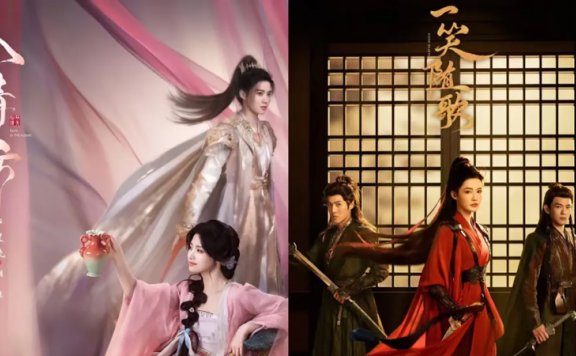
Love in the Clouds vs Fated Hearts: A Stark Contrast in Period Dramas
Two new costume series, Fated Hearts (一笑随歌) and Love in the Clouds (入青云), recently premiered, inviting immediate comparison. After viewing the first four episodes of each, the difference in quality is stark. Fated Hearts presents a female general whose promising start is undermined by a formulaic plot. The story quickly relies on overused tropes like amnesia and cycles of repetitive conflict, failing its initial "power couple" premise. Excessive skin-smoothing filters further distract, making characters appear unnatural. In contrast, Love in the Clouds offers a refreshing dynamic. It begins with a stunning reversal where a detained convict defeats an undefeated female war deity. This sets the stage for a clever narrative where both leads, each hiding their true motives, engage in a tense and intelligent game of mutual deception. The production's attention to visual detail and nuanced performances makes the characters' interactions compelling. The distinct reception of these two shows underscores a clear shift in audience taste. Viewers are now drawn to solid scripts and thoughtful execution over familiar stars and hollow tropes. Noticeable Gaps in Plotlines Television dramas set in ancient or fantastical worlds have long captivated audiences, but recent offerings reveal a significant shift in what viewers expect from… -
The Art of Chayi: Mastering the Elements of a Perfect Brew
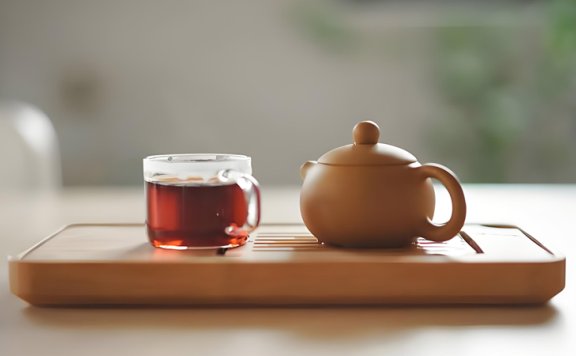
In a quiet room, the simple act of making tea becomes a focused ritual. Chayi (茶艺) is this practice, where handling leaves and water demands care. It starts with selecting the right leaves, understanding that each type holds unique character. The process is not rushed; it is about presence and attention to detail. Four elements shape a good brew. First, the amount of tea relative to water sets the foundation. Too many leaves, and the drink turns sharp; too few, and it feels empty. Second, water heat is critical. Delicate greens need cooler temperatures to avoid bitterness, while robust blacks require near-boiling points to open up fully. Third, timing the steep is essential. Seconds can shift flavors from smooth to rough. Fourth, consider how many times you can reuse the leaves. Quality ones often yield multiple infusions, each revealing new notes. Adjusting these factors based on the tea variety—like oolongs that unfold over short steeps—makes the experience personal and dynamic. Beyond technique, the setting matters. The teapot, the cup, and the space around you influence the moment. It is a blend of method and mood, creating a pause in the day. Through practice, one learns to feel the balance, turning… -
To Win Music Variety Shows: Is Diss the Secret Weapon?
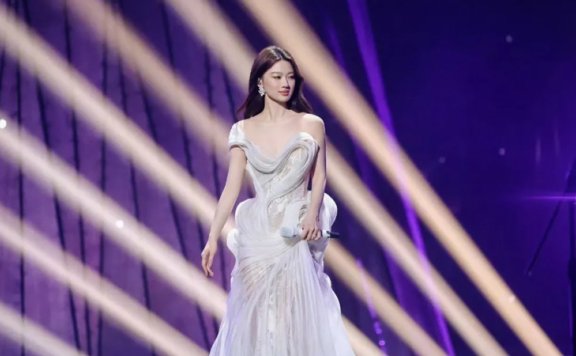
In today's competitive television landscape, music variety shows face a pivotal moment. Singer 2025 (歌手2025) generates buzz through external critiques and hit songs, while The Rap of China 2025 (新说唱 2025) fuels online discourse with its raw, confrontational style. Both programs harness dissent to engage viewers, yet their long-term impact will depend on authentic artistry rather than manufactured drama. Diss Culture Ignites TV Wars Music competition programs have discovered a potent method to capture public attention. A recent series of events on a popular rap show demonstrates how controlled conflict can drive viewership. This approach involves participants openly criticizing each other, creating moments that spread rapidly across social platforms. What begins as on-screen tension quickly evolves into widespread online discussions, influencing the show's popularity. This phenomenon is not entirely new, but its execution has become more deliberate. Producers now recognize the value of such interactions in a crowded entertainment landscape. The strategy taps into audience desires for authenticity and drama, blending them into a compelling narrative. As these scenes unfold, they generate buzz that transcends the program itself, becoming cultural touchpoints. This dynamic reshapes how music television operates, prioritizing engagement over traditional metrics. Show Sparks The program The Rap of… -
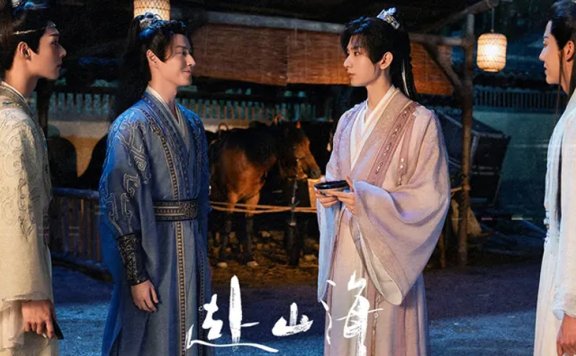
What Makes The Journey of Legend Stand Out?
In an unexpected narrative twist, a recent production blends contemporary elements with classic martial arts lore. The Journey of Legend (赴山海) presents a world where modern sensibilities collide with ancient traditions. The central figure, Xiao Qiushui (萧秋水), is not the legendary hero one might expect but a youth grappling with his identity in a Wuxia universe. His journey begins through a Chuanshu (穿书) experience, where he navigates this realm with a present-day perspective, leading to amusing incidents like the inclusion of a Mojito (莫吉托) beverage, reinterpreted to fit the setting. He initially appears as a clumsy, trouble-prone individual, far from the mighty warrior of original tales. Alongside three companions, they form a group that subverts typical hero tropes, focusing on growth through misadventures. Their interactions blend humor with genuine camaraderie, making the storyline feel fresh and engaging without relying on overused archetypes. This approach has struck a chord with viewers, resulting in impressive viewership numbers shortly after its debut. Streaming platforms have enhanced the experience with interactive features, allowing fans to participate in puzzles and earn rewards. Such initiatives foster a sense of community, turning the show into a shared cultural moment rather than just passive entertainment. The drama's success… -

Ling Cage 2: Unique Dystopian Vision in China’s Animation
Chinese animation is witnessing a dynamic shift this season, with numerous productions capturing attention. Nezha 2 (哪吒2) led the charge, while later entries like The Legend of Hei 2 (罗小黑战记2) and Nobody (浪浪山小妖怪) continued the trend. Amid these, Ling Cage 2 (灵笼2) emerged as a surprise, closing with a notable 8.9 Douban rating. Films and series inhabit different realms of critique, yet this sci-fi piece stands apart. Its dystopian framework diverges from the usual adaptations of classics or online literature. Here, originality takes center stage, proving that new narratives can resonate deeply. Such endeavors enrich the artistic field, urging creators to venture beyond familiar grounds. They remind audiences that innovation, not just imitation, drives the medium forward, opening doors to uncharted stories. Unique Chinese-Style Wasteland World In the landscape of animated storytelling, a distinct voice emerges from China, challenging conventional genre boundaries. Ling Cage (灵笼) represents a significant departure from typical narratives, offering a fresh perspective on post-apocalyptic fiction. This series has carved out a unique space by blending rigorous scientific concepts with deeply rooted cultural elements, creating a world that feels both familiar and entirely new. Its ability to maintain audience engagement over years, despite production hiatuses, speaks to… -
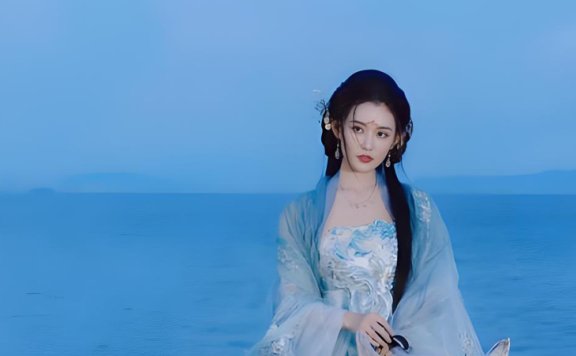
Unpacking Jiang Yiyi’s Xiapu Photoshoot
Is a photoshoot by the sea just a photoshoot, or is it a strategic move in an actress's career? When Jiang Yiyi (蒋依依) arrived in Xiapu (霞浦) County with its dramatic coastline, she wasn't just there to take pictures. The resulting series of images, drenched in the golden light of a late summer sunset, quickly amassed over 200 million views on Weibo. This wasn't merely a display of traditional Hanfu beauty against a stunning natural backdrop. It was a meticulously orchestrated event that laid bare the intricate mechanics of fame, aesthetics, and commerce in today's entertainment industry. The waves crashing behind her were not just scenery; they were a metaphor for the powerful, often unseen, currents shaping a young artist's path. The Engineered Image Every element in the Xiapu photoshoot was a calculated decision. The sea breeze, thick with salt, was a natural, unpaid special effect, making the thin gauze of the Hanfu dance authentically. The ocean itself served as a giant, organic reflector, casting a flawless, porcelain-like glow on her face. This clever use of nature created an illusion of effortless beauty, effectively masking the substantial investment behind the scenes. A single image of her on horseback became a…