Article
Search results:
-
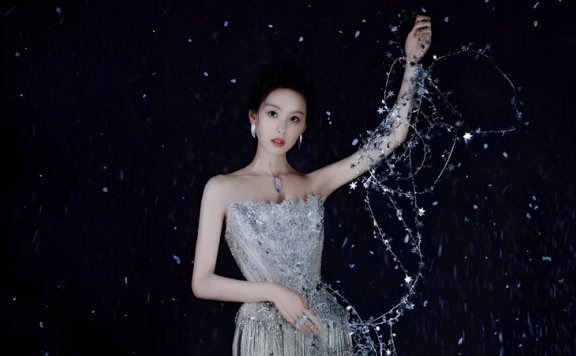
Chen Duling’s Starlight Gown on the Met Gala Carpet
The Met Gala carpet has witnessed countless spectacles, but this year, a vision in frozen starlight stopped everyone in their tracks. Chen Duling (陈都灵) did not simply arrive; she materialized, a breathtaking apparition from a wintry celestial realm. Her gown, an intricate masterpiece of silver crystals and delicate tulle, transcended fashion to become a story—a narrative of ice, light, and quiet power unfolding with every step she took. Against the backdrop of flashing cameras and murmuring crowds, she became a living constellation. This was more than a red carpet appearance; it was a performance, a deliberate and stunning articulation of an artist evolving before the public eye. The look sparked instant global conversation, dissecting not just the craftsmanship of the dress, but the statement it made about her journey from a fresh-faced ingenue to a woman commanding the spotlight with serene, undeniable authority. The Anatomy of a Dream The magic was in the meticulous details. The gown's bodice, a sleek silver column, was entirely encrusted with hundreds of thousands of hand-sewn crystals. They were not simply placed; they were mapped onto her silhouette, catching and refracting light like a second skin made of shattered ice. It was sculptural, precise, and… -
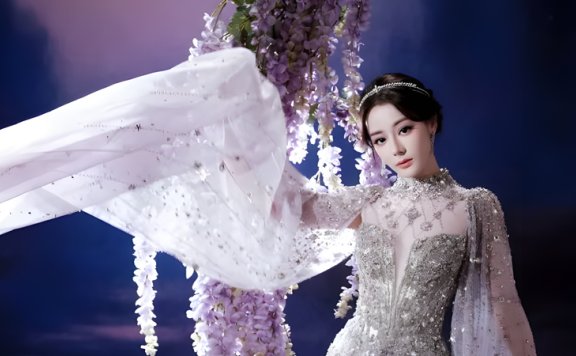
How Dilraba Wove a Fairy Tale on the Red Carpet
The internet stopped scrolling. Photographs of actress Dilraba (迪丽热巴) at a recent event did not merely showcase another beautiful celebrity in another beautiful dress. They presented a vision. Swathed in a cascade of lavender and silver, she seemed less a star on a red carpet and more a character stepped from the pages of a fantasy novel. This was not just fashion; it was a moment of collective enchantment. The gown, with its ethereal silhouette and celestial detailing, transcended typical glamour, sparking a widespread conversation about beauty, storytelling, and the potent allure of dreamlike aesthetics in our contemporary world. A Gown Woven from Dreams The power of the look lay in a meticulous fusion of design and texture. A gradient of pale lilac to soft violet in layered tulle created an immediate impression of otherworldliness. This delicate base was then meticulously embroidered with a galaxy of minute silver sequins and crystals. Under the lights, they did not simply sparkle; they emitted a subtle, shimmering glow, as if the fabric itself was woven from captured starlight. The dress seemed to hold an inner luminescence. Its structure balanced boldness with grace. A deep V-neckline framed her collarbones elegantly, while a sharply defined… -
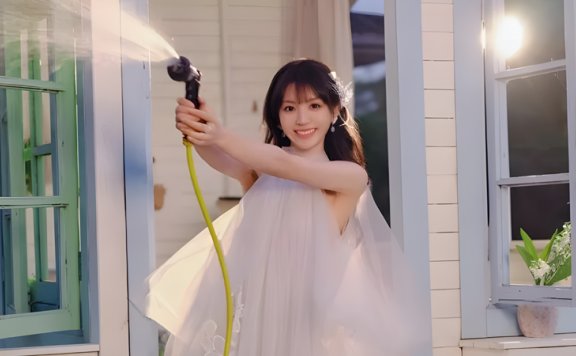
Tian Xiwei’s Sweet Haze Gown
Scrolling through social media today, one image stops you completely. It's actress Tian Xiwei (田曦薇), transformed. This isn't a typical celebrity photoshoot; it's a living spring daydream. Draped in a delicate, pale nude-pink gown, she stands bathed in soft light, resembling a piece of translucent honeyed candy. The overall effect is so captivating it feels less like viewing a picture and more like stumbling into a gentle, sun-drenched fairy tale. This particular look has ignited conversations, perfectly capturing a nuanced aesthetic that blends youthful sweetness with a sophisticated, ethereal softness. Decoding the Dream The magic of this look lies in its meticulous details. The Sweet Haze aesthetic is achieved through a masterful combination of color, texture, and cut. The gown features a halter neckline that elegantly frames her shoulders and collarbone. Its fabric is a sheer, layered netting over a milky apricot base, creating a sense of depth and movement. With every subtle pose, the skirt's folds ripple like gentle waves on a pond touched by a spring breeze. Accessories are chosen with precision. A simple, scattered floral hair clip provides a delicate accent, while long, dangling earrings enhance the vertical line, adding refinement without overwhelming the outfit's softness. The… -
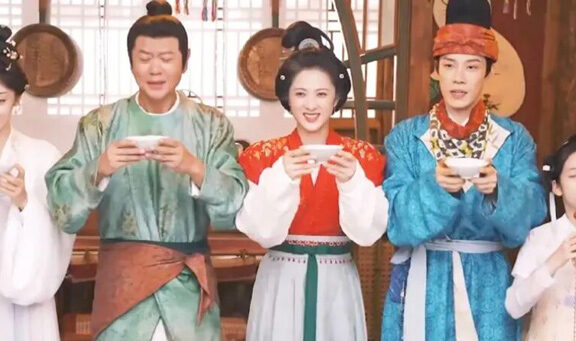
How Chinese New Year Wishes Worked Without Words
The messages we exchange as a new year dawns today are warm and direct. But centuries ago in China, New Year's greetings were crafted with a subtle, poetic artistry. They conveyed hopes, affection, and well-wishes not through straightforward statements, but through elegant allusions and imagery drawn from nature and the seasons. This tradition reveals a uniquely Chinese form of lyrical expression, where the act of blessing someone became an art form in itself. The Poetry of Time Instead of modern phrases, scholars of old used classical references to mark the year's turn. A common opening for a seasonal letter was “the year is in Guichou (癸丑), at the end of spring.” This practice, seen in masterpieces like Wang Xizhi’s (王羲之) Preface to the Poems Composed at the Orchid Pavilion (兰亭集序), framed time within a lyrical context. Another phrase, “Sui Yu Yun Mu, Xin Yuan Zhao Qi (岁在癸丑,暮春之初)” poetically captures the moment as “the year draws to its close, a new beginning dawns.” These were not mere dates; they were acknowledgments of time’s graceful, inevitable passage. The great Song dynasty statesman and poet Wang Anshi never explicitly said “happy new year” in his famous verse. Yet, his lines about firecrackers banishing… -
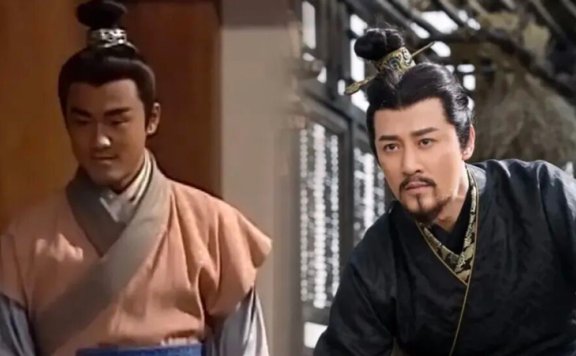
Why Are the Warriors' Topknots Tilted in Back to the PaBack to the Pastst?
The announcement of a new film adaptation of the classic time-travel series Back to the Past (寻秦记), reuniting the original cast after 25 years, has sent waves of nostalgia through its fanbase. While audiences eagerly await the return of Louis Koo and Raymond Lam to their iconic roles, a seemingly minor detail from the promotional material has ignited a surprisingly passionate online discussion: the distinct, slightly off-center topknot, or Ji (髻), worn by Lam’s character. This quirky hairstyle, far from being a costuming error, is a deliberate nod to a fascinating and authentic historical practice from the Qin era. The film’s attention to this detail opens a window into the highly structured and symbolic world of ancient Chinese military life, where even a hairstyle could speak volumes about a person’s rank and origin. More Than a Hairstyle To the modern eye, a tilted bun might appear casual or even charmingly disheveled. In the context of the Qin dynasty (221-206 BCE), however, it was a standard and meaningful feature. The most definitive evidence comes from the silent army of the Terracotta Warriors. A close examination of the thousands of life-sized figures reveals a striking variety in their topknots. A significant portion… -
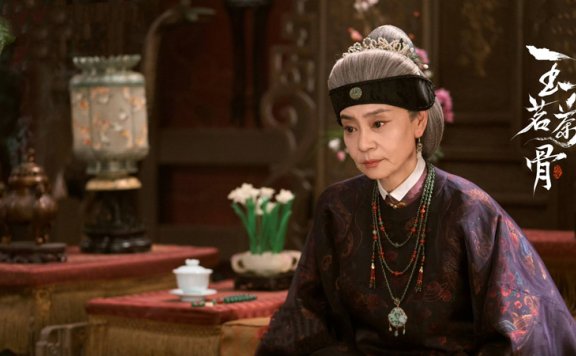
Unmasking a Family’s Corrupt Legacy in Glory
The opulent halls of the Rong family mansion, famed tea merchants of Lin'an (临安), held a secret as delicate and potent as their finest brew. For generations, their fortune was attributed to a mystical heirloom: the "Tea Bone," a chosen family member born with an innate ability to discern tea quality and cure ailing tea plants. This myth justified every cruelty, every sacrifice. The elderly Matriarch Rong enforced this belief with an iron will, having anointed her granddaughter, Rong Shanbao (荣善宝), as the current Tea Bone. But whispers swirled that the true heir was actually the simple-minded sixth daughter, Rong Yunwan (荣筠纨), declared dead to the outside world to hide her perceived shame. While sisters schemed for favor, one remained in the shadows: the fifth daughter, Rong Yunshu (荣筠书). Believed to have been blind for twenty years, she sat quietly in corners, a silent witness to the family's poisonous dynamics. No one suspected her sightless gaze saw everything, or that her heart burned with a cold, patient fury. The Performance of a Lifetime Rong Yunshu's blindness was a meticulously crafted performance, a role she perfected after a childhood tragedy. Two decades prior, her mother, deemed of lowly birth, was cast… -
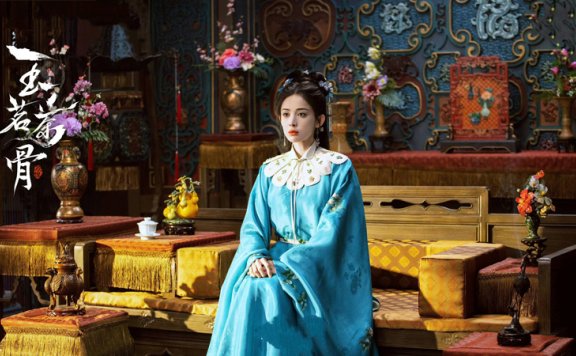
The Strange Rules of the Rong Family in Glory
In the world of Glory (玉茗茶骨), a single family's fate is bound to the ancient art of tea. The sprawling Rong clan, a centuries-old tea dynasty, presents a glittering facade of tradition and success. Yet, beneath the surface, a brutal contest unfolds. Seven of the eight Rong sisters secure prosperous futures, while one—the most privileged of them all—faces utter ruin. This outcome reveals the clan's unspoken law: in the fight for survival and power, noble birth guarantees nothing. Sharp instincts, strategic alliances, and sometimes, a well-crafted deception, matter far more than the hand one is initially dealt. The Constructed Prodigy Rong Shanbao (荣善宝) stands as the family's paragon. From a young age, she demonstrates impeccable skill in tea cultivation and appraisal, earning the revered title of "Tea Bone", the designated heir to the family's legacy. Her judgment is flawless, her business acumen unmatched, capable of outmaneuvering even the most astute outsiders. To the matriarch and the world, she is the living embodiment of the Rong tea tradition, a perfect successor groomed from childhood. However, this perfection is a carefully maintained facade. The true "Tea Bone" is actually her sixth sister, Rong Yunwan (荣筠纨), who possesses an innate, supernatural ability to… -
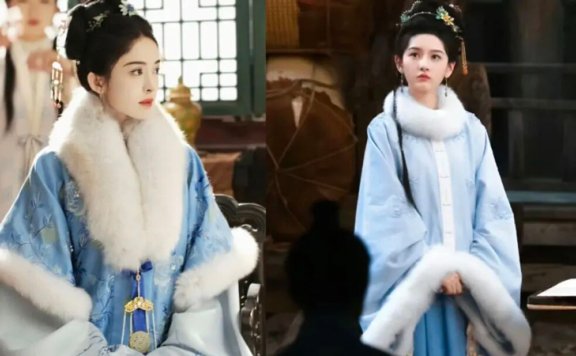
How Historical Fur Collars Blended Function and Status
Audiences often notice a curious consistency in the robes worn by characters in historical television dramas: the fabrics appear suspiciously light, seemingly unchanged by brutal winters or sweltering summers. This visual shorthand prioritizes aesthetic flow and actor comfort over historical authenticity. But a closer look reveals subtle, often overlooked details that hint at how people in eras like the Ming and Qing dynasties genuinely coped with the cold. The answer lies not in bulky modern parkas, but in ingenious layers, strategic materials, and one particularly telling accessory: the fur collar. The Historical Fur Collar Far from a mere costume embellishment, the fur collar, or Fengling (风领), was a standalone, functional piece of winter wear. As described in classics like The Dream of Red Mansions (红楼梦), it was not sewn onto a garment but worn separately over cloaks or thick robes. This design created a protective barrier against wind slipping down the neck. A passage from the novel details Shi Xiangyun's (史湘云) outfit, noting her "large sable Fengling," illustrating its use among the aristocracy. Its purpose was explicitly defensive, guarding a critical thermal zone where significant body heat escapes. The construction of winter clothing itself varied by social class. The wealthy… -
Hidden Agenda Behind Feiyu Guard’s Growth in The Unclouded Soul
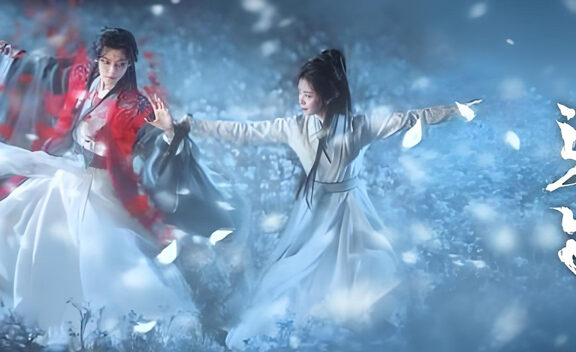
Why would a distant emperor mobilize his elite guard for an unloved daughter? The plot twist in the drama The Unclouded Soul (逍遥) where the ruler orders the expansion of the Feiyu Guard (飞羽卫) to rescue Princess Ning’an (宁安) from the demon king Hong Ye (红烨) is not an act of sudden paternal love. It is a cold, calculated move in the complex game of imperial power. To understand this, one must look past the surface of a father saving his child and examine the machinery of statecraft, public perception, and personal legacy that drives a monarch's decisions. A Father's Performance The emperor is first and foremost a symbol. His every action is staged for an audience comprising his court, his people, and history itself. Princess Ning’an, though personally neglected, remains a member of the imperial family. Her very public abduction by a demon is not a private family matter; it is a national spectacle. To appear indifferent would shatter the carefully maintained image of the ruler as the patriarchal head of a vast family. By launching a dramatic rescue, he performs the role of the devoted father, using grand action to overwrite years of quiet disregard. This performance tells… -
Glory: The Hidden Shield Behind the Family Feud
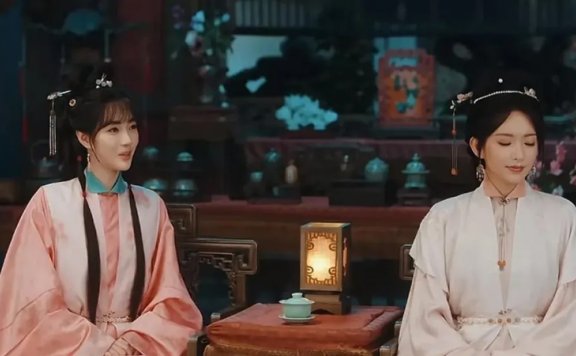
The most captivating stories are those where the most ardent enemy reveals themselves as your greatest protector. In the swirling, fragrant world of the period drama Glory (玉茗茶骨), this classic trope receives a masterful and heartbreaking execution. For much of the narrative, audiences believed the central conflict pitted the determined but ‘false’ heir, Rong Shanbao (荣善宝), against her jealous and scheming younger sister, Rong Yunyin (荣筠茵). The truth, unveiled in a breathtaking reversal, is far more complex. Rong Yunyin’s palpable hatred was never real. Her every act of defiance, every sharp word, was a meticulously performed role. She was the ultimate deep-cover agent, planted by the family’s formidable matriarch, Grandmother Rong, within the camp of her sister’s rivals. The person who seemed to despise Shanbao the most was, in fact, her most vital shield. This revelation reframes every prior interaction. Their heated arguments, Yunyin’s alliances with other discontented family members, even her public attempts to undermine Shanbao’s authority—all were calculated moves to gather intelligence and divert danger. Grandmother Rong, often perceived as sternly traditional, engineered this deception from the start. She recognized that a visible, unified front would be a brittle one. True strength for the Rong Family, the preeminent… -
Glory: The Blind Sister Outmaneuvers Rong Mansion
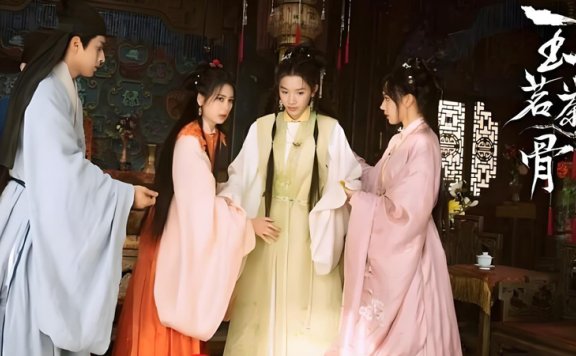
In the opulent world of Glory (玉茗茶骨), power is a delicate brew, steeped in tradition and simmering with familial rivalry. Everyone has a role: the brilliant heir, the jealous sibling, the overlooked cousin. Yet, amidst the calculated moves within the Rong Mansion, the most formidable player emerged from the place least expected. She was the one everyone dismissed, the blind daughter born to a servant, the one they called Wu Mei (五妹). While others saw a fragile girl to be pitied or ignored, they failed to recognize the sharpest mind in the room. This is not a story of overt strength, but of perception manipulated and trust weaponized. The real drama was not in the boardrooms or tea fields, but in the quiet, unseen calculations of the sister nobody thought to watch. The First Betrayal Wu Mei’s initial position was one of apparent vulnerability. As the blind fifth daughter of a concubine, she was marginalized by her grandmother and sisters. Her strategy was one of selective alliance and perceived utility. She attached herself to the ambitious Second Sister, offering counsel and appearing to be a loyal, if pathetic, follower. This was her camouflage. The turning point came with a plot… -
China’s Coziest Gala? The Surprising Star Accessory
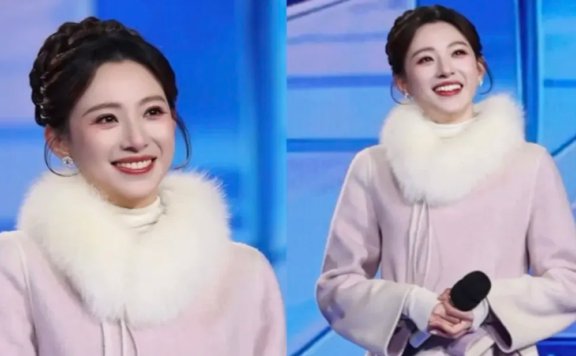
This year's China Central Television New Year's Eve Gala earned a new nickname: the coziest edition yet. In a refreshing departure from the usual sleeveless gowns and sharp suits, hosts and performers appeared bundled in warm, comfortable clothing. Online audiences cheered the practicality, but they quickly noticed something else. One accessory appeared more than any other—a simple scarf. This wasn't just a tool against the winter chill; it became a subtle thread connecting the modern celebration to centuries of Chinese sartorial elegance. Ancient Neckwear While the modern scarf feels universal, its precursors have deep roots in Chinese history. As early as the Song Dynasty, a garment called Xiangpa (项帕, neck kerchief) was worn by women during festivals like the Lantern Festival. Described by scholar Zhou Mi (周密), it was a decorative band of silk or brocade wrapped around the neck, serving both aesthetic and modest warming purposes. A similar item, the Lingjin (领巾, neck scarf), was used more broadly by men and women alike. These were not the long, trailing scarves of later European fashion but practical, often square or triangular pieces of fabric, tied or fastened at the front. Art provides clues to their form. In paintings like Tang… -
Cang Long and Hong Ye’s Epic Bond in The Unclouded Soul
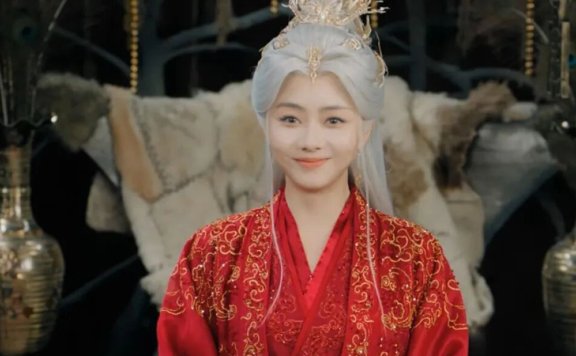
In the sweeping fantasy drama The Unclouded Soul (逍遥), the protagonist makes a journey not through space, but through time. He travels back ten thousand years, arriving not as a mere mortal but as Cang Long (苍龙), the supreme Azure Dragon of the mighty Dragon Clan. He is, by every measure, the apex being of his era, a creature of unimaginable power who views the world from an immortal's detached height. Yet, this god-like entity finds his destiny irreversibly intertwined with that of a human prince named Hong Ye. Their story defies the logical order of power and species, becoming a poignant exploration of love that stubbornly persists across lifetimes. This is not a simple romance, but a profound bond that becomes the central axis around which fate itself turns, challenging the very fabric of history and testing the limits of devotion against impossible odds. The Dragon's Solitude Cang Long exists in a realm of absolute strength. As the pinnacle of the Dragon Clan, the most revered tribe among all Yao Zu (妖族, demon tribes), he faces no equal. His power is solitary and complete. This journey to the past was meant to be an investigation, a mission to uncover… -
Are Period Dramas' Costumes Wrong?
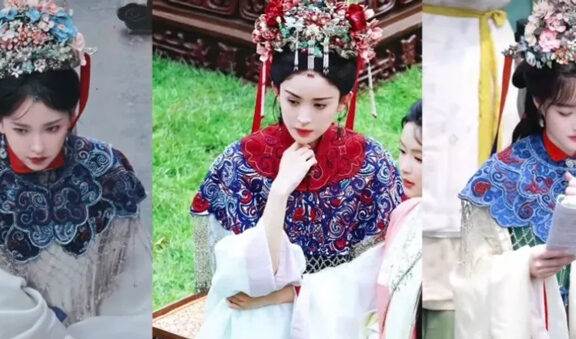
In the recent historical drama Glory (玉茗茶骨), a particular costume detail has ignited a fiery debate among viewers: the Yun Jian (云肩), or cloud collar. Adorning the shoulders of characters, these ornate pieces have left audiences divided. Are they an authentic representation of Ming dynasty elegance, or a glaring historical inaccuracy? This sartorial storm surrounding a single accessory opens a fascinating window into a much larger issue: the widespread blurring of historical lines in modern costume design, often substituting the flamboyant styles of the late Qing era for the reserved sophistication of the Ming. What is a Yun Jian? Many assume the cloud collar is a standard component of Hanfu. This is not entirely accurate. While the concept of shoulder-decoration existed earlier, for most of the Ming dynasty, the Yun Jian was primarily a woven or embroidered pattern integrated directly into the fabric of formal robes, not a separate accessory. It functioned as a symbolic motif on ceremonial garments. Only in late Ming paintings, often depicting immortals or elegant ladies, do we begin to see the emergence of the Yun Jian as a distinct piece of attire. The true, independent cloud collar gained traction only in the late Ming period.… -
3 Tragic Shadows in The Unclouded Soul
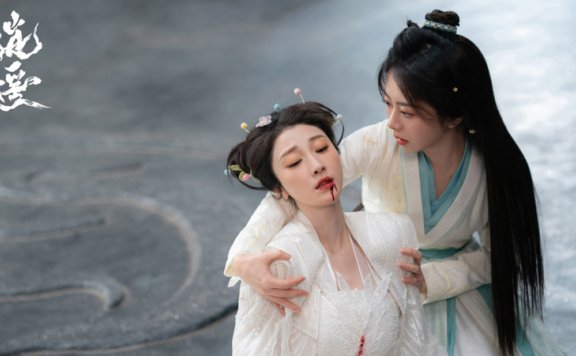
Some stories stay with us not because of their heroes, but because of the characters who falter. The Xianxia drama The Unclouded Soul (逍遥) weaves a tale of cultivation and chaos, yet its most lingering echoes come from figures whose choices lead them into shadows. They are not purely evil, nor are they blameless. Their journeys are defined by very human vulnerabilities—vanity, devotion, and a desperate love—pushed to extreme ends within a fantastical world. Their tragic ends force us to look closer at the moment their paths twisted, asking what we might have done differently, and knowing perhaps, we would have done the same. 1. Da Li's (大丽) Reflection Da Li began as a peony spirit, gentle and enamored with beauty. Her life in the Wanyaogu (万妖谷) was simple until Xiao Yao (肖瑶) arrived. Xiao Yao's brilliance unintentionally cast a long shadow. Da Li's admiration curdled into a deep-seated insecurity. This yearning was exploited by the cunning Suimeng Xianjun (碎梦仙君), who promised her transformation. In her pursuit of physical perfection, she betrayed her only friend. Her choice was a tragic miscalculation. Serving the immortal, she became a mere stand-in, a disposable tool. Her final moment, asking Xiao Yao if she was… -
The Great Ruler 2 Confirmed to Premiere Jan 9, 2026
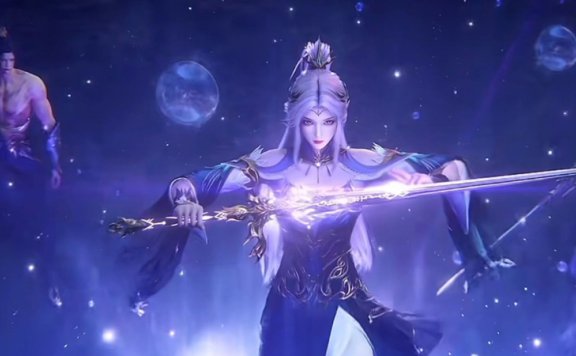
The year 2026 is set to be a landmark moment for animation fans, particularly those who have followed the expansive journey through Tian Can Tu Dou's (天蚕土豆) literary universe. On January 9th, the saga reaches its next pivotal chapter with the premiere of The Great Ruler 2 (大主宰2). This series represents more than just a continuation; it is the grand convergence of a decade-spanning narrative. The story follows young Mu Chen (牧尘) from the Northern Spirit Realm, whose ambition to reach the apex of power is about to intersect with the paths of two established legends. For audiences, this launch promises the thrilling culmination of interconnected stories, where the past and future of an entire fictional cosmos collide. The Announcement Heard Across Realms The official confirmation sent waves of excitement through fan communities. As the final piece of the author's celebrated trilogy, which includes Battle Through the Heavens (斗破苍穹) and Martial Universe (武动乾坤), this installment carries immense weight. The original writer's personal endorsement underscores the project's significance. Mu Chen's return is not a solitary event. He steps onto a stage prepared by the deeds of previous heroes. The vast and intricate Da Qian World (大千世界) unfurls before him, a setting… -
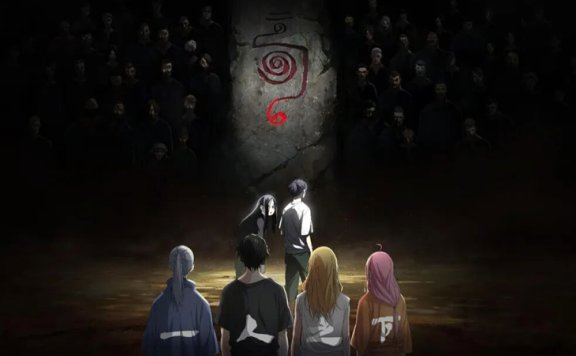
The Outcast 6 Sets Premiere for January 2nd, 2026
The long-awaited sixth season of the acclaimed animated series The Outcast (一人之下) has finally set its premiere for January 2, 2026. Following the emotionally devastating and technically masterful arcs of the "Chen Duo" and "Rust" storylines, expectations are at an all-time high. The narrative now plunges into its most mysterious and potentially revelatory location yet: the Twenty-Four Solar Terms Valley. Deep within the Qinling Mountains (秦岭), this place is whispered to hold the origins of everything—the Eight Extraordinary Skills, the turmoil of the Jiashen Year (甲申之乱), and, most crucially, the ultimate truth about Bao'er's (宝儿) existence. For protagonist Zhang Chulan (张楚岚), this is no longer a mere search for clues; it is a direct journey to the root of the Yiren (异人) world's greatest secrets. The Heart of the Mystery Zhang Chulan's mission has evolved. After the tragedy of Biyou Village (碧游村), his piecemeal investigation is over. Armed with a list of the "Thirty-Six Villains" from Lu Jin (陆瑾), he leads his "Where-to-Go" team into the Qinling depths. Their destination is not a faction's stronghold but a place described as the "womb" of the Yiren world's history and rules. The valley itself is a massive, natural Qi (气) formation, operating… -
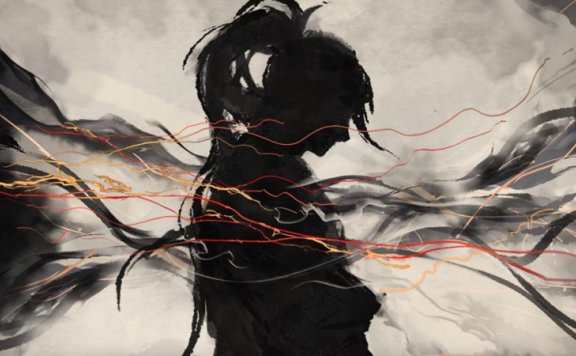
Top 5 Chinese Animations Scheduled for Release in 2026
The landscape of entertainment is shifting, with animated series from China commanding unprecedented global attention. No longer niche productions, these shows boast cinematic quality, intricate plots, and deep roots in a rich cultural tapestry. The coming year promises a spectacular lineup, with five major series poised to debut or return. They blend the philosophical depth of Wuxia with futuristic sci-fi and timeless fantasy, offering stories of self-discovery, epic battles, and unraveling ancient mysteries. This isn't just animation; it's a gateway to expansive fictional worlds waiting to be explored. From a long-awaited sequel to a classic game adaptation, 2026 is set to be a landmark year for fans and newcomers alike. 1. Sword of Coming 2 (剑来2) The wait is over for fans of Sword of Coming. Its second season arrives, promising to correct the narrative complexity that some found daunting in its initial outing. The story follows Chen Pingan (陈平安), who has finally left the sheltered confines of Liyuzhu Dongtian (骊珠洞天). No longer the vulnerable boy from Mud Bottle Alley, he embarks on the true journey of a swordsman. This season shifts focus towards thrilling action and clear, linear storytelling. Audiences can anticipate iconic scenes from the source material brought… -
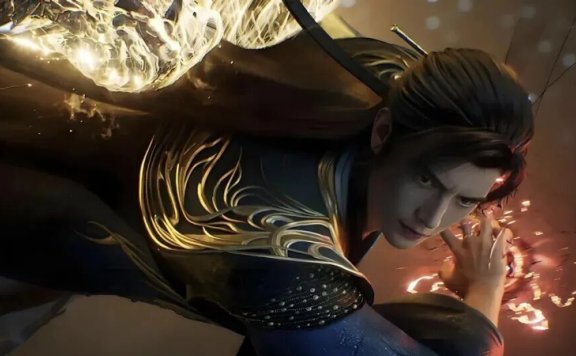
What’s Next for A Mortal's Journey to Immortality in 2026
How does a cultivation anime prepare for its most epic battle yet? The finale of A Mortal's Journey (凡人修仙传) left fans in awe and anticipation. In a climactic showdown within the Cangkun (苍坤) ruins, Han Li (韩立) achieved what once seemed impossible for his character: he not only faced a Core Formation expert head-on but emerged victorious, securing crucial treasures and dealing a severe blow to his arch-rival, Wang Chan. This explosive episode, trending across social platforms, served as both a high point and a season curtain call. During a New Year's Eve special, director Wang Yuren (王裕仁) directly addressed the massive fanbase, promising that the beloved series would return soon and hinting at monumental developments ahead. The upcoming 2026 season is poised to catapult the story into its most ambitious phase yet. Two Pillars of War Director Wang Yuren confirmed that the 2026 narrative will rest on two foundational arcs. The first is the long-anticipated large-scale conflict between the Tiannan (天南) region and the vast Mulan (慕兰) Grasslands. This "Border War" promises to be an unprecedented spectacle in the series, involving multiple factions and dozens of Core Formation cultivators in chaotic, large-scale warfare. It is a decisive battle that… -
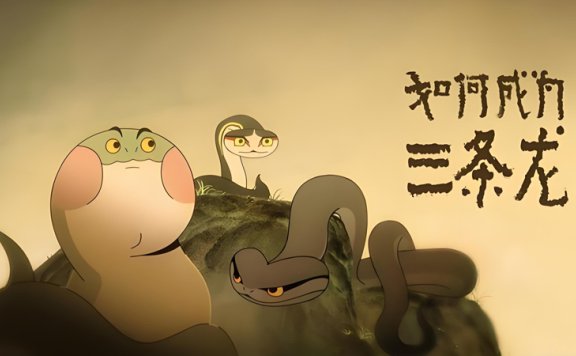
Yao-Chinese Folktales 2: How to Become Three Dragons
The first day of 2026 brought a new episode of the animated anthology Yao-Chinese Folktales 2 (中国奇谭2). Like many, I had enjoyed the first season, yet its stories faded from memory too quickly. This time, I decided to do more than just watch. The tale of the three snakes presented a simple fable, but one that clung to the mind long after the screen went dark. It asks a profound question: what defines a dragon? Is it the celestial mandate, the horns and the majesty, or is it something earned through grit and sacrifice on the dusty earth? This story, set against a drought-stricken village and a forbidding mountain, offers a quiet, powerful answer. A Hopeless Quest The three brothers—a pragmatic leader, a chatty second, and a simple, kind-hearted third—begin their journey with a clear, almost naive goal. They are not mighty. They are small snakes surviving on stolen offerings from villagers praying to the Dragon King for rain. The eldest understands a cruel truth: people worship power that solves problems. Their reverence for the Dragon King stems not from love, but from a desperate need for his rain. So, the snakes embark on a pilgrimage to learn this divine…
