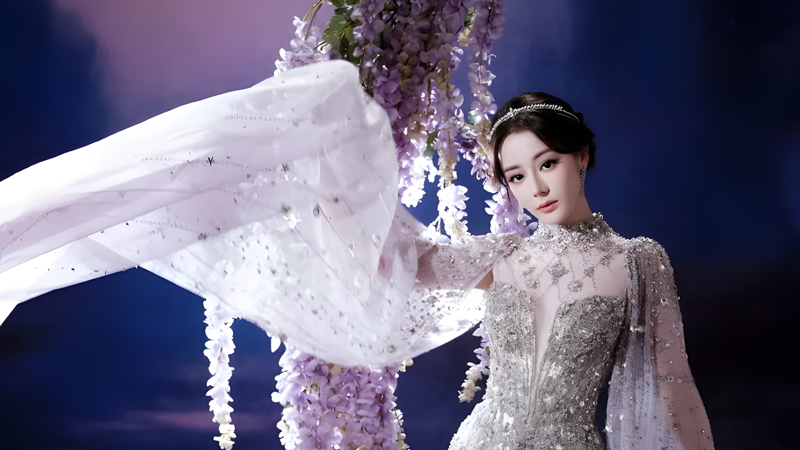
The internet stopped scrolling. Photographs of actress Dilraba at a recent event did not merely showcase another beautiful celebrity in another beautiful dress. They presented a vision. Swathed in a cascade of lavender and silver, she seemed less a star on a red carpet and more a character stepped from the pages of a fantasy novel. This was not just fashion; it was a moment of collective enchantment.
The gown, with its ethereal silhouette and celestial detailing, transcended typical glamour, sparking a widespread conversation about beauty, storytelling, and the potent allure of dreamlike aesthetics in our contemporary world.
A Gown Woven from Dreams
The power of the look lay in a meticulous fusion of design and texture. A gradient of pale lilac to soft violet in layered tulle created an immediate impression of otherworldliness. This delicate base was then meticulously embroidered with a galaxy of minute silver sequins and crystals. Under the lights, they did not simply sparkle; they emitted a subtle, shimmering glow, as if the fabric itself was woven from captured starlight. The dress seemed to hold an inner luminescence.
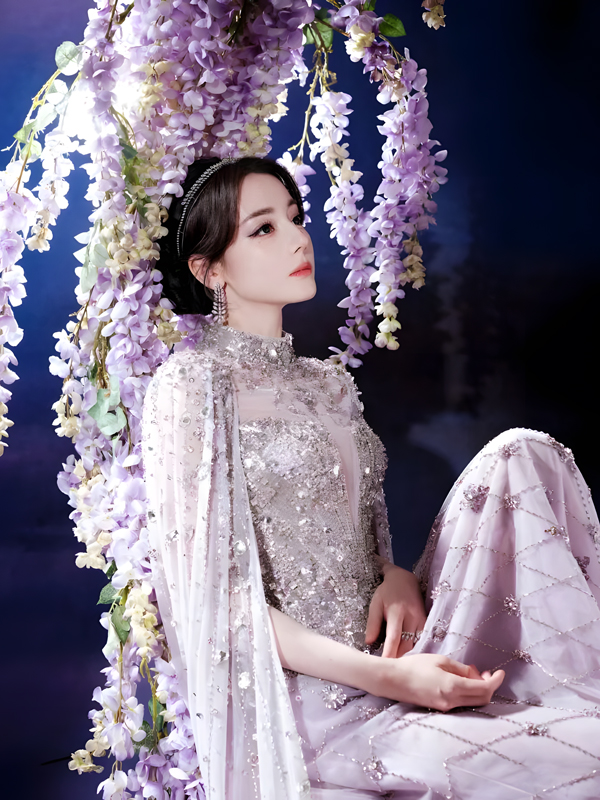
Its structure balanced boldness with grace. A deep V-neckline framed her collarbones elegantly, while a sharply defined waist accentuated her silhouette. The true masterstroke, however, was in the sleeves and train. High, transparent tulle sleeves billowed into wide, flowing cuffs. With every slight movement, these sleeves floated around her, creating a sense of weightless motion reminiscent of swirling mist or trailing moonlight. The dramatic sweep of the train added a regal gravity, transforming her walk into a procession.
The final touches completed the narrative. A delicate diamond tiara nestled in her hair, echoing the dress’s sparkle without competing with it. Against a backdrop of faux wisteria blooms, the entire scene was meticulously curated. The purple flowers mirrored the gown’s hue, placing her within a cohesive, painterly fantasy. Every element, from the hairpiece to the backdrop, worked in concert to support the central idea: a moonlit princess in an enchanted garden.
The Internet's Collective Gasp
Reaction across social media platforms was instantaneous and visceral. Comments sections flooded with admirers expressing awe in hyperbolic, heartfelt terms. "This isn't a human being; this is a fairy tale protagonist made flesh!" wrote one fan. Another stated, "She has merged royal elegance with pure fantasy. This is the definitive image of a modern fairy." The public's response was one of unified delight.
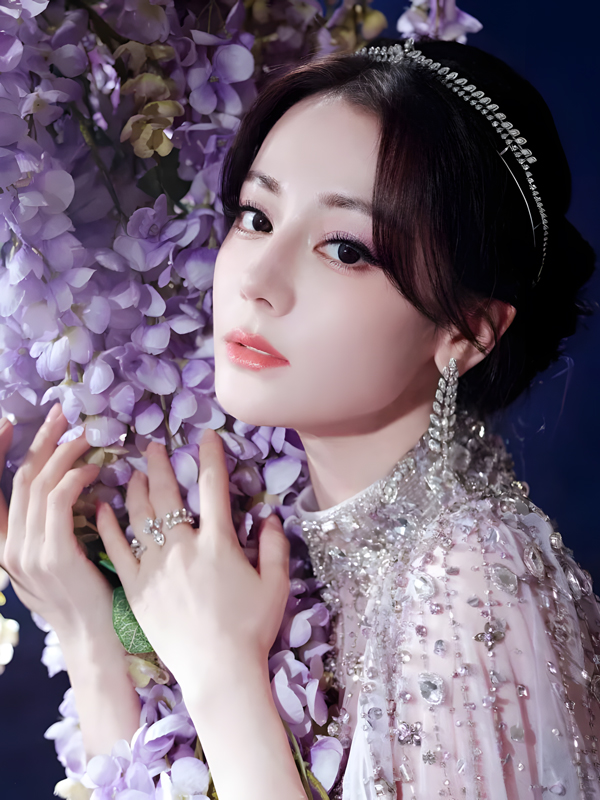
Fashion commentators and stylists were equally impressed, dissecting the look's technical excellence. They praised the harmonious color story, the precision of the cut that flattered her form, and the intelligent accessorizing that enhanced rather than overwhelmed. The consensus was that this was a case study in successful high-fashion styling, where the clothing and the individual became a singular, powerful statement.
Beyond the aesthetics, fans expressed pride in her evolution. They noted how she has matured from a fresh-faced ingenue into a confident fashion force, capable of imbuing each outfit with distinct character. This particular gown was seen as a pinnacle—a perfect alignment of garment, wearer, and moment. She did not just wear the dress; she performed it, lending it a soul and a backstory with her poised demeanor.
Why This Moment Resonates
The profound connection this image forged points to broader cultural currents. In an era defined by digital noise, relentless news cycles, and daily pressures, there is a growing hunger for visual escapes. Audiences crave beauty that transports them, however briefly, to a more magical and serene plane. Dilraba’s lavender gown served as a perfect vessel for this yearning.
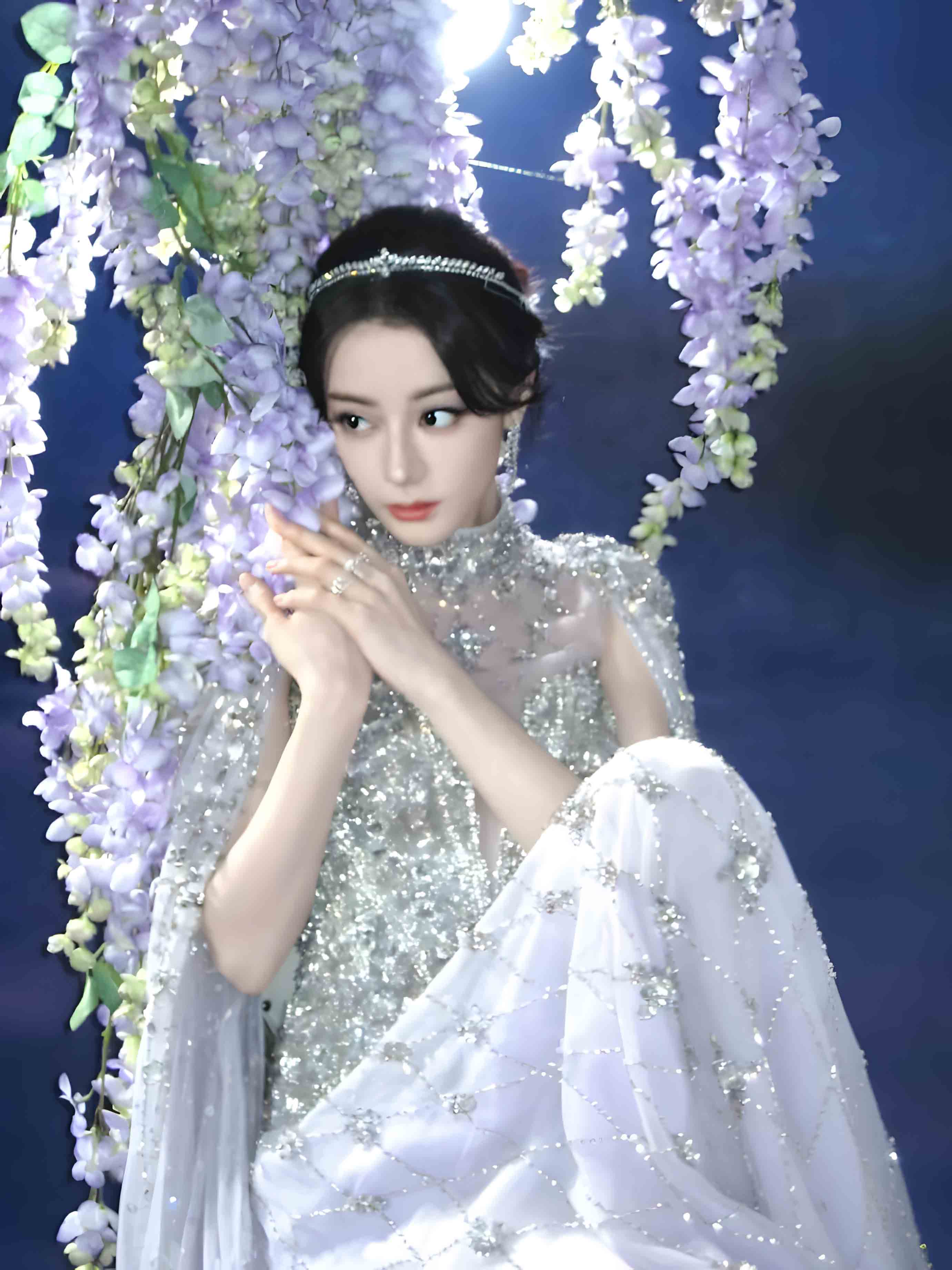
It tapped into a universal nostalgia for childhood stories and the uncomplicated wonder they contain. The look was not about streetwear or minimalist chic; it was unabashedly romantic and fantastical. In embracing this, it offered a form of visual respite. People were not just admiring a pretty dress; they were participating in a shared daydream.
Ultimately, the significance of such a fashion moment lies in its emotional payload. It proves that clothing can be more than fabric. In the right context, worn by the right person, it becomes a conduit for narrative and emotion. This spectacle provided a burst of pure, undiluted pleasure—a reminder of the joy that sheer, imaginative beauty can ignite. In a pragmatic world, that reminder is a powerful and welcome gift.