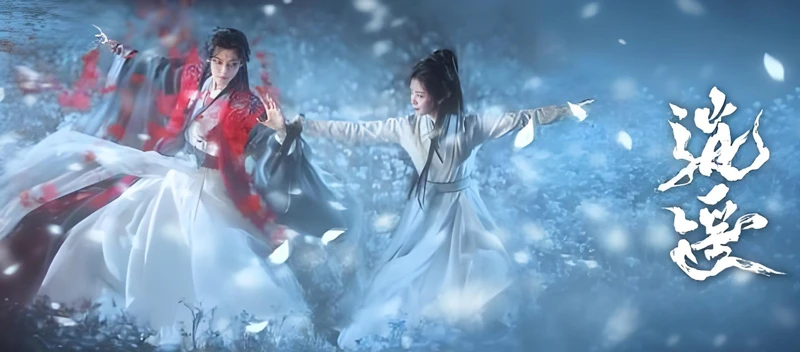
Why would a distant emperor mobilize his elite guard for an unloved daughter? The plot twist in the drama The Unclouded Soul (逍遥) where the ruler orders the expansion of the Feiyu Guard (飞羽卫) to rescue Princess Ning’an (宁安) from the demon king Hong Ye (红烨) is not an act of sudden paternal love. It is a cold, calculated move in the complex game of imperial power. To understand this, one must look past the surface of a father saving his child and examine the machinery of statecraft, public perception, and personal legacy that drives a monarch’s decisions.
A Father’s Performance
The emperor is first and foremost a symbol. His every action is staged for an audience comprising his court, his people, and history itself. Princess Ning’an, though personally neglected, remains a member of the imperial family. Her very public abduction by a demon is not a private family matter; it is a national spectacle. To appear indifferent would shatter the carefully maintained image of the ruler as the patriarchal head of a vast family. By launching a dramatic rescue, he performs the role of the devoted father, using grand action to overwrite years of quiet disregard. This performance tells his subjects: see how I value my own blood. If I would do this for my daughter, imagine what I would do for you, my loyal children.
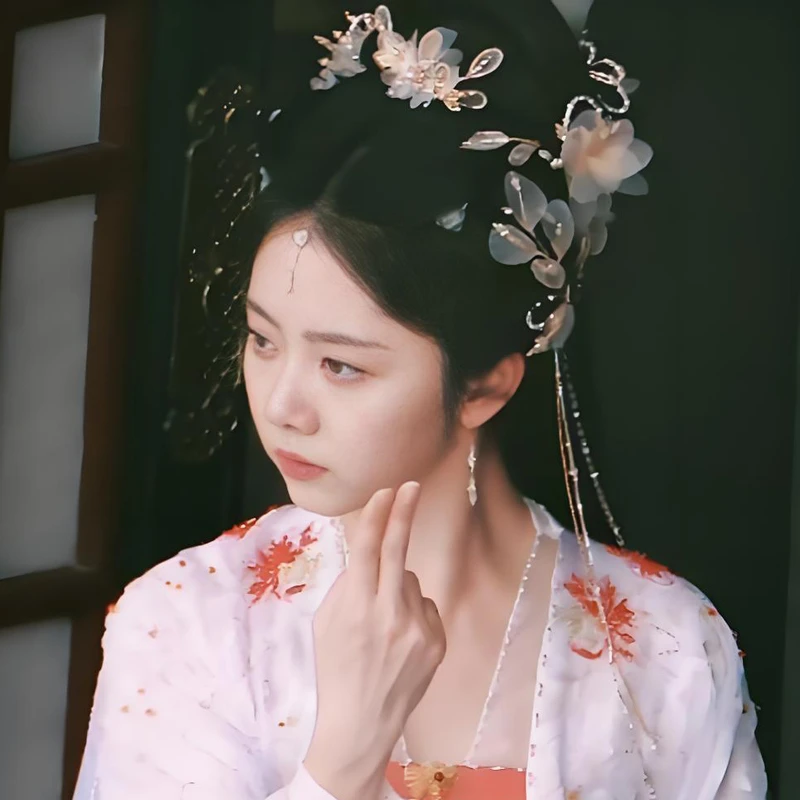
This logic extends beyond the palace walls. A leader’s credibility hinges on perceived consistency. A king who abandons his own flesh and blood cannot be trusted to protect his citizens. The rescue operation is less about Ning’an and more about reinforcing a foundational myth of benevolent authority. It is an investment in political capital. The message is clear: the throne protects what is its own, and by extension, it protects the realm. The emotional resonance of a father saving his daughter, however fabricated, is a powerful tool for unifying sentiment and demanding loyalty.
In modern terms, it is reputation management on a royal scale. The emperor engages in strategic empathy, a public relations move designed to control the narrative and solidify his standing. The actual feelings between father and daughter are irrelevant to the performance. What matters is the story told to the world—a story of sacrifice, strength, and paternal duty that strengthens his mandate to rule.
The Weight of Pride
Pride, particularly the pride of the most powerful man in the kingdom, is a formidable force. The emperor may treat Princess Ning’an with indifference, but she remains his property—a symbol of his lineage and authority. His right to ignore or discipline her is an extension of his power. However, when an external force like the demon king Hong Ye seizes her, it transforms from an internal family issue into an external insult. The act of abduction is a direct challenge to imperial authority, a slap to the face of the dragon throne.
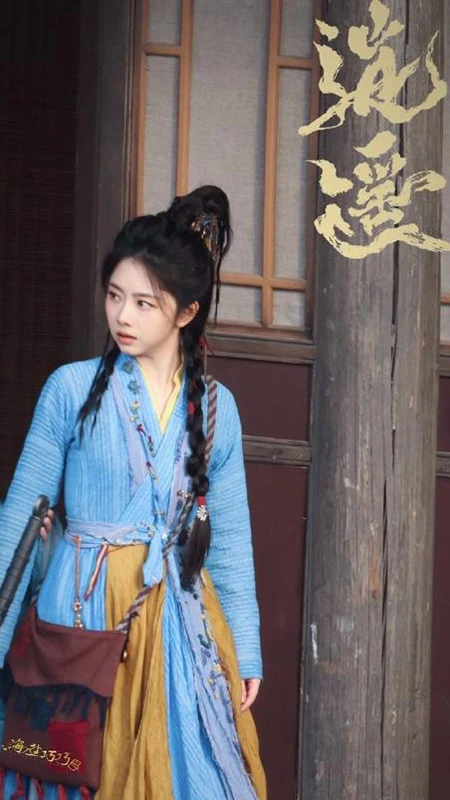
This is why the emperor hesitates only momentarily. The proposal from Commander Wang Hong (汪宏) to expand the Feiyu Guard is expensive and escalates a conflict. The emperor’s initial question—“You lose my princess, and now you want more men and funds?”—reveals a cost-benefit calculation. But the cost of inaction, the cost of perceived weakness, is ultimately higher. Allowing a demon to humiliate the imperial house without a devastating response would make the throne appear vulnerable. It would invite further challenges.
Thus, the rescue mission becomes a matter of restoring face. It is a declaration that the empire’s dignity is non-negotiable. The target is not really Ning’an’s safety, but the restoration of a perceived cosmic order where no being, human or demon, can transgress against the emperor without facing overwhelming retribution. The unloved princess becomes, ironically, the perfect catalyst for a show of overwhelming force that serves to intimidate all potential rivals.
A Legacy of Action
Finally, the crisis presents a golden opportunity for legacy-building. Public sentiment in the world of The Unclouded Soul is starkly anti-demon. The nuanced reality that some demons, like Hong Ye, might be complex beings is drowned out by popular fear and prejudice. “Eradicate all demons” is a simple, politically safe, and widely supported stance. By authorizing a massive campaign under the banner of rescuing the princess, the emperor aligns himself with this powerful populist sentiment.
He is not just saving a daughter; he is championing the people’s deepest fear and transforming it into a national crusade. The expanded Feiyu Guard’s mission subtly shifts from “retrieve Ning’an” to “clear the demon nests.” Success would achieve two things: it would cement his reputation as a decisive leader who protects humanity, and it would create a tangible, military-focused achievement for his reign. History would remember him as the emperor who stood firm against the demonic threat.
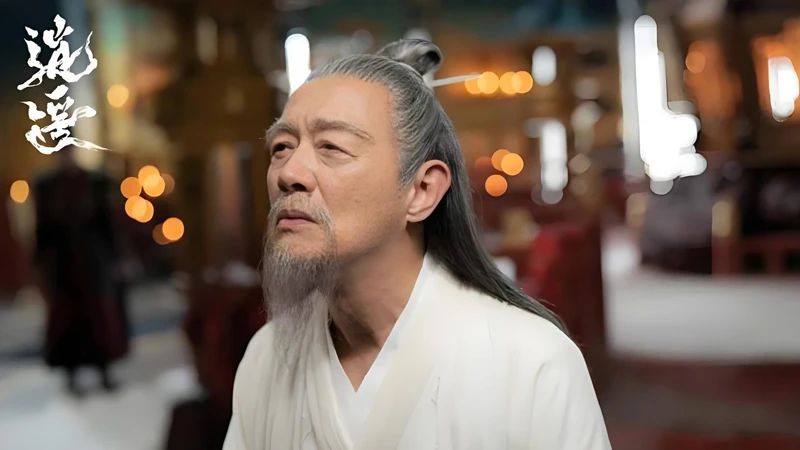
The potential downside—that such aggression could push peaceful demons into open war—is either ignored or secretly welcomed. A full-scale conflict would only vindicate the initial hardline policy and justify even greater military expansion and control. The princess’s rescue is the acceptable public pretext for a broader, politically advantageous campaign. Her value lies in being a cause, not a person.
In the end, the emperor’s decree has little to do with Ning’an. It is a triple-pronged strategy to bolster his image as a benevolent patriarch, assert his unassailable pride, and carve a legacy of decisive strength. He promotes Wang Hong and unleashes the Feiyu Guard to achieve these imperial objectives. The final, almost casual instruction to “bring back the princess” is merely the obligatory footnote to a decree that was always about power, not kinship. The drama masterfully exposes how the heart of an empire often beats not with blood, but with cold, calculating ambition.