Think ancient Chinese beverage culture was limited to plain tea and hot water? Think again. From the bustling markets of Bianjing (汴京) to the imperial palaces of Chang’an, a vibrant and sophisticated world of drinks flourished. This was a world where refreshment met medicine, where social status was sipped from a cup, and where creativity flowed as freely as the drinks themselves. Our modern obsession with functional beverages, artisanal infusions, and novel flavors finds a profound and surprising echo in the past.
Drinks as Medicine
Long before modern energy shots, ancient Chinese sought vitality in their cups. The concept of “food as medicine” was deeply ingrained. During the Yuan Dynasty, a drink called “Li Mu Thirst Water” (里木渴水) was a staple at Mongol aristocratic feasts. This early functional beverage, made from lemon juice, honey, and spices, was prized not just for its tart sweetness but for its ability to prevent scurvy on long campaigns.
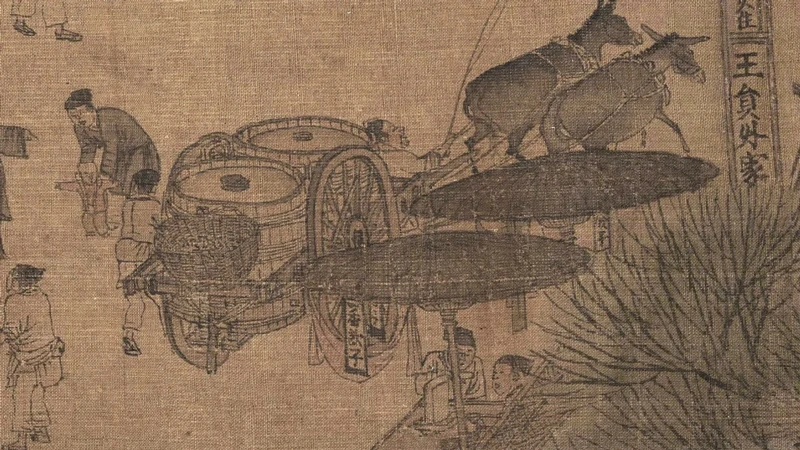
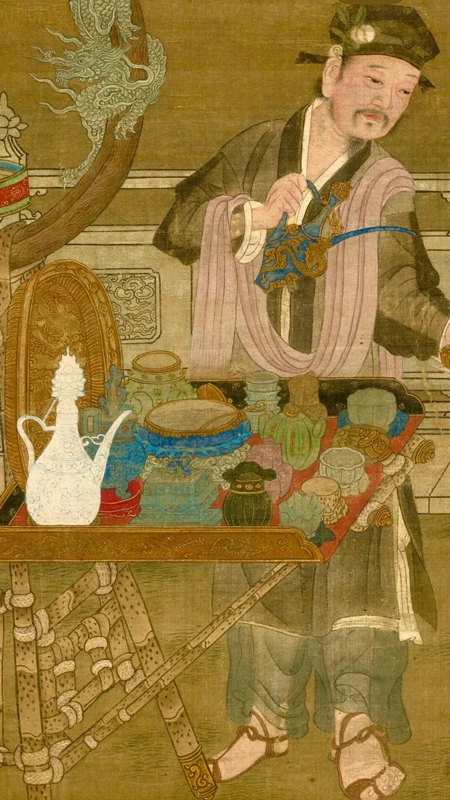
The Song Dynasty saw the rise of “Shu Shui” (熟水), a prototype of the modern herbal tea bag. Poet Li Qingzhao (李清照) famously crafted her own white cardamom variety in her later years for its digestive benefits. Scenes from the famed painting Serenade of Peaceful Joy (清明上河图密码) depict ubiquitous stalls selling “Xiang Yinzi” (香饮子), which were essentially various herbal “Shu Shui” blends tailored for different health purposes.
These were not mere thirst-quenchers but calculated elixirs. The choice of ingredient—lemon for vitamin C, cardamom for warmth and digestion—reflected a sophisticated understanding of botany and the human body, turning the simple act of drinking into a daily health ritual.
Creative Concoctions
Without artificial carbonation, ancient brewers and juice-makers turned to nature’s bounty for flavor. In the cosmopolitan Tang Dynasty capital, “Zhe Jiang” (蔗浆), or chilled sugarcane juice, was the ultimate luxury drink. It was celebrated in poetry and prescribed in medical texts for its cooling properties. A cup after a rich meal was as customary as dessert is today.
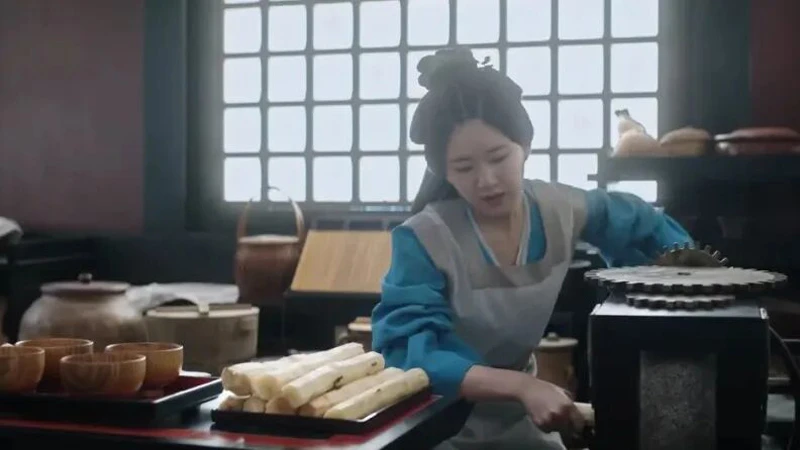
Fruit wines also showcased innovation. Yuan Dynasty artisans experimented with fermentation, creating a mildly alcoholic, tangy pineapple wine by blending the tropical fruit with grain liquor. This novel drink quickly became a fashionable choice for social gatherings. Even the beloved modern milk tea has ancient roots. Tang Dynasty Su Cha (酥茶), a savory blend of tea, milk solids, and salt, emerged from the fusion of nomadic and agrarian cultures.
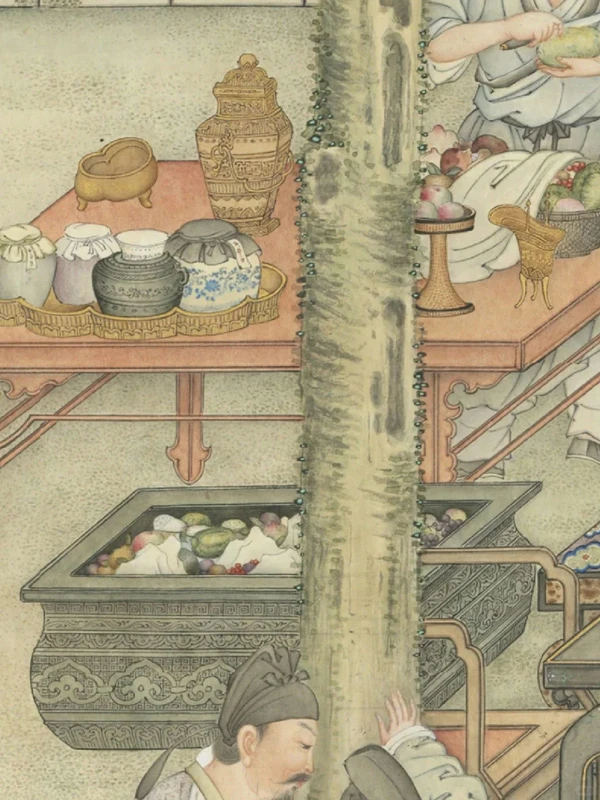
The quest for cold drinks led to brilliant solutions. Using ice-cellars and devices like the Jian Bing (冰鉴), an ancient refrigeration unit, people enjoyed chilled wines. They even crafted primitive “ice cream” called “Bing Lao” (冰酪) from a mixture of goat’s milk, flour, and ice, a treat praised in verse for its exquisite, creamy texture.
A Sip of Status and Culture
What one drank spoke volumes about one’s place in society. For the common Han Dynasty household, the everyday drink was “Jiang” (浆), a slightly sour, fermented rice water. Its importance was such that a discontented scholar in the Records of the Grand Historian lamented its absence alongside the lack of fish and a carriage.
For the elite, beverages were cultural symbols. During the Wei and Jin periods, scholars like Liu Ling (刘伶) turned drinking into a performance of philosophical rebellion. His Ode to the Virtue of Wine (酒德颂) captures the unrestrained ethos of the time, where alcohol was a conduit for expressing freedom and transcending worldly concerns.
From the functional brews of the scholar to the luxurious fruit infusions of the court and the humble staples of the commoner, ancient Chinese beverages were deeply woven into the social fabric. They were tools for health, mediums for creativity, and markers of identity. This rich history reminds us that our search for the perfect, meaningful drink is a very ancient, and very human, tradition.