Article
Search results:
-
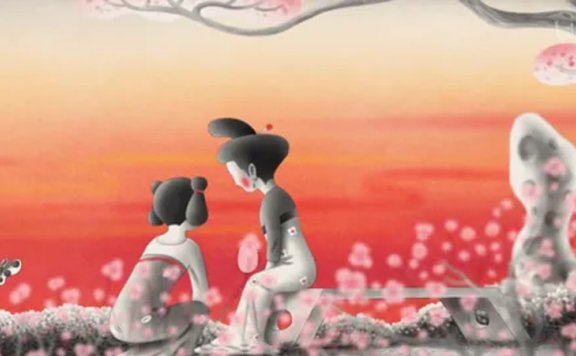
A Deep Dive into Yao-Chinese Folktales 2’s Ear Dweller
The second episode of the animated anthology Yao-Chinese Folktales 2 (中国奇谭2) , titled "Ear Dweller (耳中人)," presents a puzzle. It is not a straightforward narrative but a dense, visual poem about desire. While its sibling episode "How to Be Three Dragons" deals with communal aspiration, this story turns inward. It asks what happens when a lonely heart fixates on an impossible fantasy. The tale is an adaptation, yet it boldly reimagines its source to probe the darker corners of longing. At its core, it is a portrait of obsession—how it begins as a whisper and grows into a scream that drowns out the real world. A Seed from Strange Tales The story finds its roots in Strange Tales from a Chinese Studio (聊斋志异). The original is brief: a scholar named Tan Jinxuan (谭晋玄), obsessed with Daoyin (导引) breathing exercises, hears a tiny person speaking in his ear. He coaxes it out, only for a neighbor’s interruption to scare it away. The scholar then falls into madness. This classical tale serves as a clear warning against excessive fixation, or what Buddhism calls Wo Zhi (我执), the attachment to self. The animated version takes this seed and plants it in richer, more… -
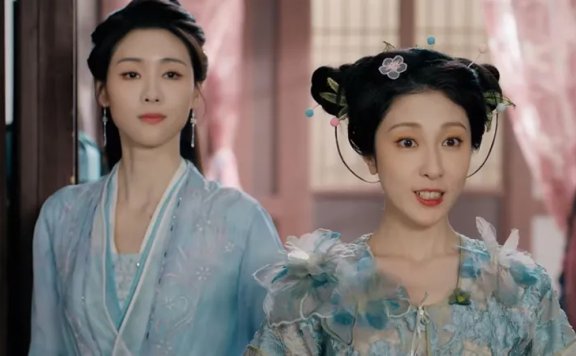
Why Dali Betrayed Xiao Yao in The Unclouded Soul
The fantasy drama The Unclouded Soul (逍遥) presents a betrayal that left many viewers reeling. When Dali (大丽), seemingly a loyal companion, turns against the protagonist Xiao Yao in the mysterious Yanxu Realm (烟虚境), the immediate assumption points to a classic temptation: the promise of eternal youth from the powerful Dreamshatter Immortal. Yet, a closer look reveals a far more nuanced and tragic psychological unraveling. Dali's shift from a timid flower spirit to a spiteful rival wasn't a simple transaction for beauty, but a calculated exploitation of her deepest insecurities. This story arc moves beyond a plot twist to explore how the hunger for recognition can make a soul susceptible to the most venomous forms of persuasion. The Unlikely Alliance From Xiao Yao's (肖瑶) perspective, the journey to the Yanxu Realm was a desperate rescue mission for their mutual friend, Hong Ye (红烨). Dali's companionship appeared as steadfast solidarity, a friend sharing a perilous burden. This made her subsequent hostility in the realm not just shocking, but personally devastating for Xiao Yao. The truth, however, was that Dali's motives were never aligned with this mission. Her desire to enter the Yanxu Realm was entirely her own, and evidence suggests she… -
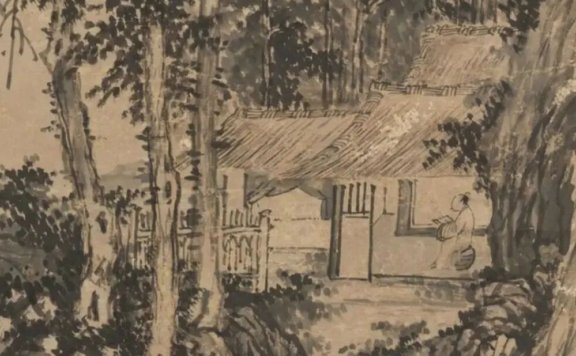
What Did Ancient Chinese Read for Fun?
In our digital age, entertainment and casual knowledge are a tap away. For ancient Chinese, leisure reading served a similar purpose: an escape, an education, and a window into worlds beyond one's own. Far from dry classical texts, a vibrant genre of writings existed purely for pleasure and personal enrichment. These works, the "extra-curricular reading" of their day, revealed the humor, curiosity, and sophisticated tastes of people from the Song Dynasty to the Qing Dynasty. They were guidebooks to living well, catalogs of wonder, and repositories of everyday joy, proving that the human desire for engaging diversion is truly timeless. Guides to the Good Life For a Song Dynasty citizen dreaming of the capital's splendor or a Ming scholar curating his studio, specialized manuals offered a path to a richer experience. Dongjing Meng Hua Lu (东京梦华录) was less a history and more a phenomenal guidebook. Written by a nostalgic scholar, it meticulously cataloged the sights, sounds, and smells of the lost capital, Bianliang (汴梁, present-day Kaifeng). It detailed bustling markets, renowned restaurants with price guides, and vibrant festival scenes, offering readers an immersive, textual tour of urban excitement they might never witness firsthand. Centuries later, the Ming Dynasty scholar Wen… -
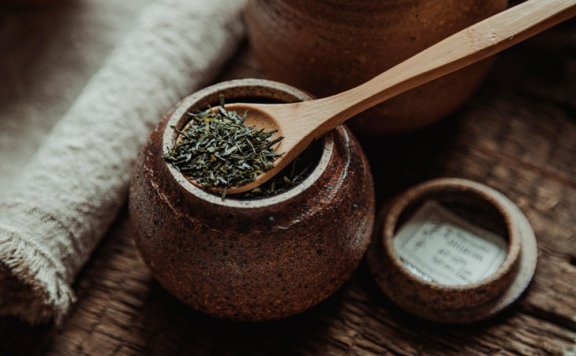
The Cultural Soul of Chinese Tea
What did an ancient cup of tea truly hold within its delicate steam? Far more than leaves and water, it contained mountains, seasons, and a quiet philosophy of living. For centuries in China, the practice of tea evolved from simple consumption into a profound cultural ritual, a medium through which people connected with nature, art, and their inner selves. This was not merely a drink, but a deliberate and artistic engagement with the world. Tea as Nature's Mirror Every step of tea preparation began with reverence for the natural world. The character of a tea leaf was believed to be shaped by its origin—the intensity of sunlight, the mist clinging to mountain slopes, and the precise rainfall. Lu Yu (陆羽), the celebrated Tea Sage of the Tang Dynasty, codified this connection in his classic work, The Classic of Tea (茶寮记). He categorized water for brewing into three grades, with mountain spring water considered supreme for unlocking a tea's authentic essence. This pursuit of natural harmony extended to the setting. Scholars of the Ming Dynasty, like Lu Shusheng (陆树声), listed twelve ideal environments for drinking tea, including a quiet studio, under pine trees, or by a bamboo-lit moon. The goal was… -
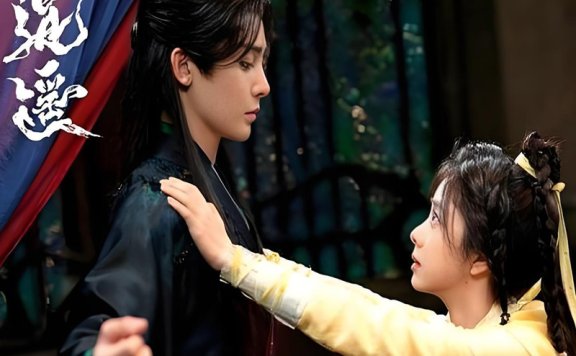
Tan Songyun’s Mastery of Duality Steals the Show
The new Xianxia drama The Unclouded Soul (逍遥), starring Tan Songyun (谭松韵) and Hou Minghao (侯明昊), dominated streaming charts immediately after its release. At the heart of the conversation is its leading actress. Tan Songyun, 35, plays a youthful, mischievous character with such effortless conviction that viewers are left in awe. Online comments joke that she seems to defy time, looking exactly as she did when audiences first met her years ago. This isn't merely about a youthful appearance, however. It is the product of profound skill, where seasoned acting technique meets an authentic, spirited presence. Her performance challenges rigid industry norms about age and casting, proving that compelling character portrayal transcends a number. Mastering Duality In The Unclouded Soul, Tan Songyun takes on the challenge of a dual role. Her primary character is the carefree, money-obsessed The Unclouded Soul, who poses as a demon hunter to run petty scams. In these comic scenes, she is all sly glances and exaggerated bravado, completely believable as a street-smart hustler. When a scheme fails, she shifts seamlessly into the persona of a furious, finger-pointing village woman, her frustration palpable and hilarious. This greedy, self-serving facade, however, is just one layer. Beneath this… -
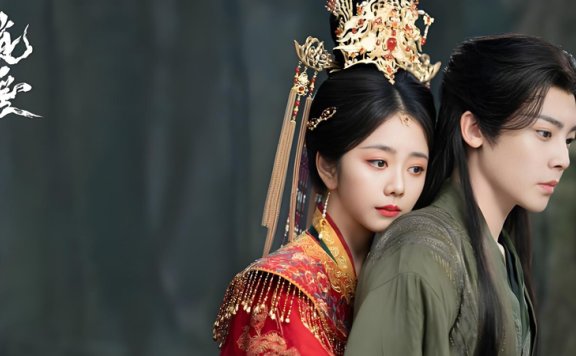
Love Beyond Memory in The Unclouded Soul
In the fantasy drama The Unclouded Soul (逍遥), a profound question unfolds: can a connection survive when one person remembers a shared past and the other does not? The story centers on Hong Ye (红烨), the King of Ten Thousand Demons, and Xiao Yao (肖瑶), a lively human girl. Unbeknownst to her, she is the reincarnation of Princess Ning'an (宁安), a figure from Hong Ye's past who betrayed him. Despite Xiao Yao having no memory of their previous life together, Hong Ye senses a familiar essence. This setup moves beyond a simple tale of reincarnation, exploring whether the core of a person—their soul—remains recognizable, even when their mind forgets . Their journey suggests that some bonds are so deep they are written in fate itself, waiting to be rediscovered. A Bond Written in Fate The relationship between Hong Ye and Xiao Yao is built on a painful history. A century ago, Hong Ye was deeply in love with Princess Ning'an. Their story ended in tragedy when she betrayed and seemingly killed him during their wedding ceremony . This memory of love and loss haunts Hong Ye when he is awakened from a long sleep by Xiao Yao, a human who… -
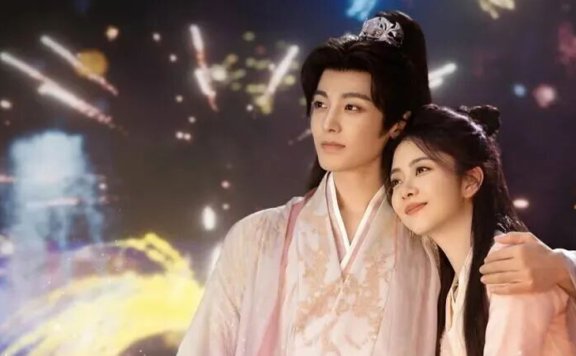
Laughter and Tension in The Unclouded Soul
In the fantasy drama The Unclouded Soul (逍遥), the line between comedy and impending doom is thrillingly thin. The story follows Xiao Yao (肖瑶), a spirited young woman accidentally thrust into the ancient conflict between humans and the Yaoguai (妖怪, mystical beings of folklore), mystical beings of folklore. Her unlikely ally is the formidable Yaoguai leader, Hong Ye (红烨). Their dynamic, filled with bickering and unexpected warmth, becomes the show's heart. The recent episode set in Pingjiang Fu (平江府) highlights this perfectly, blending slapstick humor with serious questions about prejudice and survival, all anchored by Tan Songyun's brilliantly witty performance as Xiao Yao. Xiao Yao's Charm Tan Songyun brings an infectious energy to Xiao Yao. She is not a typical heroine; she is quick-witted, stubbornly principled against injustice, and uses her human cunning as her primary weapon. Falsely accused of being a spy within the Yaoguai refuge, her response isn't despair but defiant action. To prove her loyalty, she volunteers for a near-impossible mission: stealing the enchanted blade of the chief demon hunter, Bing Zhu (秉烛). Her motivation is pure and relatable—she hates being wronged. This clear-eyed determination makes her immensely likable. She isn't waiting for rescue; she is orchestrating… -
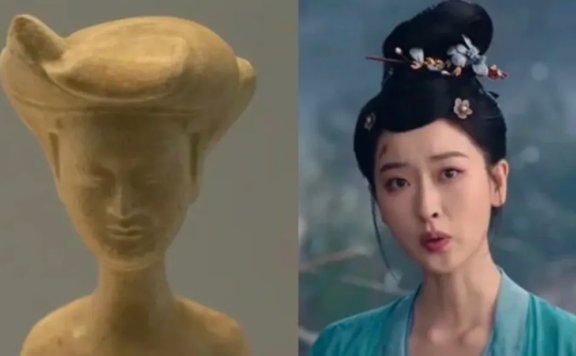
Has Strange Chronicles of Tang Uncovered a Lost Fashion Trend?
In the historical drama Strange Chronicles of Tang (唐诡奇谭), the entrance of the rain-praying master, Rachel, immediately captivates the audience. Her unique hairstyle and layered costume stand in stark contrast to the other characters, prompting viewers to question its authenticity. Could this striking look truly belong to the Tang Dynasty? The answer is a definitive yes. Her appearance is a meticulous recreation of early Tang fashion, specifically from the 7th century, centered around two distinct elements: a practical yet elegant hairstyle and an innovative garment that redefined the silhouette. The Whirlwind Chignon The hairstyle worn by the character is known as the Reverse Coiled Chignon, or Fanwan Ji (反绾髻). Its most defining feature is a curved lock of hair framing the forehead, created by coiling the hair from the nape of the neck forward. This was a popular style in early Tang, particularly during the reign of Emperor Taizong. It was also poetically called the Leyou (乐游) Plateau Reverse Coiled Chignon, named after the scenic Leyou Plateau in Chang'an. This elevated park was a favorite leisure spot for nobility and literati, and the hairstyle's name evokes its association with outdoor activity and effortless grace. Poet Gu Kuang (顾况) captured its… -
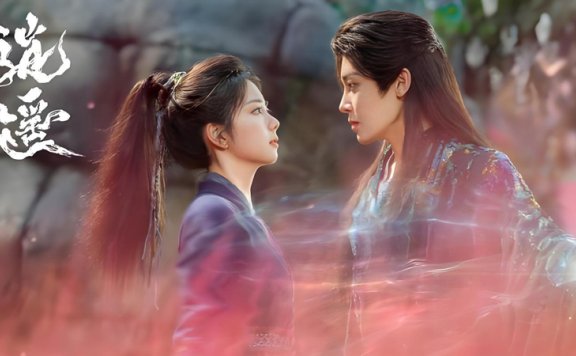
The Unclouded Soul: Blending Fantasy Realms and Human Truths
In the drama The Unclouded Soul (逍遥), a boundary between realms is shattered by a single, unwitting act. Xiao Yao (肖瑶), a young woman touched by the supernatural, accidentally awakens an ancient force and finds herself pulled into the Yaojia (妖家), a domain belonging to beings often called demons. This is not a simple refuge but a complex society mirroring our own, where she must navigate delicate alliances. Her journey questions the very lines drawn between human and Xiyao (戏妖), challenging the idea that one world must exclude the other. The series distinguishes itself by weaving self-contained mysteries into its core fantasy narrative. Each case is more than an adventure; it reflects a facet of desire, fear, or longing, building a tapestry that feels both magical and emotionally raw. This structure allows the show to examine deeper truths while maintaining a compelling pace, moving the fantasy genre toward richer, more contemplative storytelling. Wanyaogu and the Human Realm In a landscape where narratives often choose between the whimsical and the weighty, a new story finds its power in refusing that choice. It builds a bridge between two realms—one a sanctuary of animated wonder, the other a testament to human struggle—and dares… -
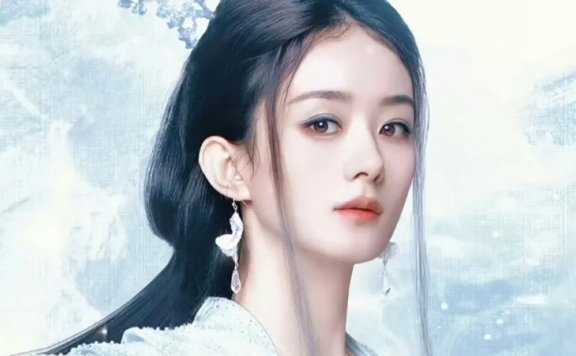
Zhao Liying’s New Hair: A Shen Li Throwback
A newly released teaser for the costume drama The Unclouded Soul (逍遥) features a special appearance by actress Zhao Liying (赵丽颖). Her latest look, which includes two delicate strands of hair framing her face, has immediately captivated fans and sparked a wave of online discussion. Many have noted that this specific style feels like a direct callback to the ethereal appearance of Shen Li (沈璃), the character she portrayed in the popular Xianxia drama The Legend of Shen Li (与凤行). This hairstyle, often humorously dubbed "catfish whiskers" by modern audiences, seems to have become a signature element for her period roles, blurring the lines between different characters and evoking a strong sense of nostalgic charm. A Hairdo with History The hairstyle in question is far from a modern invention. Its roots can be traced back to the Han and Jin dynasties, particularly after the Eastern Han period. Historically, these two hanging locks of hair had specific names. For children, the style was called Chuitiao(垂髫), while the adult version was known as Chuishao (垂髾). Both terms essentially describe a single, carefully arranged strand of hair left to hang down from the main hairstyle. This was not considered bangs in the contemporary… -
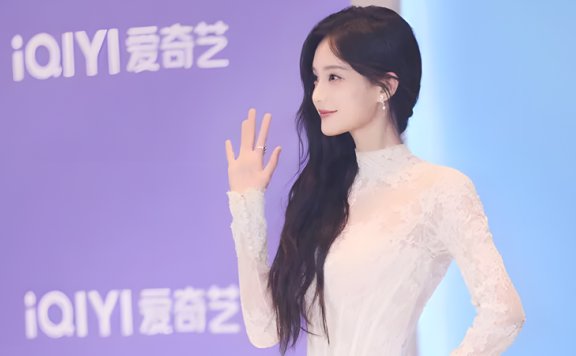
Decoding Li Yitong’s Fairy-Tale White Lace Gown
The internet paused for a collective moment of admiration recently, as actress Li Yitong (李一桐) unveiled a stunning new look. Images of her in an exquisite white lace gown flooded social media, instantly captivating audiences and fashion commentators alike. More than just another red carpet appearance, this ensemble seemed to crystallize a particular ideal of beauty—one that is gentle, elegant, and possesses an almost ethereal grace. For fans familiar with her roles in popular dramas like Sword and Beloved (天地剑心), this transformation felt like a beloved character stepping off the screen, embodying a timeless and poetic charm that resonates deeply within contemporary culture. Anatomy of an Iconic Look The power of the gown lies in its meticulous construction and harmonious details. It features a high-neck, long-sleeve top crafted entirely from delicate lace. This design choice provides a sense of refined modesty while simultaneously highlighting feminine softness through the fabric's inherent texture. The intricate floral patterns resemble a delicate frost or morning dew settled on the material, creating a soft, hazy visual effect that is both romantic and sophisticated. Transitioning from the torso, the dress transforms into a sleek, form-fitting mermaid silhouette. This cut expertly contours the body, celebrating natural curves… -
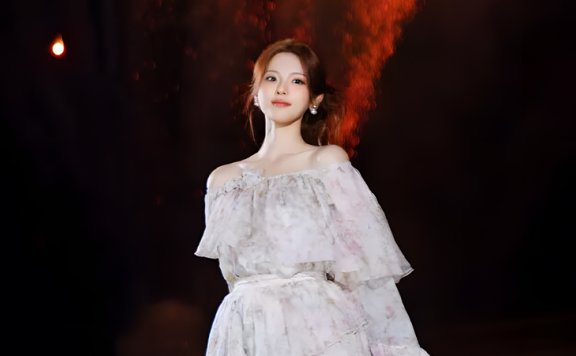
Is Yang Chaoyue Redefining China's Sweetheart Aesthetic?
A new photoshoot has sent the Chinese internet into a frenzy. Yang Chaoyue (杨超越), an actress and singer often hailed as the benchmark for the 'sweetheart' archetype in entertainment, recently unveiled a series of images that many are calling her most stunning look yet. Captured against a muted crimson backdrop, she embodies the very essence of a spring day. The focus is a pale pink, petal-strewn chiffon gown with an off-the-shoulder neckline, a design that seems to float around her. This is not merely another celebrity fashion feature; it feels like a deliberate statement, a masterclass in crafting an ethereal, youthful persona that feels both fresh and deeply resonant. Dissecting the Dreamlike Photoshoot Every element in the composition works in harmony. The gown itself is the centerpiece. Its delicate floral print resembles scattered cherry blossoms, while layers of sheer chiffon and ruffles create movement and volume. The off-the-shoulder cut showcases her collarbones and shoulders, adding a touch of elegant refinement to the otherwise whimsical dress. A fitted waist defines her silhouette before the skirt flares out, balancing sweetness with structure. The styling choices amplify the theme. Her hair is swept up in a loosely curled high ponytail, strands framing her… -
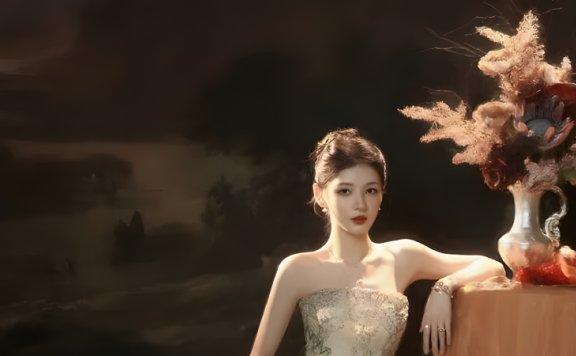
Can a Dress Capture an Entire Medieval Garden?
When actress Zhang Yuxi (张予曦) stepped into view recently, she did not merely wear a gown; she wore a narrative. Her ensemble, an off-white fishtail dress adorned with green-hued embroidery and scattered crystals, sparked immediate fascination. It evoked the meticulous, living artistry of a medieval horticultural masterpiece, translating verdant vines and delicate blooms into a language of thread and bead. This was not just a fashion choice but a deliberate sartorial statement, blending historical grandeur with a modern, cool elegance. The image she presented was strikingly complete, from the styling of her hair to the subtle accessories, culminating in a portrait that felt less like a photograph and more like a recovered painting from a noble’s hall. Crafting the Illusion The dress itself is a study in intentional design. The structured bodice highlights graceful shoulders and a slender waist, creating a silhouette that is both regal and softly feminine. The true marvel lies in the surface. Intricate embroidery in shades of moss, emerald, and sage crawls across the fabric, reminiscent of ivy climbing ancient stone walls. Each stitch builds a tapestry of flora, while strategically placed crystals catch the light like morning dew on petals. This botanical motif finds its… -
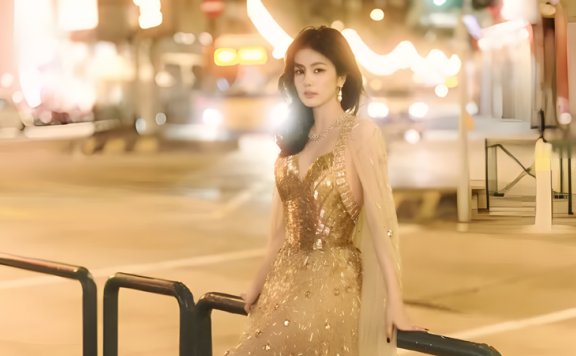
Bai Lu's Golden Dress: Is This the Ultimate Urban Queen Look?
The city lights blurred into a streak of gold as Bai Lu (白鹿) appeared, a vision commanding the night. Her latest photoshoot stopped social media feeds, a masterclass in modern elegance. Draped in a champagne gold gown that captured and refracted the urban glow, she didn't just wear the dress; she became the focal point of the metropolis itself. This was more than a fashion moment—it was a declaration of style sovereignty. Anatomy of a Masterpiece Closer inspection reveals why this look resonates so powerfully. The gown's construction is a feat of engineering and artistry. A slender halter neckline emphasizes her collarbone and shoulders, drawing the eye upward with regal grace. The bodice, a meticulous constellation of sequins, employs a gradient density that creates a living, shimmering effect with every subtle movement. The silhouette balances sensuality with sophistication. It traces the figure faithfully yet maintains an air of dignified restraint. The true genius lies in the juxtaposition of textures: the solid, gleaming metallic fabric against the ephemeral whisper of a tulle stole. This stole, floating on the night breeze, adds a layer of dynamism and mystery, preventing the opulence from feeling static or heavy. Every component works in concert. The… -
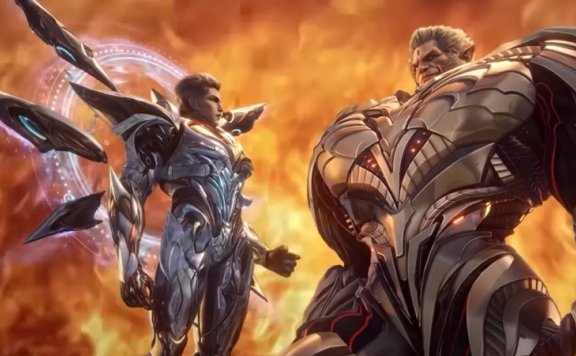
Swallwed Star: One Human Against the Cosmic Order
The sacred grounds of the Ancestral God School (祖神教) were not meant for peace. For eons, this colossal realm, spanning 160 million light-years, served as a crucible for the universe's most formidable beings. Its breathtaking vistas, like the shimmering Five-Color Aurora Lake, masked terrifying dangers capable of annihilating even cosmic overlords. It was here that two figures from humanity arrived, carrying a hope and a storm. Luo Feng (罗峰) and his master, Zhen Yan Wang (真衍王), sought a path to greater power. What unfolded, however, was not just a teacher's ascension, but a student's audacious declaration of war against the established order of the cosmos. Master's Ascent Zhen Yan Wang had been stagnant for millennia, trapped at the pinnacle of the "Undying" level, unable to breach the final barrier to become a true Universe Overseer. The key was a Beast God Inheritance Token, a priceless artifact Luo Feng had procured through near-fatal trials. Despite its value, Luo Feng did not hesitate. He presented it to his teacher, a gesture of profound respect. Initially, Zhen Yan Wang refused, believing the token should secure his prodigious disciple's future. Only after Luo Feng revealed that the supreme City Lord Hun Dun had secured… -
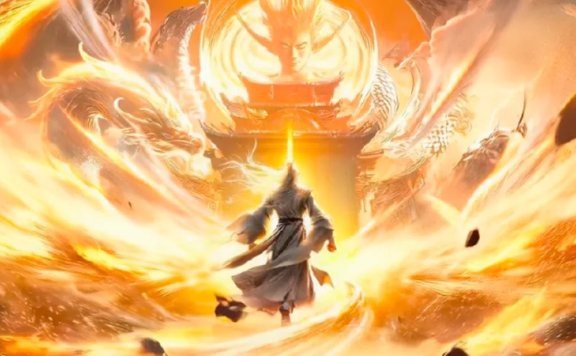
The 3 Paths of Rebellion in Renegade Immortal
In the vast cosmos of Renegade Immortal (仙逆), cultivation is typically a path of harmony. Most practitioners seek alignment with the natural order, drawing upon the world's energy to ascend toward immortality. Yet, scattered across this universe are those who refuse this ordained path. They are the Defiers, rebels who challenge the very rules of existence. Their journey is not one of acceptance but of relentless opposition. From primordial instinct to conscious choice, the evolution of the Defier reveals a profound struggle for autonomy against an omnipotent system, culminating in the most unlikely hero: Wang Lin (王林). 1. The Primal Roar The first Defiers were not rebels by choice, but by nature. They were the Ancient Clan, beings as old as the Heavenly Dao itself. Born from primordial chaos, their power stemmed directly from the universe's raw essence. Their defiance was a primal, instinctual roar against the constraints of newly established cosmic laws. They possessed no cultivation manuals or systematic techniques. Instead, they relied on indomitable physical bodies and chaotic force to shatter what they deemed an unacceptable cage. For them, the principle that "Heaven's Will is inviolable" was not a truth, but a chain to be broken by sheer,… -
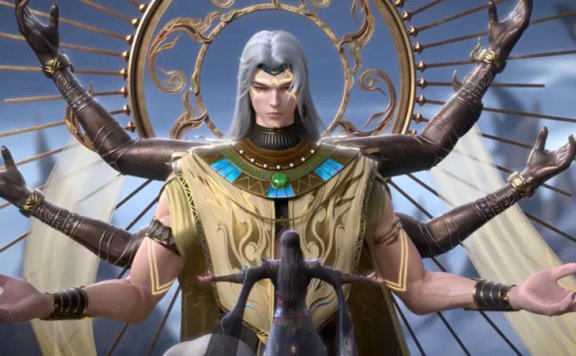
The Battle for Eternal Legacy in Battle Through the Heavens
In the sprawling universe of Battle Through the Heavens (斗破苍穹), the Dou Qi Continent (斗气大陆) is a land shaped by legendary power. For millennia after the disappearance of the last Dou Emperor, Tuoshe Gudi (陀舍古帝), a handful of pinnacle experts carved their names into history. Their strength defined eras, but their lasting impact is measured by what they left behind. The legacies of five supreme beings—Huangquan Yaosheng (黄泉妖圣), Jinglian Yaosheng (净莲妖圣), Xiao Xuan (萧玄), the Flaming Flame Founder, and the Dan Tower Founder—offer a fascinating study in contrast. Which of these titans devised the most complete and effective method of passing their power and wisdom to future generations? A Legacy Perfected When judging the completeness of a legacy, Huangquan Yaosheng stands apart. His inheritance is not a scattered set of clues but a fully realized system, meticulously preserved and actively guarded. Through the Huangquan Stone Tablet, he left behind the complete Huangquan Three Set, a sequence of Heaven Class Dou Techniques progressing from Huangquan Finger to Huangquan Palm and culminating in the formidable Huangquan Heavenly Rage. More remarkably, he left a remnant soul within the tablet, a conscious guardian of his life's work. This sentient aspect transforms the inheritance from… -
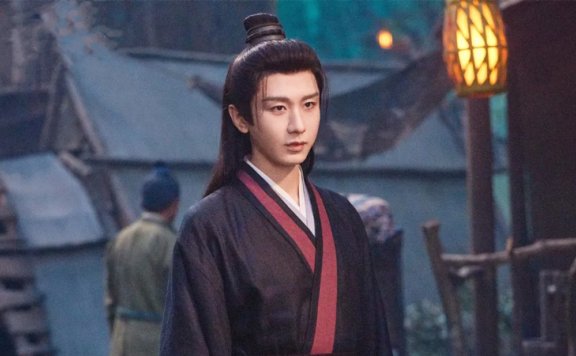
The Canine Heart of The Vendetta of An
How can a stray dog hold the emotional key to an epic historical drama? The television series The Vendetta of An (长安二十四计) has emerged as a definitive triumph, a narrative where profound human emotions are mirrored in the most unexpected characters. Its power lies not in grand battles alone, but in the silent, aching spaces between them—spaces often occupied by loyalty, memory, and a profound sense of loss. At the center of this storm is Xie Huai'an (谢淮安), a man sculpted by vengeance, whose journey is refracted through the eyes of those he left behind, including a four-legged guardian whose steadfastness becomes the story's moral compass. The Canine Chronicle The drama’s most ingenious stroke is its use of a dog named Dahuang (大黄). Initially, it appears as a background fixture, a ragged creature perpetually waiting at the city gate, barking at passing figures who pay it no mind. This recurring image is a puzzle piece the audience cannot place until a pivotal flashback. We see a young Xie Huai'an with his sister, their joyful companion a puppy. The revelation that the old, neglected dog is that same puppy delivers a visceral shock. For over a decade, this animal has kept… -
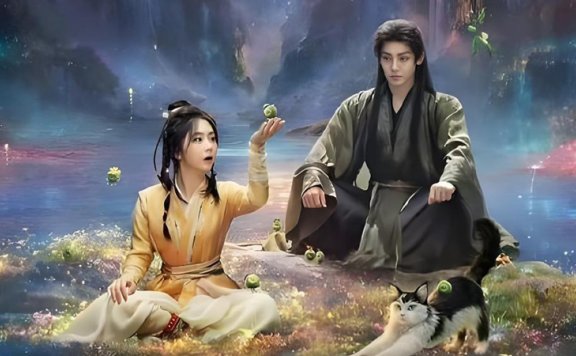
The Dark Journey of Bing Zhu in The Unclouded Soul
Why does a demon slayer who lost his sister to human betrayal only hunt monsters? The hit drama The Unclouded Soul (逍遥) follows the relentless demon exterminator Bing Zhu (秉烛), whose bloodthirsty blade is bound to the soul of his dead sister. When villagers sacrificed her to a tree demon, his world shattered. Yet he directs all his fury toward demons, not the humans who enabled the tragedy. This paradox lies at the heart of his character, a burning fuse leading back to a past he cannot escape. The Shattered Dream Once, Bing Zhu and his sister Tan'er (昙儿) shared a simple dream. He trained diligently to clear their family name and rejoin the military. She scrimped and saved to buy him a proper weapon, their hopes pinned on a future where he would become a general and give her a good life. Their poverty made them vulnerable. After finally saving enough for his sword, cruel village elders seized their coins for a tribute to the local Huai Shu Yao (槐树妖, tree demon). Without a weapon, he could not enlist. Desperate to help him, Tan'er made the ultimate sacrifice. She offered herself as a bride to the tree demon in… -
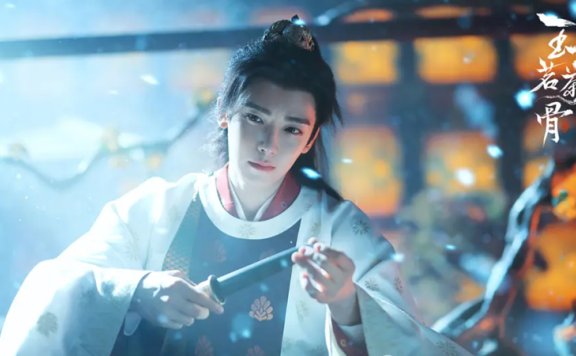
Glory: Forging Character Through Grace and Tenacity
Have you ever considered how a television drama's title might hold the key to its deepest truths? The recently announced historical series Glory (玉茗茶骨) has sparked intense discussion, not for its plot, but for the profound duality embedded within its four-character name. This is not merely a label; it is a philosophical statement, a compact guide to understanding the interplay between human character and ancient tradition. To unpack this title is to embark on a journey into the heart of Chinese aesthetics and the timeless struggle for integrity in a complex world. The series uses the lens of tea culture—its rituals, its language, its very essence—to frame a narrative about resilience and grace under pressure. Glory's Elegance The first half of the title, Glory, evokes a specific and rarefied beauty. Yuming (玉茗) is a classical poetic name for the white camellia, a flower admired for its pure, jade-like petals and crisp, elegant fragrance. In the world of tea connoisseurs, it has come to signify the highest grade of tea—one with a luminous liquor, a refined aroma, and an aura of dignified purity. This term sets the visual and moral stage for the drama. It promises a world of understated beauty:…
