Some stories stay with us not because of their heroes, but because of the characters who falter. The Xianxia drama The Unclouded Soul (逍遥) weaves a tale of cultivation and chaos, yet its most lingering echoes come from figures whose choices lead them into shadows. They are not purely evil, nor are they blameless. Their journeys are defined by very human vulnerabilities—vanity, devotion, and a desperate love—pushed to extreme ends within a fantastical world. Their tragic ends force us to look closer at the moment their paths twisted, asking what we might have done differently, and knowing perhaps, we would have done the same.
1. Da Li’s (大丽) Reflection
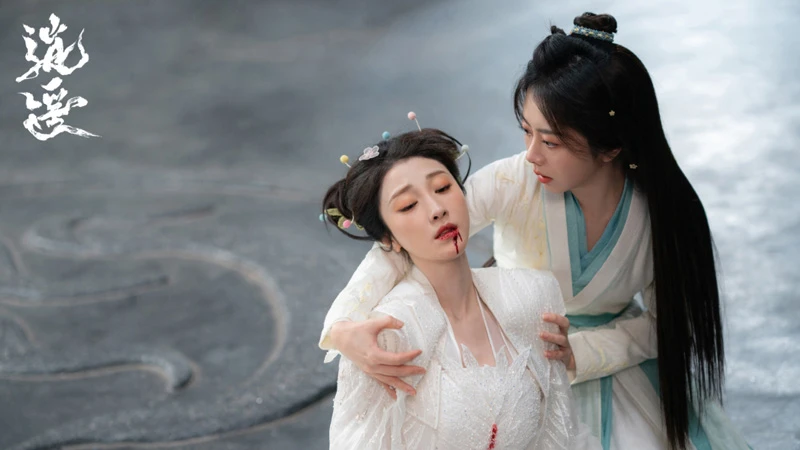
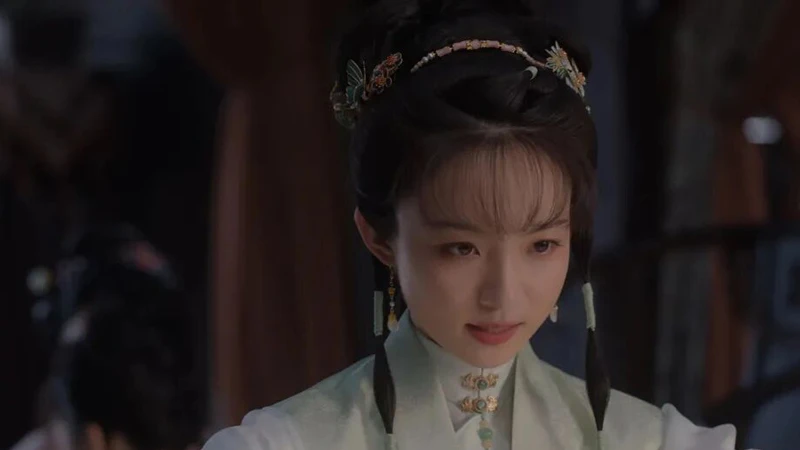
Da Li began as a peony spirit, gentle and enamored with beauty. Her life in the Wanyaogu (万妖谷) was simple until Xiao Yao (肖瑶) arrived. Xiao Yao’s brilliance unintentionally cast a long shadow. Da Li’s admiration curdled into a deep-seated insecurity. This yearning was exploited by the cunning Suimeng Xianjun (碎梦仙君), who promised her transformation. In her pursuit of physical perfection, she betrayed her only friend.
Her choice was a tragic miscalculation. Serving the immortal, she became a mere stand-in, a disposable tool. Her final moment, asking Xiao Yao if she was beautiful, underscores the heartbreaking void she sought to fill. Her story is a cautionary tale about the poison of comparison and how the desire to be seen can blind one to genuine connection, leading to ultimate isolation.
Da Li’s fate resonates because her flaw is so ordinary. In a world that constantly highlights extraordinary success, the pressure to measure up can distort one’s sense of self. Her magical setting amplifies a very real struggle, making her demise not just a plot point, but a poignant commentary on the cost of losing oneself to envy.
2. Lu Pianpian’s (陆翩翩) Choice
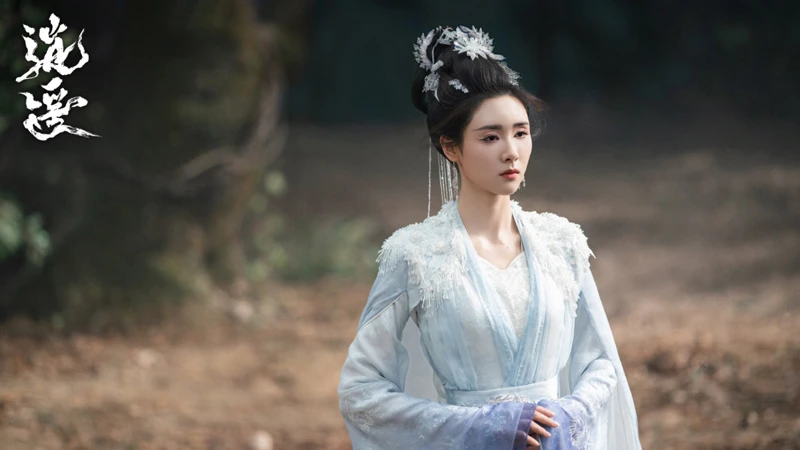
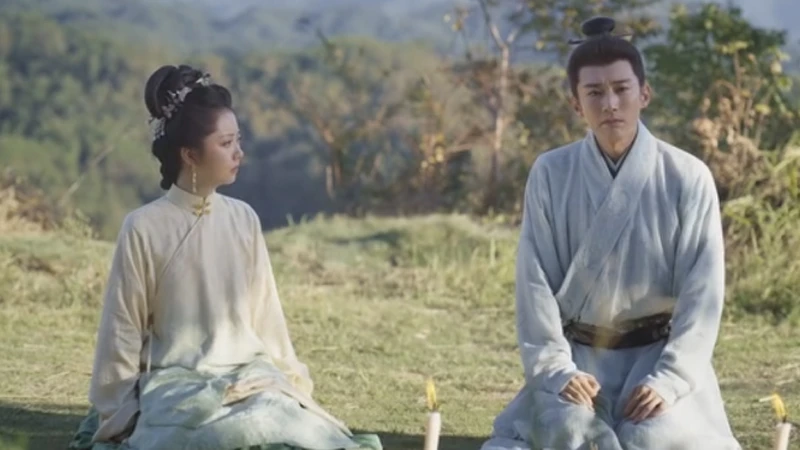
Lu Pianpian’s life was never her own. First abducted, then forced into the service of Suimeng Xianjun, her existence was dictated by coercion. Her rescue by Bing Zhu (秉烛) offered a glimpse of freedom, but fate intervened cruelly. Faced with Bing Zhu’s mortal danger, she made a devastating sacrifice: replacing her own heart with a crystal one to become a Mei (魅), a supernatural being.
This act of ultimate love began her final undoing. The new heart eroded her kindness, amplifying hidden darkness. She manipulated an emperor and fueled a war, all while fighting a losing battle against the corruption within. Her death, shielding Bing Zhu, was both redemption and a release. Her final wish was for the happiness of others, never for herself.
Her narrative explores the paradox of sacrificial love. Can a deed born of pure devotion remain pure if it fundamentally changes who you are? Lu Pianpian traded her humanity to save a life, only to become a threat to many more. Her tragedy lies in the impossibility of her position, a stark reminder that the road to ruin is sometimes paved with the best intentions.
3. Madam Jin’s Prison
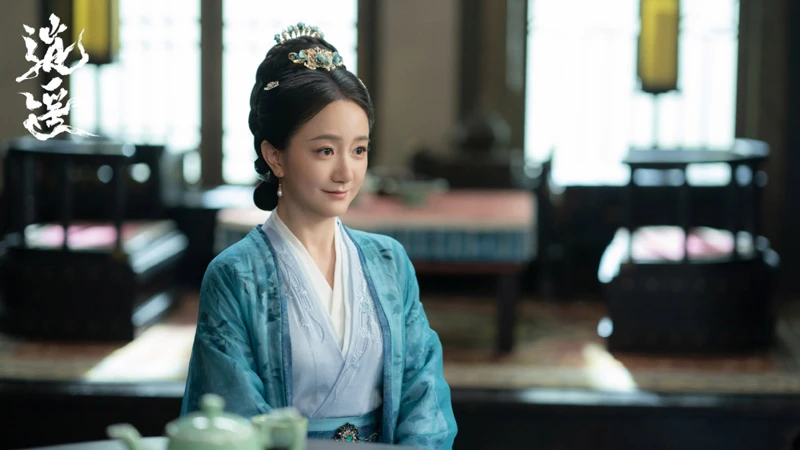
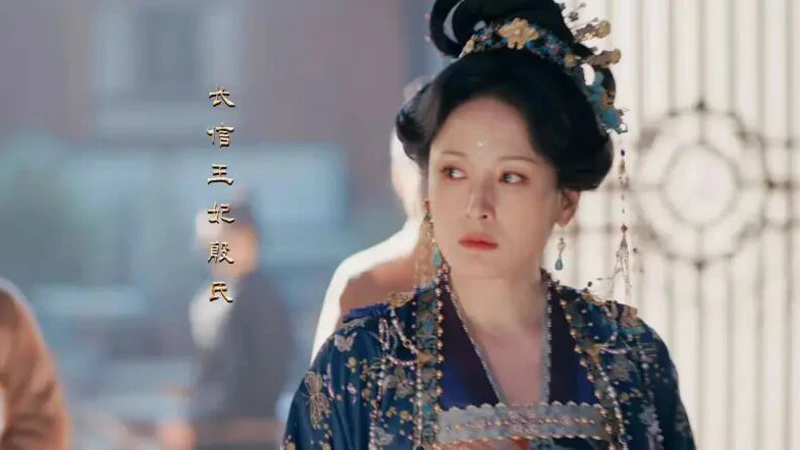
Madam Jin’s tragedy is one of silent endurance. The daughter of a sect leader, she married her caring senior, Jin Muqing (金穆清). Her fairytale ended on her wedding night when she discovered her husband was a monstrous, blood-consuming cultivator. He claimed his descent into madness was for her sake, to cure her illness. Trapped by this twisted debt, she became an accomplice to his crimes.
For years, she lived in a prison of guilt, her daughter becoming her sole reason to endure. She clung to the false hope of a mythical cure, the Yuli Spring (玉醴泉). When Jin Muqing’s atrocities were exposed, her hand was forced. She executed him for justice, then took her own life, bound to him even in death.
The profound cruelty of her story is the possibility that her entire marriage was a manipulation. What she saw as shared destiny, he may have seen as utility. Madam Jin represents those burdened by loyalties they did not choose, who bear the weight of another’s sin. Her end asks a difficult question: when love and moral duty become irreconcilable, is there any escape that doesn’t lead to destruction? Her silence and final act speak volumes about the invisible chains of obligation and misplaced devotion.