
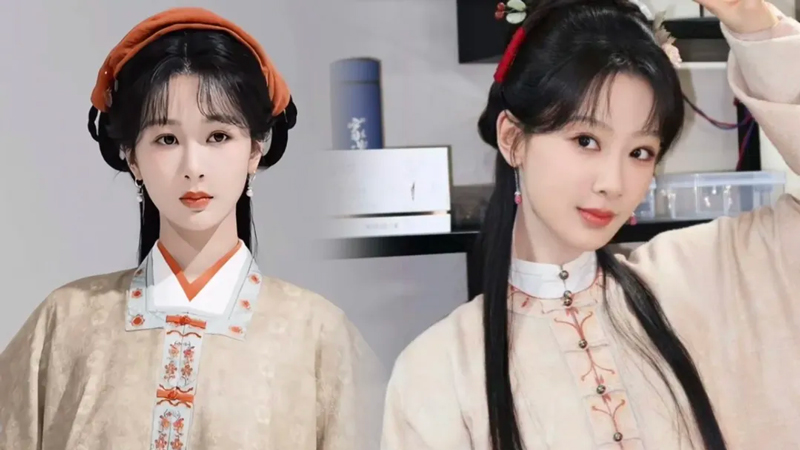
In the historical drama The Mo (家业), the character Li Zhen (李祯), portrayed by Yang Zi, wears garments adorned with a vertical row of buttons. These fasteners shift between cloth and metal variants across different scenes. This subtle costume detail sparks a fascinating question: did traditional Chinese clothing even use buttons? The answer reveals a rich, overlooked history of functional art, distinguishing the elegant Ming-style cloth buttons from the later, densely arranged Qing-era "centipede buttons."
Ancient Fasteners Reimagined
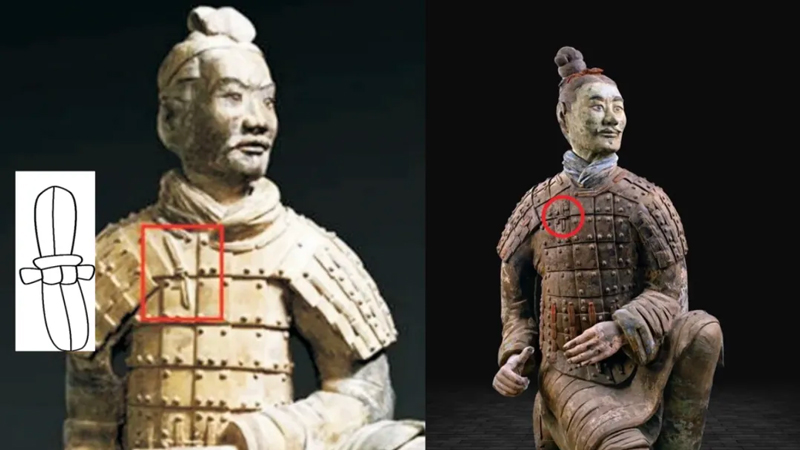
The common belief is that ancient Chinese attire relied solely on sashes and ties, a system known as "tying tassels and fastening sashes". This method involved intricately woven ribbons to secure garments, allowing adjustment for fit and comfort. Historical texts like the Book of Rites mention the use of such ties. However, this was not the whole story. Archaeological evidence, such as the figurines from the Qin Dynasty, suggests the possible use of simple toggle-like fasteners, though debate continues on whether these were for armor or daily wear.
By the Tang and Song dynasties, while ties remained dominant, a quiet evolution began. Elements of cloth buttons appeared on certain robes, like the round-collared Yuanlingpao (圆领袍) and some versions of the Beizi (褙子). These early forms, often made from braided silk, are sometimes referred to as "frog closure", a precursor to the modern button. They represented a move towards discrete, reusable fastening solutions beyond knotted cords.
This innovation blossomed fully during the Ming Dynasty, a period of immense prosperity and artistic refinement. Here, the humble fastener was transformed into a statement of status and taste. Alongside practical cloth buttons, a luxurious fashion emerged: the metal "mother-and-son" clasp. Crafted from gold, silver, jade, and other precious materials, these were miniature works of art. They were often placed prominently at the collar, their designs featuring intricate carvings of flora, fauna, and auspicious symbols, sometimes even including tiny, legible characters.
Ming's Artistic Statement
The Ming approach to buttons was one of deliberate, refined subtlety. A single pair of exquisitely made clasps at the neckline was considered sufficient. The choice of material spoke volumes about the wearer. Scholars and literati might favor serene jade buttons to reflect their cultivated spirit, while women might select gold or silver buttons adorned with floral motifs, expressing hopes for beauty and prosperity. The fastener was both functional and a deeply personal accessory.

Television productions sometimes take creative license, featuring metal buttons in eras where they were less common. Yet, this highlights their perceived elegance. On screen, these clasps, sometimes embellished with gemstones or kingfisher feathers, become focal points. Their color and material could be coordinated with the costume's palette, adding a layer of sophisticated charm. This mirrors historical reality, where such buttons were a key component of an ensemble's harmony.
The terminology itself evolved. While "niu" (纽) and "kou" (扣) had separate meanings relating to loops and knobs, the compound word "niu kou" for "button" appeared in later texts. The Ming period offered choices: practical cloth fasteners for everyday life or luxurious metal clasps for the elite. This era perfected the idea of the button as a discreet yet powerful detail, where artistry resided in quality, not quantity.
Qing's Dense Revolution
The fall of the Ming and rise of the Qing Dynasty brought a dramatic shift in aesthetic and fastening fashion. The delicate, sparingly used Ming clasps were largely replaced by what became known as the "centipede button". This term does not describe a new button shape, but rather a novel, dense arrangement. Rows of small, consistent cloth knobs marched down the front of garments, reminiscent of a centipede's many legs.
This style represented a fundamental departure from Ming philosophy. Where Ming dress emphasized open planes of fabric anchored by a few highlights, Qing clothing, especially for women, embraced a more regimented, surface-covering ornamentation. The "centipede" alignment became a defining visual element of Qing attire, creating a vertical rhythm that was both intricate and imposing. It signaled a new order in fashion and society.

Interestingly, this trend towards densely lined buttons was not isolated to China. Around a similar historical period, regions from the Arab world to Siberia and Europe saw the popularity of similar fastening arrangements. This parallel development hints at broader, perhaps interconnected, shifts in global sartorial tastes, moving towards structured front closures. In China, this evolution eventually led to the intricate Pankou (盘扣, decorative knotted buttons) we associate with Qipao today. The journey from the Ming's artistic clasp to the Qing's orderly row shows how even the smallest detail can reflect the spirit of an age.
