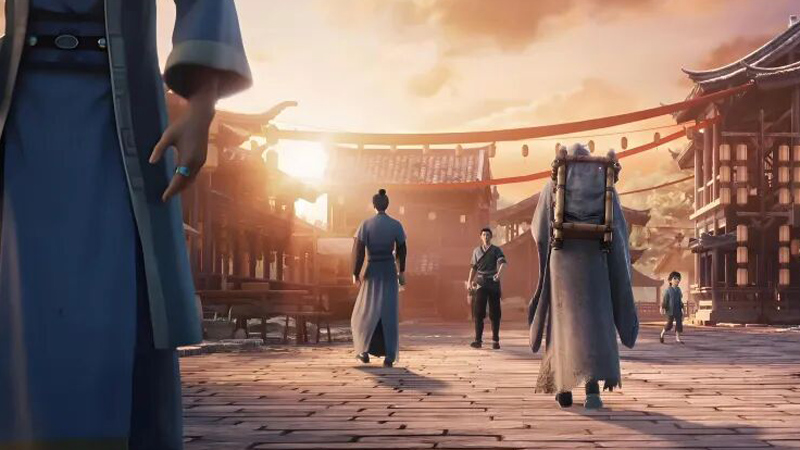
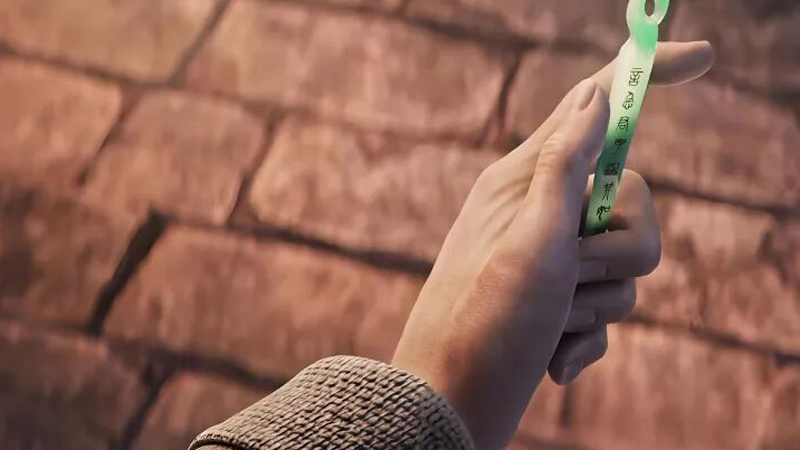
In the latest episode of the popular animated series Sword of Coming 2 (剑来2), a simple yet profound act sends ripples through the story. The revered Old Scholar takes back a jade hairpin, a gift from the esteemed Qi Jingchun (齐静春), from the young protagonist Chen Ping'an (陈平安). On the surface, this seems like a cold, even harsh, withdrawal of favor.
But this is no act of caprice. It is, in fact, a masterstroke of mentorship, a deliberate move in a grand strategy concerning survival, character, and legacy. By removing this symbolic token, the Old Scholar isn't abandoning his disciple; he is setting the stage for Chen Ping'an's most crucial test yet.
A Calculated Removal
The hairpin was more than an accessory; it was a beacon. As the acknowledged successor to the Old Scholar's lineage, Chen Ping'an wearing it marked him as a prime target in the treacherous world of cultivation. With the aftermath of the Li Zhu Cave Heaven (骊珠洞天) incident still unsettled, numerous factions watch with hostile intent. The hairpin, a symbol of protection, paradoxically became his greatest liability. The Old Scholar's action strips Chen Ping'an of this dangerous visibility. It forces him to step out from under the overwhelming shadow of his master's reputation and navigate the world as just another aspiring cultivator. This is not deprivation, but deliberate camouflage for survival.
Furthermore, the Old Scholar is acutely aware of history repeating itself. He witnessed the tragic path of Qi Jingchun, a man of unyielding principle who ultimately made the ultimate sacrifice for his beliefs. In Chen Ping'an, he sees a similar stubborn righteousness, a similar strength that could become a fatal flaw. By taking the hairpin, he removes a psychological crutch. The external marker of identity and safety is gone, compelling Chen Ping'an to rely on nothing but his own judgment and inner fortitude. The master understands that true strength cannot be borrowed; it must be forged in uncertainty.
This removal is also a precise diagnostic test. The Old Scholar needs to see the raw material of Chen Ping'an's character when all props are taken away. Will his innate goodness hold under pressure? Will his Dao (道) heart remain steadfast without external validation? The answer determines not just his personal fate, but the very future of the lineage he might one day carry. This moment sets a new, more authentic starting point for everything that follows.
Forging a True Vessel
Stripped of his most visible credential, Chen Ping'an's journey transforms from a guided path to a genuine exploration. Every challenge he now faces, every enemy he confronts, is met by his own skills and wits. This relentless pressure is the crucible the Old Scholar intended. It is meant to temper his spirit, to harden his resolve, and to distill his principles into an unshakable core. The goal is to create a cultivator who stands firm not because of whose disciple he is, but because of who he is.
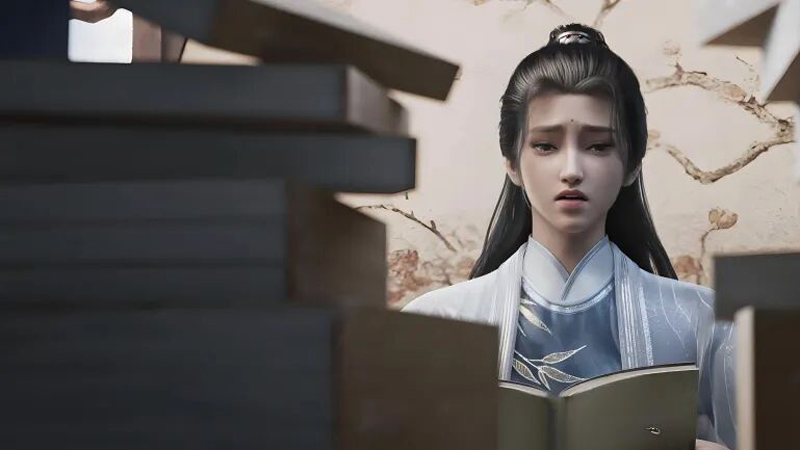
This strategy also brilliantly paves the way for future relationships. Consider the upcoming mentorship of Cui Dongshan (崔东山). Had Chen Ping'an approached that relationship cloaked in the authority of the Old Scholar's hairpin, the dynamic would be skewed. Instead, he will have to earn respect and build bonds based on his own actions and character. A connection formed under these conditions is far more meaningful and durable than one granted through association. It ensures loyalty is to the person, not the position.
The Old Scholar's vision extends far beyond the immediate crisis. His action is a long-term investment in the resilience of his school of thought. By forcing Chen Ping'an to build his foundation from the ground up, he is ensuring the disciple's future growth will be organic and self-sustaining. The lesson transcends the physical object. It teaches that while external treasures can be lost or taken, the cultivation of one's inner self—one's integrity, courage, and wisdom—is the only possession that truly matters and cannot be seized.
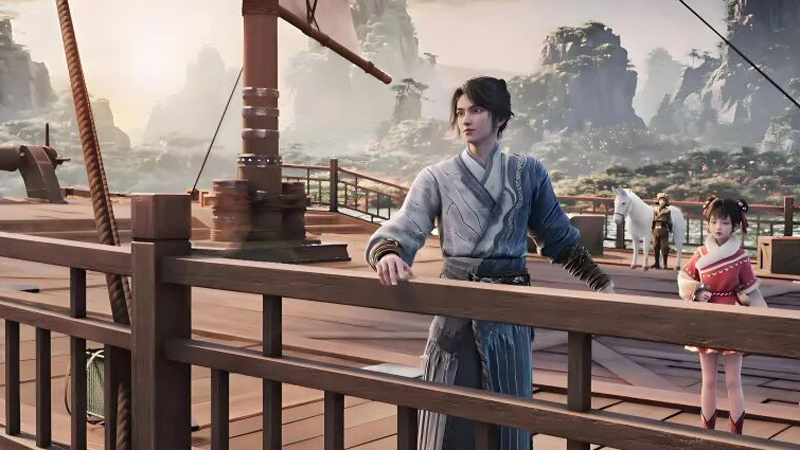
When Chen Ping'an eventually looks back, he will recognize the taking of the hairpin as the Old Scholar's most valuable gift. It was the painful yet necessary push that launched him toward becoming an independent, resilient, and genuine master of his own destiny. This is the profound, often unspoken curriculum of true mentorship: preparing the student not for a sheltered journey, but for the vast, unpredictable wilderness of their own path.