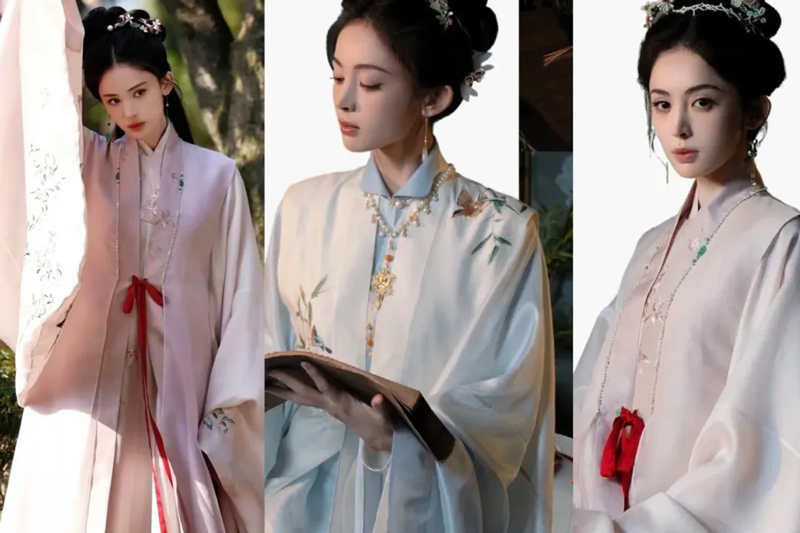
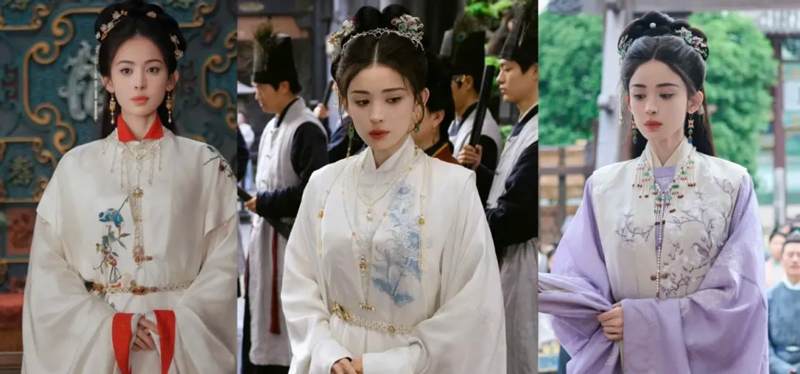
In the historical drama Glory (玉茗茶骨), actress Na Zha (娜扎) captivates audiences not just with her performance, but with her wardrobe. Her character, Rong Shanbao (荣善宝), is frequently seen in a specific style of outerwear that seems to magically elongate her silhouette, sparking online conversations about its flattering power.
Viewers quickly noted its similarity to modern fashion items, revealing a fascinating truth: this garment is a centuries-old design called the Bijia (比甲). More than just a costume piece, the Bijia’s journey from the imperial courts of ancient China to contemporary street style showcases a stunning continuity in aesthetic preference, proving that some designs truly are timeless.
Historical Threads
The Bijia’s origins trace back to the Song Dynasty. Originally a form of Hanfu, it was a sleeveless, collarless over-garment, similar to a long vest. Its practical design was later adopted and adapted during the Yuan Dynasty for functionality. Historical records like the Yuanshi (元史) describe its purpose: a garment with a front shorter than the back, lacking sleeves and a collar, secured by two ties. This made it ideal for equestrian activities and labor, protecting the torso without restricting arm movement.

By the Ming Dynasty, the Bijia had shed its purely utilitarian image and blossomed into a widespread fashion statement. Worn by everyone from nobility to commoners, it became a staple of daily wear. Its form was refined, with lengths varying from hip to knee, and embellishments like embroidered borders were added. It was typically layered over long-sleeved robes and paired with skirts, allowing for creative play with color and texture that enhanced the wearer’s posture and profile.
The Bijia’s enduring appeal lies in this foundational design philosophy: effortless elegance paired with subtle utility. Its clean lines and structured shape naturally streamline the figure, a quality as valued by Ming dynasty fashionistas as it is by style-conscious individuals today. Na Zha’s portrayal highlights this perfectly; the sleeveless cut accentuates the neck and shoulders, blending feminine grace with a hint of dignified sharpness.
Evolution of Form
So, how did a Song dynasty vest become a modern wardrobe piece? The transition is a story of quiet adaptation. The core silhouette—sleeveless, open-front, with side slits—remained recognizable, but the context shifted. As daily lifestyles evolved, so did the Bijia’s role, moving from an essential outer layer to a versatile accessory for stylistic layering.
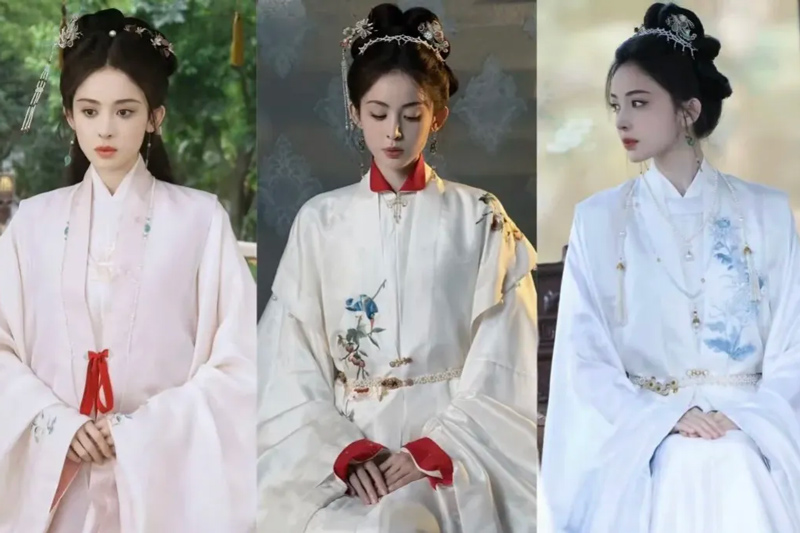
In Glory, the costume designers honor this evolution. The Bijia styles worn by Rong Shanbao are not mere replicas; they are interpretations that respect historical lines while employing modern fabrics and tailored fits. This approach bridges the gap between museum artifact and wearable fashion, making the historical design feel immediate and relevant. It demonstrates that the garment’s spirit is adaptable, not frozen in time.
This design evolution underscores a key point: the Bijia has always been about complementing the body and the activities of its wearer. Its renaissance in current fashion isn't a wholesale retro revival, but a selective appreciation of its most universally flattering attributes—its ability to create a long, unbroken vertical line that makes the wearer appear taller and more slender.
Styling for Now
The true test of any historical design is its integration into modern life. The Bijia passes with ease. Its strength lies in its versatility as a layering piece. For a sophisticated look, try a structured, minimalist Bijia over a crisp white shirt paired with tailored trousers. For casual style, a denim or textured fabric version thrown over a simple tee and high-waisted jeans creates an interesting mix of classic form and contemporary attitude.
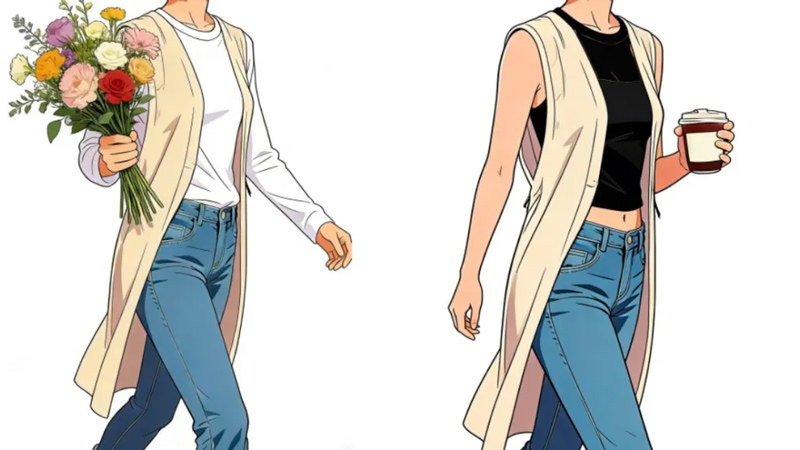
Seasonal styling, particularly in winter, requires thoughtful pairing. To avoid a bulky silhouette, balance is key. If the Bijia itself has a plush or furry texture, keep the underlying layers sleek and fitted. Remember, its primary role is stylistic rather than insulating; warmth should come from the base layers. A cohesive color story, perhaps echoed in a hair accessory, can pull a winter ensemble together beautifully.
Ultimately, Na Zha’s stylish turn in Glory did more than showcase a beautiful costume. It re-introduced a classic Chinese garment to a global audience, highlighting its inherent modernity. Wearing a Bijia today connects the wearer to a long narrative of style that prioritizes clean lines, graceful movement, and understated confidence. It’s a dialogue between past and present, worn on the shoulders for all to see. Have you been inspired to try incorporating this timeless piece into your own wardrobe?