Article
搜索结果:
-
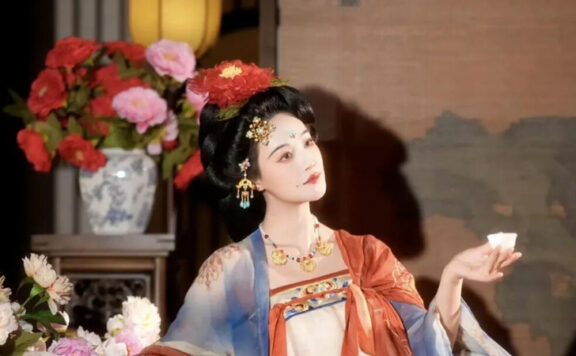
Lan Yingying Wows in Tang & Ming Style Hanfu
What if a single actress could show you, in two photographs, the entire emotional shift of a civilization? This morning, the internet was captivated by Lan Yingying (蓝盈莹) in two sets of Hanfu. One image placed her in the unrestrained, wine-drunk alleys of Tang Dynasty Chang’an; the next, she was a formidable lady of a Ming Dynasty manor, her posture radiating quiet power. It wasn’t just about the clothing. It was a masterclass in how fabric, color, and silhouette can define the very soul of an era. Looking at her, you understand why the aesthetic wisdom of our ancestors remains an untouchable, living legacy—one that has never, and will never, lose its relevance. The Tang in a Sleeve In the first image, Lan Yingying becomes a figure plucked directly from a painting—specifically, Court Ladies Adorning Their Hair with Flowers (簪花仕女图). She wears a gradient robe of blue and red, the wide sleeves of the Da Xiu Shan (大袖衫) paired with a chest-high Qixiong Ruqun (齐胸襦裙). A large peony is pinned in her hair, a delicate Hua Dian (花钿) adorns her forehead, and she holds a small wine cup. It is an image of pure, unbothered opulence. You can almost hear… -
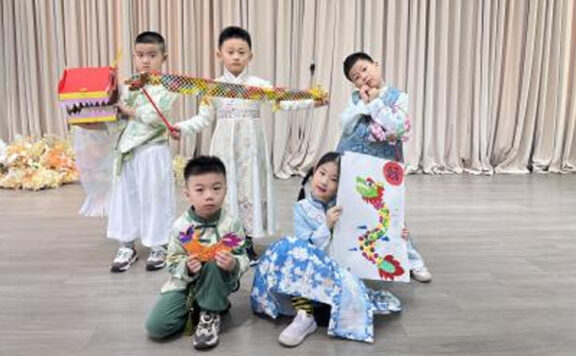
Kids Embrace Culture at Long Tai Tou Hanfu Day
What happens when a kindergarten transforms into a living gallery of ancient silk and swirling dragon tails? In the northern city of Mu Dan Jiang (牡丹江), a preschool decided to answer that question not with textbooks, but with flowing robes, spirited games, and the taste of symbolic foods. Heilongjiang Preschool Kindergarten No.1 didn’t just celebrate a traditional festival; it created a day where three-to-six-year-olds became the heart of a cultural revival. The Long Tai Tou (龙抬头) Festival, or Dragon Raising Its Head, marks the awakening of spring, and here, it became the perfect backdrop for a “Hanfu Experience Day.” This wasn’t about passive learning. It was about immersion—transforming a school into a space where ancient traditions became tangible, playful, and deeply personal for every child involved. The event wove together costume, cuisine, games, and art, ensuring that a centuries-old holiday wasn’t merely explained, but vividly experienced. Dressed in Heritage On that day, the usual kindergarten uniforms vanished. In their place were children adorned in traditional Hanfu, the historical dress of the Han Chinese. This wasn’t just a costume party; it was the first step into a living history. For a child, the sensation of a silk robe’s gentle weight or… -
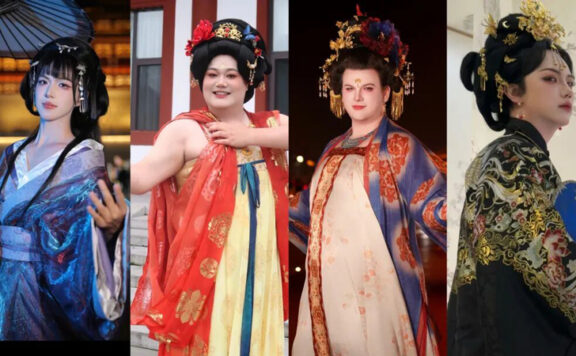
Luoyang Hanfu Gender Misalignment
What happens when a city's ancient fashion revival becomes a stage for gender-bending spectacle? In Luoyang, the Spring Festival of 2026 brought an unexpected twist to China's Hanfu resurgence—young men in droves squeezing into oversized Tang Dynasty-style gowns designed for women, their transformed images plastered across social media as local tourism bureaus cheerfully marketed the trend as "innovation through shock value." But beneath the surface of viral videos showing bearded faces framed by delicate silk ruffles lies a troubling question: has the Hanfu movement lost its cultural compass in pursuit of clicks and commerce? When Men Have No Clothes The scene at Luoyang's ancient city attractions tells a revealing story about where the Hanfu industry has gone wrong. Young men cluster at photo spots wearing Qixiong Shanqun (齐胸衫裙)—the high-waisted wraparound dresses that define women's Tang Dynasty fashion—because local rental shops simply have nothing else to offer. A quick survey of experience stores shows men's sections relegated to a dark corner with perhaps three options: straight-front robes, Taoist-style gowns, or round-collar robes, all in somber colors and rigid cuts that fit poorly and flatter rarely. The inventory imbalance speaks volumes about market priorities. Women's racks burst with Tang, Ming, and Song… -
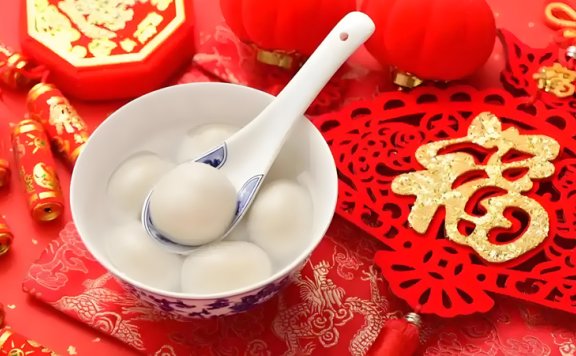
March 1st Shanghai Fangta Park Hanfu Lantern Festival Party
Have you ever wondered what it feels like to step directly into a traditional Chinese painting, surrounded by ancient architecture and the soft glow of lanterns? This March, Shanghai Fangta Park (上海方塔园) is turning that fantasy into reality by inviting thirty young men and women to ditch the modern world for an afternoon and immerse themselves in a curated Lantern Festival Garden Party. It is not just about observing traditions; it is about living them. Performance Time: Sunday, March 1st, 2026 Venue: Shanghai Fangta Park An Invitation to Step Into the Frame This isn't your typical festival fair where you simply walk around and look at displays. The park is actively seeking thirty participants to become part of the living tapestry. Organizers want you to "enter the painting," not just watch it from the outside. Scheduled for the afternoon of March 1st, this event is a deliberate move away from passive observation. It asks you to wear a set of Hanfu, the traditional clothing of the Han Chinese, and wander through the classical gardens as if you truly belong to another era. The focus is on personal experience, making the ancient traditions feel immediate and personal. By limiting the main… -
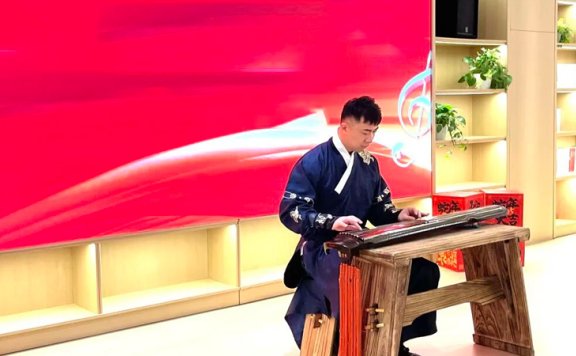
Harbin Bookstore’s Hanfu Lantern Festival Feast on March 1st
What if you could step through the doors of a modern bookstore and find yourself in a classical Chinese painting? On March 1st, the Harbin Xinhua Bookstore is transforming its third floor into a living tableau of lanterns, moonlight, and ancient melodies. It’s inviting the public to do more than just read about tradition—it’s asking them to wear it, hear it, and play it. This isn't a history lesson; it's a sensory invitation to experience the Lantern Festival through the rustle of Hanfu silk, the twang of the Guqin (古琴), and the suspense of a well-aimed arrow in a pitch-pot game. As the last of the winter snow melts outside on Gogol Street, inside, the warmth of community and culture awaits. Performance Time: Sunday, March 1st, 2026 at 14:00 Venue: Harbin Xinhua Bookstore Music on the Strings, Spring in the Air Forget a stuffy concert hall. Here, the music is part of the atmosphere. The Longjiang Guqin Society (龙江古琴社) is set to perform Drunken Fisherman Singing the Evening (醉渔唱晚) and Beating Clothes (捣衣). These are not just tunes; they are stories told through the fingers. One piece might paint a picture of ancient warriors on horseback, fitting for the energy… -
Hanfu Society's Winter Solstice Cultural Event Lights Up December 19th 2025
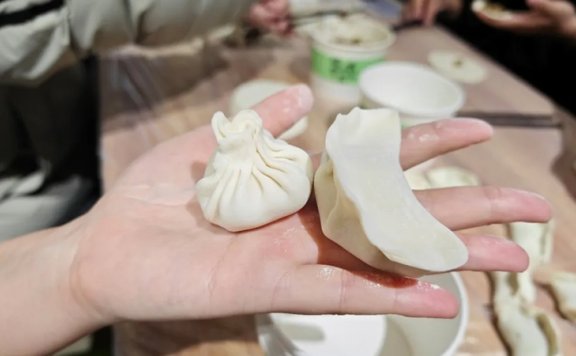
The aroma of steaming dumplings mixed with the soft rustle of silk and brocade. On the afternoon of December 19, 2025, a university cafeteria was transformed. Here, over a hundred students gathered, not just for a meal, but for a journey. The Hanfu Society hosted "Wearing Han Attire, Savoring Winter Solstice Elegance," an immersive event designed to bridge millennia-old traditions with youthful creativity. This was not a history lecture, but a living experience where the ancient Dongzhi (冬至) festival was felt through hands, taste buds, and shared laughter. The Dumpling as Canvas Dumplings are the undisputed star of Winter Solstice tables in northern China, symbolizing reunion and warmth. This event reimagined them as a creative outlet. Students didn't just wrap filling in dough; they sculpted it. Inspired by the flowing lines of their own Hanfu, traditional crescent shapes were joined by others resembling plum blossoms, ingots, and delicate fabric folds. The kitchen area buzzed with focused energy. Teams collaborated in a friendly speed-wrapping competition, their fingers moving deftly. More time, however, was spent on artistic expression. The serious task of ensuring a good seal was punctuated by exclamations over a particularly elegant pleat or a cleverly shaped piece. Laughter flowed… -
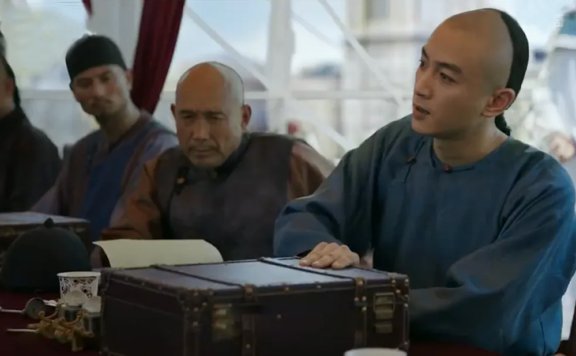
The Money-Making Wisdom of Legend of the Magnate
In the bustling port cities of late Qing Dynasty China, where merchants jostled for influence and survival was a daily calculus, a new television drama has captured the nation's imagination. CCTV's hit series, Legend of the Magnate (大生意人), follows the tumultuous journey of Gu Pingyuan (古平原), a scholar-turned-convict who rises from utter destitution to become a commercial titan. His story is more than a tale of personal triumph; it is a masterclass in resourcefulness. Against the backdrop of social upheaval and fierce competition in places like Shanxi and Nanjing, Gu demonstrates that the greatest capital isn't silver, but strategy. His entire philosophy can be distilled into three powerful principles: leveraging strength, borrowing wisdom, and riding the momentum of the times. Leveraging Strength The first lesson Gu Pingyuan masters is the art of leverage. Alone, he is a fugitive with nothing. His true power lies in his ability to identify and utilize the resources of others to achieve his goals. Early in his escape, he is recruited by the wealthy merchant Wang Tiangui (王天贵), who needs help reclaiming control of his pawnshop, Taiyufeng (泰裕丰). The shop is effectively run by three experienced stewards who have sidelined the owner. Understanding that a… -
Reimagining Hanfu Through Wang Yuwen’s Viral Moment
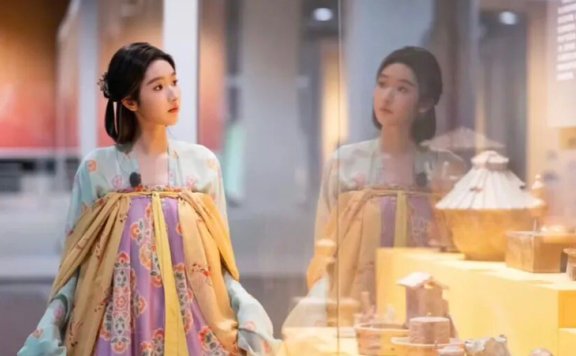
When Wang Yuwen (王玉雯) stepped into a museum wearing a flowing Hanfu outfit on the variety show Wow the World (地球超新鲜), she did more than just turn heads—she sparked a conversation about how traditional clothing could weave itself into the fabric of modern life. Viewers flooded social media with praise, noting how natural and approachable she looked, as if this centuries-old style had never left everyday wardrobes. Her choice wasn't a costume for a period drama but a thoughtful nod to the past, blending history with contemporary ease. This moment highlights a growing curiosity about Tang Dynasty fashion and its potential revival, inviting us to imagine a world where such garments are as common as jeans and t-shirts. What made her appearance so relatable, and why does it matter today? The answers lie in the details of the attire, the craftsmanship behind it, and the cultural threads that connect then and now. The Tang Style Wang's ensemble featured a Qixiong (齐胸) style, where the skirt is tied high above the chest, a design popular during the peak of the Tang era. Unlike the elaborate updos often seen in historical depictions, she paired it with a simple, everyday hairdo, making the look… -

The Vendetta of An: A Tactical Epic Blending Tang Wisdom and Modern Filmmaking
The recent approval of The Vendetta of An (长安二十四计) has set the stage for a fresh take on historical storytelling. This series, developed by Youku, brings together acclaimed actors like Cheng Yi and Liu Yijun (刘宇宁) in a 28-episode journey set in the imagined Wen Cheng (文承) period of the Tang Dynasty. It follows Xie Huai'an (谢淮安), a man driven by vengeance, as he allies with Emperor Xiao Wuyang (萧武阳) to thwart a rebellion led by General Yan Fengshan (言凤山). Blending traditional wisdom with modern filmmaking, the show aims to captivate audiences with its intellectual depth and aesthetic appeal, offering a unique perspective on power and loyalty in ancient China. Narrative Framework The Vendetta of An employs a distinctive episodic format, with each installment dedicated to one of the classic stratagems from Chinese lore. This approach not only structures the plot but also emphasizes the cerebral clashes between characters. Viewers can expect a paced unraveling of schemes, where every move ties into broader political games, making each episode a self-contained lesson in tactics and suspense. By rooting the story in these time-honored strategies, the series connects audiences to cultural heritage without relying on dry historical recounts. The progression from… -
Tang Dynasty Hanfu: How Celebrities and Flattering Styles Win Hearts
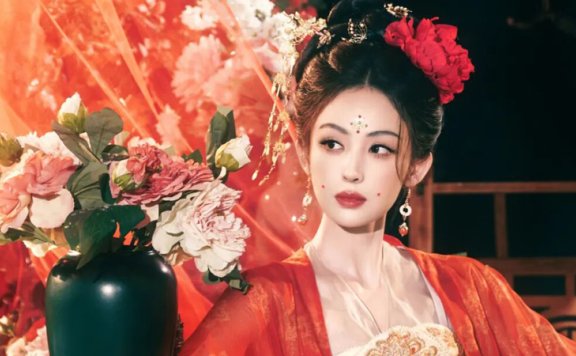
In today's fashion landscape, traditional attire from China's Tang Dynasty is experiencing a vibrant resurgence. This era, celebrated for its cultural prosperity and artistic innovation, has left a lasting legacy in clothing that emphasizes grace and adaptability. Hanfu styles from this period, with their flowing silhouettes and intricate details, are being rediscovered by a new generation. What makes them particularly appealing is their ability to flatter diverse body types and facial features, moving beyond rigid beauty standards. From curvy figures exuding opulence to slender frames radiating elegance, Tang Hanfu offers a versatile canvas for self-expression. Recent television series and celebrity endorsements have amplified this trend, making it more accessible and inspiring people to embrace their unique beauty through historical fashion. Flattering Designs The Qixiong Ruqun (齐胸襦裙) stands out as a quintessential Tang Dynasty garment, known for its high-waisted cut that rests above the bust. This design creates a universally flattering shape by avoiding tight fits and instead using soft, draping fabrics that flow with the body. For those with curvier builds, the loose structure and billowing sleeves help smooth lines and convey a sense of dignified luxury. Slimmer individuals find that the lightweight materials enhance their natural grace, adding an… -
46-Year-Old Dong Xuan Stuns in Pink Hanfu
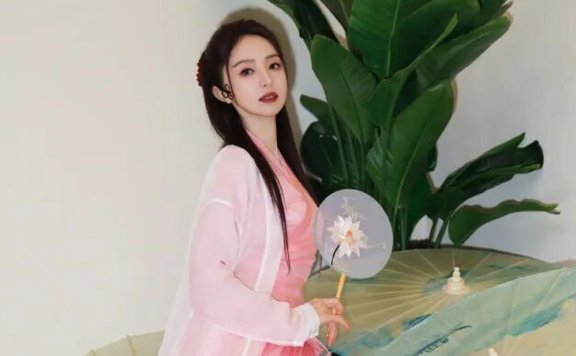
When photos of Dong Xuan (董璇), a 46-year-old actress, surfaced online in a stunning pink Hanfu ensemble, they instantly captivated audiences. The images, set against a backdrop reminiscent of Jiangnan's scenic beauty, showcase her in a flowing, gauzy dress that seems to dance with the breeze. This isn't just another celebrity photoshoot; it's a vivid portrayal of classical elegance meeting modern grace. Her choice of a round fan adorned with lotus motifs and traditional embroidered shoes completes the look, making it a topic of widespread admiration. At an age where many might shy away from bold fashion statements, Dong Xuan demonstrates how timeless style transcends generations. The response has been overwhelming, with fans and fashion enthusiasts alike praising her ability to embody the spirit of traditional Chinese aesthetics so effortlessly. This moment highlights a growing appreciation for cultural elements in contemporary media, and Dong Xuan's presentation serves as a perfect entry point into this discussion. The Ensemble The pink gradient Hanfu worn by Dong Xuan features layers of sheer silk that create a soft, ethereal effect. Its design includes delicate sleeves that flutter gently, evoking the tranquil atmosphere of a water town in southern China. The color transitions from light… -
The Making of Destiny in Whispers of Fate
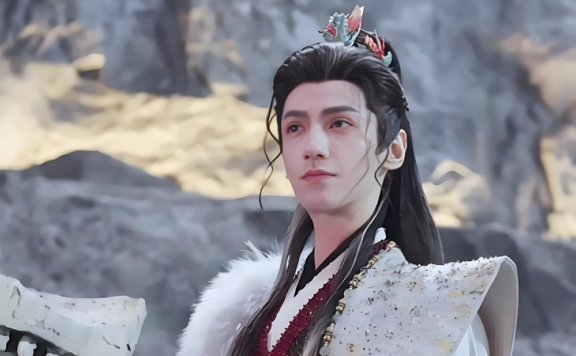
How does a man haunted by his past forge a new destiny in a world of martial arts and mystery? This is the central question at the heart of the captivating Wuxia drama, Whispers of Fate (水龙吟). Led by the enigmatic Tang Lici (唐俪辞), a group of skilled fighters navigate a landscape of ancient sects, personal vendettas, and hidden truths. The story unfolds as Tang journeys to the famed Sword King City, but his path is anything but direct. From a treacherous encounter at the mysterious Thirteen Floors to gaining an unlikely ally, each step reveals more about his complicated history and the limited time he has to confront it. A Perilous Shortcut After bidding farewell to Zhong Chunji (钟春髻), Tang Lici continues his travels with his companions, Chi Yun (池云) and A Shui (阿谁). Their journey takes a dramatic turn when their boat is sucked into a massive whirlpool. Instead of leading to disaster, the vortex transports them directly to the gates of an elusive and powerful organization, the Thirteen Floors. Chi Yun is astounded, having known the place as notoriously difficult to enter. The master of the Thirteen Floors is waiting for them, and he immediately recalls the… -
Chen Duling’s Zhuozheng Garden Hanfu Photoshoot
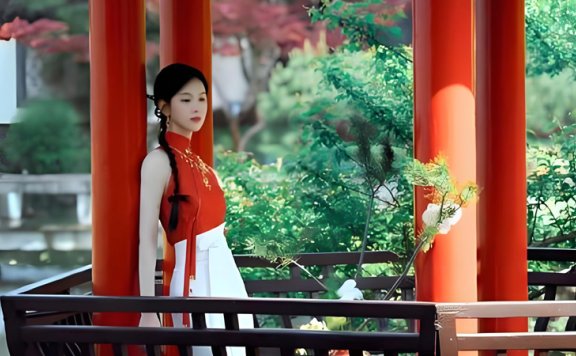
In an era dominated by fast-paced digital consumption, a recent photoshoot featuring Chen Duling (陈都灵) at Zhuozheng Garden (拙政园) has captivated millions, sparking conversations beyond mere aesthetics. Dressed in traditional Hanfu attire, her red and white ensemble against the garden's classical backdrop evokes a sense of timeless elegance. This imagery resonates deeply in a society grappling with constant noise, offering a visual pause that challenges modern beauty norms. Rather than a fleeting trend, it invites reflection on how authenticity and craftsmanship can thrive today. The response highlights a growing appetite for substance over speed, where every detail tells a story of cultural continuity and personal resonance. Craftsmanship Revived At the heart of Chen Duling's photoshoot lies an emphasis on meticulous artistry. Each element, from the hand-stitched Pan Kou (盘扣) buttons to the Baiyuzan (白玉簪) hairpin, was crafted by skilled artisans, underscoring a dedication to time-honored techniques. This attention to detail contrasts sharply with mass-produced Hanfu variants that prioritize speed over substance. The deliberate choice of materials and methods not only enhances visual appeal but also reinforces the garment's relationship with the wearer's form. It transforms clothing into a narrative of patience and precision, making beauty tangible through every thread and… -
Can Hanfu Break Free from Tradition in Love's Freedom?
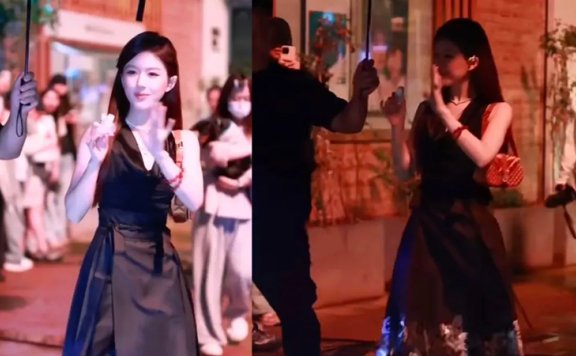
In the television drama Love's Freedom (许我耀眼), the character Xu Yan (许妍), portrayed by popular actress Zhao Lusi (赵露思), embarks on a challenging entrepreneurial venture: modernizing traditional Chinese clothing. Her struggle mirrors a real-world debate simmering across the country. As Hanfu and other ethnic styles gain visibility, a critical question emerges: what kind of innovation truly honors these garments while making them relevant for today? The series does not offer easy answers, but it successfully frames a vital conversation about cultural identity in a fast-moving world. It moves beyond simple nostalgia, probing how historical attire can find a genuine place in contemporary closets, not just in photo studios or ceremonial events. The journey is far from straightforward. Love's Freedom illustrates the delicate balance required when tweaking centuries-old designs. Some purists argue that any alteration dilutes cultural authenticity, while others believe that without adaptation, these beautiful garments risk becoming mere costumes. Xu Yan's fictional endeavor highlights a practical reality: for clothing to be worn, it must be livable. It must accommodate the pace of modern life, from commuting on public transport to working in an office. The show suggests that the future of ethnic fashion lies not in perfect museum-quality replication,… -
Illustrated Ancient Clothing: Learn Hanfu’s Basic Features and Forms
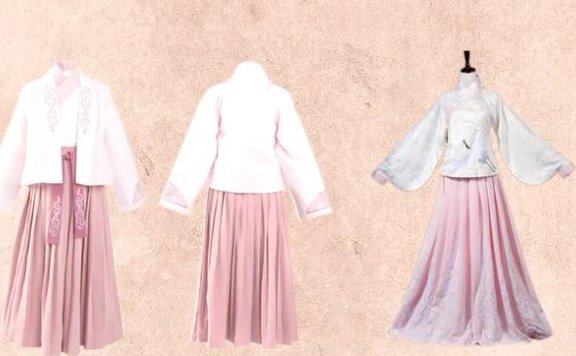
Hanfu represents the enduring attire system of the Han ethnic group, reflecting centuries of cultural practices and aesthetic values. This clothing is defined by precise elements like the right-crossing collar, broad sleeves, and hidden ties, distinguishing it from modern interpretations. It serves as a functional record of China's historical identity, blending philosophy with daily wear. Early forms such as the Shenyi (深衣) from the Pre-Qin era laid the foundation, emphasizing unity in design. The Han period featured the Quju (曲裾) for formal events, while the Tang dynasty's Qixiong Ruqun (齐胸襦裙) expressed vibrancy and freedom. Song styles like the Beizi (褙子) favored understated elegance, and Ming innovations such as the Mamian Qun (马面裙) and Liling Aozi (立领袄子) highlighted technical mastery. Each shift mirrored societal values, creating a rich visual legacy. https://youtu.be/O8j8zk_WsBo 1. The basic characteristics of Hanfu Hanfu represents the traditional dress of the Han Chinese people, with a history that stretches back millennia. Its design principles are deeply rooted in cultural practices and aesthetic ideals, offering a unique perspective on garment construction. This clothing style emphasizes fluidity and grace, moving beyond mere fashion to embody a way of life. Each element of Hanfu serves a purpose, blending form and function… -
Korean Language Learning Paired with Chinese Calligraphy and Hanfu Workshops
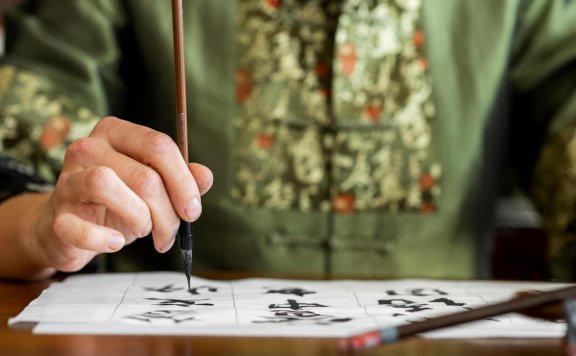
I. Introduction to the Benefits of Cultural Learning The learning of culture is an enriching activity that surpasses language acquisition. It opens one's eyes to the traditions, customs, and artistic expressions that shape a society. When individuals embark on learning a foreign language, they are not merely memorizing vocabulary and grammar rules; they are tapping into a rich heritage of cultural richness. This exchange generates empathy, broadens world perspectives, and enhances communication skills, enabling students to connect with others on a personal level. A. Importance of Language Acquisition in Cultural Context Language reflects culture, adopting the values, beliefs, and history of a people. Through Korean learning, for example, students gain familiarity with the complexities of Korean society, including its etiquette, social norms, and historical context. Studying the language in its cultural context allows students to understand the subtleties of communication, such as honorifics for conveying respect and idiomatic expressions for revealing cultural attitudes. Not only does such a cultural approach enrich the process of learning the language, but it also fosters an attitude of global citizenship. B. Korean Language Overview Korean, the official language of both North and South Korea, stands out with its distinct phonetic and grammatical structures. Its… -
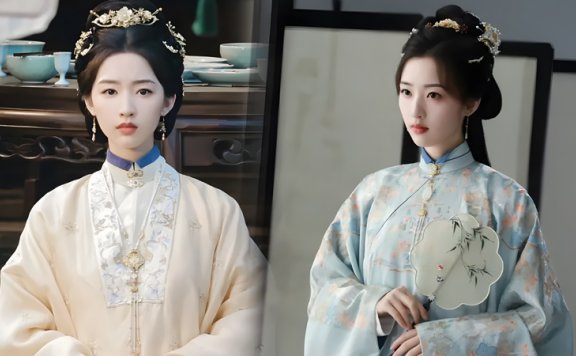
Deng Enxi's Ming-Era Hanfu in When the Flowers Bloom Radiate Poise
The historical drama When the Flowers Bloom (花开锦绣), starring Deng Enxi (邓恩熙) and Ding Yuxi (丁禹兮), has sparked lively discussions among viewers, particularly for its attention to Hanfu inspired by the Ming Dynasty. Set against a backdrop of imperial intrigue and personal growth, the series follows the journey of Deng's character as she navigates court life, with her wardrobe evolving to reflect her status. Many have noted that Deng appears more dignified and elegant in these costumes compared to her previous roles. This article delves into the craftsmanship, styling, and visual storytelling behind this transformation, exploring how Ming-style attire enhances character portrayal and why it resonates with modern audiences seeking authenticity in period dramas. Costume Craftsmanship In When the Flowers Bloom, Deng Enxi's wardrobe primarily features Ming Dynasty styles, such as the standing-collar robe paired with a Mamianqun (马面裙). The costumes incorporate techniques like gold-woven patterns and subtle embroidery, which were hallmarks of Ming nobility. These elements not only add richness but also convey the character's rising social standing through intricate details that catch the light differently on screen. One reason the attire appears so dignified is its balanced use of fabrics and decorations. For instance, gold-thread weaving and floral… -
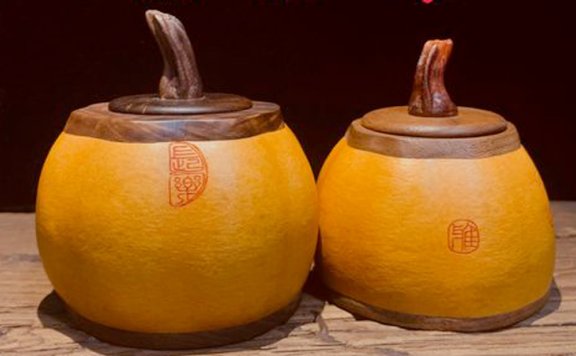
Step-by-Step Guide to Making a Wine Gourd and Tea Caddy
Have you ever sipped wine from a vessel you made with your own hands? This ancient practice, transforming a humble gourd into a functional work of art, is experiencing a quiet resurgence. Beyond their rustic charm, dried gourds possess a unique set of qualities that make them ideal for storing precious commodities like tea and wine. Their natural, faintly sweet aroma doesn't transfer to the contents, and with the right sealing techniques, they become perfectly airtight containers. The process of creating these objects is a meditative craft, blending patience with practicality. It offers a tangible connection to tradition and the deep satisfaction of creating something both beautiful and useful from nature's bounty. Method of Making a Wine Gourd Selecting the right Hulu (葫芦) is the crucial first step. Look for one that is fully mature, with a hard, blemish-free shell and a shape that feels good in your hand. For a wine container, a classic rounded form with a narrow neck is perfect. A tea caddy often benefits from the broader, flatter profile of a "winter melon" gourd variety. The initial preparation is straightforward but requires a careful touch. Using a small saw, carefully cut around the top of the… -
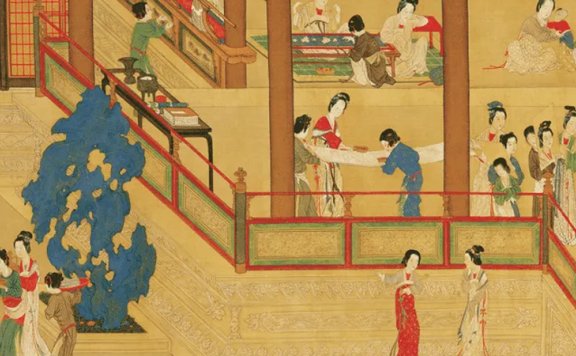
Hanfu: More Than Clothing, a Millennium of Cultural Legacy
Walk down a modern city street, and you might spot a figure in flowing robes, hair adorned with Buyao Zhuchai (步摇珠钗), as if stepping out of an ancient painting. That’s Hanfu – a traditional garment making a comeback, but its meaning goes far beyond fashion. It’s a living bridge to China’s thousand-year-old culture, a piece of history worn with pride. Symbols Woven in Threads Hanfu, short for "Han Ethnic Traditional Clothing", is not just fabric stitched together. It’s a cultural symbol, a tangible reminder of who the Han people are. Every line, every fold, carries the weight of centuries. The Zuo Zhuan (左传), an ancient historical text, says: "China is called Xia for its grand rituals; Hua for its beautiful clothing." The very name "Huaxia" – what the Han people call themselves – ties identity to clothing. Hanfu embodies ancient values: hierarchical order, ethical cultivation , and aesthetic ideals. It’s not just clothes; it’s a language of culture. Take the "jiaoling youren" (交领右衽) – the cross-collar that overlaps to the right, forming a Y-shape. This isn’t a random design; it reflects the belief that "right is honorable," a core part of traditional ethics. Ribbons replace buttons, symbolizing harmony and inclusivity.… -
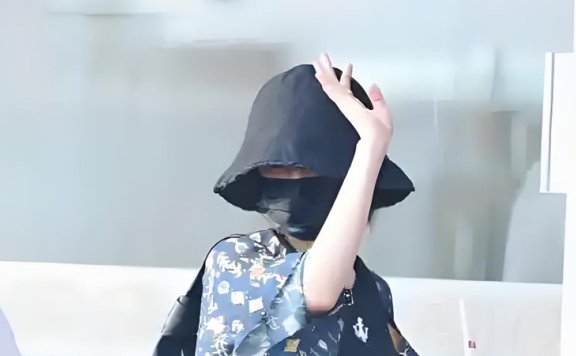
Hanfu on the Airport Runway: Yang Mi's Fashion Gambit That Divided China
When 38-year-old actress Yang Mi (杨幂) strode through Beijing Capital International Airport on August 17, 2023, she didn't just travel; she ignited a nationwide fashion firestorm. Her outfit – a black sleeveless maxi dress layered under a striking blue printed Hanfu jacket, paired with silver sneakers, a fisherman's hat, a croissant bag, and a green drink – was an audacious blend of ancient tradition and hyper-modern street style. Instantly, the terminal buzzed. Passersby gasped at her effortless cool, fans flooded social media with praise for "Mi-style fashion," and the internet erupted with a singular question: which of her peers would dare to challenge conventions so boldly at 38? This wasn't merely a celebrity look; it became a cultural Rorschach test, forcing a conversation about tradition, modernity, and who gets to define Chinese style. The Scene Yang Mi's choice was meticulously calculated nonchalance. The blue Hanfu jacket, featuring a Yuanlingpao (圆领袍) often associated with historical formality, was transformed. Its loose, contemporary cut and deliberate clash with casual items – the laid-back fisherman's hat, the playful croissant bag, and the ultimate disruptor, chunky silver sneakers – stripped away any stuffiness. This fusion catapulted Hanfu aesthetics squarely into the realm of Gen Z…