What if you could step through the doors of a modern bookstore and find yourself in a classical Chinese painting? On March 1st, the Harbin Xinhua Bookstore is transforming its third floor into a living tableau of lanterns, moonlight, and ancient melodies. It’s inviting the public to do more than just read about tradition—it’s asking them to wear it, hear it, and play it. This isn’t a history lesson; it’s a sensory invitation to experience the Lantern Festival through the rustle of Hanfu silk, the twang of the Guqin (古琴), and the suspense of a well-aimed arrow in a pitch-pot game. As the last of the winter snow melts outside on Gogol Street, inside, the warmth of community and culture awaits.
Performance Time:
Sunday, March 1st, 2026 at 14:00
Venue:
Harbin Xinhua Bookstore
Music on the Strings, Spring in the Air
Forget a stuffy concert hall. Here, the music is part of the atmosphere. The Longjiang Guqin Society (龙江古琴社) is set to perform Drunken Fisherman Singing the Evening (醉渔唱晚) and Beating Clothes (捣衣). These are not just tunes; they are stories told through the fingers. One piece might paint a picture of ancient warriors on horseback, fitting for the energy of a new year, while another evokes the quiet elegance of scholars gathered by a flowing stream. The sound of the instrument is subtle and introspective, designed to be heard in an intimate setting, making the bookstore’s quiet corners the perfect stage.
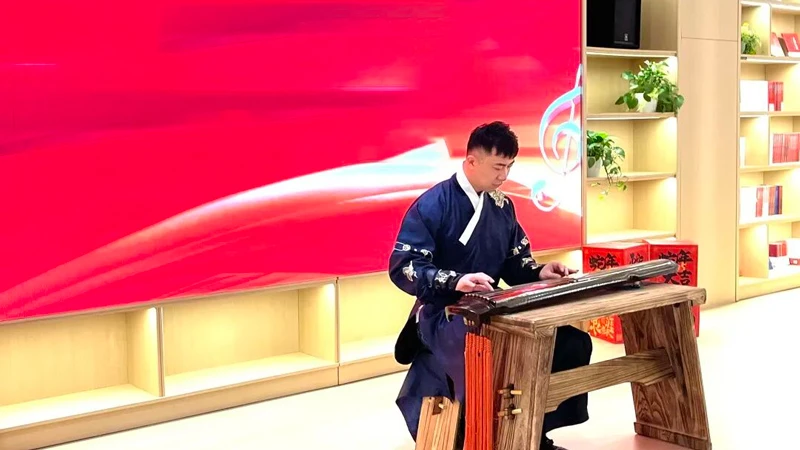
As the players pluck the seven strings, it feels like they are painting a scroll of early spring right there in the air. It’s a chance to really listen—to notice the silence between the notes, which is just as important as the notes themselves. This is the opposite of background music; it demands your presence. Whether you know the repertoire or are hearing it for the first time, the ancient tones create a bridge, connecting the rush of modern life to a moment of profound calm, all while surrounded by shelves of contemporary books.
Riddles, Arrows, and the Spirit of Play
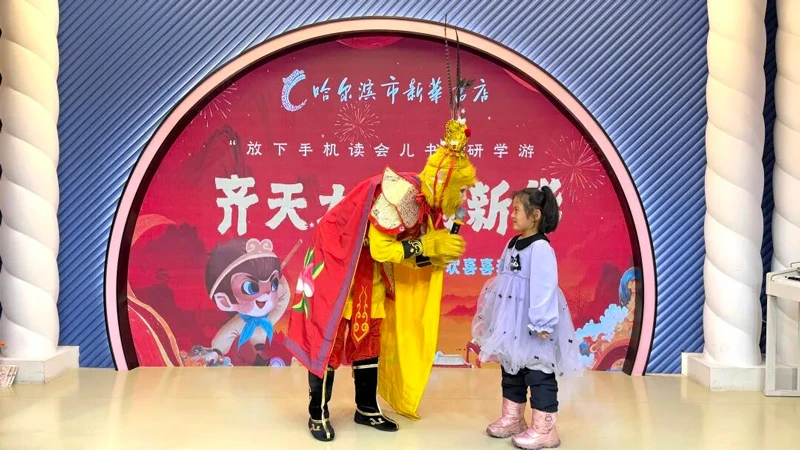
After the quiet focus of the music, the evening shifts into a more playful gear. A staff member dressed as the Monkey King will roam the space, hiding lantern riddles among the stacks. This isn’t just a simple game of questions and answers. Each riddle is a small puzzle, a clever word game that holds the wisdom and humor of generations. Cracking one feels like a small victory, a moment of connection with the playful scholars of the past, and yes, it comes with a little prize to take home.
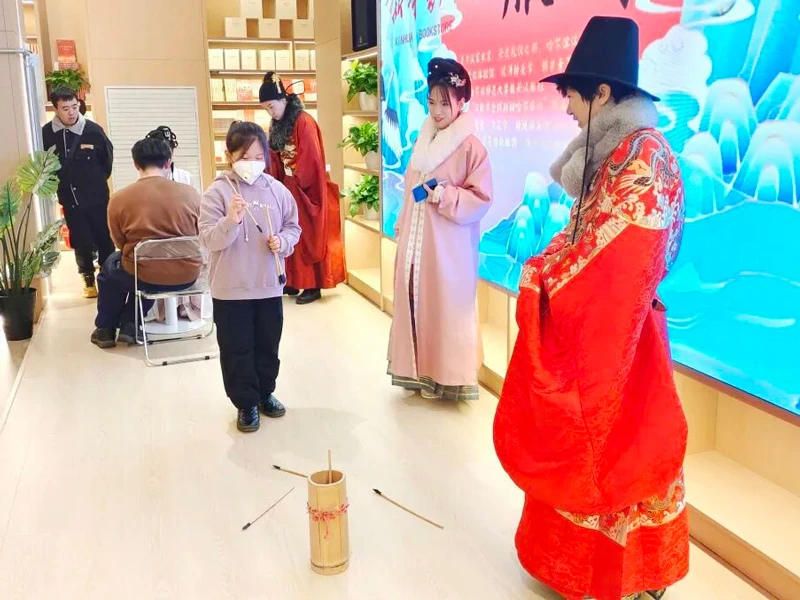
Then there is the pitch-pot game, an activity that is deceptively simple but endlessly engaging. You stand a few feet away, take a breath to steady your hand, and toss an arrow into a narrow-necked vase. The satisfying *thunk* as it lands is pure joy. It’s a game of focus and a steady nerve, once a staple of ancient banquets. Here, kids can challenge their parents, friends can compete, and everyone gets a feel for this elegant blend of sport and ritual. In that moment of shared laughter and friendly competition, the centuries fall away, and the joy of the game feels brand new.
Your Place in the Picture
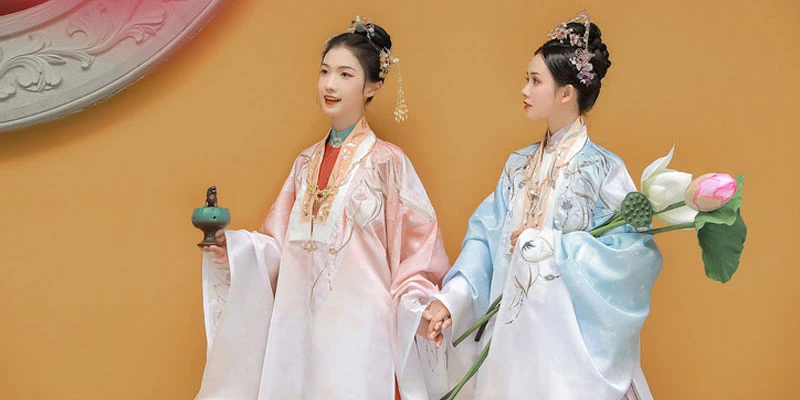
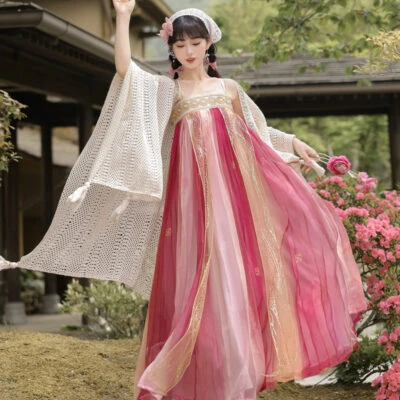
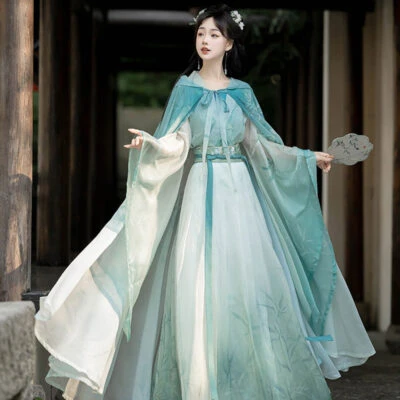
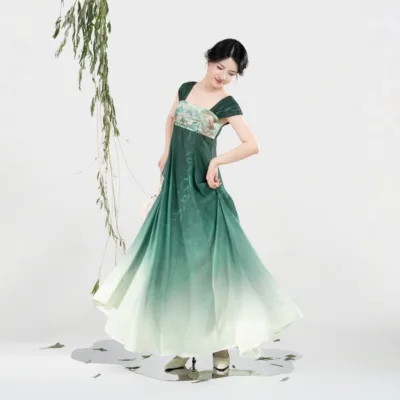
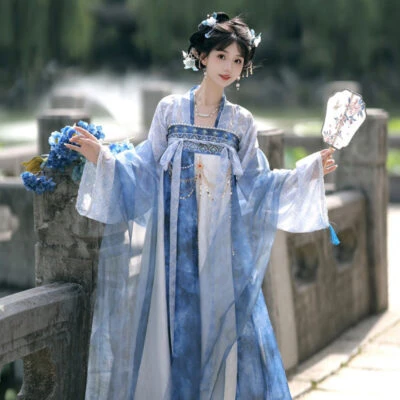
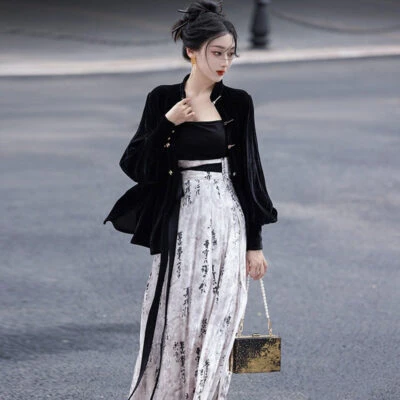
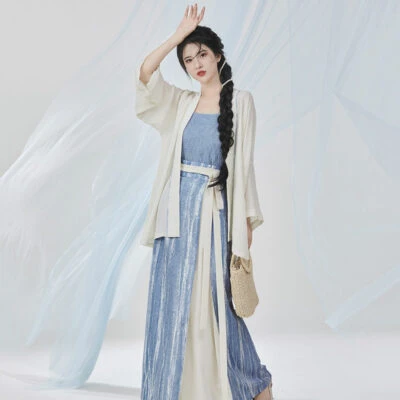
This entire experience is designed with one rule for entry: you must wear Hanfu. This requirement isn’t about being exclusive; it’s about immersion. When you arrive dressed in the flowing sleeves and vibrant colors of traditional clothing, you stop being just a spectator. You become part of the scene. You’re not just watching the music; you’re wearing the culture. You’re not just observing the games; you’re playing them in the same spirit they were enjoyed for centuries. It transforms an event into a personal memory.
Hosted by the Harbin Library and the Harbin Guqin Research Association, this gathering at 368 Gogol Street on March 1st at 2 p.m. is an open invitation. It says that tradition is not something locked away in a museum. It’s alive, and it lives best when shared. So, slip into your finest Hanfu, bring your curiosity, and come let the lanterns, the books, and the music welcome you. All you need to bring is yourself; the evening will provide the rest.