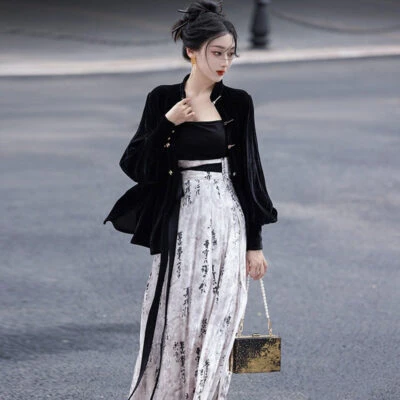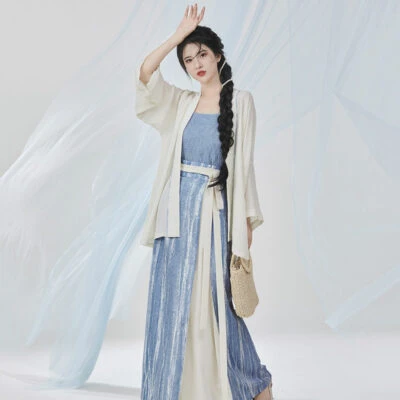
In today’s fashion landscape, traditional attire from China’s Tang Dynasty is experiencing a vibrant resurgence. This era, celebrated for its cultural prosperity and artistic innovation, has left a lasting legacy in clothing that emphasizes grace and adaptability. Hanfu styles from this period, with their flowing silhouettes and intricate details, are being rediscovered by a new generation.
What makes them particularly appealing is their ability to flatter diverse body types and facial features, moving beyond rigid beauty standards. From curvy figures exuding opulence to slender frames radiating elegance, Tang Hanfu offers a versatile canvas for self-expression. Recent television series and celebrity endorsements have amplified this trend, making it more accessible and inspiring people to embrace their unique beauty through historical fashion.
Flattering Designs
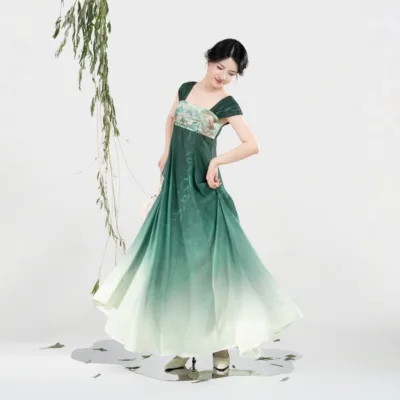
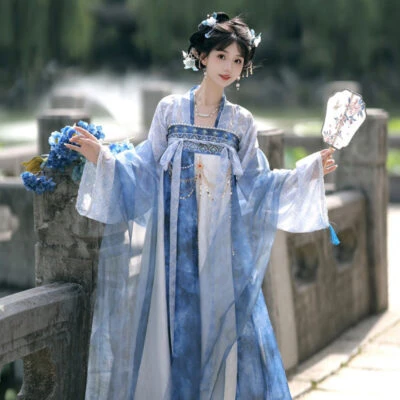
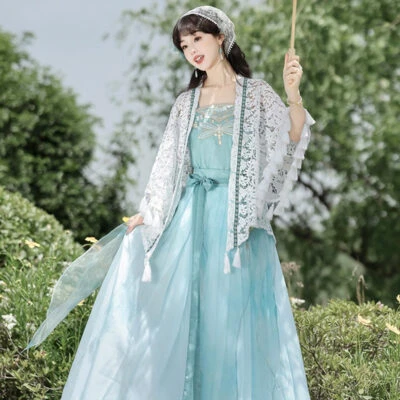
The Qixiong Ruqun (齐胸襦裙) stands out as a quintessential Tang Dynasty garment, known for its high-waisted cut that rests above the bust. This design creates a universally flattering shape by avoiding tight fits and instead using soft, draping fabrics that flow with the body. For those with curvier builds, the loose structure and billowing sleeves help smooth lines and convey a sense of dignified luxury. Slimmer individuals find that the lightweight materials enhance their natural grace, adding an ethereal touch. Paired with a Daxiu Shan (大袖衫), or large-sleeved jacket, the outfit balances proportion and movement, making it a staple in wardrobes seeking both comfort and style.
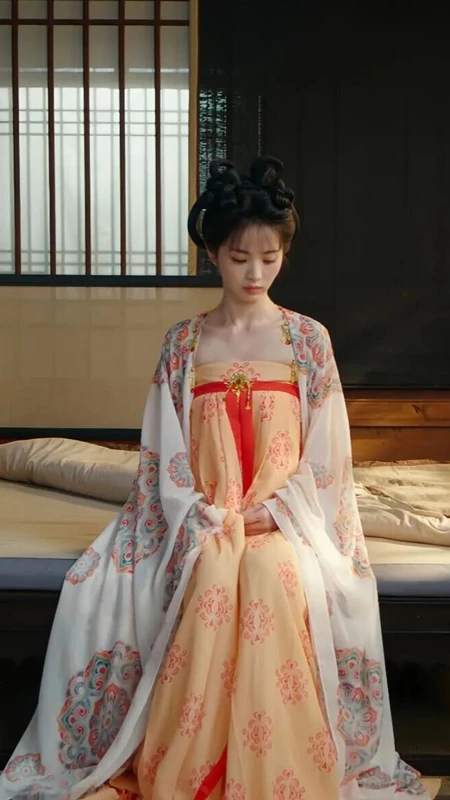
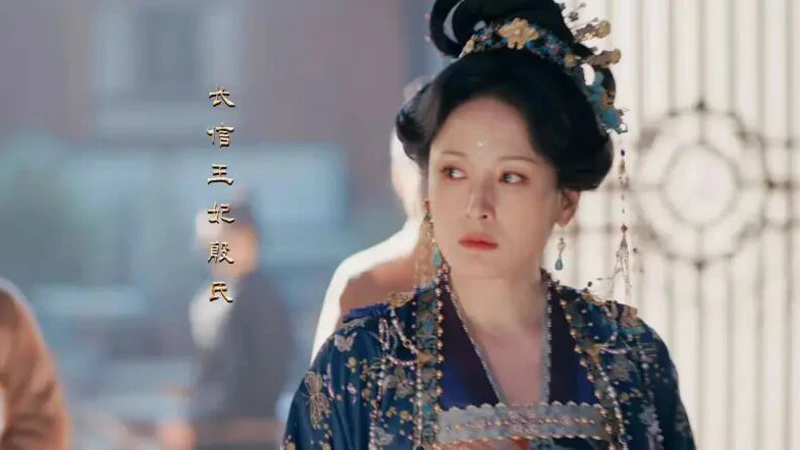
Facial harmony plays a key role in how Hanfu complements the wearer. Rounder faces, often associated with traditional ideals, align well with the grandeur of Tang styles, as seen with actress Tian Xiwei (田曦薇), whose fuller cheeks amplify the attire’s majestic vibe. For those with sharper features, variations from the Wu Zhou (武周) period offer tailored options like the Beizi (褙子) jacket and slim skirts that highlight delicacy. Hairstyles further refine the look; large buns or crescent chignons can frame the face, creating a smaller, more balanced appearance. This attention to detail ensures that Hanfu enhances individual traits rather than conforming to a single standard.
Inclusivity is at the heart of Tang fashion’s enduring appeal. The designs accommodate different body shapes without sacrificing elegance, promoting a message of body positivity. Slightly curvy women can embody a regal aura, while thinner wearers achieve a light, graceful effect. Fabrics like silk and linen allow for adjustable fits, and elements such as sashes and layers provide customization. This flexibility has fueled Hanfu’s revival, turning it into a symbol of cultural pride that celebrates diversity. By embracing these styles, wearers connect with history while expressing their personal identity in a meaningful way.
Star Inspirations
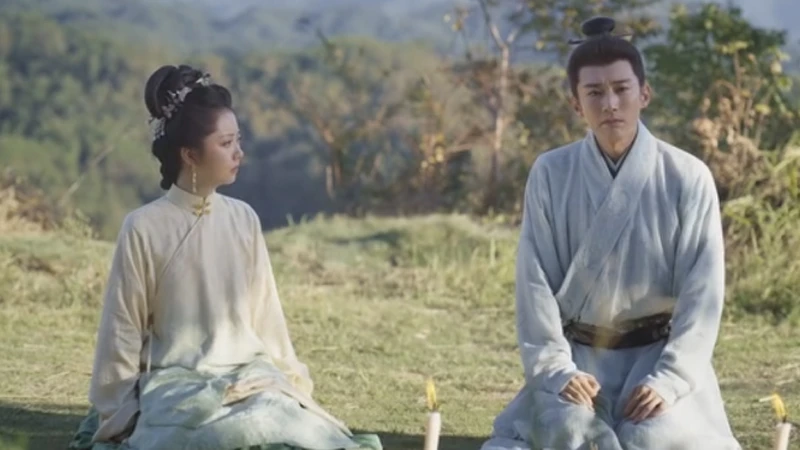
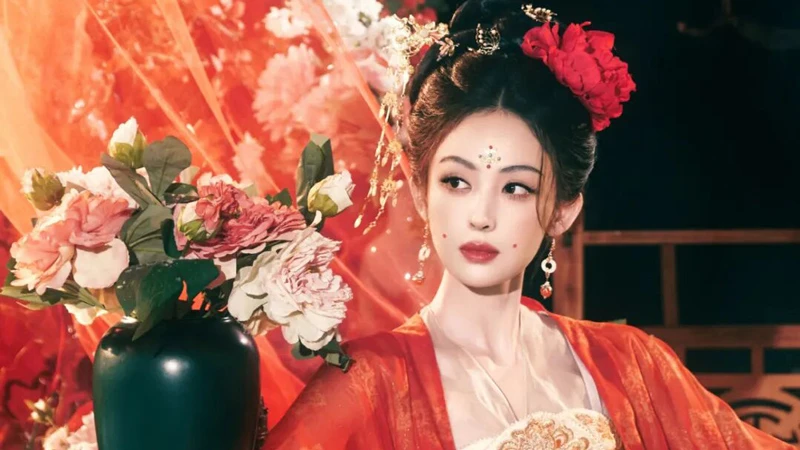
Celebrities have played a pivotal role in popularizing Tang Dynasty Hanfu, blending historical elements with contemporary flair. Gulnazar, from Xinjiang, defies expectations by wearing a striking red Qixiong Ruqun that complements her features unexpectedly well. Her ensemble, accented with a bold floral hairpiece, shows how traditional wear can harmonize with diverse backgrounds. Similarly, in the series Flourished Peony (国色芳华), Zhang Yaqin (张雅钦) embodies the mid-Tang aesthetic with a slightly plump figure, using voluminous sleeves and updos to create an elegant, refined look that resonates with viewers.
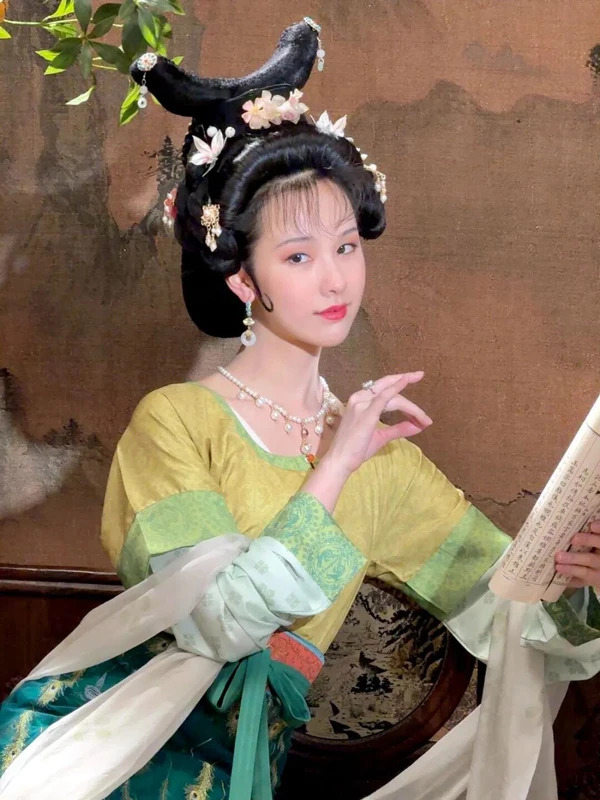
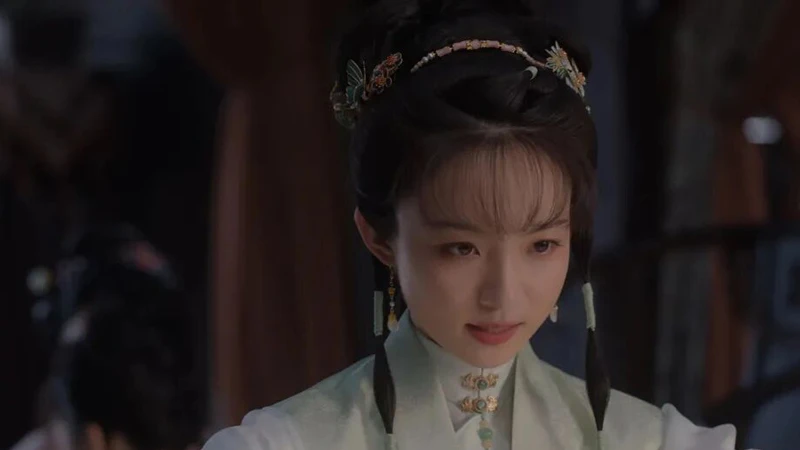
Other stars highlight different aspects of Tang fashion. Chen Duling (陈都灵) excels in Wu Zhou-era outfits, pairing Beizi jackets with flowing skirts for a slender, poised effect. Her hairstyle, featuring a crescent chignon and wispy bangs, evokes a classic beauty that feels both timeless and fresh. Liu Shishi (刘诗诗) often chooses Hanfu in cool, sophisticated palettes that lend a youthful yet distant charm, demonstrating how color and cut can transform one’s presence. These examples illustrate the range of possibilities within Tang styles, encouraging fans to experiment based on their own body types and preferences.
Actress Bai Lu (白鹿) showcases how Hanfu can address modern fashion critiques. In contemporary roles, her figure might draw comments, but in ancient costumes, the layered designs and flowing lines balance her proportions, resulting in a graceful, head-to-toe harmony. Adornments like pearl hairpins add a touch of refinement, making her appear every bit the historical figure. This transformation underscores how Tang Hanfu can enhance natural beauty, providing an alternative to form-fitting modern attire that often emphasizes specific body parts.
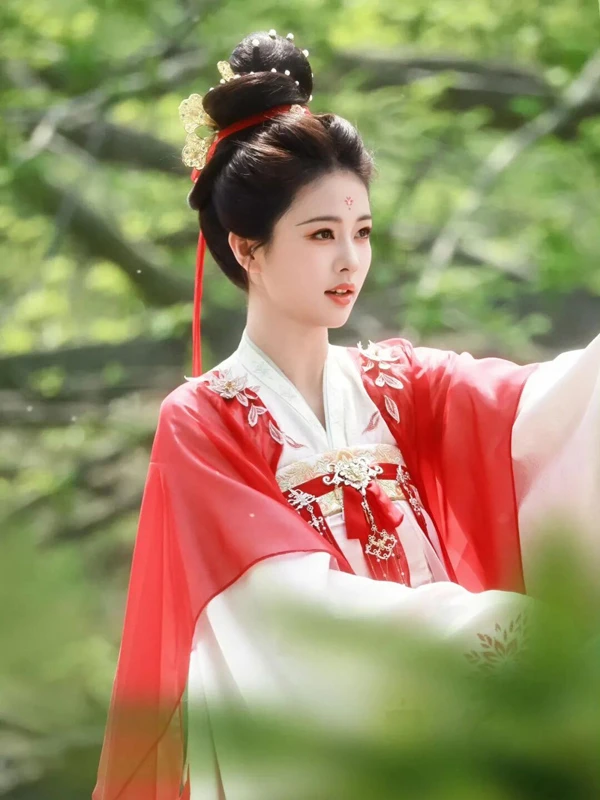
Lastly, Jiang Mengjie (蒋梦婕) surprises with her ability to shift from a delicate image to one of grand elegance in Hanfu. Styled with a Tianbao Pifa (天宝披发) hairstyle and subtle hair ornaments, she masters a consort-like demeanor, even with dramatic makeup. Her portrayal highlights the versatility of Tang fashion, proving that it can adapt to various personal styles while maintaining its historical essence. Through these celebrity influences, Hanfu gains relevance, inspiring broader audiences to explore and appreciate this rich sartorial heritage.