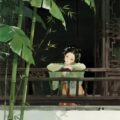
The aroma of steaming dumplings mixed with the soft rustle of silk and brocade. On the afternoon of December 19, 2025, a university cafeteria was transformed. Here, over a hundred students gathered, not just for a meal, but for a journey. The Hanfu Society hosted "Wearing Han Attire, Savoring Winter Solstice Elegance," an immersive event designed to bridge millennia-old traditions with youthful creativity. This was not a history lecture, but a living experience where the ancient Dongzhi (冬至) festival was felt through hands, taste buds, and shared laughter.
The Dumpling as Canvas
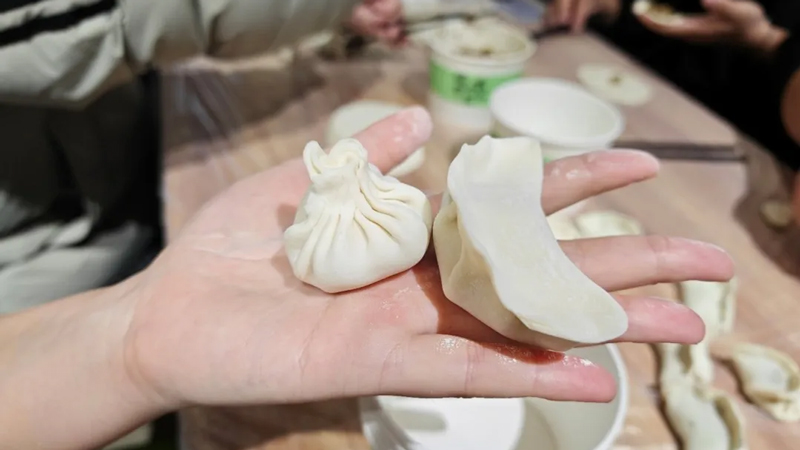
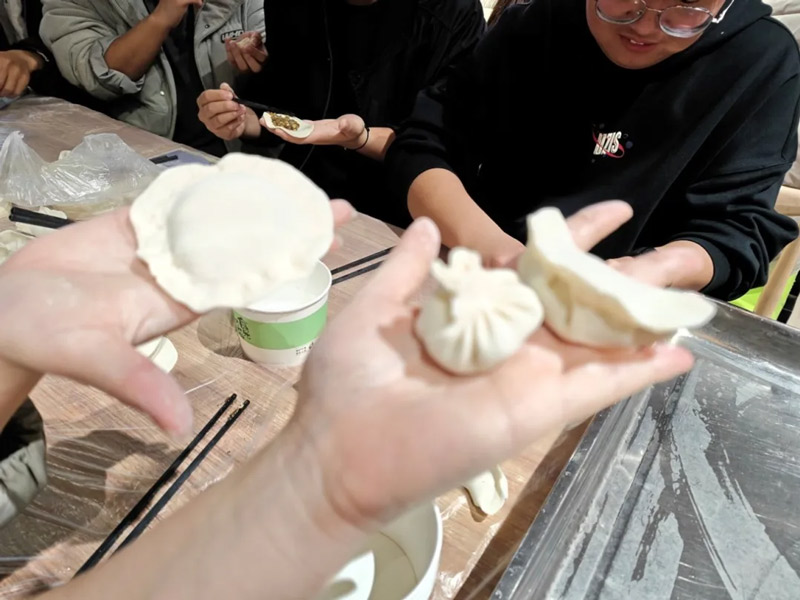
Dumplings are the undisputed star of Winter Solstice tables in northern China, symbolizing reunion and warmth. This event reimagined them as a creative outlet. Students didn't just wrap filling in dough; they sculpted it. Inspired by the flowing lines of their own Hanfu, traditional crescent shapes were joined by others resembling plum blossoms, ingots, and delicate fabric folds.
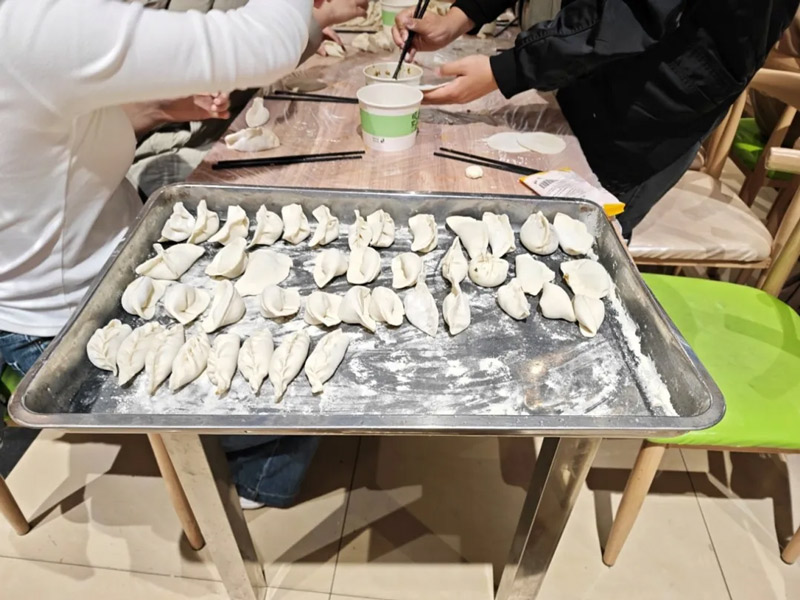
The kitchen area buzzed with focused energy. Teams collaborated in a friendly speed-wrapping competition, their fingers moving deftly. More time, however, was spent on artistic expression. The serious task of ensuring a good seal was punctuated by exclamations over a particularly elegant pleat or a cleverly shaped piece. Laughter flowed as freely as the boiling water in the pots.
This segment culminated in a shared feast. As participants tasted their creations, the conversation shifted from technique to personal stories and the symbolism behind the food. The act of making and eating together transformed the cafeteria into a space of intimate cultural connection, where every bite carried the weight of tradition and the spark of innovation.
Flour's Second Act
With the feast concluded, the creative session took an unexpected turn. Leftover flour, usually discarded, became the primary material for a new artistic endeavor. This "flour painting" activity challenged participants to see a common ingredient in a new light, directly engaging with themes of resourcefulness and beauty.
Dry flour was sifted onto dark boards to sketch delicate outlines. Mixed with water, it became a pliable clay for three-dimensional figures. Edible pigments in red, yellow, and green added vibrant accents. Students worked individually or in small groups, their topics centered on "Winter Solstice," "Hanfu," and "Togetherness."
One piece depicted ancient scholars appreciating plum blossoms by a stove. Another featured intricate pendants modeled after classic textile patterns like Yunwen (云纹) and Huiwen (回纹). A collaborative mural showed a grand "Plum Blossoms Herald Spring" scene. These creations, ranging from expressive sketches to detailed sculptures, celebrated the festival's spirit while ensuring nothing went to waste. Each piece was carefully preserved as a personal souvenir of the day.
A Living Tradition
As the event drew to a close, participants gathered for a final group photo, their handmade flour artworks and Hanfu robes captured in the frame. The success of the afternoon lay in its seamless layers. It was about wearing history, tasting ritual, and creating new memories from simple ingredients.
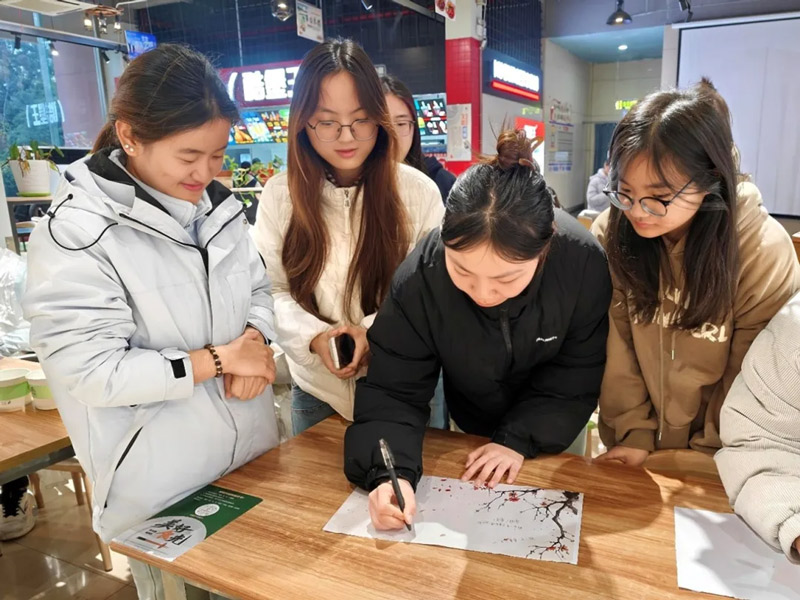
The event demonstrated that cultural transmission thrives on participation, not passive observation. By physically engaging with customs—whether writing wishes on a plum blossom check-in board, shaping symbolic food, or crafting with flour—abstract traditions became personal and memorable.
"We want people to fall in love with Hanfu by understanding the rich life and spirit it comes from," a society leader reflected. The warmth in the room that day, emanating from shared activity and discovery, suggested they had succeeded. This Winter Solstice gathering proved that tradition, when handed over with trust and space for play, finds a vibrant, enduring home in a new generation.
