
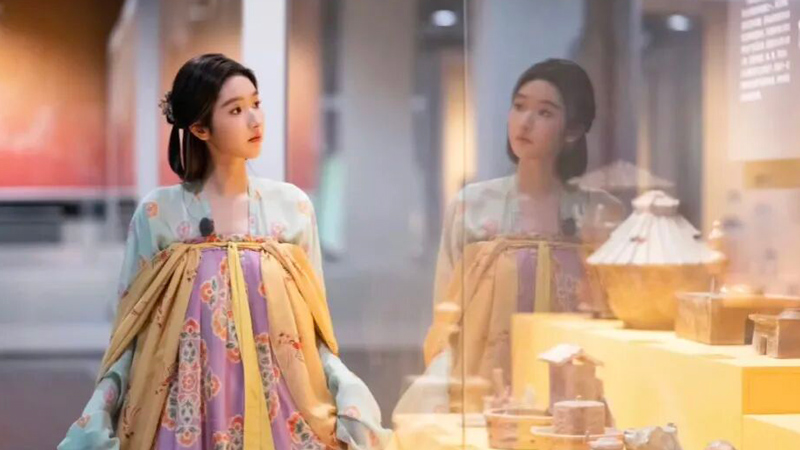
When Wang Yuwen (王玉雯) stepped into a museum wearing a flowing Hanfu outfit on the variety show Wow the World (地球超新鲜), she did more than just turn heads—she sparked a conversation about how traditional clothing could weave itself into the fabric of modern life. Viewers flooded social media with praise, noting how natural and approachable she looked, as if this centuries-old style had never left everyday wardrobes. Her choice wasn't a costume for a period drama but a thoughtful nod to the past, blending history with contemporary ease. This moment highlights a growing curiosity about Tang Dynasty fashion and its potential revival, inviting us to imagine a world where such garments are as common as jeans and t-shirts. What made her appearance so relatable, and why does it matter today? The answers lie in the details of the attire, the craftsmanship behind it, and the cultural threads that connect then and now.
The Tang Style
Wang's ensemble featured a Qixiong (齐胸) style, where the skirt is tied high above the chest, a design popular during the peak of the Tang era. Unlike the elaborate updos often seen in historical depictions, she paired it with a simple, everyday hairdo, making the look feel fresh and accessible. This approach stripped away the formality that sometimes surrounds traditional wear, showing how it could fit into casual outings without losing its elegance. The shorter length of the top, combined with the raised waistline, creates a silhouette that elongates the figure, a timeless flattery that resonates across eras.
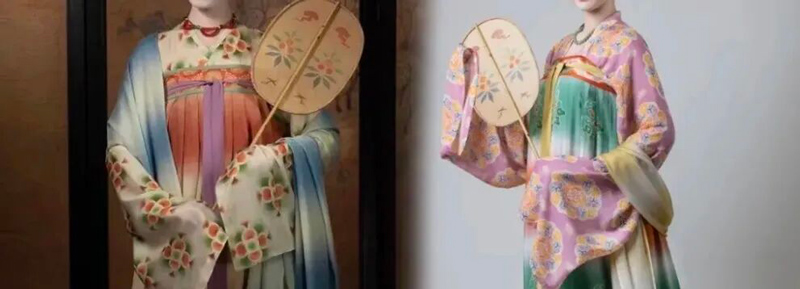
The colors she chose—soft pinks, blues, and purples—added to the outfit's gentle appeal, reflecting a palette that would have been cherished in ancient times for its vibrancy. These hues, achieved through natural dyes, brought out a warmth in her demeanor that modern clothing might not capture as effortlessly. It's this subtle harmony of cut and color that makes the style so enduring, proving that fashion from over a thousand years ago can still feel relevant and inviting today.
In the Tang Dynasty, women's daily wear typically consisted of three key pieces: the skirt, a top, and a shawl, as noted in historical texts like Sun Ji's work on Tang women's attire. Wang's outfit mirrored this structure, yet her relaxed styling reminded viewers that these elements weren't always reserved for grand occasions. By embracing a more understated version, she highlighted how Hanfu could transition from ceremonial use to something worn for a simple museum visit or a stroll in the park.
Ancient Dyeing Art
The intricate patterns on Wang's Hanfu weren't printed by machines but inspired by Ranxie (染缬), a dyeing technique that dates back to the Qin and Han dynasties. This method involves binding fabric to create resist-dye patterns, resulting in gradients and designs that feel alive with texture. Historical records, such as the Shuowen dictionary, describe it as a way to "tie and dye" cloth, producing swirls and motifs that were highly prized in Sui (隋) and Tang times for their lightness and beauty.
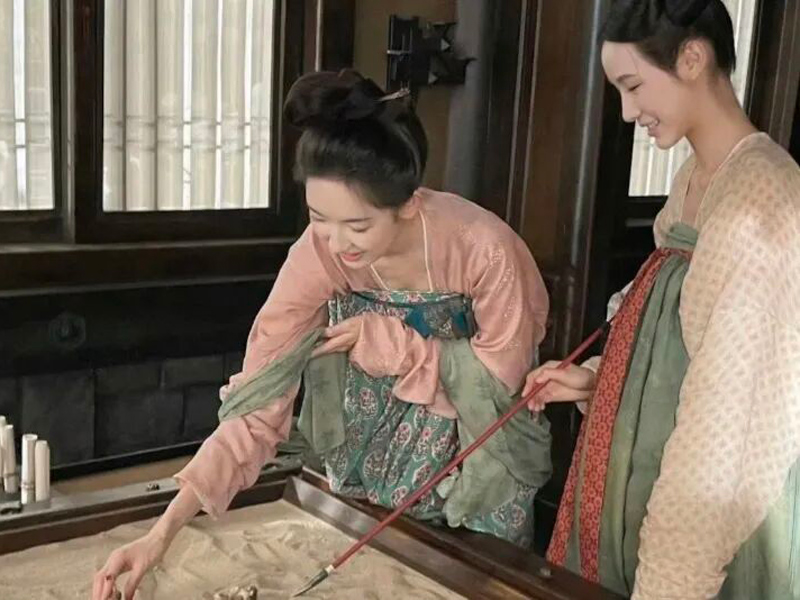
Ranxie allowed artisans to achieve effects that modern technology struggles to replicate authentically, from subtle color shifts to intricate floral themes. It was a craft accessible to many, worn by people across social classes, which helped it endure through dynasties. In Wang's outfit, the patterns evoked this heritage, serving as a reminder of the skill and creativity that once defined Chinese textile arts. By choosing such a piece, she brought attention to a fading art form that deserves a place in today's discussions about sustainable and meaningful fashion.
This technique wasn't just about aesthetics; it reflected a deep understanding of materials and nature, using plant-based dyes to create lasting impressions. As we look at contemporary fast fashion, Ranxie offers a lesson in patience and artistry—qualities that could enrich modern apparel. Wang's display on Wow the World subtly champions this idea, suggesting that reconnecting with old methods might inspire more thoughtful consumption and design.
Modern Hanfu Dreams
If Hanfu had never faded from daily use, it might have evolved into versatile forms like dresses or holiday wear, seamlessly integrated into modern life instead of being seen as a novelty. Wang's museum appearance fuels this vision, showing how traditional attire can feel as normal as any contemporary outfit. Her simple hairstyle and relaxed demeanor demonstrated that Hanfu doesn't require elaborate preparations to be beautiful—it can be part of a routine, much like how people in the Tang era adapted it for different occasions.
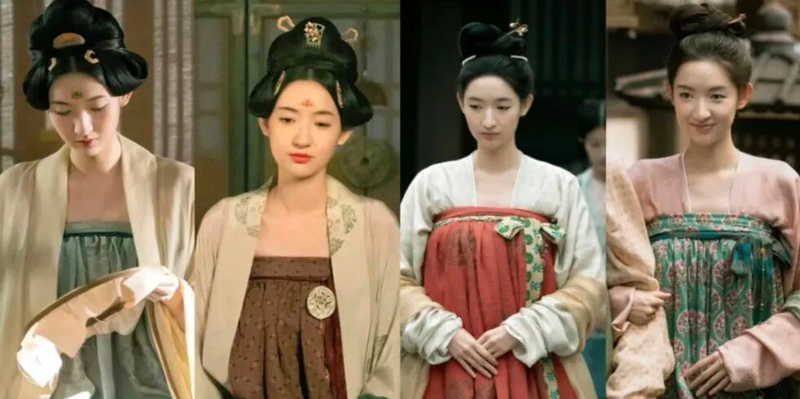
Public reactions to her look reveal a longing for cultural continuity, where clothing becomes a bridge between generations. In a world where global trends often dominate, Hanfu offers a way to celebrate local identity without sacrificing comfort or style. Wang's choice resonated because it felt authentic, not staged for photos or performances, but as a genuine expression of personal and cultural pride. This shift could help Hanfu shed its "costume" label and become a viable option for everyday wear.
Looking ahead, the interest sparked by figures like Wang suggests a potential renaissance for Hanfu, where it is appreciated for its history and adaptability. Designers might draw from its elements to create fusion pieces that honor the past while suiting modern tastes. As more people experiment with it, we could see Hanfu influencing mainstream fashion, reminding us that what was once everyday attire can inspire new traditions. Wang's stroll in the museum wasn't just a moment—it was a step toward reimagining how we connect with our heritage through what we wear.
