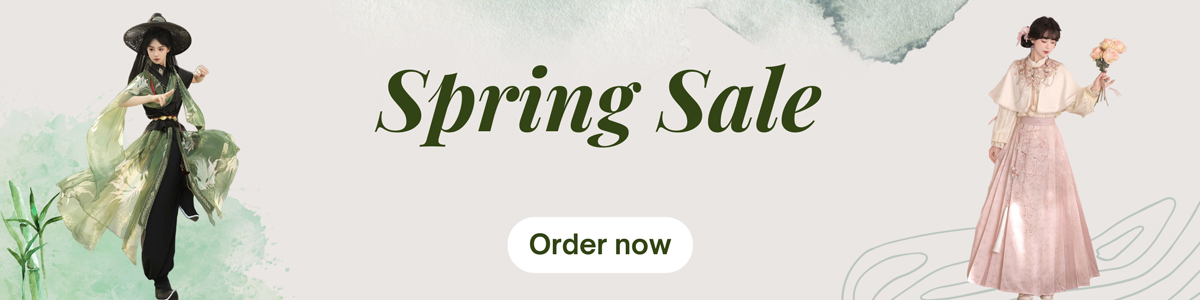
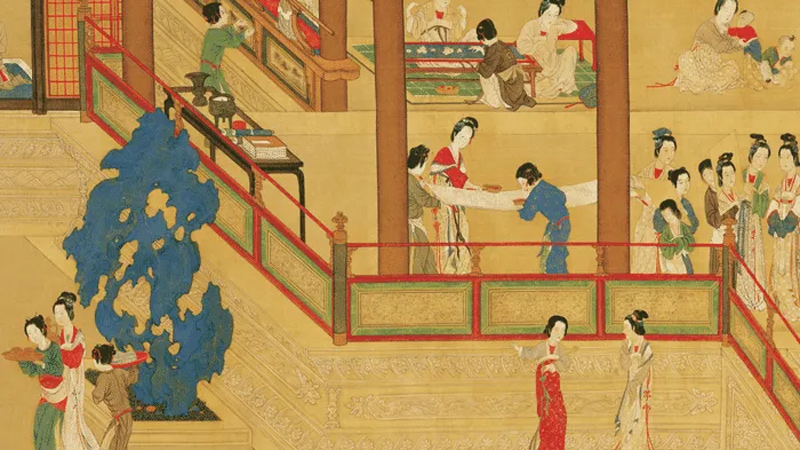
Walk down a modern city street, and you might spot a figure in flowing robes, hair adorned with Buyao Zhuchai (步摇珠钗), as if stepping out of an ancient painting. That’s Hanfu – a traditional garment making a comeback, but its meaning goes far beyond fashion. It’s a living bridge to China’s thousand-year-old culture, a piece of history worn with pride.
Symbols Woven in Threads
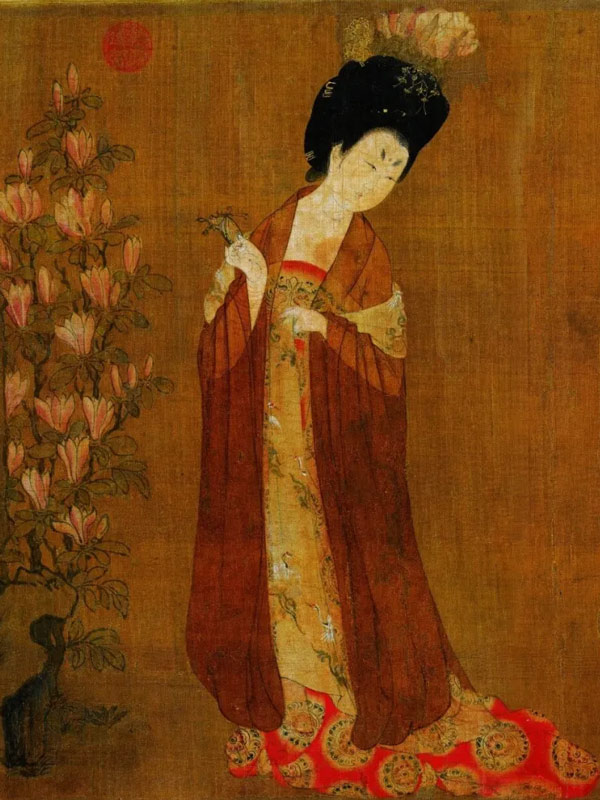
Hanfu, short for "Han Ethnic Traditional Clothing", is not just fabric stitched together. It’s a cultural symbol, a tangible reminder of who the Han people are. Every line, every fold, carries the weight of centuries.
The Zuo Zhuan (左传), an ancient historical text, says: "China is called Xia for its grand rituals; Hua for its beautiful clothing." The very name "Huaxia" – what the Han people call themselves – ties identity to clothing. Hanfu embodies ancient values: hierarchical order, ethical cultivation , and aesthetic ideals. It’s not just clothes; it’s a language of culture.
Take the "jiaoling youren" (交领右衽) – the cross-collar that overlaps to the right, forming a Y-shape. This isn’t a random design; it reflects the belief that "right is honorable," a core part of traditional ethics. Ribbons replace buttons, symbolizing harmony and inclusivity. Wide sleeves represent "the square earth" (from the "heaven round, earth square" philosophy), while flowing sashes speak to freedom and grace. Even the patterns tell stories: dragons and phoenixes for prosperity, plum blossoms for resilience, orchids for purity. Every stitch has a tale.
Clothing and Ritual: A Timeless Bond
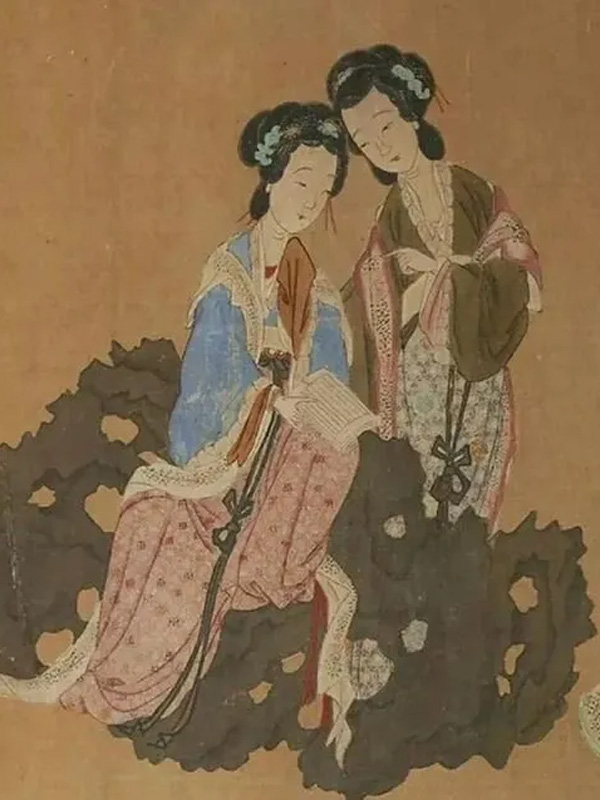
In traditional China, clothing and ritual were inseparable. The Liji (礼记) lists exact rules for what to wear on every occasion: sacrifices, weddings, funerals, festivals. China was known as the "Land of Beautiful Clothing and Rituals" – Hanfu was the backbone of that reputation.
For a royal sacrifice, the emperor wore "yuanxiao fu" (元霄服) – a round-collared robe embroidered with dragons, to show respect for ancestors. At a wedding, a bride might wear "honggualian" (红褂裙) – a red Hanfu with phoenix patterns, symbolizing happiness. These rules weren’t strict; they were a way to honor the moment and keep culture alive. Wearing the right Hanfu meant honoring tradition, one garment at a time.
Even today, people follow these traditions. A couple might choose Hanfu for their wedding, or a family might wear it for the Lunar New Year. It’s not just about looking good; it’s about carrying forward the past.
Passing the Torch Through Centuries
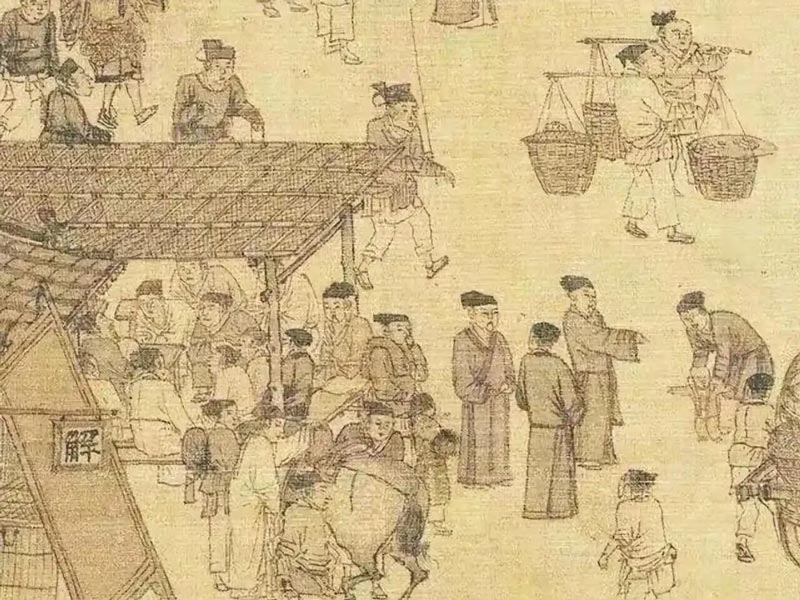
Hanfu’s journey is a relay race across time. When someone ties a Hanfu ribbon or arranges their hair in an ancient style, they’re joining a chain of people who’ve worn this garment for a thousand years. They’re hearing the whispers of weavers from the Tang Dynasty, scholars from the Song, and emperors from the Ming.
In a globalized world, Hanfu is a anchor. It helps young people reconnect with their roots. When a teenager wears Hanfu to a cafe, or a student wears it to a festival, they’re not just following a trend – they’re saying, "I remember where I come from." It’s cultural confidence, worn on the sleeve.
Hanfu is a gene in the blood. It’s not just clothing; it’s the spirit of Huaxia civilization, passed down through generations. When you put on Hanfu, you’re not just dressing up – you’re carrying a piece of your ancestors’ wisdom.
Carrying the Legacy Forward
Wearing Hanfu isn’t just about reviving a garment; it’s about reviving a spirit. It’s about remembering that culture isn’t something in a museum – it’s something you live, something you wear, something you pass on.
As we tie the ribbons and arrange our hair, we hear history’s echo. Hanfu teaches us to value our traditions, to stay proud in a globalized world, to never forget where we come from. It’s a way to make ancient culture shine in modern times.
Hanfu is more than clothing. It’s a millennium of elegance, a cultural legacy worn with pride. Let’s wear it not just for beauty, but for the spirit it carries – and let Huaxia’s clothing light up the future.