Article
搜索结果:
-
Diancui The Chinese Luxury Craft of Kingfisher Feathers
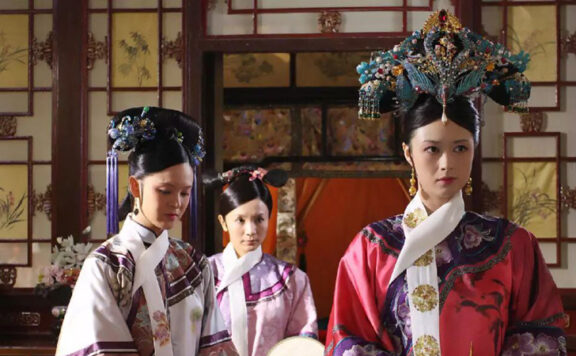
What if the most exquisite blue in Chinese history came not from a mine, but from a bird? For centuries, a shimmering, almost otherworldly hue adorned the hair of noblewomen, a secret whispered from the wings of a kingfisher. This is the story of Diancui (点翠), a craft as breathtaking as it is controversial. Imagine a crown that seems to ripple with the living light of a tropical sky, a hairpin that holds a fragment of iridescent life. This was not just jewelry; it was a captured moment of nature's brilliance, fused with human artistry. The legend of this "feather luxury" begins not in a workshop, but on the banks of a stream, watching a flash of blue dart through the air. The Chinese article paints a vivid picture of this lost art, from the haughty concubines of the Qing court who wore fortunes on their heads, to the silent sacrifice of millions of birds. Let's unfold the layers of this intricate, beautiful, and deeply complex tradition. The Living Gem: Nature's Palette The magic of Diancui lies in its primary material: the plumage of the kingfisher, or Cui. Unlike paint or dye, these feathers possess a unique structural color. The… -
5 Pale Spring Chinese Artifacts
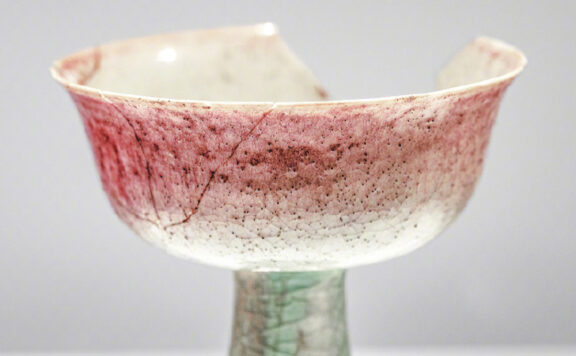
What happens when you try to capture a season that refuses to be held? The soft pinks of a spring dawn, the whisper of a butterfly's wing, the reflection of a flower in a teacup—ancient Chinese artisans chased these fleeting moments and trapped them in porcelain, jade, and glass. They didn't just paint pictures of spring; they infused the very essence of the season into objects meant for the hand and the desk. These weren't grand palace decorations, but intimate companions for a scholar's studio or a tea drinker's table. A thousand years later, these "pale spring" artifacts don't just sit behind museum glass. They still hold that captured light, waiting for someone to look closely and feel the warmth of another April, long gone but not forgotten. 1. Yuan Dynasty - Yingqing (影青) Glaze Underglaze Red High-Footed Cup The first thing you notice about the Yingqing glaze underglaze red high-footed cup from the Yuan Dynasty is its shyness. Housed in the Hangzhou (杭州) Museum, its blush isn't painted on with confidence. Instead, it looks like a secret—a flush of pink that rises from the white porcelain body as if caught off guard . This was likely an accident. Crafting… -
5 Ancient Chinese Fans You Should Know
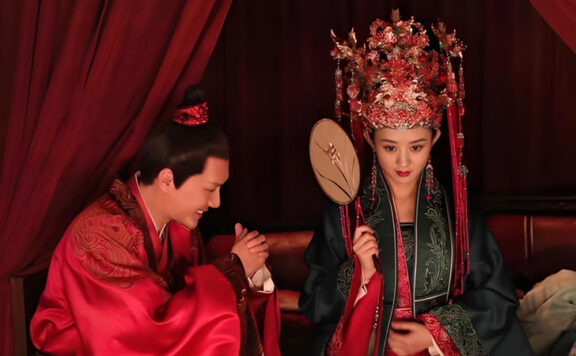
For over two thousand years, the Chinese fan has been far more than a simple tool to battle the summer heat. It has been a symbol of status, a canvas for artists, a subtle language of romance, and even a weapon of self-defense. From the circular Tuan Shan, or "moon fan," to the collapsible Zhe Shan, these handheld objects tell the story of China's aesthetic soul. As temperatures rise, let us explore the breeze-filled history of these exquisite creations. 1. Tuan Shan (团扇) Imagine holding a full moon in your hand. That is the poetic image evoked by the Tuan Shan, a circular fan made of fine silk. Its origins date back to the Han Dynasty, where it was also known as a "fan of joined happiness." The shape was not merely decorative; its round form symbolized unity and good fortune, making it a staple in weddings and a beloved accessory for women for over a millennium. The fan's face, often made of white silk, was the perfect canvas for embroidery and later, for painting. During the Tang and Song dynasties, it became an essential fashion item, as seen in famous paintings like Qingming Shanghe Tu (清明上河图), where it adds… -
The Real History of Court Etiquette in China
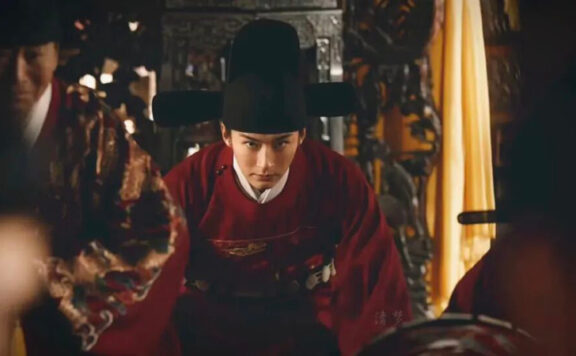
If you have watched any Chinese period drama lately, you know the scene well. A servant, a general, or even a high-ranking official enters a room, spots the emperor, and immediately drops to their knees with a dramatic thud. It happens so often that it has become a visual shorthand for ancient China itself. But is this constant kneeling historically accurate, or is it just a lazy habit of modern screenwriters? The truth might surprise you. For most of Chinese history, people did not drop to their knees at the drop of a hat. In fact, the constant kneeling we see on screen today is largely a legacy of later dynasties, and its overuse in television is starting to feel less like history and more like a strange promotion of submission culture. When Officials Sat With the Emperor Contrary to popular belief, court life in ancient China was not always a game of standing and kneeling. During the Tang Dynasty (618–907), things were much more relaxed. When discussing state affairs, officials didn't just stand there trembling. They sat. Imagine the emperor on his throne and his top advisors sitting comfortably on mats or low couches below him, debating policy like… -
Perfect World Shi Hao's Thunder Emperor Triumph
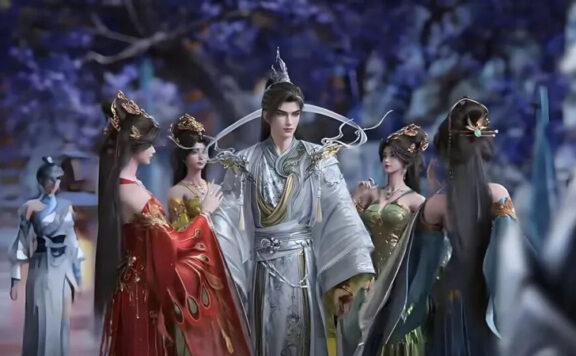
Perfect World (完美世界) delivers a high-energy "transition" episode with its Nine Heavens Ten Earths tribulation special. Instead of slowing down the pace, this installment masterfully sets the stage for the ultimate cataclysm. It packs four major highlights: the reunion of key allies, the ties of the mortal world, a cross-realm counter-kill, and the awe-inspiring power of the Thunder Emperor. The episode builds tension by showing Shi Hao's (石昊) strongest companions returning to his side, while simultaneously unveiling the shocking scene of the Thunder Pond acting as heaven's enforcer. This dual narrative lays crucial groundwork for the impending, civilization-ending lightning tribulation. The episode successfully balances character moments with high-octane action, ensuring viewers are emotionally invested before the storm breaks. Comrades Assemble at the Azure Lake The gathering at Azure Lake serves as a dazzling assembly of the younger generation's elite from the Nine Heavens Ten Earths. Shi Hao's most reliable friends take center stage. The Four Phoenixes of the Wei family make a stunning appearance; as stunning prodigies from the ancient Chang Sheng (长生) family, they show admiration for Shi Hao, nearly becoming his "mortal world trial." Their behavior remains graceful, adding a light-hearted touch to the episode without causing worries… -
Blossom’s Costumes Why Concept and Screen Clash
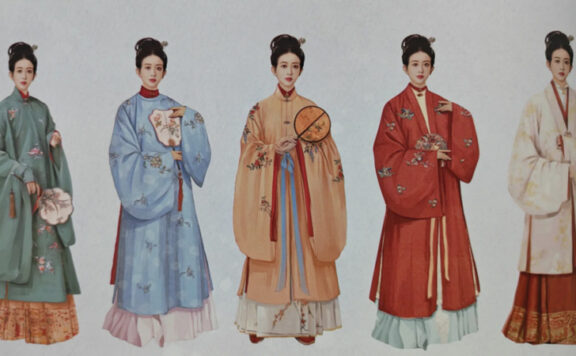
A recent online post has sparked a heated debate among drama fans and traditional dress enthusiasts. A netizen shared the official costume design concepts for the period drama Blossom (九重紫), and the reaction was immediate: the sketches were gorgeous, but they looked almost nothing like the clothes actually worn on screen. The question on everyone’s lips is simple: if the concepts were so beautiful, why couldn’t the show just follow them? The disappointment has led many to wonder if period dramas would look significantly better if they adhered more strictly to the standards of Hanfu, China's traditional clothing. This isn't just about nitpicking; it touches on a fundamental issue in how historical dress is interpreted for the screen. The Great Fabric Debate The core of the controversy boils down to two technical terms: "allowance" and "pattern." In the context of Hanfu, "allowance" refers to the amount of fabric used. Traditional Chinese clothing, especially the wide-sleeved styles of the Ming dynasty, relies on a generous cut. This abundance of material allows the sleeves and hems to drape naturally, creating elegant, flowing lines that move gracefully with the body. The concept art for Blossom clearly illustrated this principle, showing robes with ample… -
4 Ancient Toys for Chinese Scholars Office Leisure
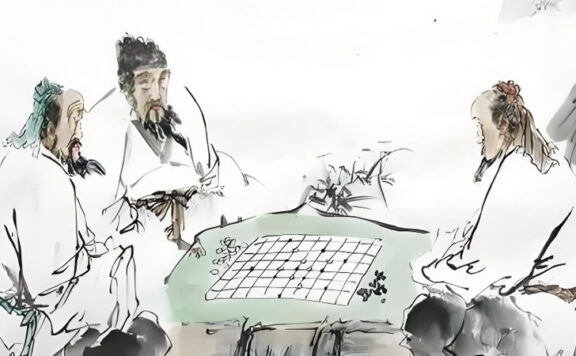
Imagine a Ming Dynasty county magistrate, sitting upright in the rear hall, supposedly deep in discussion with his advisor. Beneath the table, hidden within the voluminous sleeves of his official robe, his fingertips are engaged in a silent, strategic battle. This was the reality of "fishing for leisure" in ancient China—a subtle art of stealing moments of personal delight amidst the rigid demands of a bureaucratic career. Long before smartphones offered a digital escape, Chinese scholar-officials perfected the use of exquisite, miniature tools designed for quiet, portable play. These weren't just toys; they were carefully crafted instruments of mental respite, allowing the mind to wander and reset, all while maintaining an outward appearance of diligent focus. This is the untold story of how China's ancient workforce found its own clever ways to reclaim a sliver of personal time. 1. Elephant Chess The most ingenious solution for the busy official was the pocket chess set. These were not the large boards set up in gardens, but miniature versions of elephant chess, carved from ivory or hardwood, with a board no larger than a palm and pieces as tiny as buttons. The genius lay in its complete reliance on touch. A player… -
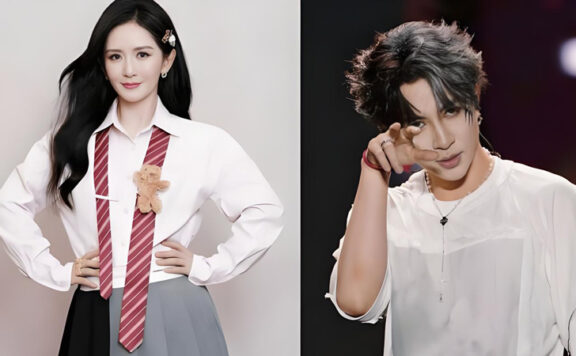
Xie Na Defends Husband Zhang Jie
After eight long years of watching her husband endure public ridicule and unfair labels, the popular host Xie Na (谢娜) has finally spoken out. The catalyst was the recent explosion of social media posts by Li Yutong (李雨桐), the former girlfriend of singer Joker Xue). As Li Yutong aired their private grievances online, she dragged an old, painful story back into the spotlight—one that unfairly targeted her husband, the singer Zhang Jie (张杰). This time, Xie Na decided she could not stay silent. She published a powerful open letter, directly confronting Joker Xue and demanding a formal apology for the years of "unwarranted disaster" her family has suffered. It is a story about protecting loved ones, confronting past wrongs, and the immense pressure of public perception in the world of Chinese entertainment. The Spark That Ignited a Fire The current controversy began on March 2nd, when Li Yutong launched a series of accusations against her ex-boyfriend, Joker Xue. In her lengthy posts, she mentioned that Xue had privately criticized Zhang Jie's singing, calling it "country". This comment immediately reignited memories of a much older incident. In 2017, during an episode of the comedy roast show Roast! (吐槽大会), Joker Xue delivered… -
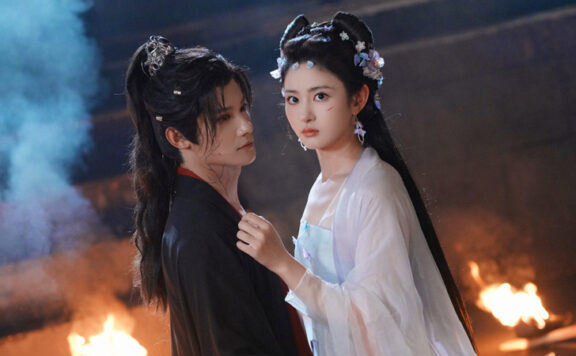
The Acacia Gu Bond in Seeds of Scarlet Longing
Can a 20-Minute Episode Deliver More Heat and Heart Than a Full-Length Drama? Seeds of Scarlet Longing (在你眉梢种红豆) Says Yes. This latest offering from Mango TV proves that when it comes to grabbing—and keeping—an audience's attention, every second counts. It’s not just a story; it’s a carefully crafted experience packed with lore, longing, and a physicality that feels both daring and deeply artistic. The series throws viewers straight into a world where the fantastical is tangible. It introduces us to Guochao (国潮), the trend of blending traditional aesthetics with modern storytelling, but does so with a freshness that avoids cliché. The initial draw is undeniably a bedroom scene that has set social media ablaze. Yet, it’s not about explicit content. The show masters a distinctly Chinese aesthetic of sensual tension—fragmentary kisses that almost land, intense close-ups on skin, and eyes that shift from clarity to a dreamy haze. It leaves everything to the imagination, proving that restraint can be far more provocative than excess. This isn't just a hook; it's a promise of the layered narrative to come. The Gimmick That Works: A Bond Forged in Fire and Fate At its core, Seeds of Scarlet Longing is a classic enemies-to-lovers… -
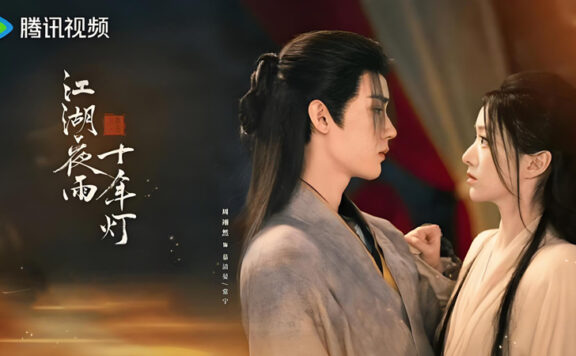
Generation to Generation: Sun Ruoshui’s Tragedy of Greed and Survival
In the episodes of the TV series Generation to Generation (江湖夜雨十年灯), the character Sun Ruoshui (孙若水) has ignited fierce debate among viewers. She is not the ultimate villain pulling the strings from the shadows, nor is she a power-hungry schemer openly vying for control. Instead, she is a mother who poisons her own son. This act of ultimate betrayal forces us to confront a deeply unsettling question: What drives a mother to such cruelty, and is she a monster born or a monster made? More Than Just Greed Sun Ruoshui’s actions are shocking. To secure her position as the leader’s wife in the Li sect, she poisons her son, Mu Qingyan (慕清宴), and her husband, Mu Zhengming (慕正明). When confronted, she shows no remorse. On the surface, she appears to be a woman consumed by vanity and a lust for power. However, to label her merely as "greedy" is to miss the deeper, more tragic layers of her character. Her villainy is not a simple character flaw; it is a survival mechanism, forged in a toxic environment. Her backstory reveals that she was originally a spy for the Nie family. Nie Hengcheng (聂恒城) planted her in the Mu household by… -
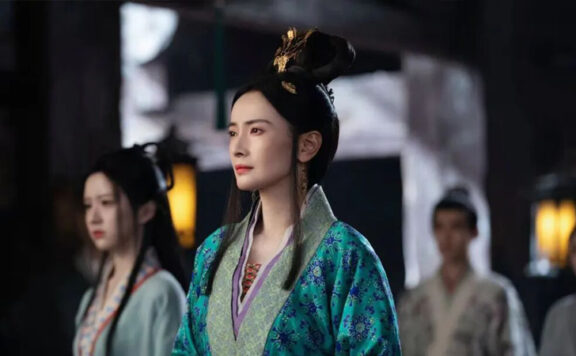
Generation to Generation: No Innocent Soul, No Unfated Love
In the sprawling landscape of Chinese television dramas, a new contender has emerged that refuses to play by the rules. Generation to Generation (江湖夜雨十年灯) has quietly captivated audiences, not with predictable plots or cookie-cutter heroes, but with a fragmented narrative style that feels more like assembling a complex jigsaw puzzle than watching a show. While the central romance between the young protagonists provides the initial draw, it is the spectral presence of the previous generation that haunts every frame. This isn't just a story about young love navigating martial arts conflicts; it is a dissection of how the sins of the parents become the poisoned inheritance of their children. The drama dares to ask a provocative question: what happens when the "heroes" of the past were not heroic at all, but simply people who made tragic, selfish choices? By refusing to spoon-feed the backstory, the writers invite us to become detectives, piecing together the wreckage of lives destroyed by love, jealousy, and a single, devastating lie. This narrative choice elevates Generation to Generation from a standard Guochao (国潮) period piece into a raw, emotional exploration of time's cruel ability to turn passion into ash. The Ghosts of Qingque (青阙): A… -
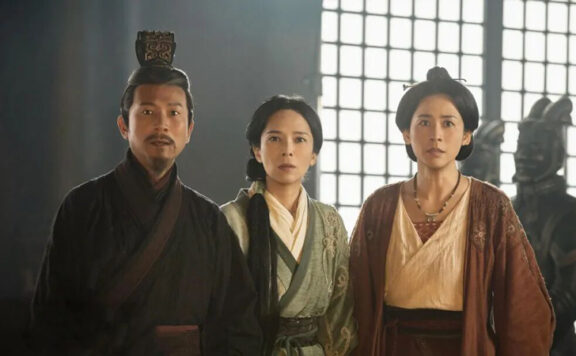
A Flawed Adaptation of Back to the Past
After a 25-year wait, the original cast of the hit TV series reunites for a movie adaptation. Expectations were sky-high for a meaningful conclusion to a beloved story. However, the final product delivers a disjointed narrative and questionable visual effects, leaving audiences to wonder if some classics are better left untouched. The film arrives carrying the heavy burden of nostalgia, but fails to build a solid foundation beneath it. What Went Wrong with the Time-Traveling Plot? The strength of the original TV series Back to the Past (寻秦记) lay in its intricate plot. Viewers were captivated by the protagonist Xiang Shaolong (项少龙) navigating the treacherous politics of the Qin Dynasty (秦朝) with his modern knowledge. His complex relationship with the young Ying Zheng (嬴政), who would become the First Emperor, provided deep emotional conflict. The show ended with a poignant sense of fate, symbolized by a terra-cotta warrior bearing Xiang Shaolong's likeness, leaving a beautiful narrative blank for fans to ponder. The movie, however, abandons this sophisticated groundwork. It picks up years later with Ying Zheng as a paranoid ruler, creating immediate tension with his former mentor. Instead of developing this political and personal conflict, the film introduces a jarring… -
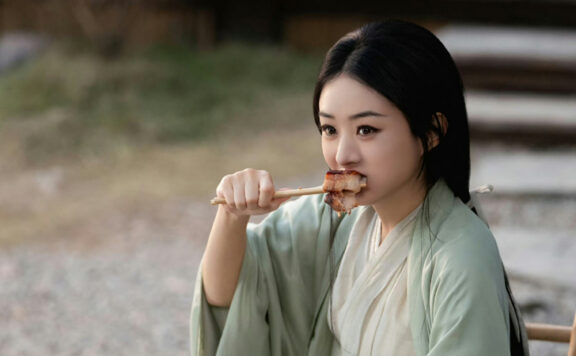
Top 6 Performances That Made Zhao Liying a Star
Zhao Liying's (赵丽颖) career is a fascinating study of an actress who consciously built her legacy, one role at a time. She didn't just become a star; she curated a portfolio of characters that resonated deeply with audiences, moving from sheer likability to profound respect. Her journey from being dismissed as unsuitable for leading roles due to her "round face" to becoming a benchmark for dramatic excellence in Chinese television is a narrative of talent, strategic choice, and raw, undeniable connection with the viewer. This exploration looks at six pivotal performances that defined her path, each one a distinct chapter in her evolution as one of China's most compelling actresses. The Story of Minglan (知否知否应是绿肥红瘦) After the explosive emotions of Xianxia, Zhao sought a role grounded in reality, a character whose battles were fought not with magic, but with quiet wit and emotional intelligence. The Story of Minglan was that role. Set against the intricate social tapestry of the Song dynasty, this series is widely considered her magnum opus. As Sheng Minglan (盛明兰), a neglected daughter of an official, Zhao delivered a performance of extraordinary subtlety, built on glances, pauses, and the silent strength of a woman who learns to… -
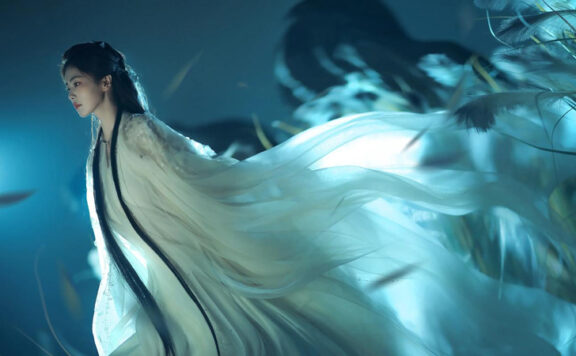
7 Pivotal Dramas in Bai Lu’s Rise to Stardom
Few actors in recent memory have so thoroughly reshaped their own story through the sheer force of their performances as Bai Lu (白鹿). In the span of just a few years, she has moved from promising newcomer to a defining presence in Chinese period dramas. Her appeal does not rest on a single type of role. Instead, she has consistently chosen characters that defy simple labels—the gentle soul bound by silence, the sharp-witted survivor given a second chance, and the wild flame that refuses to be tamed. Each portrait offers a distinct shade of womanhood, yet all are connected by a thread of inner strength and emotional honesty. What follows is a look at seven pivotal dramas that mark the milestones of her journey, each one showcasing a different facet of her craft and cementing her connection with audiences who see in her work not just entertainment, but a reflection of resilience and grace. One and Only (周生如故) The year 2021 brought One and Only, a drama that quietly devastated its viewers. Here, Bai Lu embodies Cui Shiyi (崔时宜), a young woman who loses her voice in childhood and finds refuge in the household of the revered general Zhou Shengchen (周生辰).… -
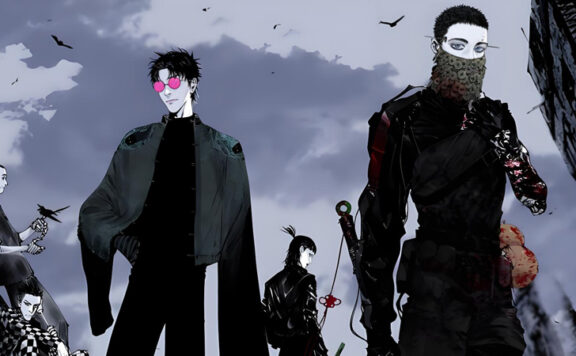
The Crow: Weaving Chinese Folklore into Modern Horror
What happens when a routine food delivery becomes a one-way ticket to a world of Chinese horror? For 18-year-old courier Zhang Zha (张炸), a simple mistake—mixing up floor numbers—leads to a brutal murder and a terrifying rebirth in The Crow (楚乌). This new animated series, adapted from Mo Fei's (墨飞) award-winning Manhua (漫画), arrives on Youku to redefine the genre. It blends the mundane with the macabre, pulling viewers into a modern Jianghu (江湖) where restless spirits threaten the living and a secret organization fights in the shadows. Forget cultivation clichés; this story grounds its supernatural terror in the grit of everyday life, asking what happens when death isn't the end, but the beginning of a much darker obligation. The Lore of "Shang" The genius of The Crow lies in its core concept: "Ren Si Hua Shang" (人死化殇). When individuals pass away with intense, unresolved obsessions, they do not simply fade away. Instead, they transform into Shang (殇)—malevolent entities fueled by lingering regret. These spirits can re-enter the human world through a mysterious, forbidden gateway, bringing chaos and danger to the realm of the living. This isn't a random haunting; it's a cosmic rule with dire consequences. Those who become… -
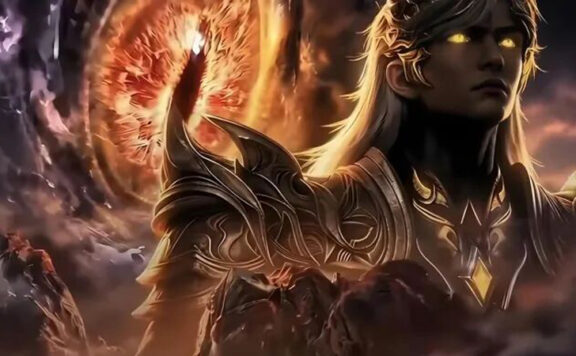
Perfect World: Anlan & Yutuo Hunt for the Key to Emperorship
The episode of the animated series Perfect World (完美世界) has ignited the fandom, not just with a fight scene, but with the arrival of two beings who redefine the meaning of "overwhelming power." Anlan (安澜) and Yutuo (俞陀), the immortal kings from the alien realm, have crossed the celestial chasm, and their goal is terrifyingly simple: find a single treasure, or destroy everything in their path. This isn't just another battle; it's a desperate, cross-generational hunt for the key to godhood. The episode opens with a scene of sheer dominance. The border fortress, a bastion of defense for the Nine Heavens, is bathed in a menacing golden light. The powerful experts stationed there, including the resolute Meng Tianzheng (孟天正) and the young prodigy Shi Hao (石昊), can only watch as the projections of Anlan and Yutuo manifest. These aren't mere illusions; they are the condensed will of two Immortal Kings, a pressure so intense it feels like the very laws of the world are bending to their whim. The message is clear: the era of skirmishes is over. The alien realm is making its ultimate move, and they are here for one thing only—the "Key to Emperorship." Why Two Immortal… -
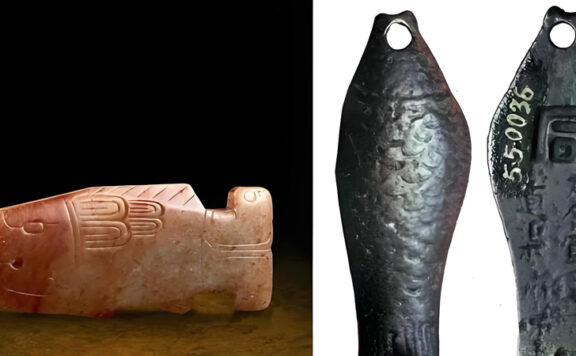
What Did an Ancient Chinese ID Look Like?
Imagine an object that everyone possesses, made from the same material, and engraved with the details that make you, you. In our modern world, the answer springs to mind instantly: it's an ID card. This little piece of plastic holds our birth date, our birthplace, and essentially summarizes all our social connections. In a way, it declares that we are who our society requires us to be. Within our familiar circles, we rarely need to prove our identity. But the moment we step into a completely new environment, our first task is to convince strangers that we are indeed ourselves, and not someone else. The ID card is the physical key to that proof. Today, it's a thin, simple card, yet it acts as a passport, safeguarding our journey wherever we go. But in the distant past, long before plastic and photographs, what object did a person use to answer the fundamental question: "Who are you?" 1. Sui and Tang Dynasties - Fish Tally China’s earliest known official ID emerged during the Sui and Tang Dynasties. It was Emperor Taizong (太宗) of the Tang who, during his Zhenguan (贞观) era, distributed a unique item to his officials called a "fish… -
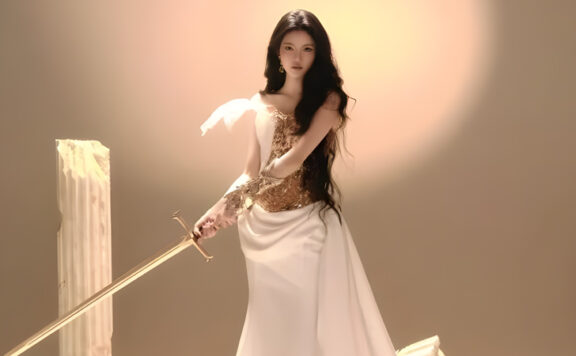
The Rise of Sun Zhenni’s Majestic New Image
Is Sun Zhenni (孙珍妮) Hollywood's Next Big Fantasy Heroine? Her new look, a striking combination of gilded bodice and flowing white satin, has ignited the internet. It feels less like a photoshoot and more like a teaser trailer for an epic saga. We are witnessing the arrival of a "Dark Queen," a persona that is both icy and majestic, powerful and elegant. This isn't just a fashion moment; it's a statement that completely redefines her public image, leaving fans and onlookers utterly captivated by every single frame. Gilded Armor and Silken Strength The centerpiece of this transformation is a meticulously designed strapless gown. The upper half features a metallic gold fabric that catches the light, creating a shine that is bold yet never gaudy. Its sharp cut perfectly highlights the lines of her shoulders and neck. A single, large white satin bow drapes down one side, softening the golden intensity and adding a touch of dramatic flair. It is a masterful blend of strength and grace. Below, the dress flows into a high-quality white satin skirt. The fabric drapes perfectly, with smooth folds extending to the floor. This creates a rich, layered look that is both grand and understated. The… -
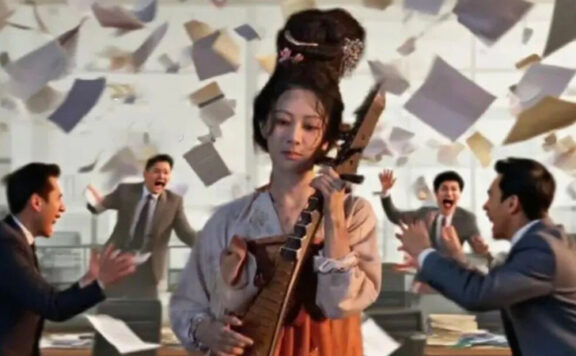
The 2,000-Year Story of Niu Ma
Have you ever called yourself a "Niu Ma" after a long day of work? This modern internet slang perfectly captures the exhaustion of the daily grind. But here's the kicker: government officials were using the exact same term to describe themselves over 2,000 years ago. That's right—feeling like a beast of burden at work is a tradition as old as Chinese civilization itself. When a Historian Called Himself a Beast The most famous example comes from the grand historian Sima Qian (司马迁). In his legendary letter Reply to Ren An (报任安书), he opens with the line, "The Grand Historian, a Niu Ma Zou (牛马走), Sima Qian, bows twice." By using "Niu Ma Zou"—which literally means "a running ox and horse"—he was calling himself a lowly servant, someone driven like livestock. It was a formal term of self-deprecation, but for Sima Qian, it carried profound weight. He endured castration to complete his historical masterpiece, making his use of "Niu Ma" less a polite gesture and more a bitter reality. He was a man of immense talent, yet in the eyes of the emperor, he was merely a tool, a creature to be used and discarded. The ox symbolized loyalty and hard… -
5 Chinese Health Habits Going Viral Globally
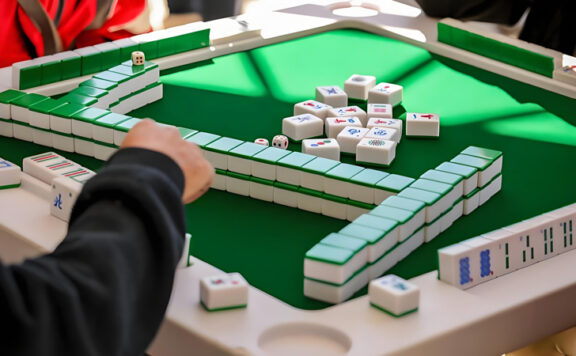
What started as a playful hashtag has quietly turned into a global movement. Earlier this year, a Chinese-American blogger named SherryXiiruii jokingly suggested everyone "become Chinese" by adopting simple daily habits—drinking hot water, eating hot pot, and embracing cozy comforts. To everyone’s surprise, millions of international users didn’t just laugh; they joined in. Now, social media feeds are flooded with posts about brewing Go Ji (枸杞) berries, practicing Ba Duan Jin (八段锦), and rediscovering the joy of long underwear. But beneath the humor lies something real. These viral trends aren’t just quirky fads—they are windows into a lifestyle rooted in balance, mindfulness, and centuries of observation. Here’s what the world is discovering, and why these practices might be worth keeping around. 1. Mahjong Therapy It is one of the first challenges new “Chinese” recruits take on: learning to play mahjong. To outsiders, the clacking tiles and complex rules can seem intimidating. Yet once the game clicks, it often becomes an obsession. International fans post videos of their makeshift tables and tile-scrambling techniques, marveling at the "advanced technology" of automatic tables (a common sight in Asian homes). But beyond the fun, research suggests mahjong offers genuine cognitive benefits. The game demands…