Article
搜索结果:
-

3 Gentle Morning Rules for a Healthier Life
Waking up is a daily ritual, yet how you perform it can set the tone for your entire day and, according to ancient wisdom, your long-term health. Many of us rush through these first moments, making mistakes that jolt the body and drain energy. By avoiding three common, hasty actions, you can cultivate steadiness, protect your vitality, and build a foundation for a longer, more comfortable life. 1. The Bolt Upright Blunder The blare of an alarm clock often triggers an instinctive reaction: sitting up abruptly. For many, especially those in their golden years, this sudden shift from horizontal to vertical is a shock to the system. After a night of rest, your blood flows more slowly and your blood pressure sits at a lower baseline. Leaping up too fast can cause a head rush, dizzy spells, or even a dangerous fall. The ancient remedy is elegantly simple and can be summed up in one word: gradual. It advises a three-step awakening. First, upon waking, lie still for about thirty seconds and give your body a good, slow stretch. Next, push yourself up to a seated position slowly, allowing another half minute for your circulation to adjust. Only then should… -
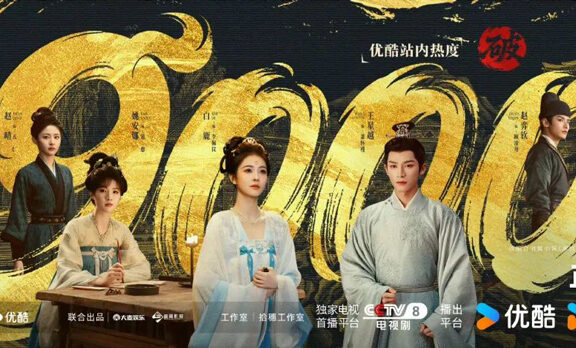
Unveil: Jadewind Two Souls Bound by Truth
Unveil: Jadewind (唐宫奇案之青雾风鸣) introduces a captivating duo, Li Peiyi (李佩仪) and Xiao Huaijin (萧怀瑾). Their bond evolves through shared mysteries, not forced romance. She detects danger first; he notices hidden clues. This role swap feels fresh, emphasizing mental equality over typical tropes. Produced by Youku, the series has quickly gained traction, offering a nuanced take on adult relationships where intellect and mutual respect drive the narrative forward naturally. 1. The Sharp-Minded Pair Solving Palace Mysteries In a landscape often filled with predictable stories, a new drama arrives with the freshness of a morning breeze. It presents two individuals who speak the language of logic and share a passion for their work. Their connection is not built on fleeting glances but on the sharp exchange of ideas. This is a story where the mind takes the lead, and the heart follows close behind. It offers a narrative that feels both intelligent and deeply engaging, a rare treat for those who appreciate substance over style. Unconventional Heroes The story introduces us to Li Peiyi, a woman who defies expectations at every turn. Born a princess, she chooses a life of danger as an investigator in the Neiye Bureau (内谒局). Her focus is… -
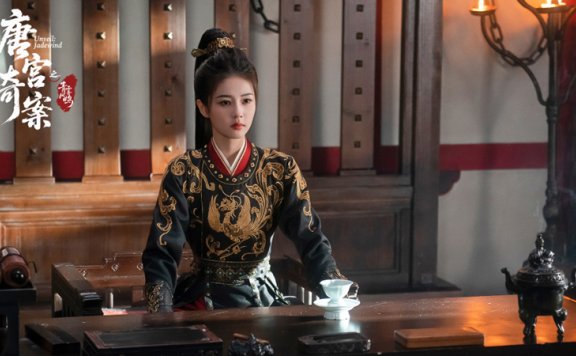
Unveil: Jadewind – The Hollow Justice Behind Its Happy Ending
The final episodes of Unveil: Jadewind (唐宫奇案之青雾风鸣) have aired, leaving viewers with a complex tapestry of emotions. On the surface, the narrative concludes with a sense of poetic justice. Li Peiyi (李佩仪), the protagonist scarred by a traumatic past, successfully avenges her family. Xiao Huaijin (萧怀瑾), the steadfast and intelligent detective, finally wins the heart of the woman he has loved since childhood. Even the much-suspected Consort Shu (淑妃) is revealed to be a genuinely benevolent figure. It appears to be a happy ending for all. However, a closer look reveals a much bleaker reality lurking beneath this veneer of satisfaction. The resolution feels hollow because, while the guilty are named, the true weight of justice remains conspicuously absent. A Victory Tarnished by Imperial Favor Li Peiyi's journey for vengeance is the central pillar of the drama, and her final confrontation with the Right Chancellor is fraught with peril. She risks her life to expose him as the mastermind behind the massacre of her family and the Duke of Duan's (端) household, a crime that left her orphaned and fighting for survival for sixteen years. Yet, when the evidence is presented, the initial imperial judgment is shockingly lenient. The Emperor… -
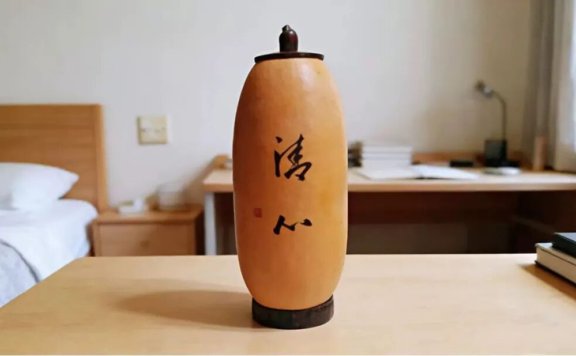
Why Veteran Tea Lovers Swear by Gourd Canisters
For seasoned tea drinkers, the quest for the perfect storage vessel is never-ending. Metal canisters can impart a taste. Clay jars might be too porous. Glass looks beautiful but fails to protect the tea from light. Amidst this search, one ancient container has quietly held its ground for centuries: the humble gourd. Passed down through generations of tea enthusiasts, it is not merely a container but a trusted companion in the art of aging and preserving tea. What is the secret behind this enduring appeal? Why does a simple, dried fruit shell outperform modern industrial designs for those who truly understand tea? The Breathable Wall The magic of the Gourd Tea Canister begins with its structure. Unlike the airtight seal of metal or the cold sterility of glass, the cured shell of a gourd retains microscopic pores. These tiny openings allow for an imperceptibly slow exchange of air. This gentle ventilation prevents the tea leaves from suffocating in a stagnant environment, a condition that can flatten vibrant flavors over time. Beyond simple breathability, the gourd acts as a natural humidity regulator. The inner lining of the dried gourd possesses a remarkable ability to absorb ambient moisture when the air is… -
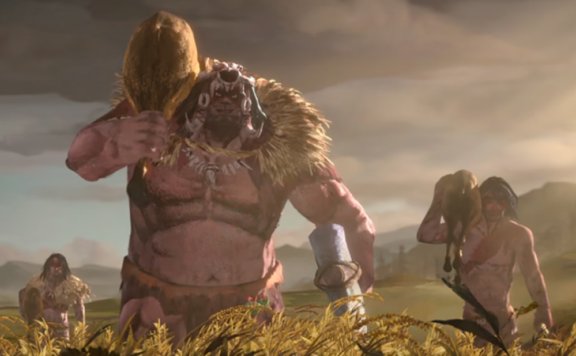
Xingtian: Resilience in Yao-Chinese Folktales 2
After a three-year wait, Yao-Chinese Folktales 2 (中国奇谭2) returns with nine new fantasy shorts, and among them, director Zhang Yang's (张扬) installment, Xingtian (刑天), has ignited the most passionate discussions. Moving away from the minimalist ink-wash style of the first season, this chapter uses a gritty, almost tactile 3D technique to reimagine the headless warrior from the ancient classic Shan Hai Jing (山海经). It’s not a simple retelling of myth; it’s a raw exploration of resilience, confusion, and what it means to define oneself when everything that identifies you is gone. By shifting focus from divine revenge to human survival, Xingtian holds up a mirror to the silent struggles of ordinary people today, making this ancient story feel startlingly new and personal . More Than a Myth: A Fresh Take on an Ancient Warrior To understand the impact of Xingtian, one must first understand its core intention. The creative team didn't aim to merely recreate the mythical figure from the Shan Hai Jing; instead, they anchored the story in the theme of "life," using the ancient tale to explore modern spiritual dilemmas . In traditional lore, Xingtian is the deity who fought the Supreme Deity for the throne of heaven.… -
Monkey King s Warm Tale on Quanzhou Grand Theater
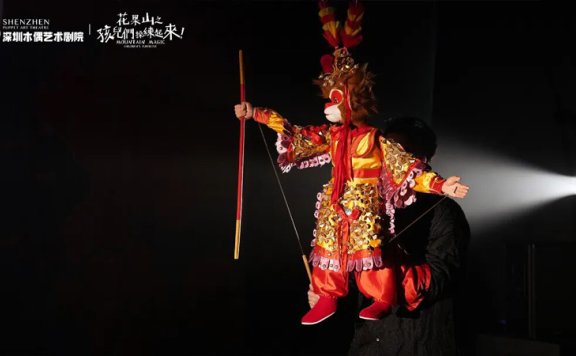
Forget everything you think you know about the Monkey King. What if his greatest adventure isn't about fighting demons or mastering clouds, but about the quiet moments of teaching, protecting, and growing up? On February 28th and March 1st, 2026, The Children of Huaguo Mountain, Time to Train! (花果山之孩儿们,操练起来!) lands at the Quanzhou Grand Theater, and it's bringing a completely different side of the legend to the stage. This isn't just another epic tale of the rebellious hero. It shifts the spotlight to the lively monkey children of Huaguo Mountain (花果山), turning the grand myth into a warm, relatable story about family. Through their eyes, we witness the Stone Monkey's birth, his journey to learn from a master, and his return to defend their home. It's a show designed for the whole family—where kids find pure joy in the adventure and adults discover a touching story about responsibility and love. Performance Time: Saturday, February 28th, 2026 at 19:30 Sunday, March 15st, 2026 at 15:30 Venue: Quanzhou Grand Theatre Finding Yourself in the Story For a child, this puppet show is a ticket straight into a mythical playground. The puppets are vibrant and full of life. They'll see Sun Wukong (孙悟空)… -
Han Li's Nascent Soul vs Wang Lin's Wen Ding
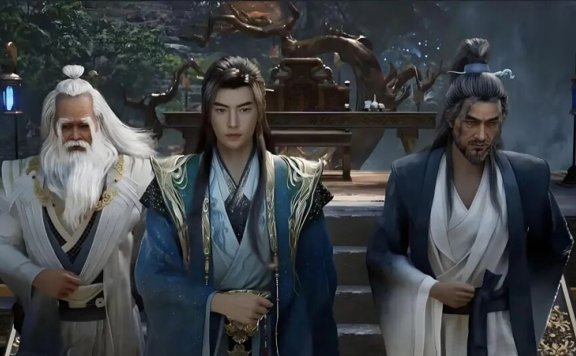
In the vast and ever-expanding universe of Chinese animation, two cultivation stories have risen above the rest, sparking endless debates among fans. On one side stands the cautious everyman, and on the other, the passionate rebel. Their moments of ultimate breakthrough—Han Li's (韩立) Nascent Soul formation and Wang Lin's (王林) ascent to the Wen Ding (问鼎) stage—are not just plot points; they are cultural phenomena. Which of these iconic scenes truly represents the pinnacle of what Guochao (国潮) animation can achieve? Let's delve into a head-to-head comparison of these two legendary milestones. The Numbers Game When it comes to raw popularity, Han Li's Nascent Soul formation in A Mortal's Journey (凡人修仙传) set an almost insurmountable bar. The episode didn't just go viral; it broke the internet—literally. Upon its release, the surge of viewers caused Bilibili's servers to crash, stranding hundreds of thousands on login screens for up to fifteen minutes. The official statistics were staggering: a single-day play count exceeding 4.2 billion and over 440,000 concurrent online viewers, a record that still stands as a testament to the show's massive appeal. For a brief moment, the digital world ground to a halt just to witness the "Han the Mage" claim… -
Generation to Generation: The Deadly Chess Player Cai Pingshu
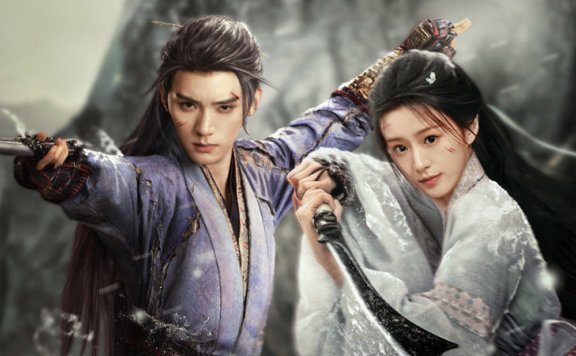
In the intricate tapestry of Wuxia (武侠) dramas, characters often wear masks that hide their true nature. The series Generation to Generation (江湖夜雨十年灯) introduces viewers to a web of love, betrayal, and calculated revenge. While the male lead, Qi Yunke (戚云柯), appears to be a tragic figure consumed by madness and nostalgia, a closer look reveals that the true architect of the entire story's conflict is a woman who has been dead from the start. Cai Pingshu (蔡平殊) is not just a memory that haunts the living; she is the ultimate chess player, a master strategist whose plans were set in motion long before the series' present timeline. Her influence dictates every major character's actions, making her the hidden, yet most powerful, force in the entire narrative. The Heart of the Battlefield: A Master Strategist Cai Pingshu was far more than a beautiful face in the martial arts world. She was a female martial arts fanatic whose true weapon was not just her exceptional skill, but her profound understanding of human nature. She saw people's hearts and desires as a battlefield, and she was undefeated in this arena. This is evident in her final days, when, severely injured and nearing death,… -
Zhang Yuxi Shines in Pink Fairy Tale Gown
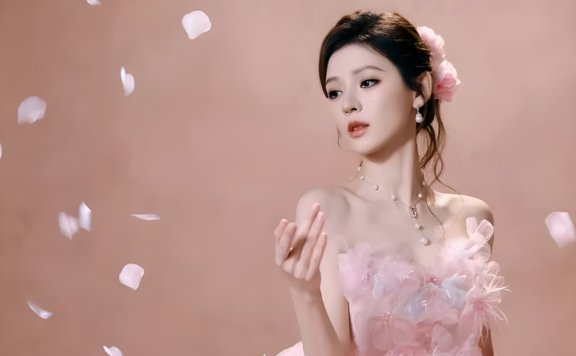
Has Zhang Yuxi (张予曦) Finally Found Her Fashion Soulmate in a Pink Fairy-Tale Gown? The internet seems to think so. In a recent photoshoot that has since gone viral, the actress doesn't just wear a dress; she inhabits an entire dreamscape. Clad in a breathtaking pink tulle gown, she transcends the typical celebrity endorsement, offering a visual narrative that feels both deeply personal and universally resonant. This isn't merely about a beautiful outfit; it's a masterclass in atmosphere, a deliberate and successful alignment of garment, setting, and the star's own ethereal presence. The result is a collection of images that feel less like posed photographs and more like stolen moments from a storybook, sparking a widespread conversation about romance, aesthetics, and the power of a perfect look. The Anatomy of a Dream The magic begins with the dress itself, a confection of pale pink layers that seem to float around her. It's not a simple garment but a complex construction of sheer tulle and intricate, three-dimensional floral appliqués that climb from the bodice and scatter down the skirt. These delicate flowers catch the light in a way that creates a subtle shift in color, a soft gradient from petal pink… -
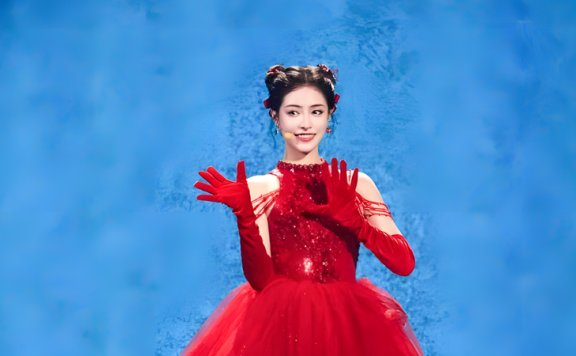
Xu Jiaqi Shines in Red Sequined Gown on Stage
Can a single outfit capture the essence of a fairytale princess and a powerful stage performer all at once? Xu Jiaqi (许佳琪) recently answered this question with a stunning visual statement. Dressed in a brilliant red sequined gown, she didn't just wear a color; she embodied an entire mood—one of vibrant energy, youthful charm, and commanding stage presence. The look was a masterclass in balancing opulent glamour with sweet, approachable beauty, making her appear like a dazzling red rose in full bloom, impossible to ignore. Dressed to Impress The magic of this look lies in its meticulous details. The halter-neck top did more than just showcase her elegant shoulders and neckline; it served as a canvas for heavy, intricate beadwork and sequins that caught the light with every movement. The real show-stoppers, however, were the tassels and rhinestones adorning the shoulders. They swayed gently as she moved, adding a layer of lively energy and delicate refinement to the overall aesthetic. This wasn't just a dress; it was a piece of moving art. The outfit's bottom half was equally thoughtful. The multi-layered tulle skirt was a study in contrasts—full and fluffy enough to retain a sense of girlish whimsy, yet so… -
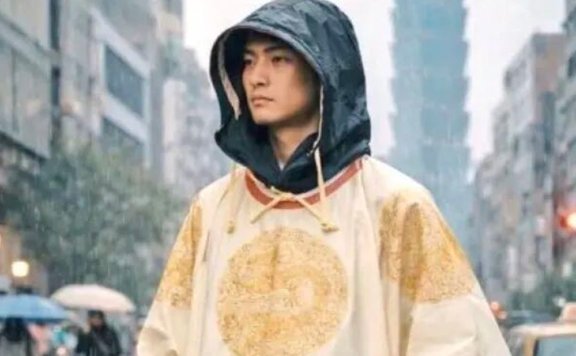
Why Taipei Palace Museum’s Dynasty Raincoats Are a Viral Hit
Could a raincoat inspired by Ming Dynasty emperors actually sell out at $50 a piece? Taipei's Palace Museum just proved it's possible, leaving shoppers wondering: buy it or frame it? In a surprising twist of cultural commerce, the Taipei Palace Museum (台北故宫博物院) recently dropped two raincoat designs that have since become the talk of the town. Priced at 1,890 Taiwan dollars (approximately 430 RMB), these aren't your average plastic ponchos. They vanished from shelves almost immediately, leaving many to question whether people are actually buying them for rainy days or simply as collector's items. The products cleverly blend daily utility with deep cultural resonance, tapping into a trend that sees consumers craving more meaningful connections with the items they use every day. This phenomenon isn't just about staying dry; it's about wearing a piece of history, however ironic that might sound. The museum has effectively turned a mundane object into a statement piece, proving once again that creativity, when applied to heritage, can yield surprisingly modern results. It raises an interesting question for the rest of us: would we don an emperor's robe just to walk the dog on a drizzly morning? Wearable Wit The genius lies not in the… -
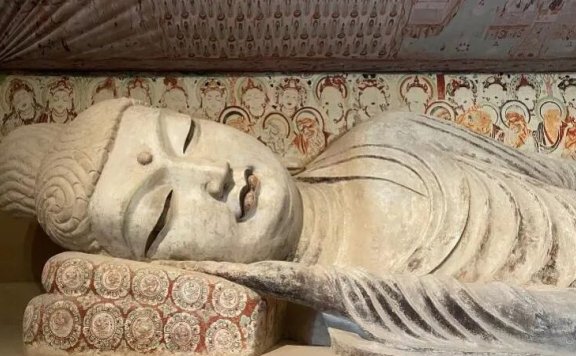
Why Gala’s Curly-Haired Feitian Sparks Debate
The "curly-haired flying goddess" on this year's CCTV Spring Festival Gala has sparked a heated debate. While many viewers praised the program Silk Road Melodies (丝路古韵) for its faithful recreation of mural art, others scratched their heads. Why does this celestial being have a head full of curls? Doesn't she look more like a foreigner than a classic Chinese beauty? The confusion is understandable. In recent years, the Feitian (飞天) image has been warmly embraced as part of Chinese traditional culture, with her signature tube top and long skirt often cited as a form of ancient Hanfu clothing. But this popular understanding skips a crucial part of her long and fascinating journey from India to the grottoes of Xinjiang and Dunhuang. The Curly-Haired Mystery The answer lies in the origins of the image itself. The Feitian we know today was not a native invention of the Central Plains. Her earliest prototype comes from ancient Brahmanism in India. As Buddhism absorbed these celestial spirits, they transformed into gods of music and dance, tasked with scattering flowers and making heavenly music. When this religious art traveled along the Silk Road into China, the Feitian arrived with distinctly foreign features. The specific inspiration… -
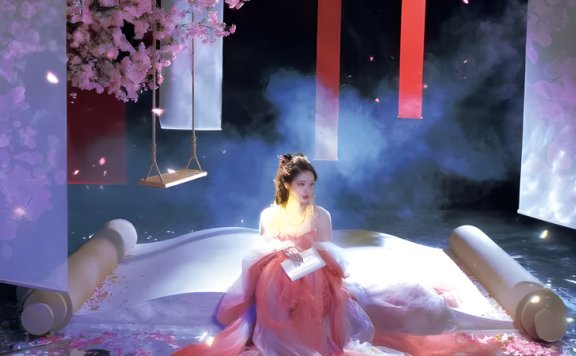
Wang Churan’s Stunning Ancient Style Shocks the Internet
Can Fabric Hold Magic? Wang Churan's (王楚然) Ethereal Transformation Into a Fox Spirit Stuns the Internet. A recent photoshoot featuring the actress has ignited a firestorm of praise, blending ancient Chinese aesthetics with a touch of modern fantasy. In an era of fleeting digital content, a single image can still stop the scroll. A new series of photographs featuring actress Wang Churan has done exactly that, captivating social media with its ethereal beauty. She appears not as a modern celebrity, but as a creature from a folk tale—a nine-tailed fox spirit wandering through a dreamscape. The images are a masterclass in visual storytelling, merging the delicate textures of ancient Chinese fashion with a luminous, contemporary aesthetic. It is a look that feels both timeless and refreshingly new, prompting thousands to share and marvel at the seamless blend of reality and fantasy. This isn't just a pretty picture; it is a cultural moment that speaks to a renewed appreciation for heritage, reimagined for today's audience. Visual Poetry in Motion The first thing that strikes the viewer is the dress itself. It is a gown of layered, translucent silk gauze, a material that seems to hold light rather than merely reflect it.… -
Wang Churan’s Fox Spirit Look Takes the Internet by Storm
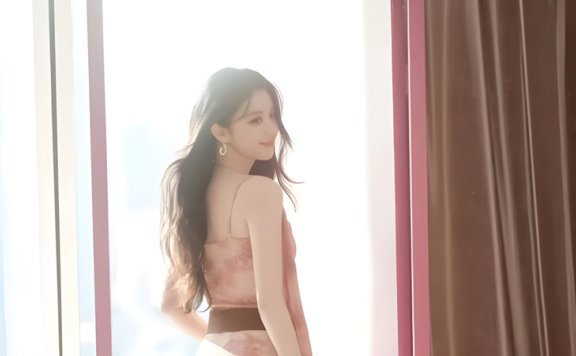
Wang Churan's (王楚然) Fox Spirit Look Breaks the Internet: Is This the Ultimate Sweet-Meets-Sassy Formula? When images of Wang Churan at a recent promotional event hit social media, the reaction was instantaneous and electric. She didn't just walk a red carpet; she seemingly stepped out of a fantasy anime, captivating audiences with a look that was equal parts sweet and dangerously alluring. Her outfit—a delicate balance of soft femininity and bold, playful edge—has sparked a viral conversation, with fans and fashion critics alike dissecting every detail. It's a masterclass in thematic dressing, proving that sometimes, the most memorable style moments are those that tell a story. This isn't just about clothes; it's about embodying a concept, and Wang Churan has fully transformed into the "fox spirit" archetype, a figure that resonates deeply across East Asian cultures. The buzz wasn't just about beauty; it was about the clever, cohesive execution of a powerful aesthetic. The Anatomy of an Enchanting Outfit The foundation of this stunning look was a pink rose tie-dye slip dress. Its fluid, lightweight fabric moved with her, creating an ethereal, almost weightless effect. The soft pink base was artistically splashed with deeper rose patterns, evoking a sense of… -
Chen Yao in Gradient Silk Gown and Gentle Bun
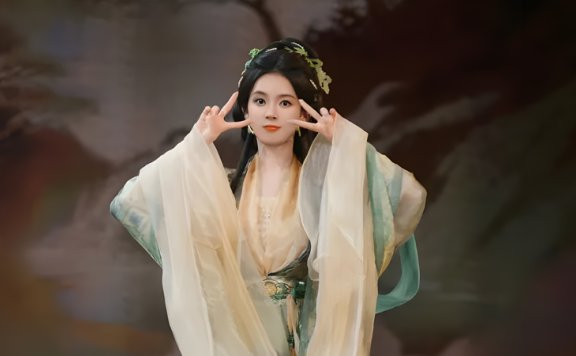
Can Chen Yao’s (陈瑶) ethereal gown make you fall in love with ancient Chinese fashion? The actress recently stunned the internet with her latest photoshoot, where she embodies the grace of a classical painting. Her layered, gradient silk dress and gentle hair styling have sparked a new wave of interest in traditional aesthetics, proving that timeless beauty never fades. The Magic of the Gradient Gown The moment you see Chen Yao in these photos, it feels like stepping into a living piece of art. She wears a multi-layered ensemble that captures light and shadow in a mesmerizing way. The base is a warm, beige cross-collar skirt that provides a soft, elegant foundation. Over this, she drapes a flowing outer robe with long, wide sleeves. This robe features a delicate gradient of pale green, shifting from a lighter hue at the shoulders to a deeper, more saturated tone at the hem. It reminds one of the tender green leaves of a willow tree in early spring, fresh and refined. This isn't just a costume; it is a carefully crafted piece of wearable art. The choice of the gradient effect is particularly clever, as it avoids being flat or boring. Instead, it… -
4 Rituals of Ancient Chinese New Year Joy
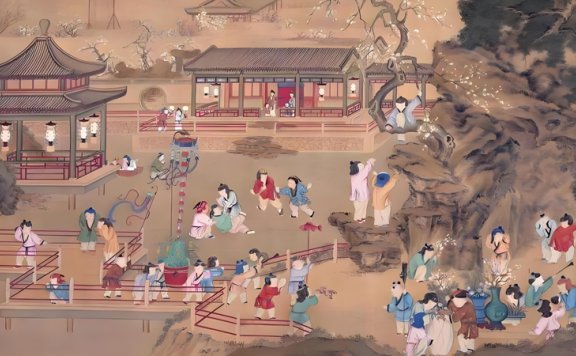
As you mindlessly tap your screen, competing with dozens of friends for a red envelope worth just a few yuan, have you ever wondered: did the ancients, who had no smartphones or WeChat, have a more exciting New Year than we do? In an era without electricity, the grandeur and ritual of their celebrations might far exceed our imagination. They weren't just celebrating a single day but orchestrating a grand ceremony spanning an entire month, filling the cold winter with warmth and anticipation. 1. Laba Festival (腊八节) The ancient "New Year" wasn't a one-day event but a systematic project that kicked off in the twelfth lunar month. The Laba Festival was the first signal. During the Northern and Southern Dynasties (420-589), Laba congee was already a northern staple. Records from the era describe a combination of drinking congee, making sacrifices, and driving away plagues—a series of actions that opened the festive prelude. It was a practical way to mark the transition, a communal effort to ward off the old year's ills and welcome a fresh start. The real highlight came on the 23rd or 24th of the twelfth month: the ritual of bidding farewell to the Zao Shen (灶神), or… -
5 Days of Chinese Lunar New Year Traditions
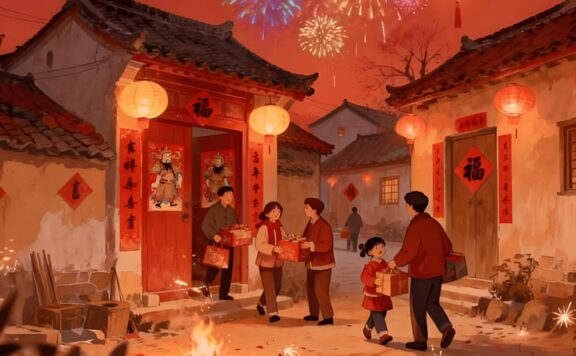
What happens when an ancient civilization’s most cherished family celebration becomes a global treasure? On December 4, 2024, in Asunción, Paraguay, Spring Festival—officially titled "Spring Festival, social practices of the Chinese people in celebration of the traditional New Year"—was inscribed on the UNESCO Representative List of the Intangible Cultural Heritage of Humanity. This decision places China's 44-day festival cycle among the world's most significant cultural practices. But the Spring Festival is more than a date on the calendar; it is a living, breathing organism that has evolved for centuries. While the term "Spring Festival" is relatively new—popularized in 1914 to distinguish the lunar New Year from the newly adopted Gre、gorian calendar—the traditions it encompasses are ancient. It is a time when modern China, with its skyscrapers and smartphones, pauses to reconnect with rituals that honor gods, ancestors, and family. The festival is a journey through the first five days of the lunar New Year, each carrying distinct meanings and practices that bind communities together. New Year's Dawn The first day of the lunar calendar, known as Chun Jie (春节), is a symphony of sensory overload. At the stroke of midnight, the world explodes in sound and light. Firecrackers, or Bao… -
Yao-Chinese Folktales 2: The Weight of Home and Face
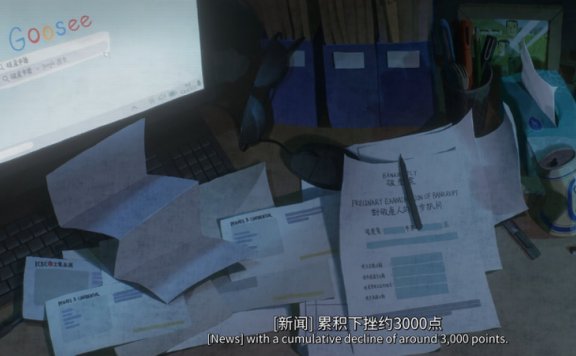
As the Lunar New Year approaches, a familiar anxiety creeps into the hearts of millions living away from their hometowns: Is it okay to go back if you haven't "made it"? This poignant question is at the very core of "Worshiping the Ancestors," the seventh episode of the acclaimed animated series Yao-Chinese Folktales 2 (中国奇谭2). Released just before the holiday, the story arrives like a mirror held up to the soul of every wanderer, reflecting our deepest insecurities about success, family, and belonging. It moves beyond a simple tale of returning home, using elements of fantasy to dismantle the very pressures that keep us away. The Weight of "Face" and the Loneliness of the City The episode introduces us to A Yuan (阿远), a young man adrift in Hong Kong. His reality is a montage of modern urban despair: instant noodles for dinner, a blaring TV reporting a crashing stock market, and a desk cluttered with bankruptcy papers. He is the embodiment of the "struggling drifter." When his father calls to invite him home for the ancestral rites, A Yuan’s instinct is to refuse. He is ashamed, believing his failure is a visible stain that everyone back home will see.… -
The Hidden Meaning of Li Shaoying’s Iconic Accessory
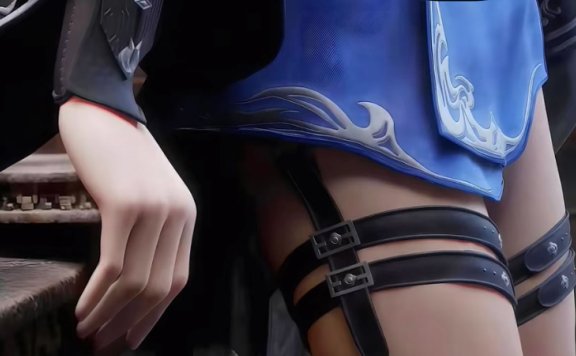
Fans of the animated series The Demon Hunter (沧元图) can't stop talking about a peculiar detail on the character Li Shaoying (李少英): her thigh strap. Is it merely a decorative afterthought, or does it serve a greater purpose in defining who she is? This article peels back the layers of this subtle design choice, exploring how it transitions from a visual enhancer to a narrative symbol. By examining its role in aesthetics, combat identity, and cultural context, we uncover why this small accessory is a masterstroke in character building—one that proves no detail is ever truly insignificant. Filling the Visual Gap with Purpose At first glance, the thigh strap on Li Shaoying's leg is an undeniable boost to her visual appeal. The character is crafted to embody a blend of regal elegance and martial sharpness—her double bun hairstyle paired with a golden forehead chain, flowing purple robes, and long, defined legs. Without the strap, that streamlined leg line might feel incomplete or visually abrupt, disrupting the outfit's layered sophistication. The accessory acts as a subtle anchor, drawing the eye and creating a balanced silhouette that feels intentional rather than accidental. Its design is deliberately understated, avoiding the flashiness of bulkier… -
Fang Han’s Dark Rebirth and a Lingering Glance
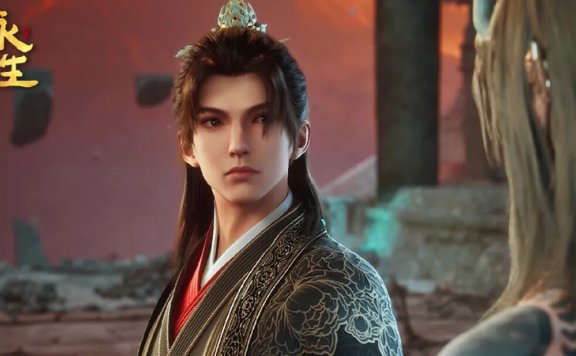
In the latest episode of the animated series Immortality (永生), the spotlight falls on Fang Han's (方寒) striking new appearance and the emotional weight of an 18-year imprisonment. Episode 66 has ignited discussions among fans, not just for its visual upgrades but for the subtle storytelling that deepens the protagonist's journey. This episode marks a pivotal moment where Fang Han's dark path converges with poignant memories, reshaping how viewers perceive his character. By weaving together intense cultivation breakthroughs and quiet emotional beats, the creators have delivered a chapter that feels both epic and intimate. Let's explore how this episode captures Fang Han's transformation, the significance of a lingering glance, and what it means for the series' future. Fang Han's Dark Rebirth and Powers Fang Han's black outfit in Episode 66 is more than a costume change—it's a visual declaration of his evolution. Clad in sharp, dark robes, he exudes a decisive aura that aligns perfectly with the novel's description. This look strips away the conventional image of a cultivator, replacing it with someone willing to embrace demonic paths to protect his loved ones. His eyes reflect unwavering determination, even as he walks a morally ambiguous road. The design team deserves…
