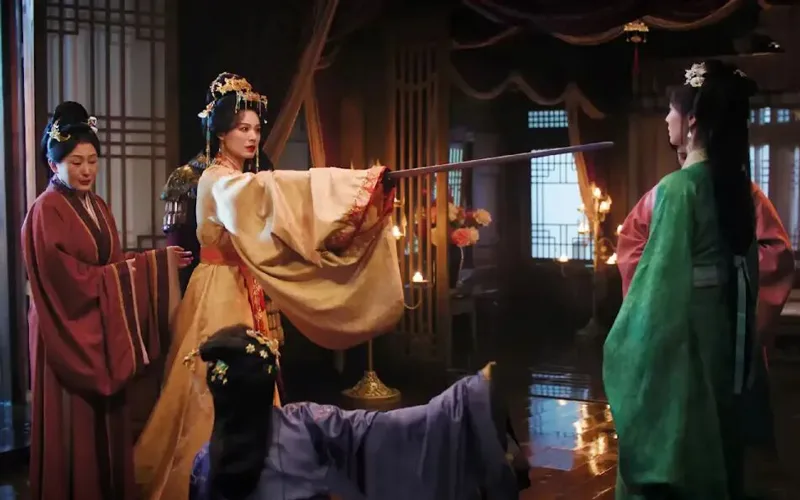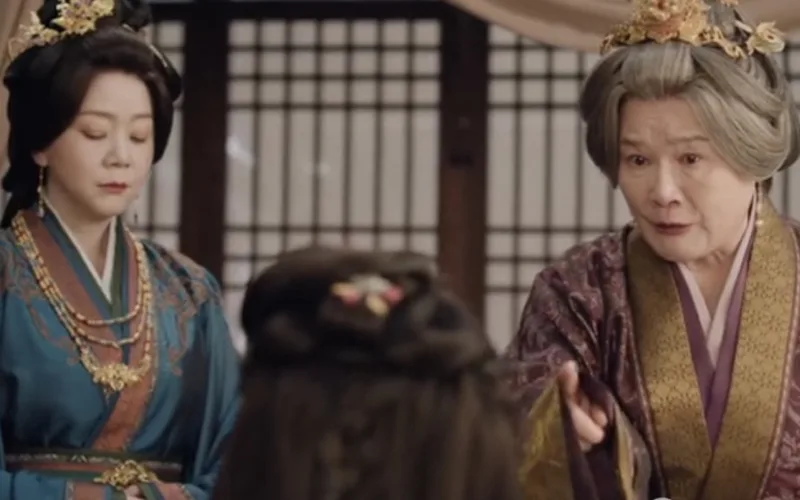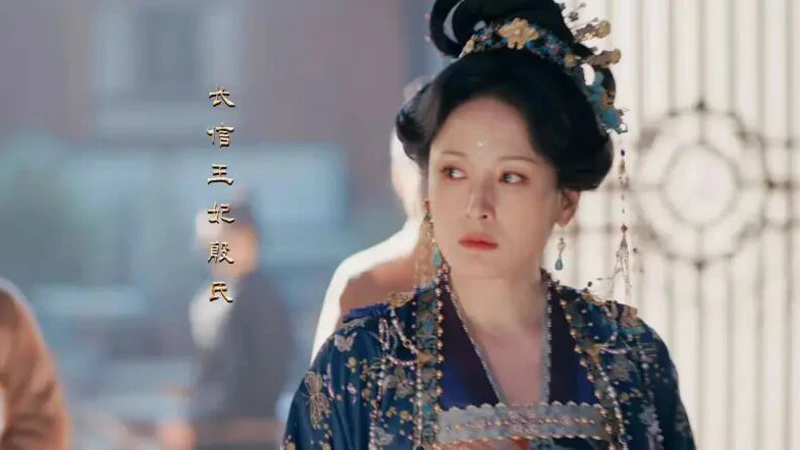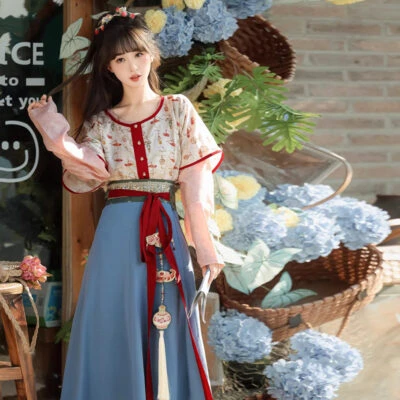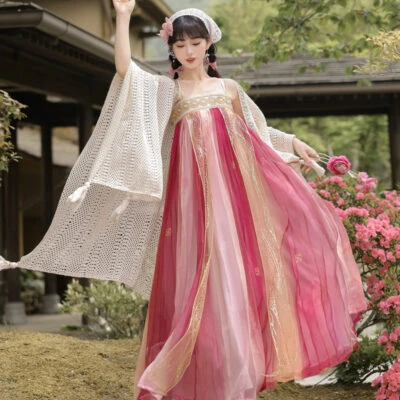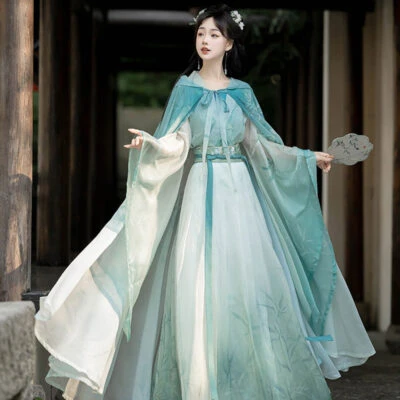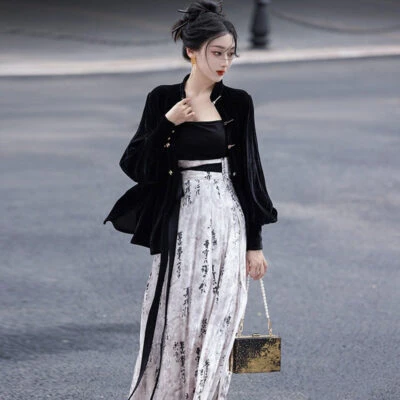
Few actors in recent memory have so thoroughly reshaped their own story through the sheer force of their performances as Bai Lu (白鹿). In the span of just a few years, she has moved from promising newcomer to a defining presence in Chinese period dramas. Her appeal does not rest on a single type of role. Instead, she has consistently chosen characters that defy simple labels—the gentle soul bound by silence, the sharp-witted survivor given a second chance, and the wild flame that refuses to be tamed.
Each portrait offers a distinct shade of womanhood, yet all are connected by a thread of inner strength and emotional honesty. What follows is a look at seven pivotal dramas that mark the milestones of her journey, each one showcasing a different facet of her craft and cementing her connection with audiences who see in her work not just entertainment, but a reflection of resilience and grace.

One and Only (周生如故)
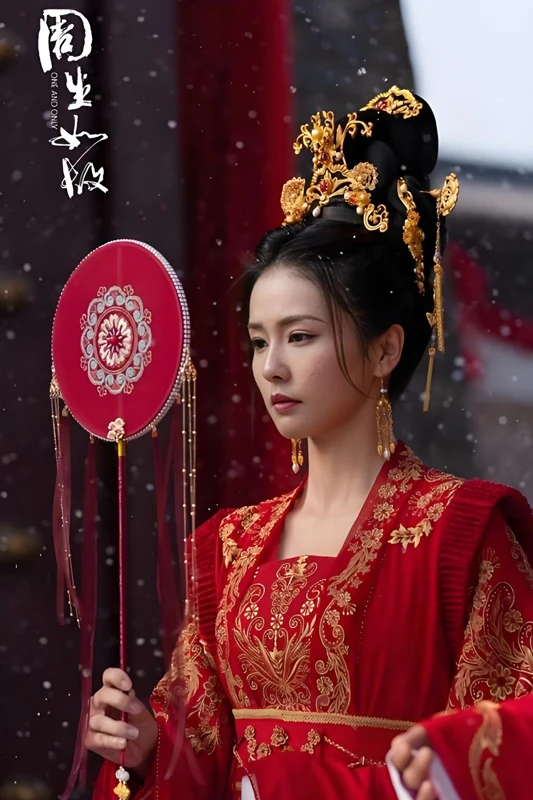
The year 2021 brought One and Only, a drama that quietly devastated its viewers. Here, Bai Lu embodies Cui Shiyi (崔时宜), a young woman who loses her voice in childhood and finds refuge in the household of the revered general Zhou Shengchen (周生辰). Her performance is a masterclass in restraint. Denied the use of dialogue for much of the story, she communicates volumes through the tilt of her head, the light in her eyes during lessons, and the almost imperceptible quiver of her lips when emotions run high. Shiyi’s journey from a curious disciple to a woman carrying a silent, all-consuming love is painted with delicate, heartbreaking strokes.
The genius of this portrayal lies in what it leaves unspoken. The bond between Shiyi and her master is built on shared glances and unacknowledged feelings, a romance so pure it never requires a single touch. When tragedy finally strikes, Bai’s depiction of grief is not loud, but deeply physical. The scene where she learns of Zhou Shengchen’s fate and stands atop the city wall, her eyes hollow with loss, carries a weight that words could never achieve. It is a moment of pure, cinematic empathy, where the audience feels her silent scream as their own.
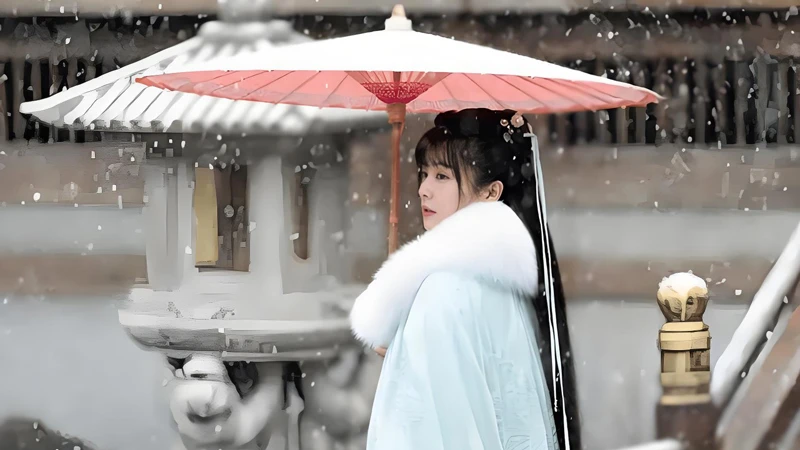
This role was a turning point, proving that Bai could carry the emotional core of a massive production. The drama’s immense popularity, reflected in its high viewership and lasting online discussions, was a testament to how her performance resonated. She transformed what could have been a passive character into a figure of immense dignity and quiet power. Shiyi’s love story, defined by what it could not have, became unforgettable precisely because Bai refused to overplay her hand, trusting instead in the profound eloquence of a simple, sorrowful gaze.

Story of Kunning Palace (宁安如梦)
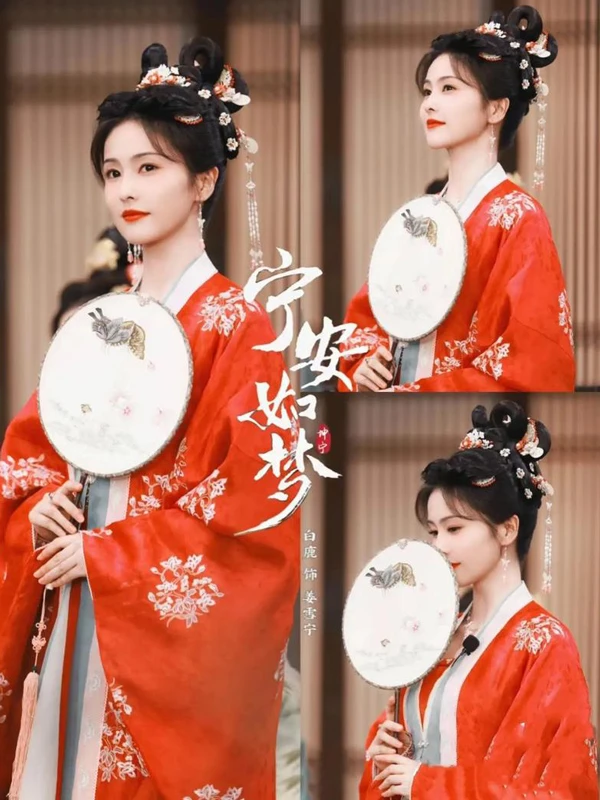
If Shiyi was defined by her silence, Jiang Xuening (姜雪宁) in Story of Kunning Palace is defined by her voice—sharp, strategic, and unafraid. Stepping into the world of a “resurrection” narrative, Bai takes on a character who has already lived one life full of ambition and regret, and wakes up with the memory of her own downfall. This is not a naive heroine seeking a simple do-over. Xuening returns with the knowledge of her past mistakes and a hardened determination to navigate the dangerous currents of the palace with her eyes wide open. Bai captures this weary wisdom perfectly, her eyes often holding a flicker of the past.
The performance thrives on complexity. Xuening is neither purely good nor simply a victim; she is a woman who once chose power and paid the ultimate price. Her arc is about learning to wield her intelligence not for selfish gain, but for protection and justice. The dynamic with Xie Wei (谢危), her former tutor, crackles with tension. Bai masterfully portrays the layers of fear, suspicion, and eventual trust that develop between them. It is a partnership built on shared secrets and mutual sharpness, a “two-way salvation” that feels earned and intensely satisfying to watch.
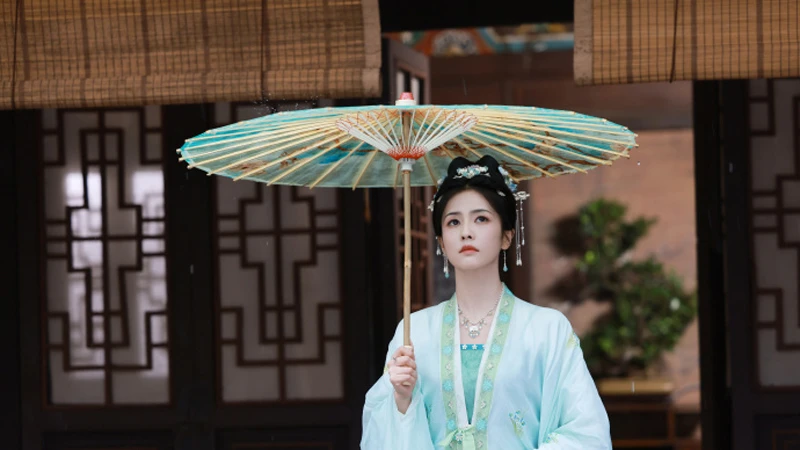
Bai’s portrayal cemented her status as a leading lady capable of driving a hit show single-handedly. The character’s “crazy beauty” persona—a woman who is both alluring and dangerous, capable of deep feeling and ruthless calculation—is a difficult balance to strike. Yet Bai makes it look effortless, creating a protagonist you root for even as she schemes. The drama’s explosive popularity and the overwhelming engagement on social media proved that audiences were captivated by this new kind of heroine. Xuening is the architect of her own fate, and Bai plays her with a compelling blend of vulnerability and unshakeable resolve.

The Legends (招摇)
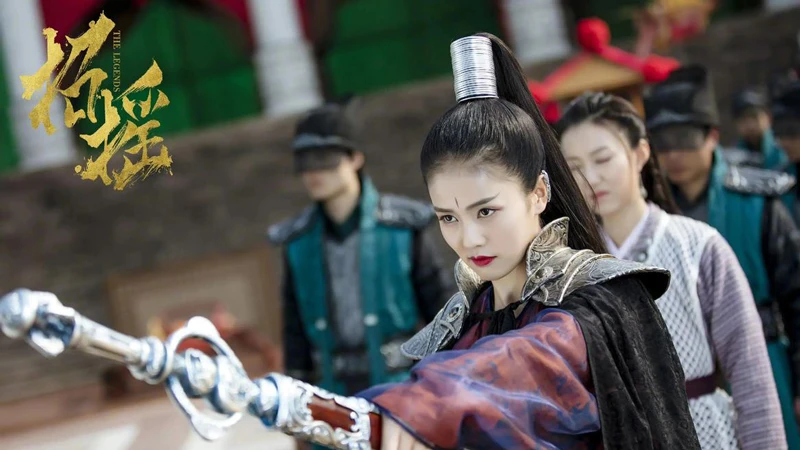
Before the quiet grace of Shiyi and the calculated schemes of Xuening, there was Lu Zhaoyao (路招摇). In 2019’s The Legends, Bai delivered a performance that was pure, unapologetic fire. This was her grand entrance into the world of female-led costume dramas, and she seized the role with both hands. Zhaoyao is the boisterous, ambitious leader of the Wan Lu Men sect, a woman who announces her arrival with a flourish and a declaration that she can kill whomever she pleases. Bai plays this audacity not as arrogance, but as an infectious, joyful love of life and freedom.
The role demanded a different kind of energy. One moment, she is commanding her followers with imperious charm; the next, she is a playful trickster, her eyes dancing with mischief. Bai moves between these extremes with a natural athleticism, making Zhaoyao’s wildness feel like an extension of her very soul. The red cloak and flowing robes become symbols of her untamed spirit. It is a performance built on bold strokes and broad emotions, a refreshing contrast to the more introspective roles that would follow. This was the debut of a screen presence that refused to be ignored.
Based on the popular novel by Jiu Lu Fei Xiang (九鹭非香), the drama weaves a tale of love and battle against dark forces. But at its heart is Bai’s Zhaoyao, a woman whose strength comes from her unwavering belief in herself. The supporting cast adds color and humor, but the stage belongs to her. This role laid the foundation for everything that came after. It showed that Bai could not only lead a story but could define its very tone. In Zhaoyao, she created a character whose “wildness” was not a flaw but her greatest power, a woman who loved fiercely and fought harder, leaving a trail of captivated viewers in her wake.

Feud (临江仙)
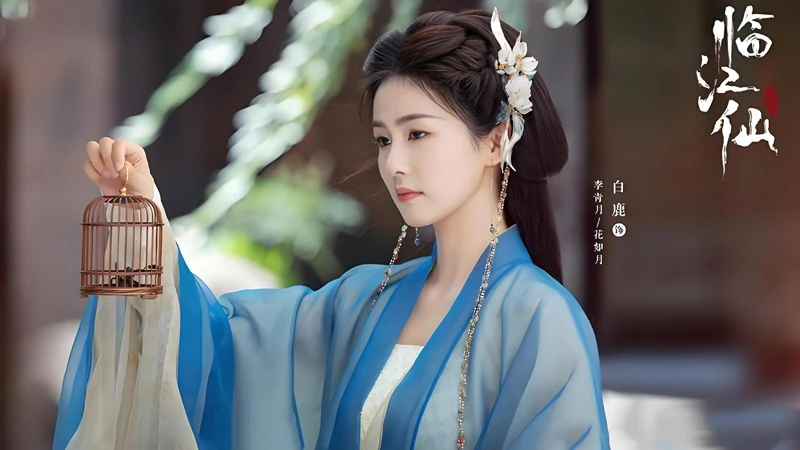
iQiyi’s Feud drops the usual gentle romance and replaces it with something sharper. The story follows Hua Ruyue (花如月), a xian (仙) cultivator played by Bai Lu, who is stuck in a three-hundred-year loop with her partner Bai Jiusi (白九思). Every cycle ends the same way: marriage, loss of a child, and murder. It is a setup built on revenge, not sweetness. The wedding night confrontation alone forces the viewer to pay close attention, piecing together motives like in a murder mystery game.
Bai Lu handles two versions of her character here. As Hua Ruyue, she is distant and controlled. As Li Qingyue (李青月), she brings warmth and humor. The contrast keeps the performance grounded even when the plot goes big. The show also moves fast. It hit ten thousand heat points on its ninth day, the quickest for any Xianxia drama on the platform in four years. That speed shows how audiences responded to the fresh angle. Social media numbers back it up: over thirteen billion views on Douyin, with forty-seven billion just for Bai Lu’s Li Qingyue tag. People were not just watching; they were talking.
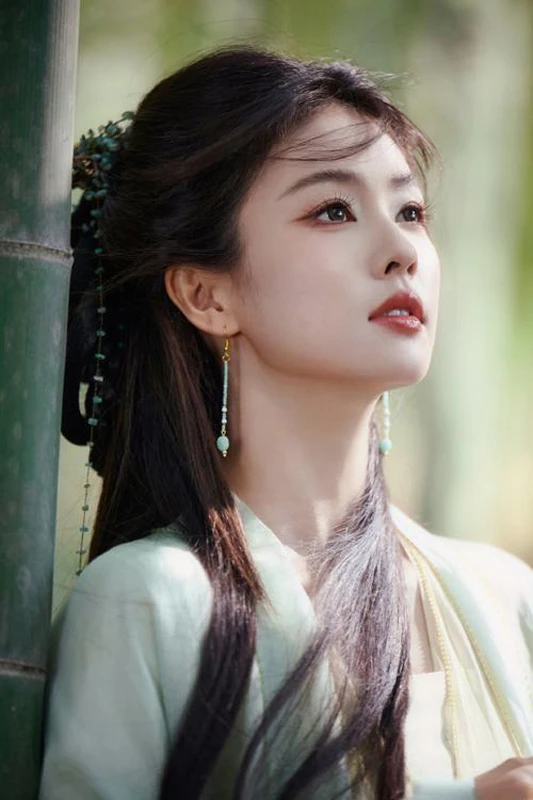
The visuals match the mood. The fight scenes carry weight, and the costume work avoids the generic look that drags down many fantasy shows. But what really stands out is the structure. By flipping the expected happy ending, the writers keep the tension alive. You never quite know who will turn on whom next. That uncertainty makes the viewing experience active. You are not just absorbing pretty images; you are solving a puzzle.

Till the End of the Moon (长月烬明)
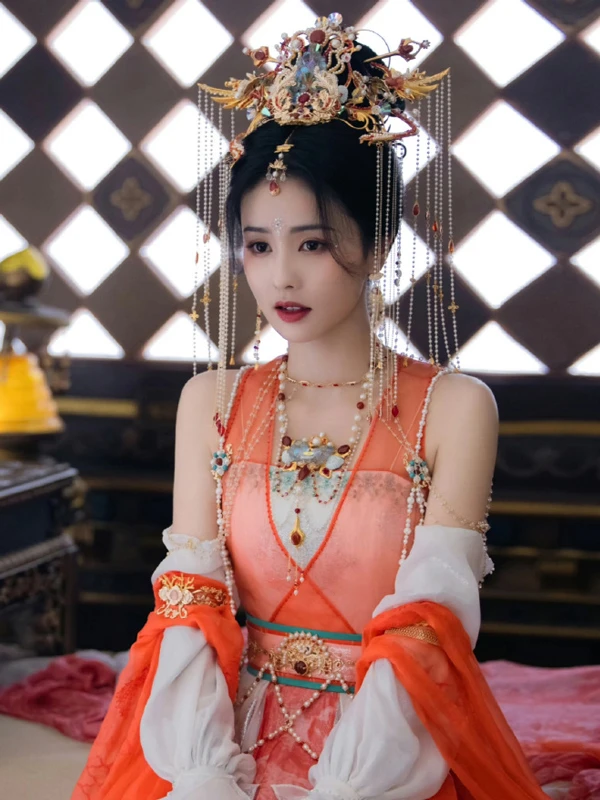
Till the End of the Moon on Youku came a year earlier and set a high bar. Based on the novel Black Moonlight Holds the BE Script (黑月光拿稳BE剧本) by Teng Luo Wei Zhi (藤萝为枝), it weaves together elements from Dunhuang (敦煌) murals and Chu Ci (楚辞) poetry. The look is rich without being overwhelming. Robes carry patterns from cave paintings, and the color palette pulls from desert tones and old scrolls. That visual care gives the world texture. It feels like a place with history, not just a green screen set.
Bai Lu plays three women here: Li Susu (黎苏苏), Ye Xiwu (叶夕雾), and Sang Jiu (桑酒). Each has a different goal and emotional core. Li Susu carries the weight of a savior. Ye Xiwu acts like a spoiled daughter but hides deeper pain. Sang Jiu is a tragic figure, a princess of clams who loses everything. Jumping between them could feel scattered, but Bai Lu keeps each thread distinct. Her crying scenes in particular hit hard. They are not just loud; they carry exhaustion and loss.
Opposite her, Luo Yunxi (罗云熙) plays Tan Taijin (澹台烬), a character who shifts from sickly villain to gentle immortal. His look in black robes became a talking point for good reason. The styling plays up his sharp features, and the performance sells the danger underneath. Together, the two create a pull that kept the show at number one for twenty-eight days straight. Youku saw a huge spike in downloads too, with over 379,000 new users in a single day. That kind of response does not come from hype alone. It comes from a show that delivers on both emotion and craft.

Overload (九流霸主)
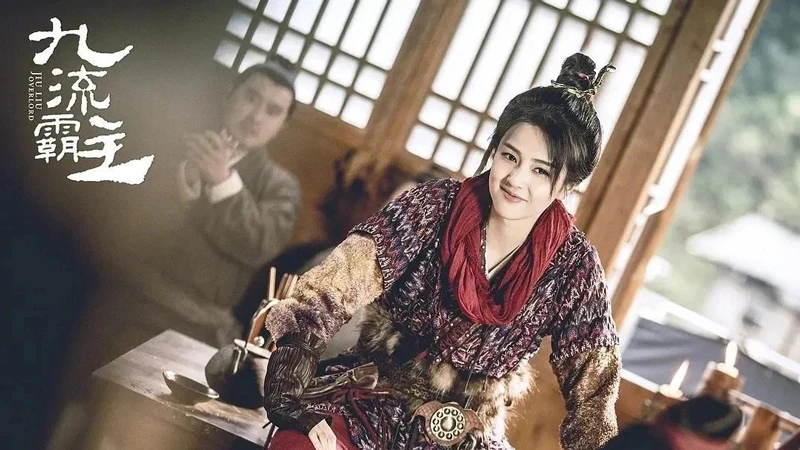
In Overload, the action unfolds during the late Tang Dynasty. Society is strictly divided into the upper nine classes and lower nine classes. The fictional city of Silver City physically separates these groups, with a grand building called Wanhua Tower (万华楼) acting as the neutral border. The northern district houses wealthy merchants and nobles, while the southern district is home to laborers and gang members. This spatial division is absolute, and social contact between the two spheres is virtually nonexistent—at least, it was supposed to be.
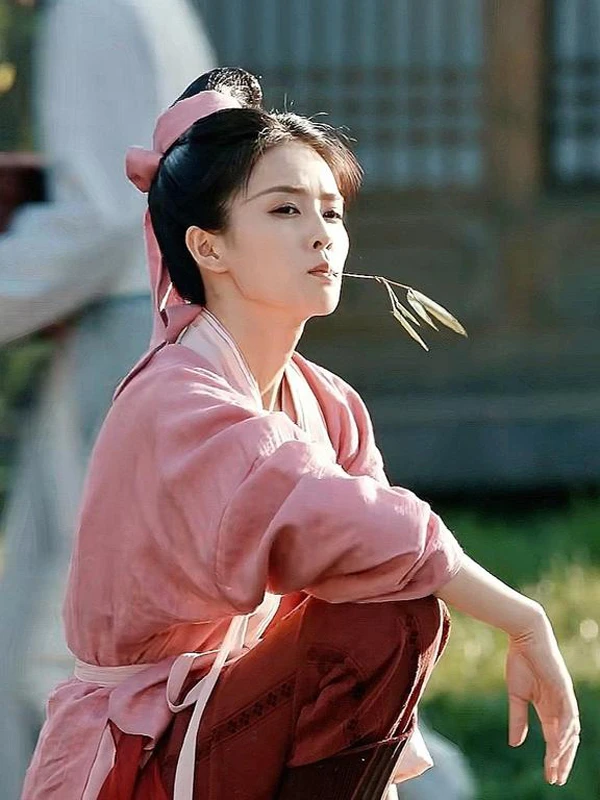
The peace is shattered by a clever building owner who double-books Wanhua Tower. On the same day, the silk magnate Li Qingliu (李清流)hosts a high-end fashion show for his upper-class clients upstairs, while Long Aoyi (龙傲一), the new leader of a lower-class gang, organizes a high-stakes gambling duel downstairs. Their worlds collide when Aoyi, fleeing a dispute, falls through the ceiling and lands directly onto Qingliu’s exhibition stage, ruining his most valuable gold-threaded robe. This chaotic first meeting establishes their dynamic: he is rigid, wealthy, and disdainful of her world; she is resourceful, impulsive, and unimpressed by his status.
Fate forces them together again when Qingliu’s business faces a crisis. Precious gold thread, essential for a major order, is stolen. Suspicion immediately falls on Ao Yi’s gang, leading to a heated confrontation. Qingliu is certain of her guilt, but a subsequent event lands him in prison, where he unexpectedly uncovers evidence of a setup. He realizes his assumptions were baseless. After his release, he swallows his pride and asks Ao Yi to help investigate the real thieves. This investigation marks a turning point, as they begin to see each other as individuals rather than representatives of their respective classes.

Song of Youth (玉楼春)
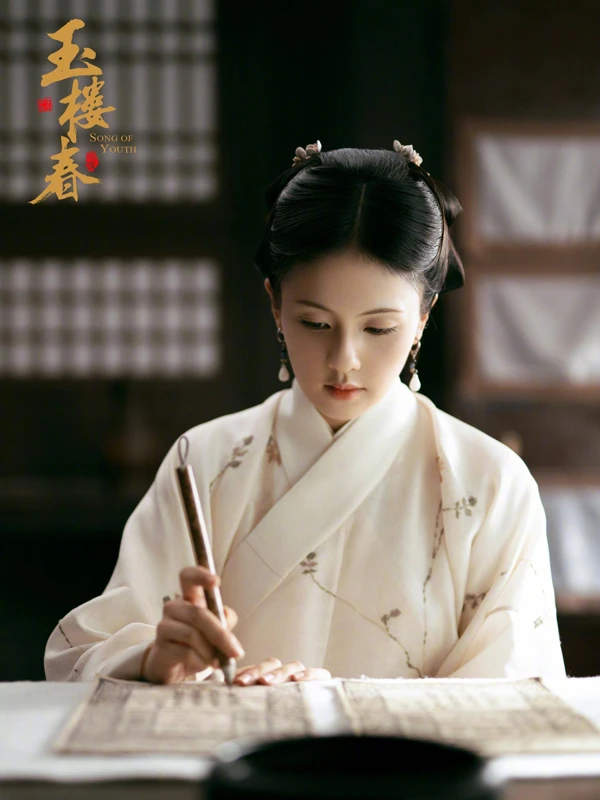
Song of Youth takes a different approach to social barriers, placing its protagonist within the walls of a powerful family. Lin Shaochun (林少春) is a performer from the opera, a background that marks her as unsuitable for marriage into the elite. Despite this, she falls in love with Sun Yulou (孙玉楼), the son of a high-ranking official, and eventually marries him. However, entering the Sun household is not a fairytale ending, but the beginning of a difficult test. Her in-laws and their extended family view her with suspicion and disdain.
Shaochun’s strategy for survival is not confrontation, but quiet, intelligent intervention. The Sun household is far from harmonious. Siblings quarrel, finances are mismanaged by careless spenders, and various members scheme for personal gain. Instead of trying to prove her worth directly to her stern mother-in-law, Shaochun begins solving the family’s smaller, more personal problems. She notices the growing distance between Yulou’s older brother and his wife. Through careful observation and gentle advice, she helps the couple understand each other, mending their broken relationship. This act of kindness earns her her first allies within the home.
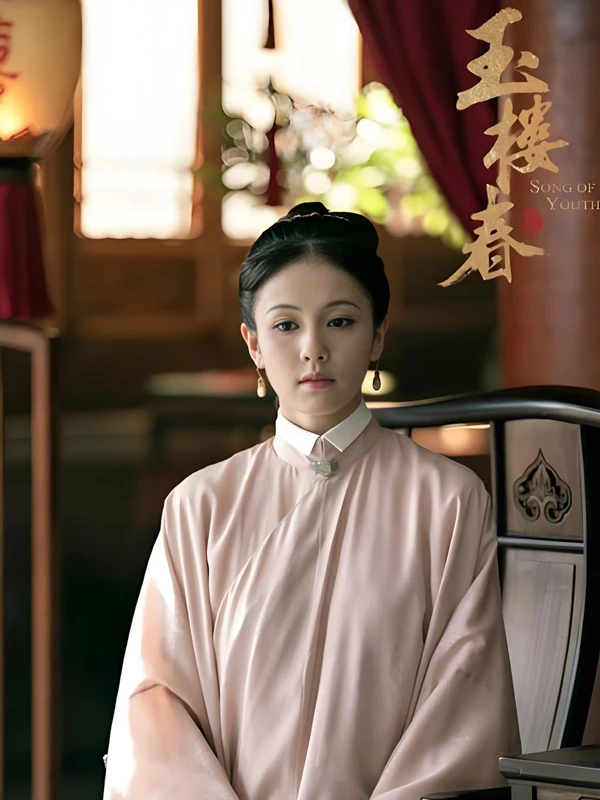
Her biggest challenge arrives with the discovery of a severe financial crisis. The family’s wealth has been drained by poor investments and embezzlement. While the more arrogant family members panic or blame each other, Shaochun calmly analyzes the accounts. Using her practical knowledge from years of managing her own modest affairs, she identifies the leaks and proposes concrete solutions to salvage their finances. This tangible success begins to shift the family’s perception of her. She is no longer just the opera girl who married in; she is becoming an indispensable member of the household, capable of solving problems that baffle others.

Final Words
Through these seven roles, Bai Lu does not simply perform—she transforms. Each character is a testament to her range, her depth, and her rare ability to turn scripted words into lived experience. In her hands, period drama becomes not just entertainment, but a mirror held up to the resilience within us all.