In the sprawling landscape of Chinese television dramas, a new contender has emerged that refuses to play by the rules. Generation to Generation (江湖夜雨十年灯) has quietly captivated audiences, not with predictable plots or cookie-cutter heroes, but with a fragmented narrative style that feels more like assembling a complex jigsaw puzzle than watching a show. While the central romance between the young protagonists provides the initial draw, it is the spectral presence of the previous generation that haunts every frame.
This isn't just a story about young love navigating martial arts conflicts; it is a dissection of how the sins of the parents become the poisoned inheritance of their children. The drama dares to ask a provocative question: what happens when the "heroes" of the past were not heroic at all, but simply people who made tragic, selfish choices? By refusing to spoon-feed the backstory, the writers invite us to become detectives, piecing together the wreckage of lives destroyed by love, jealousy, and a single, devastating lie. This narrative choice elevates Generation to Generation from a standard Guochao (国潮) period piece into a raw, emotional exploration of time's cruel ability to turn passion into ash.
The Ghosts of Qingque (青阙): A Love Triangle Forged in Fire
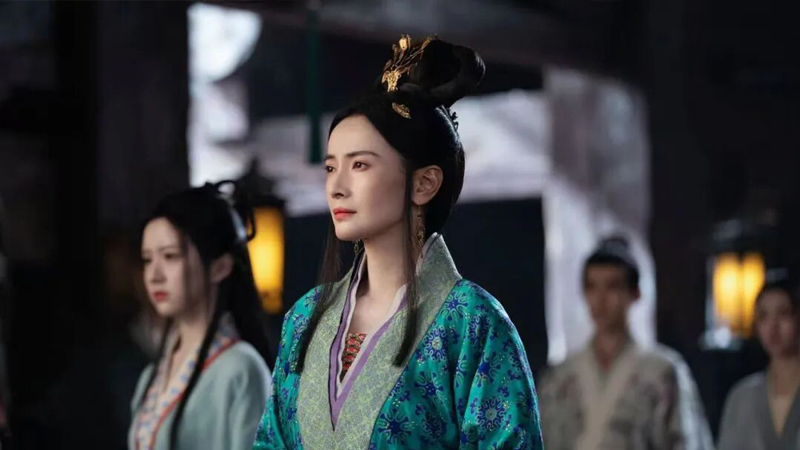
At the heart of the older generation's tragedy lies a trio whose fates are irrevocably twisted: Cai Pingshu (蔡平殊), Mu Zhengming (慕正明), and Qi Yunke (戚云柯). On the surface, Cai Pingshu was the righteous path's brightest star, its "white moonlight." She was meant to marry the Qingque Sect leader, Qi Yunke. Instead, her heart belonged to Mu Zhengming, a kind-hearted young master from a so-called "demon sect." The drama masterfully shows their youthful camaraderie through fleeting images—shared smiles in a sun-dappled forest, the easy trust between comrades. They were not symbols of good and evil; they were simply young people in love with the idea of a just world.
However, Qi Yunke's love for Cai Pingshu was not pure; it was possessive. Unable to win her heart, he chose to destroy what she loved. He didn't wield a sword to do it, but a quill. He forged evidence, intercepted letters, and poisoned the minds of the martial arts community. He framed Mu Zhengming as a monster, forcing Cai Pingshu into an impossible corner. The most devastating scene is not a grand battle, but the moment Cai Pingshu is manipulated into plunging her blade into her lover's chest, believing she is serving justice. She killed the man she loved, and in doing so, she killed the person she used to be. She survived, but spent the rest of her life as a recluse, her martial arts broken, or crippled, and her reputation ruined. She became the villain of a story where she was actually the ultimate victim.
The Innocent and the Architect: Two Sides of a Coin
Mu Zhengming's fate is perhaps the most unjust. He was never the demon the world made him out to be. He was a man caught between his family name and his personal ethics, who only wanted peace with the woman he loved. He dies in that single, cruel moment, unaware of Qi Yunke's machinations. He goes to his grave believing his beloved chose the world over him, a martyr to a lie. His death is not just a personal tragedy; it sets off a chain reaction that destroys his entire family, leaving his child to inherit the world's hatred and the label of "demon's spawn." He is the innocent lamb sacrificed on the altar of another man's ambition.
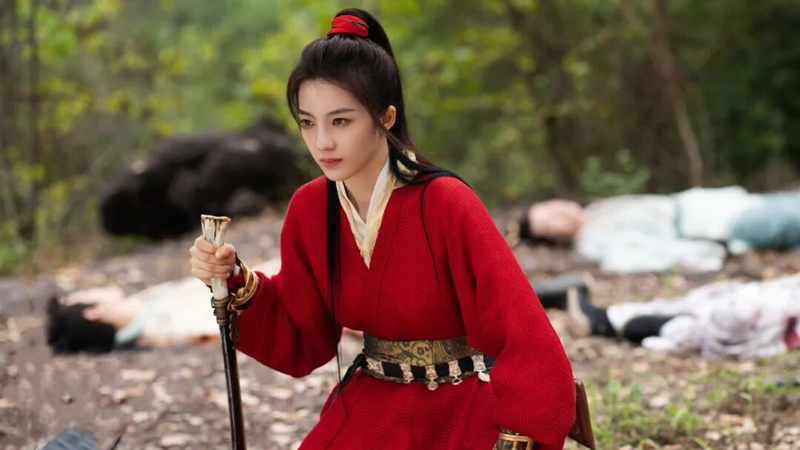
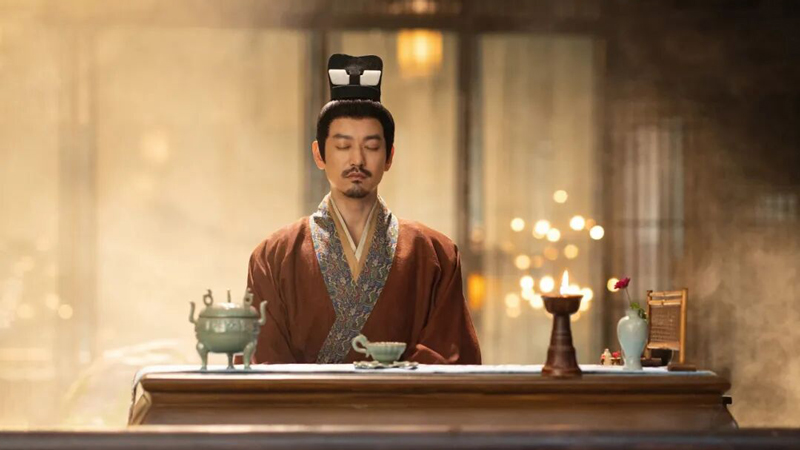
In stark contrast stands Qi Yunke, the story's most complex and disturbing figure. As the leader of the Qingque Sect, he wears the mask of a righteous elder. But beneath it lies a heart consumed by entitlement. He is the architect of the entire tragedy, yet he never gets his hands dirty. He uses the system, public opinion, and the very concept of "righteousness" to destroy his rivals. His sin is not just jealousy; it is the cold, calculated use of power to satisfy a personal grudge. He destroys Cai Pingshu, murders Mu Zhengming, and corrupts his own soul. He gets to live, to lead his sect, but he is trapped in his own personal hell—forever the man who could not have what he truly wanted, forever looking at the ruins he created. He is a haunting reminder that in this world, the worst villains do not always come from the "demon sect."
Fragments of a Broken Past: A Narrative Masterstroke
The decision to tell this backstory through fragmented flashbacks is what makes it so emotionally devastating. We do not get a neat, chronological history lesson. Instead, we get a whisper here, a half-remembered glance there, a sudden burst of violence explained only later. This method mirrors how we process trauma in real life. It comes back to us in pieces, often making sense only after the damage is done. As the young protagonists navigate their own conflicts, these fragments slowly click into place. The audience experiences the tragedy not as a past event, but as a slowly unfolding wound. The realization that these broken, bitter elders were once laughing, trusting friends hits with the force of a physical blow.
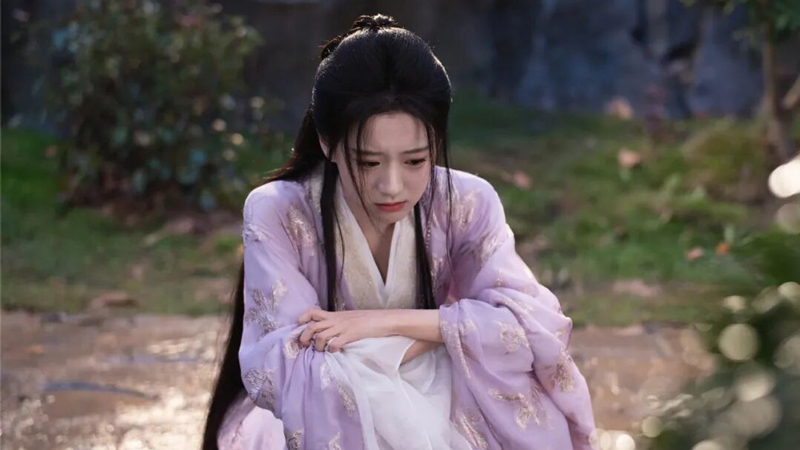
This structure also highlights the cruelest irony of the story: it was all based on misunderstanding. The hatred that defined their lives, the decades of isolation and pain, all stemmed from lies that could have been exposed with a single honest conversation. The younger generation gets the chance to break the cycle, to communicate, and to heal. The older generation does not. Their lives are already etched in stone, defined by "enmity and romance that went nowhere."
They pass down their unresolved pain, their grudges, and their debts to their children like a cursed heirloom. The series uses this technique to show that Generation to Generation is not just a story about martial arts; it is a story about time. It captures the aching truth that youth is fleeting, passion cools, and sometimes, the people we were meant to be get lost in the rain of a single, fateful night. The drama's true genius lies in making us mourn not just for the characters who die, but for the ones who live on, trapped in the amber of their own tragic past.