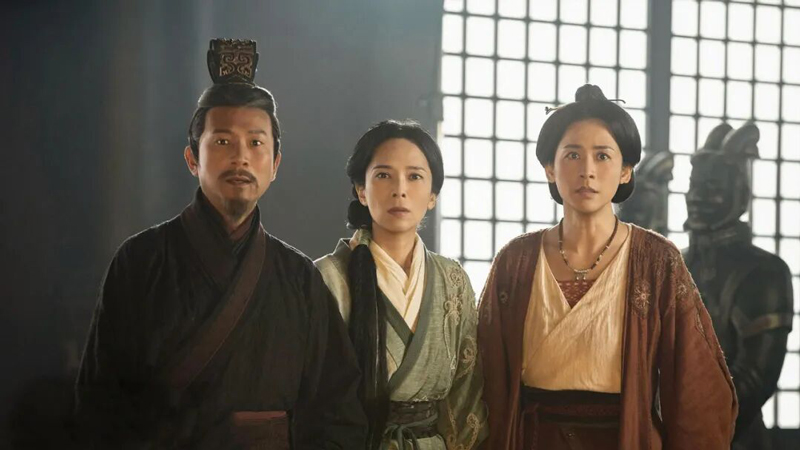
After a 25-year wait, the original cast of the hit TV series reunites for a movie adaptation. Expectations were sky-high for a meaningful conclusion to a beloved story. However, the final product delivers a disjointed narrative and questionable visual effects, leaving audiences to wonder if some classics are better left untouched. The film arrives carrying the heavy burden of nostalgia, but fails to build a solid foundation beneath it.
What Went Wrong with the Time-Traveling Plot?
The strength of the original TV series Back to the Past (寻秦记) lay in its intricate plot. Viewers were captivated by the protagonist Xiang Shaolong (项少龙) navigating the treacherous politics of the Qin Dynasty (秦朝) with his modern knowledge. His complex relationship with the young Ying Zheng (嬴政), who would become the First Emperor, provided deep emotional conflict. The show ended with a poignant sense of fate, symbolized by a terra-cotta warrior bearing Xiang Shaolong's likeness, leaving a beautiful narrative blank for fans to ponder.
The movie, however, abandons this sophisticated groundwork. It picks up years later with Ying Zheng as a paranoid ruler, creating immediate tension with his former mentor. Instead of developing this political and personal conflict, the film introduces a jarring new element: modern villains using high-tech gadgets to travel back in time and seize power. The story suddenly shifts from historical drama to a low-budget science fiction brawl, complete with flying motorcycles and laser weapons that look more like cheap cosplay props than future technology.
This narrative choice shatters the immersive historical atmosphere the original series so carefully built. The sense of weight and consequence that defined the TV show is replaced by cartoonish action sequences. The motivations of these new antagonists are poorly explained, making them feel like hollow devices to create action scenes. What could have been a tense story of modern tactics versus ancient armies becomes a laughable spectacle, undermining the strategic Guochao (国潮) elements that fans originally loved. The clever time-travel intrigue devolves into a messy, illogical battle.
Where Have the Beloved Characters Gone?
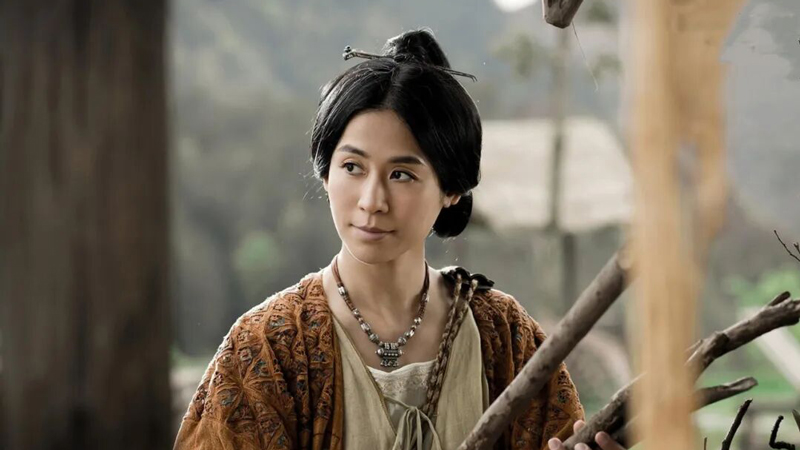
Perhaps the most disappointing aspect of the movie is its treatment of the classic characters. In the television series, characters like Wu Tingfang (乌廷芳) and Qin Qing (琴清) were vibrant and independent women with their own stories and strengths. They were not just love interests but integral parts of the narrative, contributing to the drama and adventure. Their personalities shone through, making them unforgettable figures in Chinese television drama history.
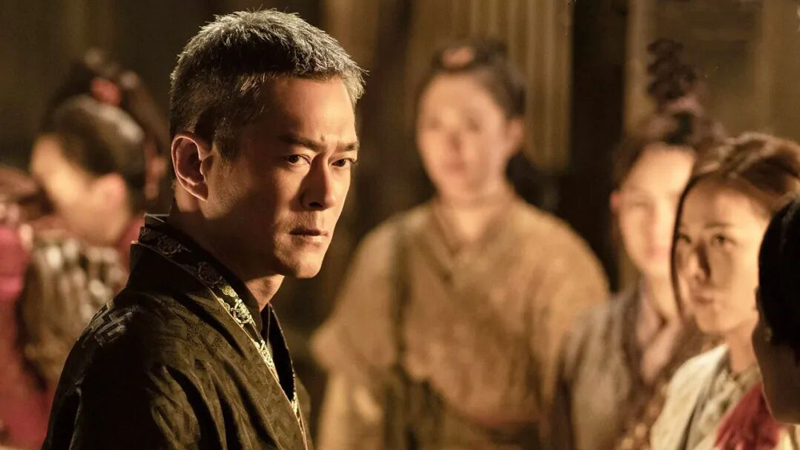
In the film adaptation, these once-vibrant roles are sadly reduced to little more than background elements. They appear on screen, but their purpose is limited to waiting for rescue. The strong, proactive women who could hold their own in the chaotic Warring States period are gone. This weakens the story significantly, removing the emotional depth that came from their interactions with Xiang Shaolong and the changing world around them.
Furthermore, the central conflict between Xiang Shaolong and Ying Zheng feels rushed and unearned. The gradual build-up of trust and its subsequent fracture, which should be the emotional core of the film, is handled with abrupt plot twists. The movie relies on forced sentimental scenes to create emotional impact, rather than allowing feelings to develop naturally from the story. This makes the eventual reconciliation feel hollow, as if the filmmakers were simply checking boxes to give fans a happy ending, regardless of whether it made logical sense.
Is Nostalgia Enough to Save a Movie?
The film's primary marketing strategy is undeniably its cast. Seeing the familiar faces of Louis Koo, Raymond Lam, and Jessica Hsuan together again is a powerful draw for anyone who grew up watching the series. The production team knows this well, frequently inserting flashbacks to iconic scenes from the original show. These moments are designed to trigger an emotional response, hoping that the warm feelings of memory will cover up the flaws in the storytelling. The melody of the classic theme song alone is enough to transport many viewers back to their youth.
This approach puts the audience in a difficult position. Many fans openly admit the film's quality is poor, yet they feel a sense of obligation to support it. They view it not as a ticket to a movie, but as a payment to close a chapter of their own past. The desire for a proper, official ending is so strong that some are willing to accept a flawed one. For them, an imperfect conclusion from the original actors is preferable to leaving the story open to endless imagination and fan fiction.
Personally, the film delivers a bittersweet message: some memories are best left untouched. The attempt to provide a dual-ending—one historical and one modern—feels like a compromise trying to please everyone. While it offers a sense of closure, it is a hastily arranged one. The movie argues that sometimes, the unfinished story and the lingering regret are actually a more perfect ending than a forced, happy reunion. In trying to fill the narrative blank left by the series, this adaptation proves that nostalgia alone cannot build a satisfying story; it can only remind us of a better one.