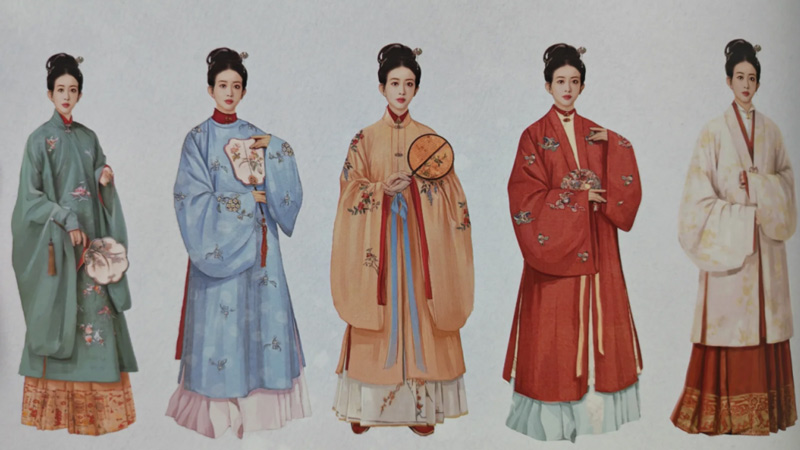
A recent online post has sparked a heated debate among drama fans and traditional dress enthusiasts. A netizen shared the official costume design concepts for the period drama Blossom (九重紫), and the reaction was immediate: the sketches were gorgeous, but they looked almost nothing like the clothes actually worn on screen.
The question on everyone’s lips is simple: if the concepts were so beautiful, why couldn’t the show just follow them? The disappointment has led many to wonder if period dramas would look significantly better if they adhered more strictly to the standards of Hanfu, China's traditional clothing. This isn't just about nitpicking; it touches on a fundamental issue in how historical dress is interpreted for the screen.
The Great Fabric Debate
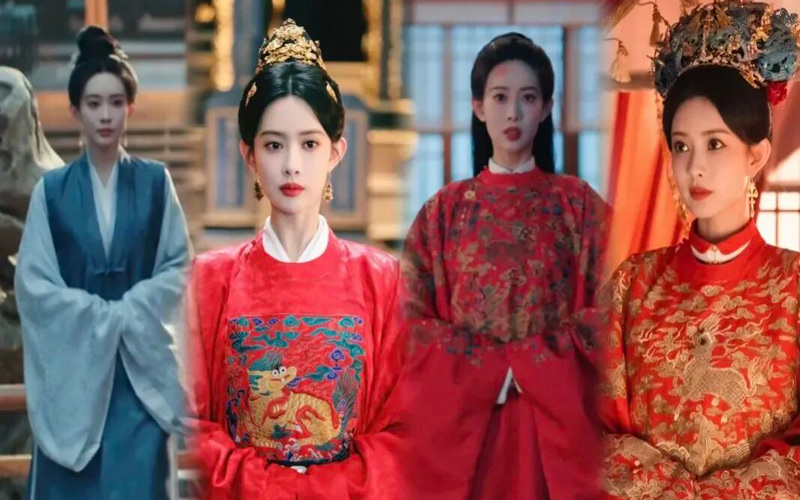
The core of the controversy boils down to two technical terms: "allowance" and "pattern." In the context of Hanfu, "allowance" refers to the amount of fabric used. Traditional Chinese clothing, especially the wide-sleeved styles of the Ming dynasty, relies on a generous cut. This abundance of material allows the sleeves and hems to drape naturally, creating elegant, flowing lines that move gracefully with the body. The concept art for Blossom clearly illustrated this principle, showing robes with ample fabric that would have looked both stately and comfortable.
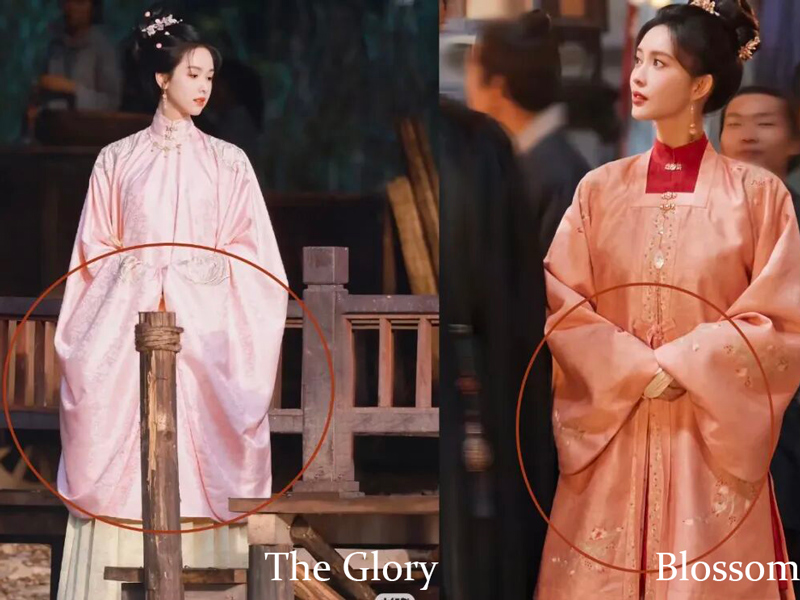
However, the finished costumes tell a different story. Viewers quickly pointed out that the actual robes appeared tight and stingy. The sleeves were often too short, failing to cover the fingers, which threw off the body's proportions and made actors' heads appear larger in relation to their bodies. This lack of fabric also caused the sleeves to take on a stiff, "figure-eight" shape at the armpits, rather than falling in soft, natural folds. This cramped silhouette is a far cry from the relaxed dignity that defines traditional Hanfu aesthetics.
This issue isn't unique to Blossom. It's a common problem in many productions, and the comparison with another recent drama, The Glory (雁回时), only makes it more glaring. Fans praise The Glory for its generous fabric allowance, which gives its costumes a proper, flattering drape. This stark visual contrast has led many to ask the obvious question: are production teams really that short on fabric? The answer, of course, is no. The problem runs deeper than a simple budget constraint.
When Modern Taste Meets Traditional Structure
Beyond the amount of fabric, the "pattern" or Ban Xing (版型) of the garments in Blossom has also drawn criticism. Traditional Hanfu is primarily flat-cut, meaning the pieces are cut in simple, straight lines and then assembled. The beauty of this construction lies in how it hangs on the body. In many period dramas, however, we see traditional styles like the a type of jacket and skirt altered with modern adjustments. They are often cut with a smaller allowance and given a fitted, waist-hugging design to conform to contemporary ideals of a slim silhouette.
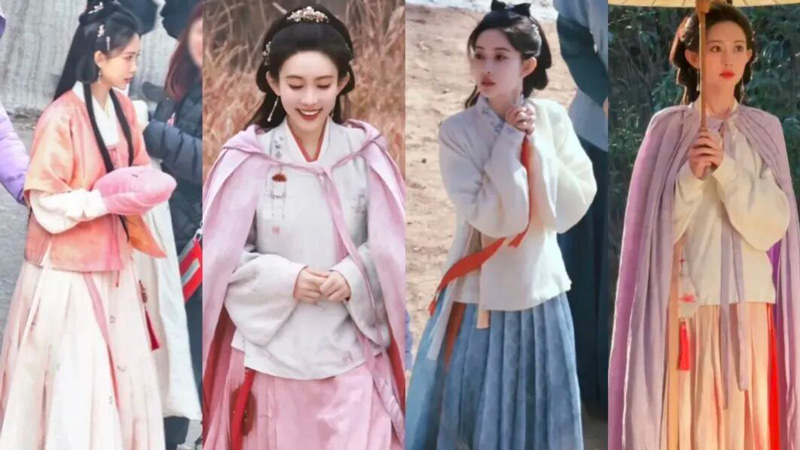
This modern approach to pattern-making is precisely what creates the awkward proportions viewers complain about. The stiff, "figure-eight" sleeves are a direct result of this. Interestingly, this sleeve shape is more characteristic of the Japanese kimono, which evolved under different historical constraints related to resource limitations and strict sumptuary laws. By contrast, traditional Chinese aesthetics prize a sense of ease and formality, achieved through layered fabrics and natural draping that conveys a subtle yet powerful grandeur. When modern tailoring techniques are forced onto these ancient designs, the result often feels inauthentic and visually uncomfortable.
So, why does this disconnect happen? It likely stems from a lack of deep understanding of traditional garment construction among some costume designers. While a designer might draw a beautiful concept with the right look, the people tasked with actually constructing the garment may not be the same individuals. This separation of labor can lead to a loss of the original intent. Furthermore, there is a persistent trend of imposing modern aesthetic values onto historical forms. Instead of understanding the structural logic and beauty of traditional clothing, designers sometimes view it through a contemporary lens, leading to an end product that is neither fish nor fowl.
Striking a Balance on Screen
The debate surrounding Blossom's costumes ultimately forces us to consider a larger question: what do we want from historical dress in visual media? There is a clear tension between the desire for historical authenticity and the creative freedom of artistic interpretation. For many viewers, especially those familiar with Hanfu, seeing accurate "allowance" and traditional "pattern" is not about pedantry. It is about respecting the visual language and cultural heritage embedded in the clothing. When the costumes look right, it enhances the world-building and immerses the audience more deeply in the story. It makes the characters feel like they truly belong to that era.
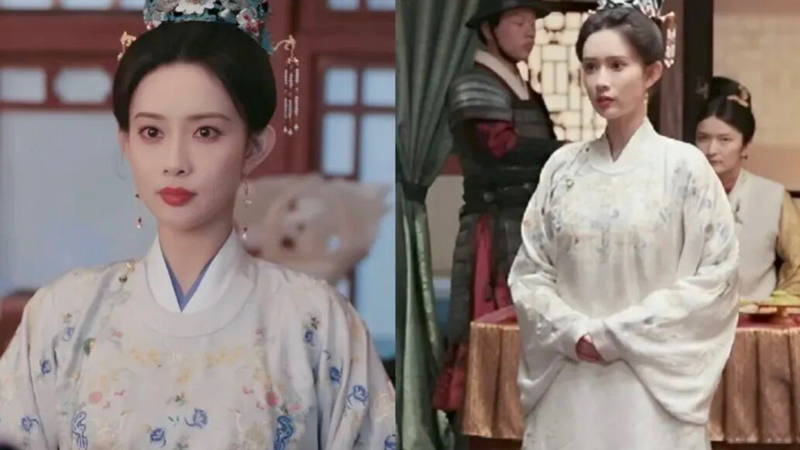
On the other hand, drama is a visual art form, and some degree of stylization is inevitable. A director might adjust colors for a specific mood or simplify a pattern for the camera. The key is to find a harmonious balance. The success of shows like The Glory proves that it is possible to have both: costumes that respect traditional construction while still looking fresh and appealing to a modern audience.
The frustration with Blossom is not that it took creative liberties, but that it failed to execute the very vision it set out in its concept art. In the end, when a costume is done well, it acts as a silent storyteller, enriching the narrative without the viewer even needing to know the technical terms for why it works so beautifully. So, which do you prefer: the untouched traditional version, or the screen-adapted one? The conversation is far from over.