Article
搜索结果:
-
Rule-Breaker vs Rule-Keeper in Tale of Herding God
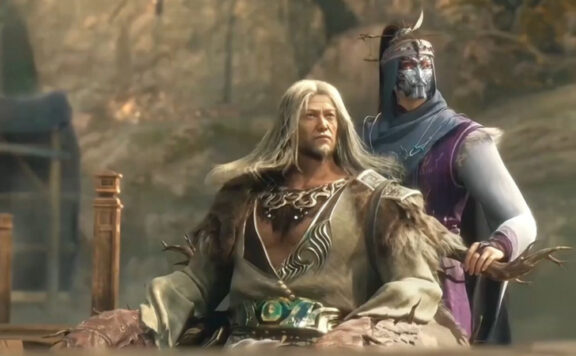
In the sprawling universe of Chinese fantasy fiction, power levels are often clearly defined, yet some battles defy logic. Within the pages of the novel Tale of Herding God (牧神记), readers encounter a perplexing scenario: two warriors at the exact same cultivation stage, the Shen Qiao (神桥) peak, yet one dismantles the other with effortless ease. Why can Su Muzhe, the village chief, toy with Old Tathagata as if he were a mere novice, despite them sharing the same realm? The answer unravels the very fabric of what it means to be strong in this world, revealing a profound truth about cultivation, philosophy, and the indomitable human will. The Buddha Who Built His Own Prison Old Tathagata is not merely a powerful monk; he is the ancestral master of the Great Thunderclap Temple, the pinnacle of the Buddhist faith in this realm. His life's work was the pursuit of perfection within a defined system. He mastered the supreme Scripture of Tathagata's Great Perfection, achieving the legendary Three Buddha Bodies representing Past, Present, and Future. This trinity allows him to theoretically manipulate power across different dimensions of time, a feat most cultivators spend eons dreaming of. In his prime, his cultivation… -
How Zhao Daniang Stole the Show in Pursuit of Jade
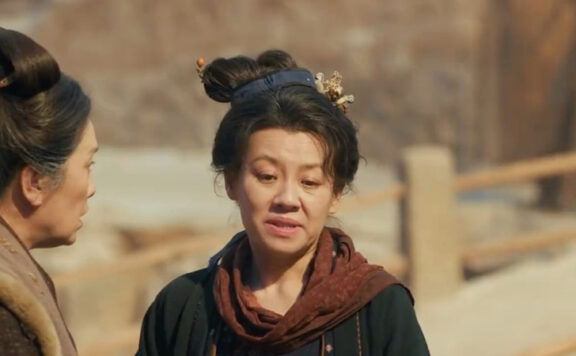
Who Predicted a Street Aunt Would Outshine the Leads in Pursuit of Jade (逐玉)? In the competitive landscape of Chinese ancient-costume dramas, where youth and beauty often reign supreme, Pursuit of Jade has delivered an unexpected twist. While the show’s marketing focused on its glamorous young stars, it is a middle-aged market vendor with limited screen time who has become the internet’s favorite topic. Zhao Daniang (赵大娘), portrayed by the accomplished actress Liu Lin (刘琳), has emerged as the drama’s true standout, sparking widespread discussion about the nature of performance and the changing desires of the audience. Her character, rooted in the grit and warmth of everyday life, offers a refreshing contrast to the polished but often hollow leads, proving that genuine connection can outweigh sheer star power. Upon its debut, the series posted impressive viewership numbers across major platforms, igniting debates about the authenticity of its ratings. Amidst the controversy over inflated statistics and narrative gaps, one element remained universally praised: Liu Lin's embodiment of Zhao Daniang. Her scenes, though brief, are dissected and celebrated online, with viewers skipping past the main plotlines just to watch her interactions. This phenomenon highlights a powerful shift—audiences are no longer satisfied with… -
The Two Dark Icons of Pursuit of Jade
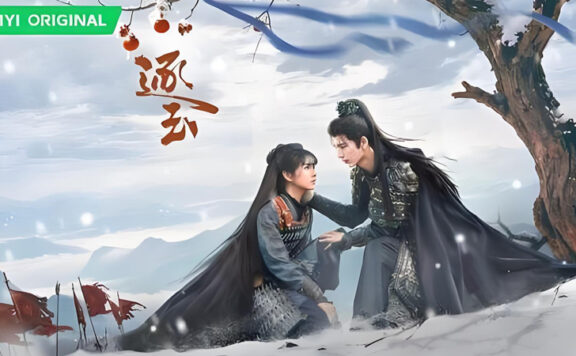
There’s a quiet rebellion happening inside costume dramas, and it’s being led not by the destined hero, but by the one who was never meant to win. This new favorite—the unhinged, magnetic foil—has found a strange power in his own unraveling. Audiences no longer wait for the main couple’s first kiss; they wait for Qi Min (齐旻) to crack that unsettling smile, or for Sui Yuanqing (随元青) to tip over the edge with chilling grace. In Pursuit of Jade (逐玉), these two characters have turned the stage upside down, pulling focus in a way that feels less like a breakout and more like a takeover. What makes this shift so compelling is how it bypasses traditional storytelling arcs. Viewers don’t want to redeem these figures; they want to watch them burn—slowly, beautifully, without apology. After his first major scene went viral, Qi Min’s micro-expressions became a study in obsessive fandom, while Sui Yuanqing’s controlled volatility drew comparisons to a blade wrapped in silk. In just days, the two collectively gained over a million new followers, a surge that reveals how deeply modern audiences crave complexity over likability. It’s no longer about who gets the girl. It’s about who leaves a… -
Xu Qing: The Killer Forged in Ruins
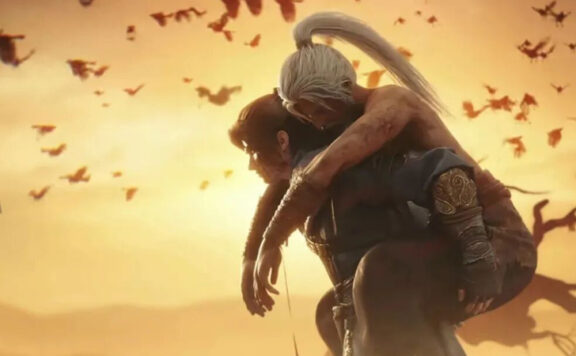
What if the end of the world was just the beginning of a different kind of path to immortality? The new Chinese animation Beyond Time's Gaze (光阴之外) dares to ask this question, dragging the classic Xianxia genre out of the pristine mountains and into a wasteland. Created by Er Gen (耳根), the mastermind behind the hit series Renegade Immortal (仙逆), this show has quickly become a topic of heated discussion. But it isn't just the post-apocalyptic setting that has viewers clicking "next episode." It is the show's protagonist, a fifteen-year-old boy named Xu Qing (许青), who is quietly redefining what it means to be a hero in Guochao (国潮) animation. Forget the righteous heroes or the arrogant young masters; Xu Qing is a predator raised in a radioactive hellscape, and his chillingly unique character is the real reason you need to stop sleeping on this series. A Killer Forged in Ruins The world of Beyond Time's Gaze is not one of peaceful cultivation. It is a wasteland where the Broken Face of a dead god hangs in the sky. When that divine eye opens, it creates "Eternal Forbidden Zones," wiping out all life it touches and leaving behind a landscape… -
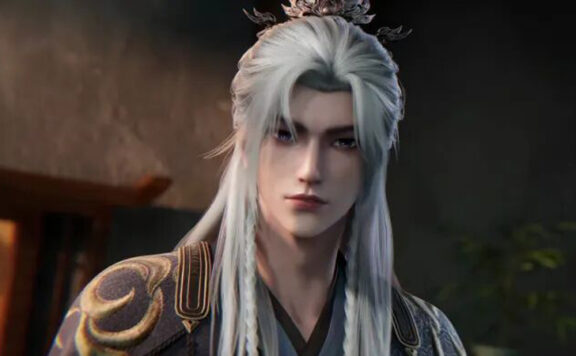
Xu Mu’s Thunder and Reunion in Renegade Immortal
In the episodes of the animated series Renegade Immortal (仙逆), the protagonist Wang Lin (王林) is undergoing a transformation that is impossible to ignore. After concluding his adventures in the Land of Demons, he arrives in the vast and dangerous Luotian (罗天) Star Domain. But he doesn’t arrive as Wang Lin. He arrives as Xu Mu (许木), a new alias that comes with a strikingly different look. With two thin braids added to his design, this version of the character feels softer, more scholarly, and surprisingly more like a native of this thunderous new world than the actual officials who govern it. The Stranger Who Looks Like He Belongs When Wang Lin first sets foot in the Luotian Star Domain, he is an outsider with no home and no allies. He stumbles upon a group of natives from the planet Ran Yun (冉云) who are fleeing for their lives from a swarm of Mist Insects. At first, he couldn't care less about their plight. But he decides to intervene, not out of kindness, but perhaps out of a need to understand his new environment. The moment he acts, he unleashes a power that leaves the survivors stunned: the Power of… -
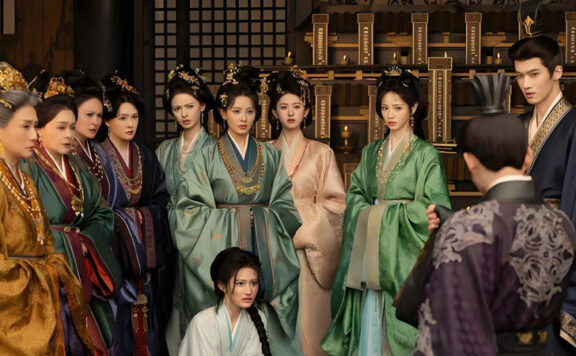
Transfer Gold Hairpin: A Marriage of Wits
What happens when a street-smart outcast is forced to marry a prejudiced nobleman? The new costume drama Transfer Gold Hairpin (嫁金钗) serves up a refreshing tale where female intelligence battles tradition, and love blooms only after a strategic game of wits. With Tian Xiwei (田曦薇) delivering a stunning dual role and an ensemble cast of formidable actresses, this series promises to break free from the clichés of the ancient house fight genre. The Duality of Survival: One Actress, Two Opposing Forces The drama’s core strength lies in its central performance. Tian Xiwei takes on the challenge of portraying two women bound by fate but separated by circumstance. On one side is A Chou, an orphan scraping by in the mud as a night-soil cleaner. She is no damsel in distress; her eyes hold a quiet ambition and a fierce will to survive. Her posture is deliberately submissive—shoulders hunched, gaze lowered—a tactic to hide her sharp mind in a world that dismisses the lower class. In stark contrast stands Jun Dai, the fake daughter who has usurped A Chou’s place in the marquis’ household. She is arrogance personified, her chin held high, her eyes flashing with cruelty as she schemes to… -
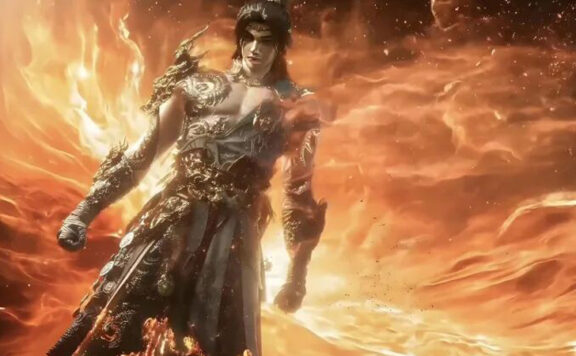
Threads of Fate: A War Untold – The Final Battle
The first season of the Chinese 3D animated series Threads of Fate: A War Untold (山海经密码) has officially concluded, delivering a finale that fans are calling the peak of the entire season. This episode brings an eighteen-year saga of revenge and emotional ties to a thrilling close. Rooted in ancient mythology and blended with the aesthetics of Guochao (国潮), the show has captivated its audience with intense action and nuanced emotions. The finale was a cathartic final battle, proving that an end is merely the starting point for a new adventure. It masterfully wove together themes of isolation, protection, and the unbreakable bonds between warriors, leaving viewers both satisfied and eager for what comes next. Solitary Struggle Against Fate The concluding episode threw protagonist Youxin Bupo (有莘不破) into his most desperate fight yet. Burdened by a bloody family vendetta, he embarked on a solitary path of revenge. An eighteen-year obsession and the weight of his family's tragedy drove him to confront his destined, powerful enemy head-on. However, the gap in their strength quickly put him at a disadvantage. Making matters worse, the backlash from the forbidden Gan Hu (干虎) technique wracked his body with excruciating pain, eroding his will and… -
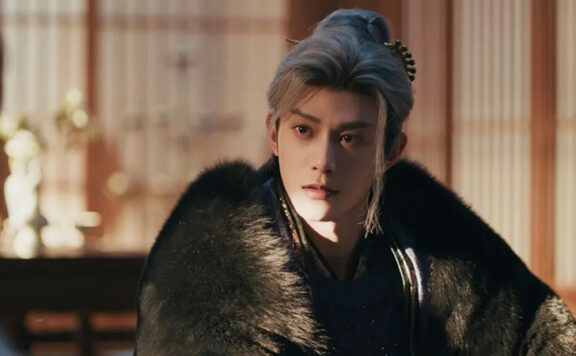
Pursuit of Jade: Locks for Survival
In the Chinese drama Pursuit of Jade (逐玉), a seemingly straightforward plot about a mother hiding her son from a dangerous man hides a much darker, more groundbreaking truth. Most viewers missed it, but Yu Qianqian’s (俞浅浅) decision to lock her child behind three doors and five locks wasn’t about preventing a father from kidnapping his son. It was about protecting the boy from a father who genuinely hates him. This isn't a story of a possessive parent; it's a psychological thriller about trauma, control, and the irreversible damage of a twisted upbringing. A Mother’s Fear: The Locked Basement Yu Qianqian, the owner of Yi Xiang Lou (溢香楼) restaurant in Lin’an (林安) Town, has built a successful life from scratch. Pregnant and alone when she arrived years ago, she is now the envy of the town. Everyone assumes she is lucky to have a husband who lets her run the business. But the truth is, she is a woman on the run, and the man she is hiding from has just arrived. Her immediate reaction is to strengthen her home’s defenses, adding an extra door and two more locks to the basement where her son, Yu Bao’er (俞宝儿), sleeps. At… -
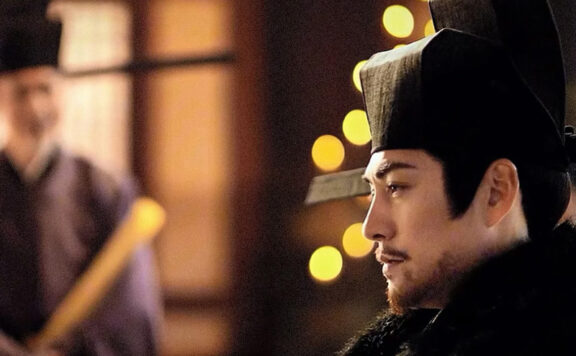
Yan Yikuan in Pursuit of Jade: A Minister You Can't Forget?
In the historical drama Pursuit of Jade (逐玉), actor Yan Yikuan (严屹宽) steps into the role of Wei Yan (魏严), a powerful minister during the Song Dynasty. His entrance is nothing short of mesmerizing, leaving viewers in awe of how he embodies the essence of a man who holds the court in his palm. From the moment he appears in a striking purple robe, it's clear that Yan isn't just acting—he's channeling the very spirit of a dynastic power player. The costume, the posture, and his commanding gaze all work together to create a character that feels both authentic and larger than life, setting a new standard for historical drama portrayals. The Purple Robe The purple robe Yan wears is more than just fabric; it's a statement. In the Tang and Song dynasties, only officials of the third rank and above could don purple, marking them as the emperor's closest advisors. Yan's character, Chancellor Wei, immediately signals his towering status through this color. The robe, with its round collar and flowing lines, isn't just historically accurate—it enhances Yan's commanding presence, making every scene he's in feel weighted with authority. This attention to detail helps ground the drama in a specific… -
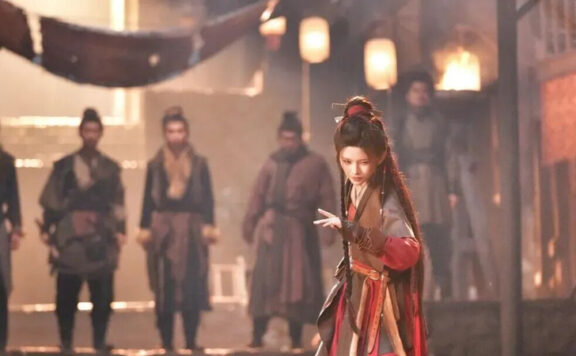
Shisan Niang: The Highlight of Pursuit of Jade
What makes a supporting character unforgettable? In the historical drama Pursuit of Jade (逐玉), viewers are captivated by leads Xie Zheng (谢征) and Fan Changyu (樊长玉), but it is a bandit leader with a heart of gold who truly steals the show. Her name is Shisan Niang (十三娘), and she proves that you don't need the most screen time to leave the biggest impact. The Woman Who Rules the Roost The first shock comes with her title. Shisan Niang, a young woman, is the undisputed leader of Qingfeng (清风) Village, a den of rough, tough male outlaws. Her older brother willingly serves as her second-in-command. This isn't a position given lightly. In a world of brute force and survival, commanding respect from hardened men requires more than just charm. It demands genuine skill, strategic thinking, and an undeniable strength of character. Shisan Niang possesses all of this in spades, instantly setting her apart as a force to be reckoned with. A Bandit with a Moral Compass Her actions defy every stereotype of a ruthless outlaw. When the scholarly Sui Yuanqing falls into a river, it is Shisan Niang who dives in to save him without a second thought. This is… -
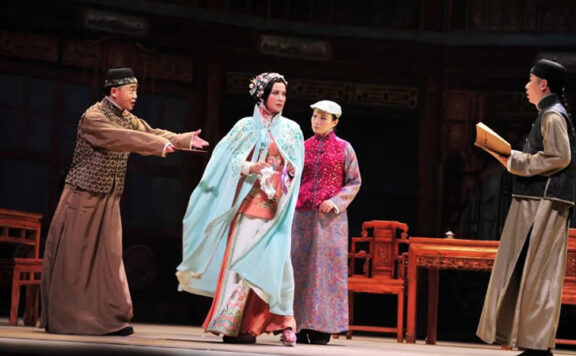
April 25 2026 The Legendary Beauty Play
On April 25th, 2026, the stage of the Huizhou Culture and Arts Centre will host a theatrical event years in the making. Veteran actress Liu Xiaoqing (刘晓庆) brings her iconic performance in The Legendary Beauty (风华绝代) to the city. Tickets go on sale March 8th at 11:00 AM. This is not merely a play; it is a collision of two extraordinary lives separated by a century, united by charisma, resilience, and an indomitable spirit. At its heart is Sai Jinhua (赛金花), a name that once stirred the imagination of an entire nation. She was a woman who navigated the treacherous waters of the late Qing Dynasty, from the status of a concubine to an influential figure in Beijing's high society, and even an unofficial diplomat during the Boxer Rebellion. Portraying such a complex, controversial, and captivating figure requires more than just acting talent; it demands a life lived with similar depth and fire. In Liu Xiaoqing, the production has found its perfect vessel. The following exploration delves into why this role is a career-defining masterpiece for Liu, the visual artistry that brings the era to life, and the sweeping narrative that has captivated audiences across China. The Soul of a… -
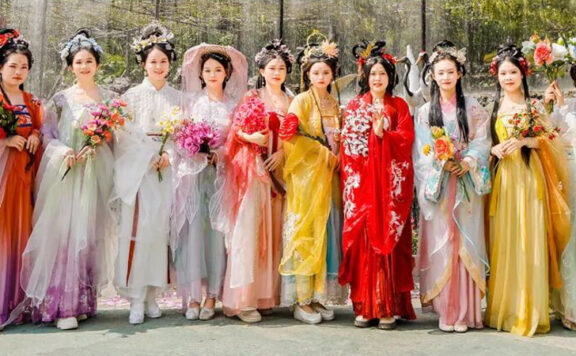
Mar 14 Huazhao Festival at Xian Ren Dong
What if you could step directly into a spring painting, where ancient fairies descend from misty mountains and rare flowers bloom in the shape of thousands of birds? This March, the Xian Ren Dong (仙人洞) scenic area is transforming into exactly that kind of dreamland. From March 14th, it will host the Hanfu Huazhao Festival (花朝节), just as the breathtaking Mucuna birdwoodiana, commonly known as the "sparrow flowers," hits its peak bloom. This isn't just another flower-viewing event; it is a full-sensory journey back in time, blending the wonders of nature with the ethereal beauty of traditional Chinese culture. Get ready to walk among "fairies," witness incredible performances, and immerse yourself in a landscape that feels plucked from a ancient scroll. The Flowers That Look Like Birds Before you even notice the performers, the real stars of the mountain will stop you in your tracks. Draping from the old vines like a purple-green waterfall, the Mucuna birdwoodiana is a botanical marvel. True to its name, each flower cluster resembles a flock of tiny sparrows huddled together on a branch. You can almost see them: a light green "head" gives way to a pale yellow "back," with purple petals fanning out… -
Top 10 Donghua to Watch in March 2026
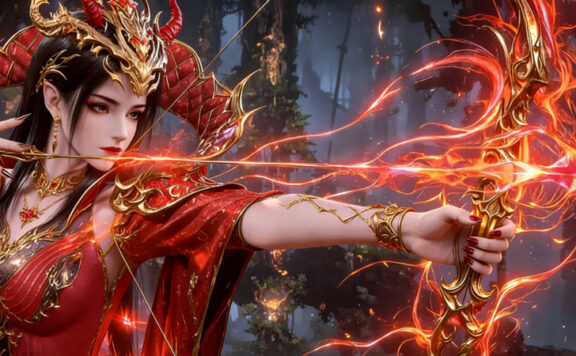
As March 2026 unfolds, the landscape of Chinese animation brims with renewed energy. Among the many titles captivating audiences, ten adaptations stand out, each steering its massive narrative arc toward long-awaited climaxes and character-defining moments. From the explosive confrontations in a fantastical world to the tender reunion of destined lovers and a solitary hero's relentless quest for power, these series offer a compelling glimpse into the dynamic storytelling of modern Donghua (动画). Battle Through the Heavens Nian Fan (斗破苍穹 年番) Platform/Update: Tencent Video, Sunday 10:00 The grand tapestry of Battle Through the Heavens weaves a new and perilous thread this March with the commencement of the "Pure Lotus Demon Flame" arc. The protagonist, Xiao Yan (萧炎), finds himself and his allies thrust into a reality-bending crisis as the "Nightmare Sky Fog" illusion descends into complete chaos. The threats are threefold and formidable: the nefarious Soul Palace, the mind-controlled Flame Servants, and the sentient Pure Lotus Demon Flame itself. This convergence sets the stage for large-scale battles among Dou Sheng (斗圣) class experts, promising the high-octane confrontations the series is known for. A pivotal element of this arc is the introduction of Xiao Chen (萧晨), a formidable ancestor of the Xiao… -
Pursuit of Jade The Dual Identity of Fan Changyu
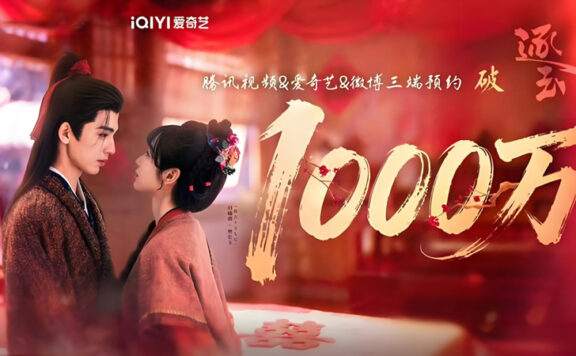
In the landscape of Chinese historical romance dramas, the character of Fan Changyu (樊长玉) from the series Pursuit of Jade (逐玉) has ignited fresh conversations. Portrayed by Tian Xiwei (田曦薇), she is a butcher's daughter whose skill in slaughtering pigs sets her apart from typical female leads. This unique portrayal has drawn mixed reactions. Some applaud her as a resilient "wild grass" heroine—rooted in everyday life and thriving against odds. Others, however, critique her moments of low self-worth, particularly when she appears insecure beside the male protagonist. Such debates underscore a pivotal question: what do contemporary audiences seek in the heroines of these dramas? Should these characters adhere to traditional ideals of grace, or should they embrace authenticity, flaws and all? Fan's role suggests a shift towards more grounded female figures, but it also reveals the challenge of balancing realism with dramatic appeal. As the genre evolves, the demand for compelling and credible heroines grows louder. 1. A Blade Forged in Courage In a landscape where martial arts tales often follow predictable paths, a different kind of hero emerges from the snow. She carries a butcher's knife, not a legendary sword, and her strength is measured in the quiet confidence… -
The Price of Ambition in Pursuit of Jade
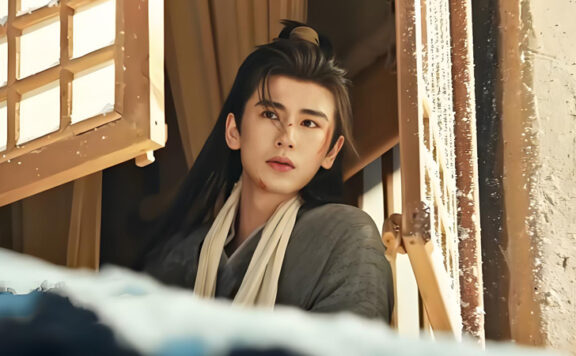
What happens when a man trades genuine loyalty for social climbing, only to watch his ambitious plans collapse into dust? The Chinese drama Pursuit of Jade (逐玉) offers a brutal answer through its unforgettable character Song Yan (宋砚), a figure so infuriatingly real that viewers cannot help but see fragments of human weakness in his journey. Set against the vibrant backdrop of the Shangyuan Festival (上元节), the story follows Fan Changyu (樊长玉), a woman forced to grow up too fast after tragedy strikes her family. When her former fiancé reappears, the encounter exposes not just personal betrayal, but a universal truth about human nature: those who abandon integrity for status often end up with neither. The festival lanterns floating on the river, traditionally symbols of hope and blessing, become ironic witnesses to a confrontation that reveals the ugliest corners of the human heart. Through Song Yan's rise and catastrophic fall, the narrative forces audiences to question what truly defines a person—their ambitions or their actions toward those who once helped them. The Betrayal That Burns Like Rejected Lanterns The confrontation at the riverbank cuts straight to the emotional core of Song Yan's betrayal. When Song Yan approaches Fan Changyu during… -
Pursuit of Jade: The Sickly Sister Who Won the Dynasty
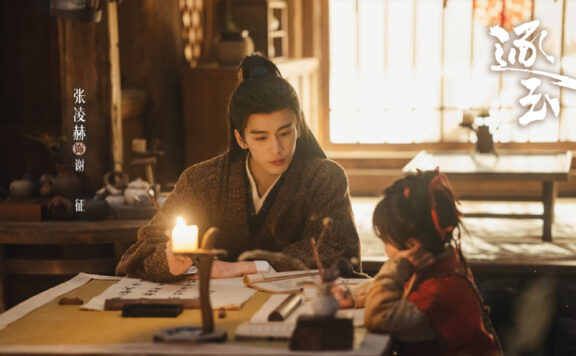
What if the woman holding the knife isn't just saving a man, but carving out her own destiny? The finale of the hit drama Pursuit of Jade (逐玉) has left audiences stunned, not just by the epic battles or the fall of traitors, but by its unexpected distribution of power. It tells the story of Fan Changyu (樊长玉), a simple butcher girl who rises to become a marquis, and her husband, Xie Zheng (谢征), who gives up the ultimate political prize. Yet, the most profound victory belongs to someone who couldn't even lift that famous cleaver. Here is a look at the three characters who defined this unforgettable ending. The Butcher Girl Who Became a Marquis Fan Changyu’s journey begins not in a palace, but in the mud and snow of a small village. Introduced as a pig-butchering girl, her life is a series of desperate struggles. With her parents recently deceased and a frail younger sister to care for, she faces the cruelty of her fiancé breaking off their engagement and the greed of her uncle trying to steal their land. It is during this bleak moment that she makes a choice that changes everything: she saves a wounded… -
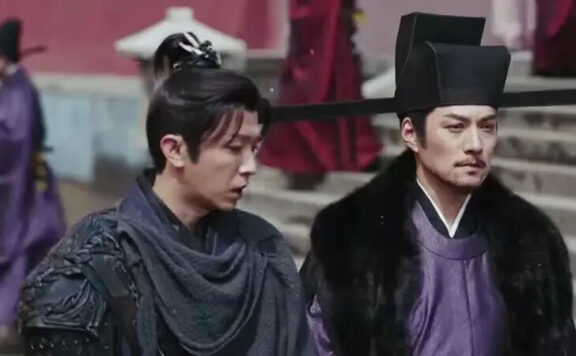
Pursuit of Jade: The Hidden Truth of Jinzhou’s Tragedy
In the intricate tapestry of revenge dramas, few secrets are buried as deep as the truth behind the Jinzhou (瑾州) Massacre. The popular series Pursuit of Jade (逐玉) masterfully unravels a mystery where the obvious villain is merely a scapegoat. For seventeen years, the protagonist Xie Zheng (谢征) has hunted the man he believed murdered his father, General Xie Linshan (谢临山). That man, Prime Minister Wei Yan (魏严), finally sits in a death cell, seemingly ready to take the secret to his grave. Yet, when Xie Zheng sends an intermediary to extract a final confession, the story shatters. Wei Yan admits his guilt but reveals a horrifying twist: he was not the architect of the tragedy. The true mastermind, the one who orchestrated the deaths of a crown prince and 100,000 soldiers without ever drawing a sword, was the one person no one dared to suspect—the exalted Emperor himself. The Fall Guy's Confession For nearly two decades, the narrative was clear. Crown Prince Chengde (承德) and General Xie Linshan were led to their deaths in Jinzhou because reinforcements never arrived. Wei Yan, then a general, had been en route to save them but turned back upon hearing his lover, Consort… -
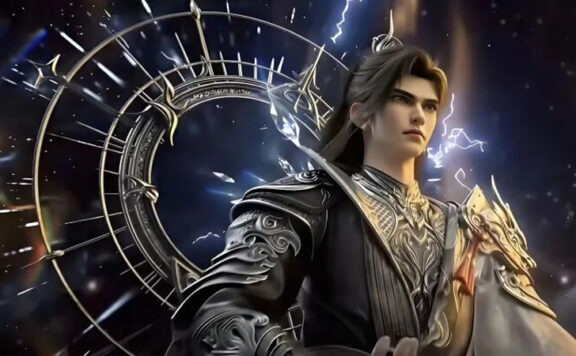
Perfect World: Defying Heaven to Uphold the Dao of Protection
The special edition of the hit Chinese animated series Perfect World (完美世界) has arrived, and it delivers far more than just stunning visuals. Titled "The Calamity of the Nine Heavens and Ten Earths," this episode serves as a crucial pivot point for the protagonist, Shi Hao (石昊). It is not merely a test of his growing power, but a profound narrative device that reveals his ultimate fate and forces him to confront the very core of his beliefs. This installment elevates the Donghua (动画) genre by blending high-stakes action with deep philosophical questions about the path of cultivation, moving beyond simple power-ups to explore what it truly means to be a guardian in a universe teetering on the edge of darkness. Why This Particular Heavenly Tribulation? In the world of Perfect World, a cultivator's worth is measured by the heavenly tribulations they endure. While most prodigies strive to overcome the famed trials, Shi Hao's "Calamity of the Nine Heavens and Ten Earths" exists outside the conventional rankings. It was created by the very laws of the universe as a final judgment for those who dare to defy its order. This immediately sets him apart, marking him as an anomaly whose… -
Perfect World Special: Nine Heavens Calamity on March 12
On March 12th, the moment fans of the Chinese animation phenomenon Perfect World (完美世界) have been waiting for finally arrives. The new special, "The Calamity of the Nine Heavens Ten Lands," is set to premiere, and it promises to be anything but ordinary. This is not just another step in the protagonist's journey; it is the story's crucible. It is the day the young Shi Hao (石昊), known to many as the "Brutal" Huang, must stand alone against a doomsday tribulation designed to erase him from existence. With the very fabric of reality crumbling around him, he will face the ultimate test, not for personal gain, but for the survival of an entire realm. This is the story of how a boy from a humble village begins to forge the legend that will echo through eternity. One Man Against a World's Wrath The "Calamity of the Nine Heavens Ten Lands" is not a punishment for the wicked, but a sentence for the talented. After crossing cultivation levels to defeat the arrogant Jin Zhifei (金志飞) and comprehending the ultimate techniques of the Thunder Emperor's Art (雷帝宝术), Shi Hao has violated the very laws of this world. The heavens respond not with… -

The Sweet Journey of Sugar in Ancient China
What if the key to understanding ancient China's soul lay not in grand philosophies, but in a single grain of sweetness? For centuries, sugar was more than a flavor; it was a rare treasure, a bridge between the divine and the mortal, and a secret weapon of emperors. Before grocery store shelves overflowed with candy, the pursuit of this simple taste drove innovation, shaped trade routes, and created a sweetness so profound it would eventually sweeten the entire world. The story of how the Chinese got their sugar is a tale of ingenuity, desire, and the relentless human pursuit of happiness. Bitter Earth to Sweet "Yi" Long before sparkling white crystals, the first taste of sweetness in ancient China came from an unexpected source: the grain fields. The Book of Songs (诗经) hints at this primitive pleasure with the line, "How rich and beautiful is the plain of Zhou; even the sowthistle and bitter herbs are as sweet as yi (饴)." This "yi" was the country's original sugar, a maltose syrup extracted from fermented grains like rice and barley as early as the Western Zhou dynasty. It was a liquid joy, a thick, comforting sweetness that stood in stark contrast…
