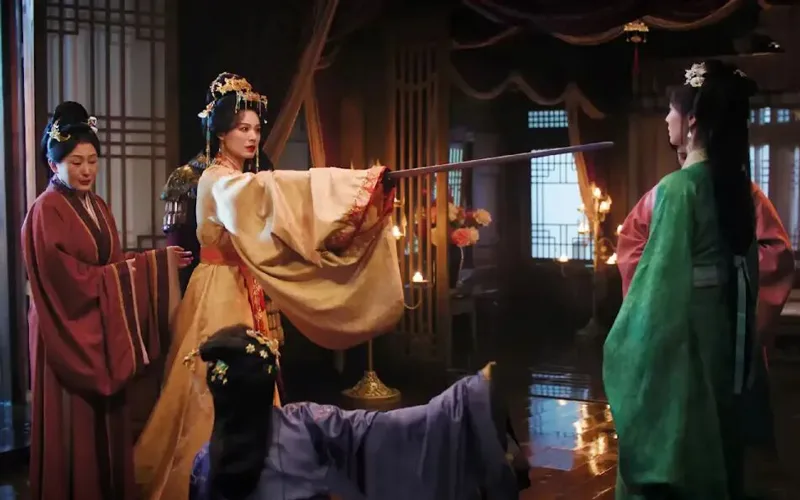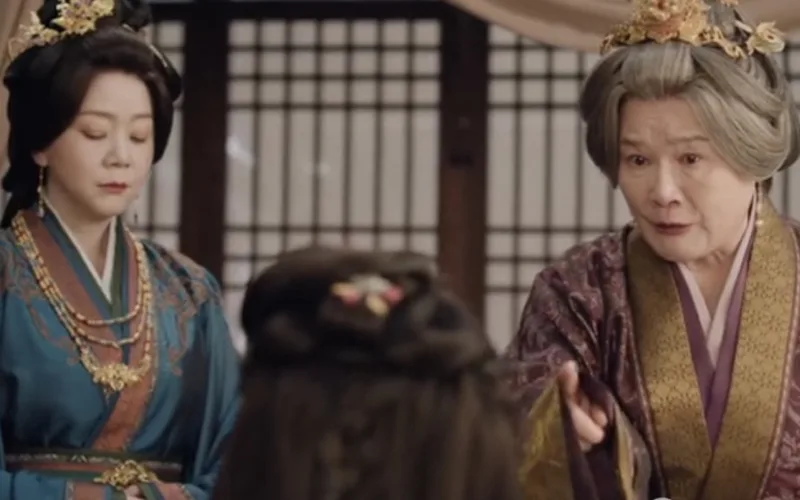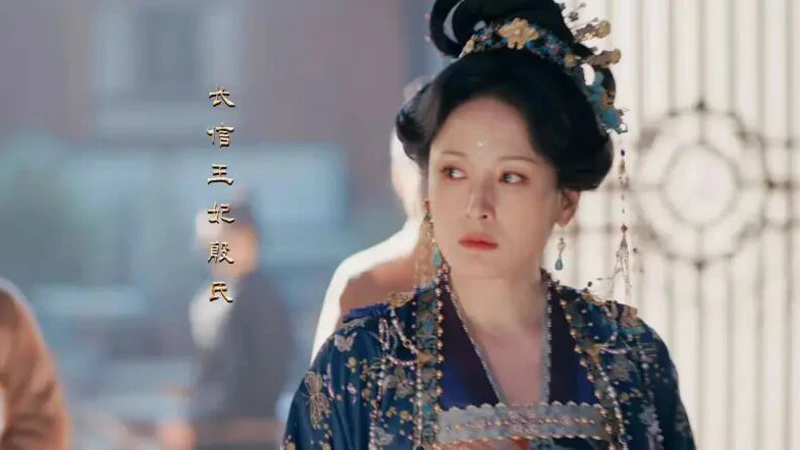
Zhao Liying’s (赵丽颖) career is a fascinating study of an actress who consciously built her legacy, one role at a time. She didn’t just become a star; she curated a portfolio of characters that resonated deeply with audiences, moving from sheer likability to profound respect. Her journey from being dismissed as unsuitable for leading roles due to her “round face” to becoming a benchmark for dramatic excellence in Chinese television is a narrative of talent, strategic choice, and raw, undeniable connection with the viewer. This exploration looks at six pivotal performances that defined her path, each one a distinct chapter in her evolution as one of China’s most compelling actresses.

The Story of Minglan (知否知否应是绿肥红瘦)
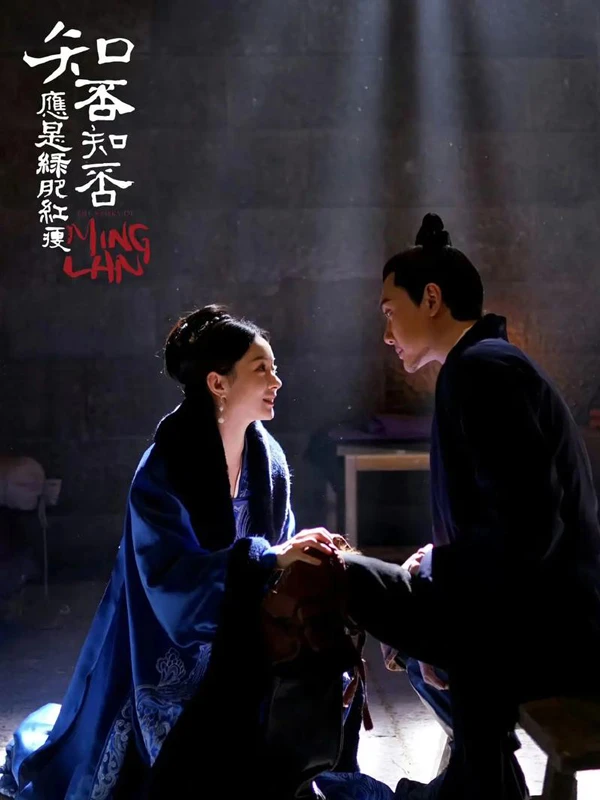
After the explosive emotions of Xianxia, Zhao sought a role grounded in reality, a character whose battles were fought not with magic, but with quiet wit and emotional intelligence. The Story of Minglan was that role. Set against the intricate social tapestry of the Song dynasty, this series is widely considered her magnum opus. As Sheng Minglan (盛明兰), a neglected daughter of an official, Zhao delivered a performance of extraordinary subtlety, built on glances, pauses, and the silent strength of a woman who learns to navigate a hostile world by appearing harmless.
Minglan’s journey is one of hidden capabilities. She “plays dumb” to survive, observing the power plays and familial hypocrisies around her with sharp, unspoken judgment. Zhao’s genius was in making this internal world visible to the audience. We saw the intelligence behind her downcast eyes, the pain behind her placid smile. It was a performance that required immense control, trusting the audience to read the character’s depth without melodramatic outbursts. This role marked her complete evolution from a star to a fully realized character actress, capable of carrying a story with stillness and silence.
The series itself, produced by her then-husband Feng Shaofeng (冯绍峰), who also starred opposite her as the charming and decisive Gu Tingye (顾廷烨), became a benchmark for realistic period dramas. It delved into the nuances of family life, marriage, and social responsibility with a warmth and wisdom rarely seen in the genre. Zhao’s Minglan was the heart of this world, a woman who uses her learned experiences to build a happy and secure life, not through revenge, but through understanding and strategic kindness. Winning the Golden Eagle Award for her portrayal was a fitting recognition of a performance that redefined what a female lead could be in Chinese television drama.

The Legend of Lu Zhen (陆贞传奇)
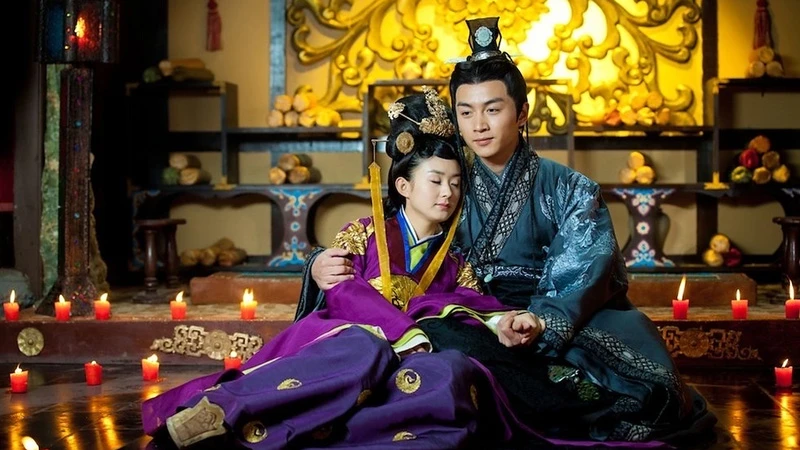
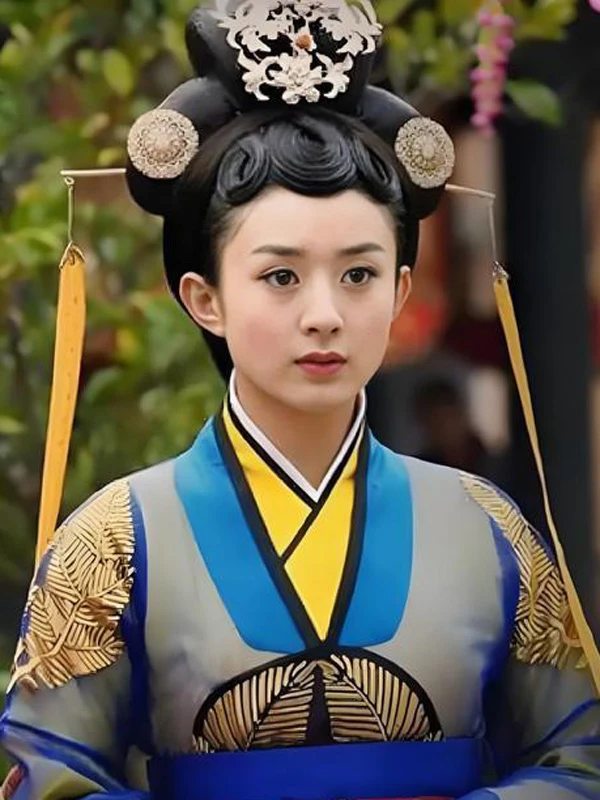
Before 2013, the television landscape often favored a certain sharp-featured aesthetic for its heroines. Zhao Liying, with her soft, round face, was often relegated to supporting, girl-next-door parts. It was The Legend of Lu Zhen that finally shattered that glass ceiling. Here, she wasn’t just a pretty face; she was the determined, resilient Lu Zhen. The character’s journey from a persecuted merchant’s daughter to a powerful female prime minister in the Northern Qi dynasty was a masterclass in portraying gradual, believable strength.
What made this performance so impactful was its authenticity. Zhao portrayed Lu Zhen’s ambition not as cold calculation, but as a survival instinct fueled by intelligence and a fierce work ethic. The audience grew with her, learning the intricacies of palace crafts and politics alongside the character. It was a story of empowerment that felt earned, not granted. This role proved that a lead actress could carry a complex historical drama on her shoulders, and it irrevocably changed the industry’s casting prejudices, making Zhao a household name.
Her chemistry with actor Chen Xiao (陈晓) as Gao Zhan (高湛) was palpable, creating one of television’s most beloved on-screen pairs. Their romance was a slow-burn, built on mutual respect and shared struggles amidst the palace’s treacherous power games. The series didn’t just focus on love; it balanced it with the harsh realities of a woman navigating a male-dominated world. Zhao’s ability to switch from vulnerability to quiet defiance in a single scene signaled the arrival of a formidable new talent, one who could handle both the sweetness of romance and the grit of political survival.

The Journey of Flower (花千骨)
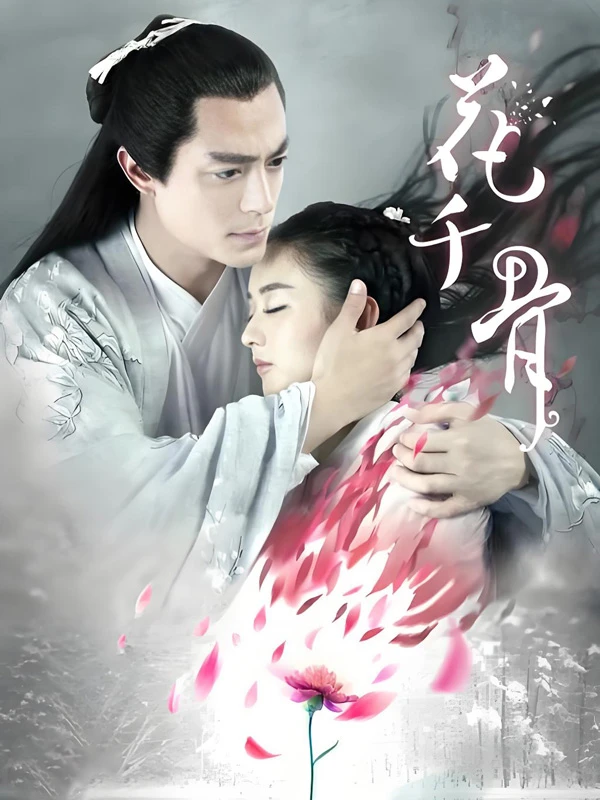
If The Legend of Lu Zhen introduced Zhao Liying to the world, The Journey of Flower catapulted her into the stratosphere of superstardom. This 2015 Xianxia (仙侠 – fantasy drama involving immortals and martial arts) phenomenon was more than just a hit; it was a cultural event. Zhao played the titular role, Hua Qiangu (花千骨), a role that demanded an immense dramatic range, from an innocent, devoted disciple to the heartbroken, powerful goddess of chaos. She delivered on every level, making the character’s descent into darkness both tragic and utterly compelling.
The power of her performance lay in its emotional transparency. Early episodes showed Hua Qiangu’s bright, uncomplicated love for her master, Bai Zihua (白子画). Zhao played this with a wide-eyed sincerity that made the later, darker turns all the more devastating. When her character finally harnesses the “primordial power”, it felt like a culmination of all the suppressed pain and love, a transformation viewers had emotionally invested in for dozens of episodes. This role cemented her status as the undisputed queen of ratings, a star whose name alone guaranteed a project’s success.
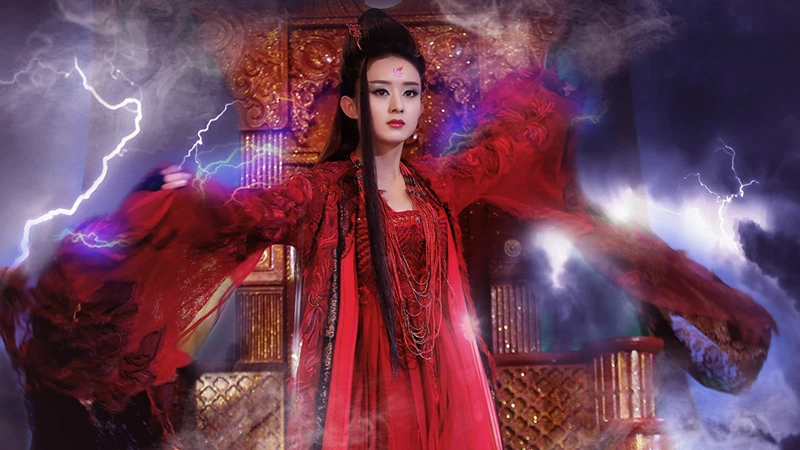
Working opposite Wallace Huo, whose portrayal of the stoic and conflicted Bai Zihua provided the perfect foil, Zhao created a dynamic that kept audiences spellbound. The show’s phenomenal ratings and record-breaking online streams were a testament to their combined power. More importantly, it earned her critical acclaim, including a Best Actress nomination at the prestigious Shanghai Television Festival. The Journey of Flower was the moment Zhao Liying transcended being just a popular actress; she became the definitive interpreter of the tragic heroine in modern Chinese fantasy drama.

The Mystic Nine (老九门)
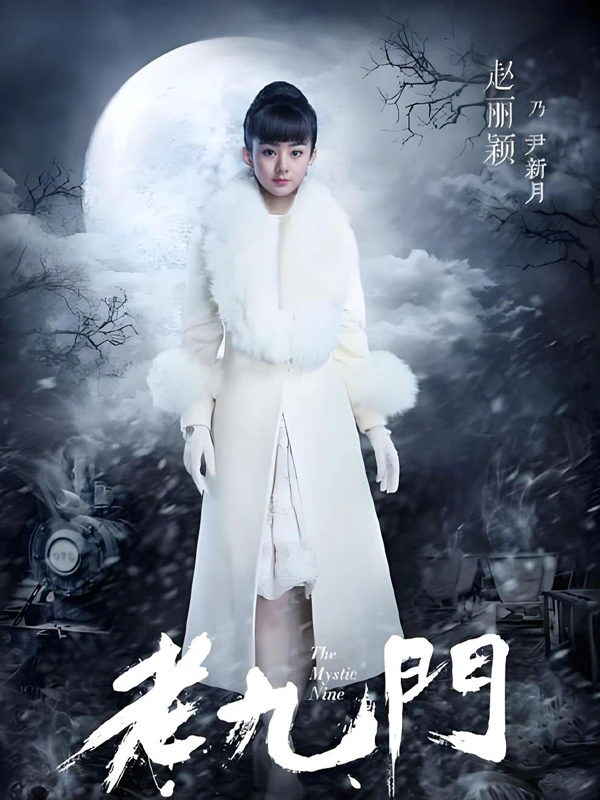
Between these two major productions lies 2016’s The Mystic Nine, a Republican-era mystery drama where Zhao Liying proved supporting characters can steal shows. Directed by Liang Shengquan (梁胜权) and He Shupei (何澍培) with supervision from novelist Nan Pai San Shu (南派三叔), this series followed antique dealers drawn into supernatural conspiracies. Zhao Liying appeared as Yin Xinyue (尹新月), a spirited young woman whose intelligence matched her charm.
The character arrived as breath of fresh air amid tense plotting. Yin Xinyue wore Western dresses with natural elegance, investigated cases while passing as male, and expressed frustration through comedic gestures rather than passive suffering. This creation defied period drama conventions where women often existed as prizes or victims. Instead, she drove action through curiosity and capability, earning respect from protagonists and viewers alike.
Dragon Television’s weekly broadcast peaked at 1.714 percent ratings with 5.575 percent share, dominating its time slot. Online views surpassed 10 billion, while Weibo’s main topic accumulated 5.32 billion reads. Spin-off topics generated over 15 billion additional engagements, demonstrating how secondary characters can generate primary interest when written and performed with care.
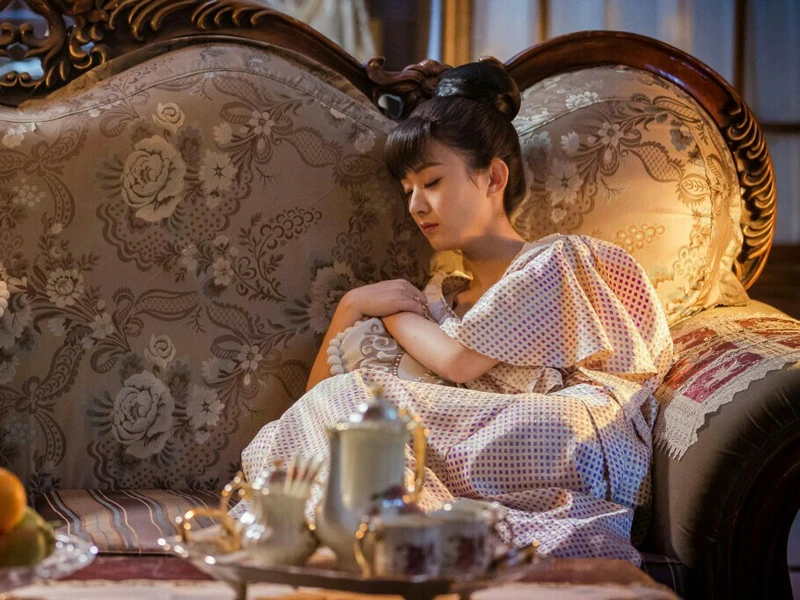
William Chan played the enigmatic Zhang Qishan (张启山), called “Old Buddha” by associates. His military uniforms and efficient fighting style created screen presence that balanced Zhao Liying’s liveliness. Their dynamic avoided typical power imbalances through mutual admiration—he valued her insights, she respected his burdens. The protective declaration “my people, nobody touches” became iconic precisely because it acknowledged agency rather than ownership.
Adapted from Nan Pai San Shu’s novel, the series blended tomb-raiding mystery with Republican-era politics and brotherhood codes. These genres traditionally marginalize female perspectives, making Yin Xinyue’s prominence significant. Her participation in investigations felt natural because curiosity motivated her, not merely following male leads. Such integration suggests possibilities for expanding women’s roles within established storytelling frameworks.
Zhao Liying’s performance challenged previous perceptions of her range. Known for sweet roles, she here displayed comedic timing alongside dramatic weight, petulance alongside courage. A scene where she stomps her foot after frustration with Zhang Qishan communicated more personality than pages of dialogue could. These choices demonstrated how actors can reshape audience expectations through nuanced interpretation rather than complete reinvention.

The Legend of Shen Li (与凤行)
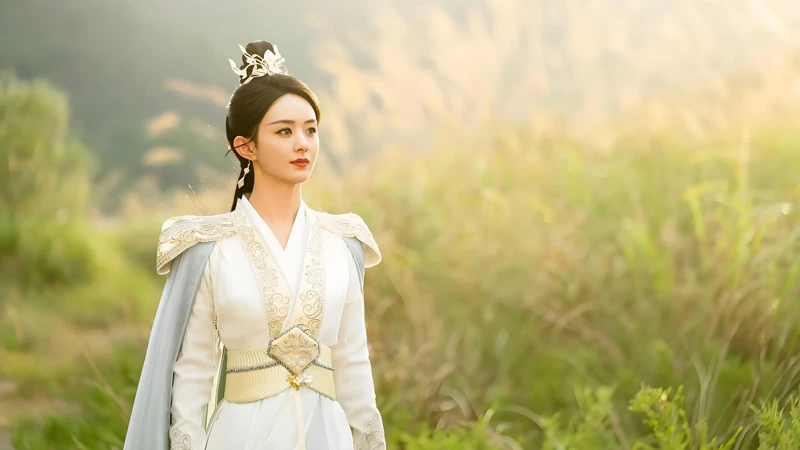
Fast forward to 2024, and Zhao Liying returned to period fantasy with The Legend of Shen Li, this time adding producer to her credits. Adapted from Jiu Lu Fei Xiang’s (九鹭非香) novel, the series reunited her with Lin Gengxin (林更新) in a tale of divine beings navigating love and duty. Director Deng Ke (邓科) crafted a world where martial arts sequences carried genuine weight, making every confrontation matter to character development.
Zhao Liying portrayed King Bicang (碧苍王) Shen Li (沈璃), a military leader among immortals who prioritizes responsibility over romance. This reversal of typical gender dynamics allowed the story to explore partnership between equals. Her counterpart, played by Lin Gengxin, began as a detached deity whose centuries of solitude melted through gradual connection with someone who saw past his divine status. Their chemistry benefited from previous collaboration, creating comfortable familiarity that enhanced emotional scenes.
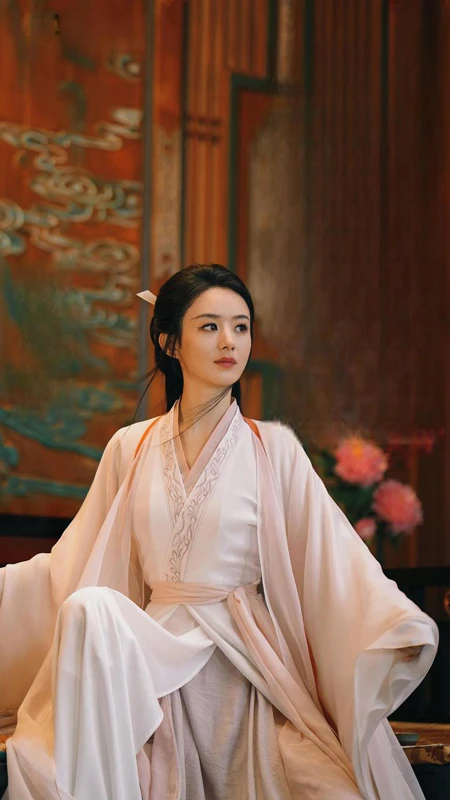
The production achieved remarkable viewership within hours. Tencent Video’s internal popularity exceeded 30,000 after just 25 hours, setting platform records for fastest entry into its hit club. Hunan Television’s premiere scored 0.75 percent ratings, the highest for provincial satellite channels in 27 months. Total views reached 3.46 billion, with per-episode averages ranking first among period dramas over two years. These achievements reflected both star power and narrative quality.
Combat sequences deserve particular mention. Unlike many fantasy productions relying on special effects alone, this series emphasized physical performance. Zhao Liying trained extensively to execute moves with precision, making her character’s martial reputation believable. The fights advanced plot rather than interrupting it, with each confrontation revealing something about motivations and relationships. Such integration of action and story remains rare in the genre.
Beyond spectacle, the drama examined what immortality costs. Characters who had lived millennia carried invisible wounds from loves lost and choices made. Shen Li’s mortal perspective challenged these divine beings to reconsider assumptions about time, connection, and meaning. These philosophical undertones elevated entertainment into reflection without sacrificing accessibility.

Princess Agents (楚乔传)
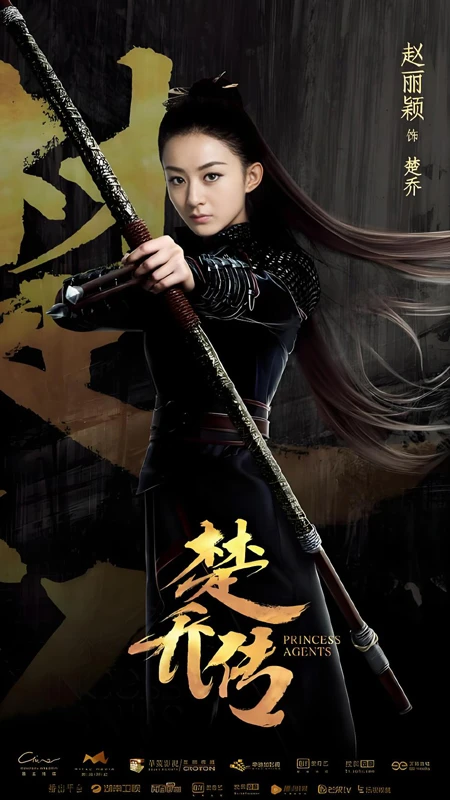
In 2017, Princess Agents arrived on screens and immediately captured attention. Directed by Wu Jinyuan (吴锦源), this drama followed a young slave woman who rises through brutal circumstances to become a military leader. Zhao Liying portrayed the title character with such raw intensity that audiences felt every hardship and triumph alongside her. The production, available on platforms like iQiyi and Tencent Video, broke new ground by centering on female resilience rather than romantic dependency.
The story drew from Xiao Xiang Dong Er’s (潇湘冬儿) novel The Agent Princess (11处特工皇妃). Zhao Liying’s performance showed a woman learning to fight not just for survival, but for the dignity of those around her. Her character’s evolution from silent endurance to vocal leadership resonated during a time when viewers craved stronger female narratives. Lin Gengxin played the seemingly cold Yu Wenyue (宇文玥), whose hidden warmth created a partnership based on mutual respect rather than rescue fantasies.
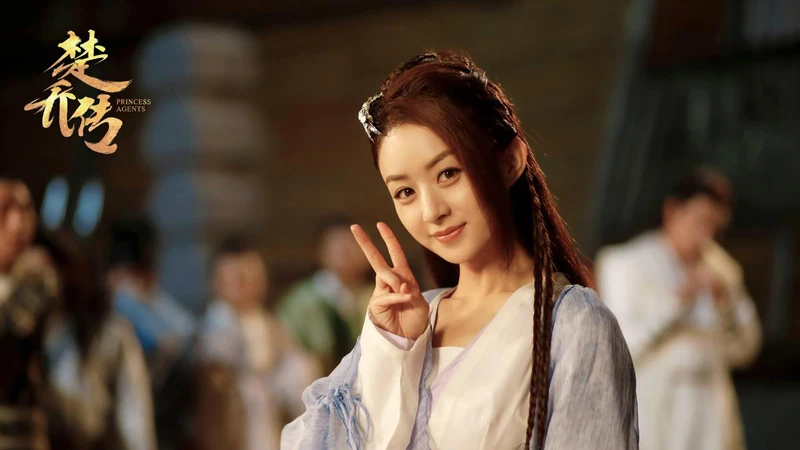
Statistical success followed artistic achievement. Hunan Television averaged a 1.97 percent rating, ranking second in weekly drama history at that point. Online views exceeded 40 billion, with each episode averaging over 249 million plays. International recognition came through selection for the 2017 Cannes Television Festival’s “Global 24 Hottest Dramas,” with distribution reaching more than 200 countries. These numbers reflected genuine audience connection rather than manufactured hype.
What made this series different was its refusal to soften reality. The protagonist endured genuine losses and carried their weight throughout her journey. Zhao Liying communicated this through subtle expressions—a clenched jaw during humiliation, eyes that hardened after betrayal, shoulders that squared before battle. Such details transformed genre conventions into something resembling lived experience.

Final Words
Zhao Liying’s journey from a dismissed “round-faced” actress to a defining force in Chinese television is a testament to the power of intentional artistry. Through these six performances—from the resilient Lu Zhen and the tragically iconic Hua Qiangu to the quietly masterful Sheng Minglan and the fiercely independent Shen Li—she has not only shattered industry prejudices but also redefined the landscape of female-led dramas.
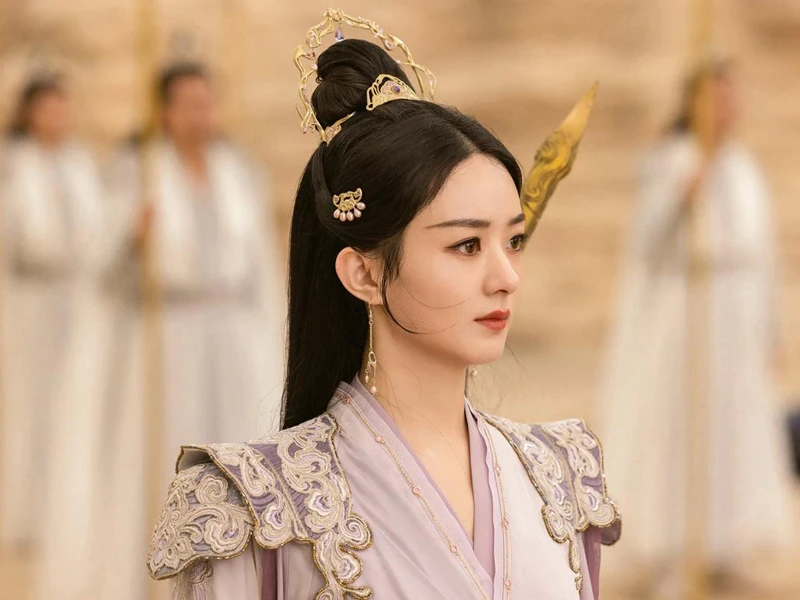
Each role is a deliberate brushstroke on a larger canvas, painting a portrait of an actress who refuses to be typecast or confined. She has moved the cultural conversation from whether she could be a star to what profound depth she will explore next. Ultimately, Zhao Liying’s legacy is not just the record-breaking viewership or the prestigious awards, but the gallery of complex, resonant women she has gifted to the world—characters who will continue to inspire long after the final credits roll.