For over two thousand years, the Chinese fan has been far more than a simple tool to battle the summer heat. It has been a symbol of status, a canvas for artists, a subtle language of romance, and even a weapon of self-defense. From the circular Tuan Shan, or "moon fan," to the collapsible Zhe Shan, these handheld objects tell the story of China's aesthetic soul. As temperatures rise, let us explore the breeze-filled history of these exquisite creations.
1. Tuan Shan (团扇)
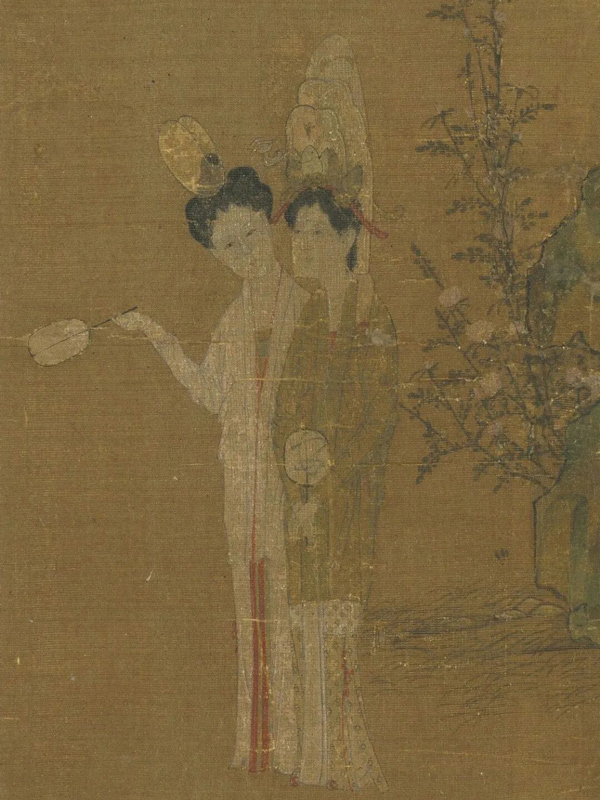
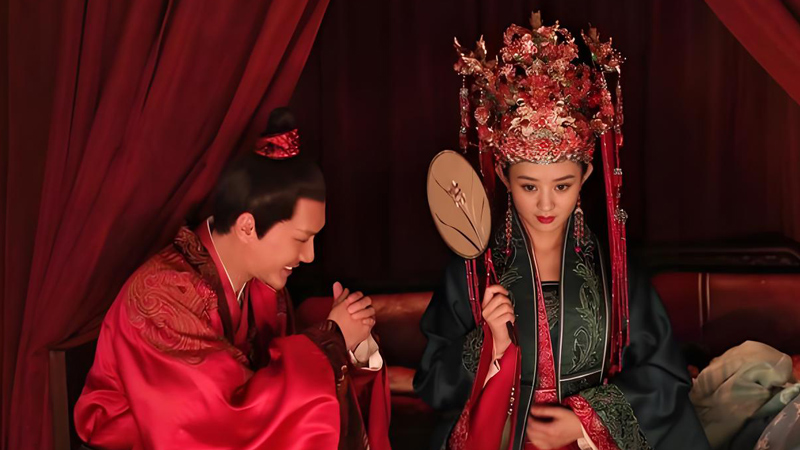
Imagine holding a full moon in your hand. That is the poetic image evoked by the Tuan Shan, a circular fan made of fine silk. Its origins date back to the Han Dynasty, where it was also known as a "fan of joined happiness." The shape was not merely decorative; its round form symbolized unity and good fortune, making it a staple in weddings and a beloved accessory for women for over a millennium.
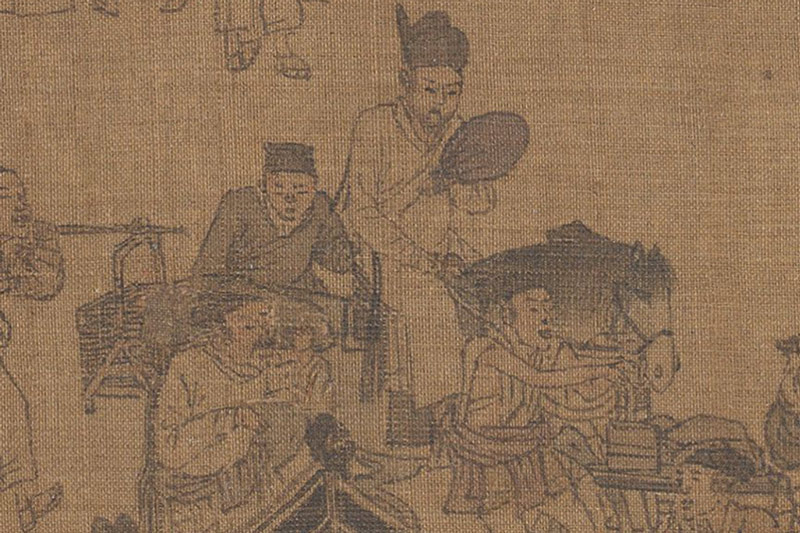
The fan's face, often made of white silk, was the perfect canvas for embroidery and later, for painting. During the Tang and Song dynasties, it became an essential fashion item, as seen in famous paintings like Qingming Shanghe Tu (清明上河图), where it adds a layer of grace and mystery to the figures.
2. Zhe Shan (折扇)
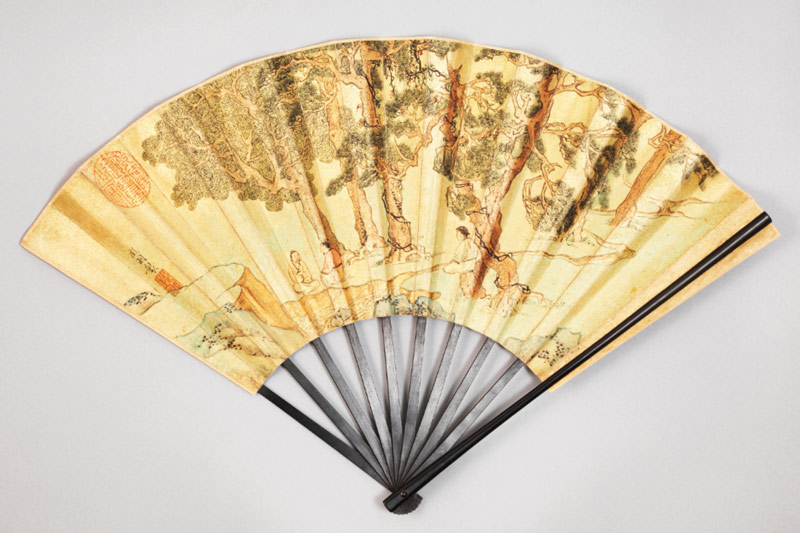
While the Tuan Shan evokes feminine grace, the Zhe Shan, or folding fan, is the emblem of the Chinese scholar-gentleman. Introduced from Japan and Korea during the Ming Dynasty, its collapsible nature made it incredibly convenient, earning it the elegant nickname, the "sleeve scholar" . It was more than just a tool for cooling down; it was a portable statement of one's cultural refinement. Artists and literati like the Ming master Wen Zhengming transformed the fan's surface into a intimate space for landscapes, poetry, and calligraphy. The very action of opening and closing the fan resonated with the scholarly ideal of being able to engage with or retreat from the world with equal ease, a physical metaphor for adaptability and grace.
3. Tan Xiang Shan (檀香扇)
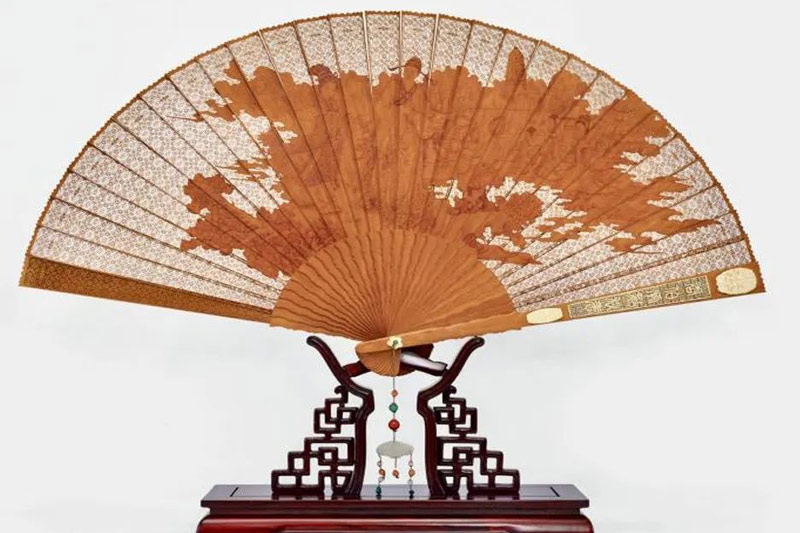
As fan-making techniques evolved, so did the materials and purposes. The Tan Xiang Shan, or sandalwood fan, emerged as a luxurious variant of the folding fan. Predominantly crafted in Suzhou, its primary allure is its fragrance . Made from fragrant sandalwood, a simple wave of this fan releases a subtle, pleasant scent that also repels insects, embodying the saying, "as long as the fan exists, the fragrance remains" . In stark contrast, the seemingly peaceful fan also had a deadly side. The so-called "war fan" or Tie Shan, often made with metal ribs and sharpened edges, was a discreet weapon used in martial arts, proving that the fan's role in Chinese culture was anything but one-dimensional.
4. Yao Shan (腰扇)
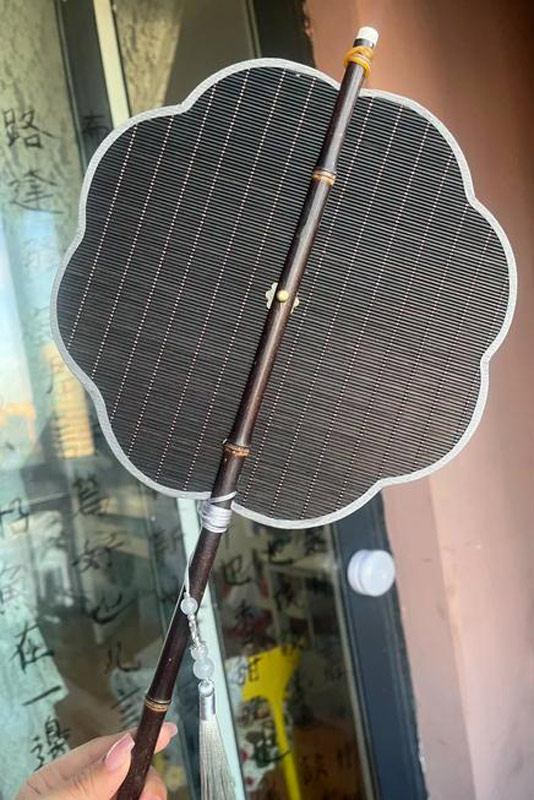
Among the many ingenious designs was the Yao Shan, or waist fan. This was a clever adaptation of the Tuan Shan for the woman on the move. Unlike its rigid round cousin, the Yao Shan removed the outer frame, leaving only a single handle. The silk fan surface could be rolled up and tucked into a belt or waistband, hence its name . When needed, it was simply unfurled to provide a refreshing breeze or shield from the sun. This simple yet brilliant design of horizontal and vertical interplay made it the most portable and practical accessory, proving that Chinese aesthetics always found a way to marry beauty with everyday functionality.
5. Yu Shan (羽扇)
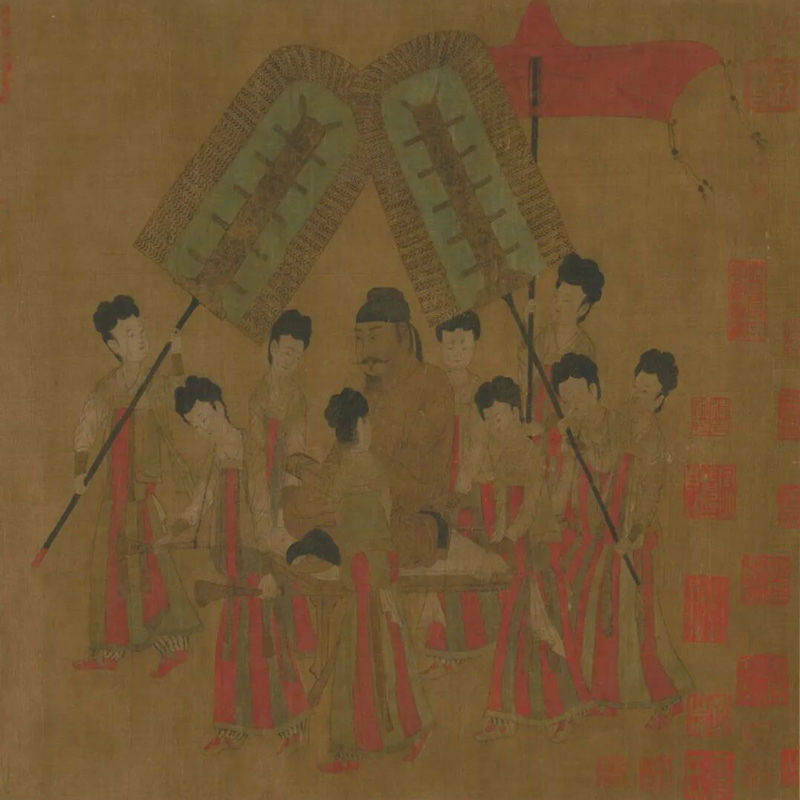
Perhaps the most ancient and symbolically powerful of them all is the Yu Shan, or feather fan. With a history spanning over two thousand years, it was made from the feathers of cranes, eagles, and peacocks. While used for cooling, its primary role was often ceremonial. The long-handled screen fan was a fixture in imperial processions, shielding the emperor from dust and prying eyes while signifying his supreme authority. From imperial courts to romantic tales, the fan has been a constant companion, a testament to the Chinese genius for elevating the everyday object into an art form. So this summer, perhaps it is time to put down the remote control, pick up a fan, and rediscover the simple, elegant art of staying cool.