Article
搜索结果:
-
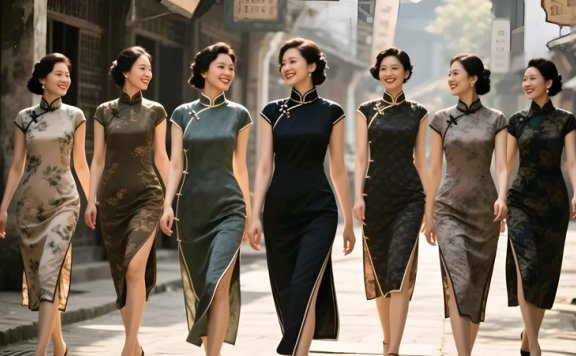
How Does the Qipao Embody the Beauty of Weak Virtue?
As a symbol of Chinese heritage, the Qipao has captivated hearts with its elegant lines and cultural depth. This traditional garment, evolving from Manchu roots to a modern icon, represents more than fashion—it captures the essence of resilience and grace. Drawing from Ye Jiaying's (叶嘉莹) concept of "Weak Virtue Beauty," the Qipao whispers tales of inner strength through its design. Today, it thrives in celebrations and daily life, resonating with women who seek timeless elegance. Weak Virtue Beauty Weak Virtue Beauty, introduced by scholar Ye Jiaying, defines elegance as restrained power—soft on the surface, unyielding within. The Qipao mirrors this perfectly. Its high collar and tight knots symbolize self-discipline, wrapping the neck with quiet dignity. This subtle constraint echoes ancient virtues, where modesty speaks louder than extravagance. In the Qipao's fit, a balance emerges. The tailored silhouette hints at curves without revealing too much, embodying the "weak" aspect through gentle concealment. The slit, resting near the calf, offers a glimpse of movement only when walking—a dance of discretion. This design reflects Confucian ideals, where harmony lies in measured expression. Beyond appearance, the "virtue" shines in craftsmanship. Techniques like heat-pressing mold the fabric to the body, akin to personal fortitude in… -
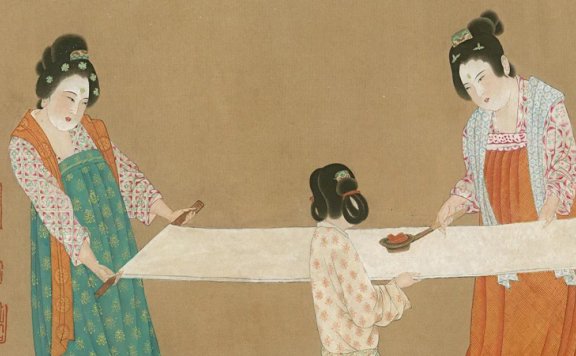
Heritage Weaves: Old Patterns in New Outline
As Zhang Xue (张雪) guides the shuttle across her Song Jin (宋锦) loom, peony vines blossom beneath her fingers. This young inheritor doesn't realize her wrist patterns mirror Tang dynasty court ladies in Daolian Tu (捣练图). Such moments reveal Hanfu isn't resurrected history but living heritage. Traditional techniques weave through contemporary designs, creating conversations between dynasties in every thread. This fusion transforms museum artifacts into vibrant cultural expressions, where ancient motifs speak through modern silhouettes. Threads of Royalty Song Jin demands royal patience. Each centimeter consumes hours as artisans layer colored threads like watercolor washes. This "living hue" technique creates ethereal gradients unseen in ordinary brocade. Imperial workshops once reserved such luxury for dragon robes and ceremonial scrolls. Today's Hanfu designers adapt these methods for cloud collars and wide sleeves, transforming wearers into walking art pieces. The shimmering surfaces capture light differently with every movement. Su embroidery elevates simplicity into grandeur. On a deep-blue jacket sleeve, gold thread swirls into tidal patterns while freshwater pearls anchor each wave crest. Where historical pieces used gilt strips, modern artisans employ synthetic alternatives for daily wear. The effect remains equally hypnotic - miniature oceans rippling across linen landscapes. Tang dynasty glamour returns through… -
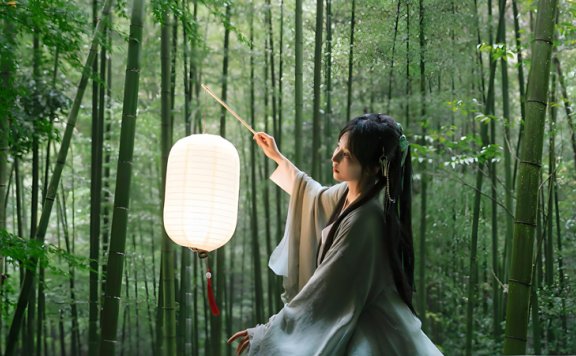
Fabric Meets Verses: Hanfu’s Poetic Soul
Imagine fabric whispering ancient verses. Picture sleeves swirling with the rhythm of classical poetry. This is the captivating reality where Hanfu, China's traditional attire, meets the timeless beauty of its poetic heritage. More than just clothing or words, they are living threads in the tapestry of Chinese civilization. When the flowing lines of Hanfu encounter the profound depths of poetry, a silent dialogue spanning centuries unfolds. It's a romance woven not with words alone, but with silk, linen, and the very essence of cultural memory. This encounter invites us to step beyond the page and the mannequin, to experience tradition as a vibrant, embodied art. Fabric as Poetry The very structure of Hanfu holds poetic resonance. Consider the elegant spirals of the Quju (曲裾) robe. Its graceful folds seem to cascade down the wearer's form, mirroring the dynamic energy of Li Bai's (李白) verses describing a waterfall's majestic plunge, Flying Down Three Thousand Feet. It's movement captured in cloth. Contrast this with the airy lightness of the Qixiong Ruqun, an upper garment paired with a high-waisted skirt. Its gentle drape evokes the subtle, nurturing touch described in Du Fu's (杜甫) lines about a spring rain arriving unnoticed, Entering Silently with… -
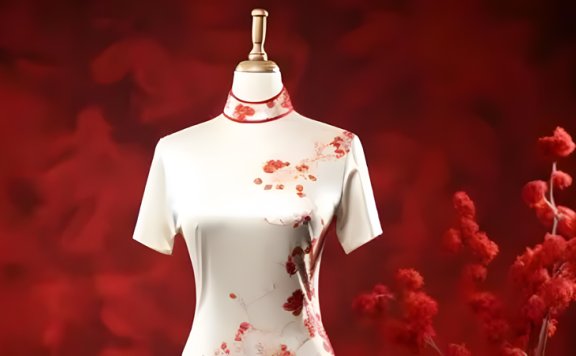
What Are the 3 Manners for China's Qipao?
The Qipao, instantly recognizable by its high collar, delicate Pankou (knotted buttons), and figure-skimming silhouette, transcends mere clothing. It's a canvas where Chinese heritage meets feminine grace. More than just fabric, it demands a certain presence – a synergy of posture and movement that elevates its inherent elegance. Wearing a Qipao beautifully isn't solely about physique; it’s an art form rooted in understanding its evolution and mastering the subtle language of deportment. From its practical origins to its status as a global fashion statement, the Qipao whispers stories of resilience and refinement. To truly honor this garment and project its intended allure, embracing specific etiquette is paramount. Let's decode the posture secrets that unlock the Qipao's full, captivating potential. 1. Standing Foundation is everything. A Qipao magnifies the line of the body, making impeccable posture non-negotiable. Imagine a gentle string pulling you upwards from the crown of your head. Shoulders should be effortlessly open and back, not stiffly squared, allowing the collar to frame the neck elegantly. Engage the core subtly, lifting the ribcage and tucking the pelvis slightly to avoid arching the back. This creates the signature elongated, "growing upwards" stance. Legs remain together, knees soft but aligned. Avoid… -
Song Dynasty Hanfu's Gentle Spirit in Today's World
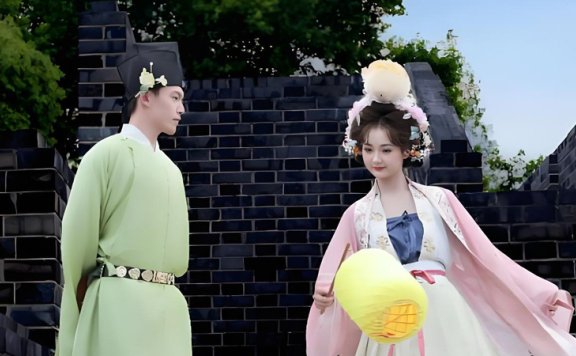
When we speak of traditional Chinese attire, the grandeur of the Tang Dynasty often steals the spotlight, but the subtle grace of Song Dynasty Hanfu reveals a deeper, more refined essence of Chinese culture. Shedding the bold extravagance of its predecessor, Song Dynasty Hanfu embraces minimalist lines and muted hues, embodying an aesthetic of "unadorned beauty" that feels both ancient and strikingly modern. This exquisite style captures a quiet dignity, reflecting the inner cultivation prized in Song-era philosophy, and today, it invites us into a world where history meets contemporary life. Minimalist Philosophy The Song Dynasty marked a pinnacle in Chinese arts and thought, with Neo-Confucianism emphasizing inner harmony over outward display. This ethos shaped Song Dynasty Hanfu into designs centered on restraint and practicality. Instead of elaborate adornments, it relies on clean silhouettes and natural fabrics like cotton, linen, and silk. Colors favor soft greens, pale yellows, and gentle pinks, creating a visual poetry that whispers elegance without shouting. Every garment flows with purpose, tailored to flatter the body without excess. Men wore simple robes like the round-collared Yuanlingpao (圆领袍), while women chose pieces that balanced modesty with grace. The art of "leaving space" in these designs invites contemplation,… -
How The Legend of Hei 2 Normalizes Hanfu as Living Culture
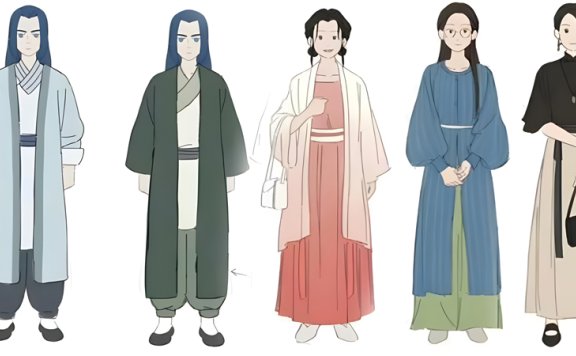
Move over, stylized robes and fantastical costumes. The animated film The Legend of Hei 2 (罗小黑战记2) is making waves for an unexpected reason: its background characters. Forget generic filler; these background figures are dressed in meticulously designed Hanfu elements, sparking online applause for the creators' dedication to authenticity. This isn't just costume design; it's a subtle, powerful statement about integrating traditional Chinese clothing into the fabric of modern life. By focusing on ordinary people wearing Hanfu in everyday contexts, the film offers a refreshingly practical vision of cultural heritage existing naturally alongside contemporary fashion, prompting viewers to reconsider what "traditional" attire means in the 21st century. Designing the Everyday The film's creators recently released design sketches showcasing three distinct outfits worn by background characters. One ensemble pairs a Beizi (a traditional long outer garment) with a tube top-like undergarment and a Baidie skirt (pleated skirt). Another features a round-collar long shirt with practical, tapered sleeves worn over full-length trousers. The third combines a half-sleeved, upright-collar short jacket with a Mamian skirt (horse-face skirt). While seemingly simple, these outfits are carefully crafted. The first and third sets lean towards traditional cuts, while the second incorporates a more modern silhouette with its… -
How China's Actresses Are Rewriting History Through Fabric
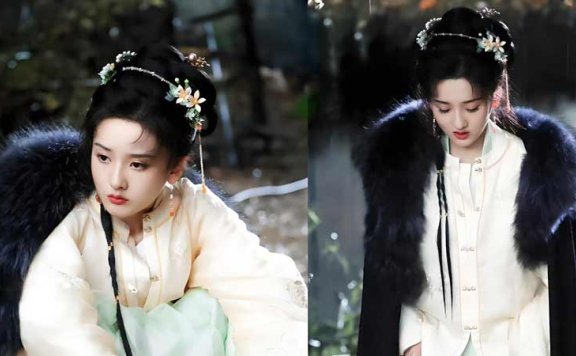
The camera pans across a tea garden, lingering on Gulnazar as her fingers dance over the Guqin (古琴). It’s not just the melody of Glory (玉茗茶骨) that captivates; it’s the silent narrative woven into her Ming Dynasty attire – a robe embroidered with gold thread against deep, resonant hues. This moment, captured in a single leaked still, ignited more than fan chatter; it sparked a nationwide fascination with Ming aesthetics. Actresses like Yang Zi, and Gulnazar aren't merely wearing costumes; they're embodying an era, proving that historical accuracy can be breathtakingly modern. Beyond the Brocade Gone are the days of generic "ancient" costumes dominated by flimsy silks and anachronistic designs. Song Zuer’s portrayal in Biao Mei Wan Fu (表妹万福) offered a revelation: Ming fashion could be refreshingly delicate. Her sky-blue short jacket, paired with a crisp white horse-face skirt (Mamianqun) edged in indigo, presented an aristocratic elegance far removed from stifling opulence. Audiences noted the quiet confidence it projected, a stark contrast to the exaggerated finery often seen. Then came Yang Zi in Jia Ye (家业). Dressed not as nobility but as an artisan, her practical work clothes – sturdy fabrics, precise cuts – spoke volumes about Ming societal structure and… -
Zhang Tian'ai Tang Style Royal Hairstyle
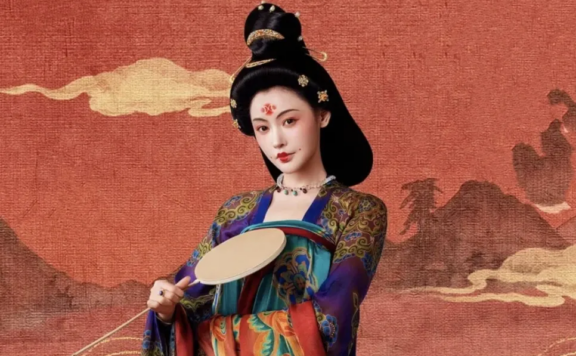
In the ancient costume drama "The Litchi Road", Zhang Tian'ai (张天爱) portrays Shiqiniang. When she first appears on stage in a Tang - style shirt and skirt, netizens comment, "This makeup and aura... She really brings the villainess to life!" First, the Tang Dynasty hairpin system is quite extensive, generally reflecting the current concept of "face framed by hair". Currently, the two hairpins Zhang Tian'ai wears are highly recognizable from the High Tang period. Especially the loose - hair style on the right, as it was prevalent in the ladies' makeup from the mid - to late Kaiyuan era to the end of the Tianbao era, netizens affectionately call it the "Tianbao Pifa - hair Style". These two hairpins belong to the characters of Shiyiniang and Shisanniang in the Dunhuang mural "The Picture of the Governor's Wife Paying Homage to the Buddha". There's also a subtle connection when compared with Zhang Tian'ai's on - screen characters. The fact that these two hairpins appear in the same mural also indicates their popularity. The Coiled Hairpin Let's start with the coiled hairpin, which resembles the "Woduo Ji". This hairpin was popular during the Kaiyuan period of the Tang Dynasty. When women styled… -
Bai Lu's Hair Accessories in Cdrama Feud
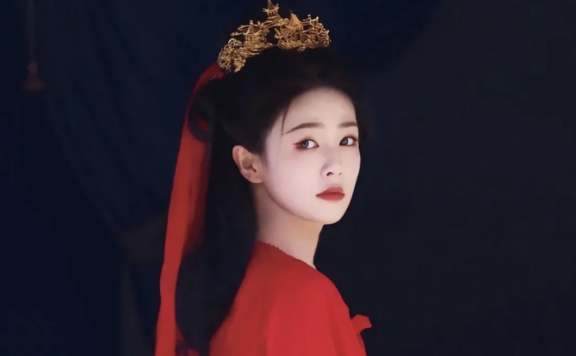
What exactly is the hair accessory worn on the head of Li Qingyue, played by Bai Lu in Feud (临江仙)? When did pavilions and towers start being used as direct head ornaments? What does this hairpin symbolize? Does it have any special origin? First, let's get to the conclusion. This kind of hairpin with the design of celestial mountains and pavilions on the sea was quite popular among noblewomen in the Ming Dynasty. It symbolized the family's status and supreme glory and represented the ancient people's beautiful vision of ascending to immortality. It's said that "immortals prefer to live in buildings". The Book of Han mentions that immortals live in palaces made of gold and silver. So, does wearing this hairpin with pavilions bring one closer to ascending to immortality? If we talk about it, this kind of hairpin actually has a cultural relic prototype. Although it's not as large and exaggerated as the current props in TV dramas, it's even more delicate. The gold hairpin of Concubine Wan, the wife of Prince Yizhuang (Zhu Houye) of the Ming Dynasty, not only features pavilions and towers in a tiny space above the hairpin. There are also statues and attendants in… -
The Wanted Detective: A Masterclass in Tang Dynasty Suspense
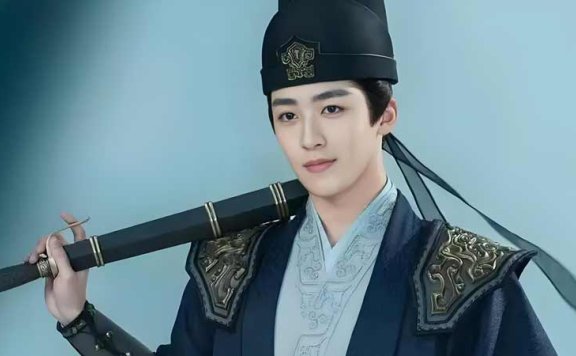
Summer delivers an exceptional gift for historical mystery enthusiasts: The Wanted Detective (定风波). Following the success of Coroner’s Diary (朝雪录), this new series immediately captivated audiences with its intricate plotting and rich atmosphere. Viewers praise its relentless pace and layered storytelling, declaring it another standout from iQiyi's summer lineup. The Wanted Detective masterfully blends political intrigue, chilling crimes, and a compelling ensemble cast, creating an experience that demands binge-watching. Cases Within Cases The narrative opens explosively with the Monument Tears Case. Three high-ranking officials meet grotesque, seemingly supernatural deaths: one decapitated while riding, another incinerated at his desk, and a third drowned mysteriously. All clues point to the elusive Night Shades. Young detective prodigy Xiao Beiming (萧北冥) and his mentor, Zhong Yunchi (钟云赤), attempt a wedding trap to catch the suspects. The plan catastrophically fails. Zhong Yunchi and the suspects are brutally killed using the distinctive "seam murder" technique, while Xiao Beiming, gravely injured, plunges into Fengbo Lake. Framed for the massacre, he vanishes. Within two episodes, the show establishes the core conflict, political unrest, and Xiao Beiming's devastating fall. Three years later, the Bridal Seam Murders shock the capital. Four brides are found murdered, their bodies sewn shut in… -
Sleeves: Tang Dynasty Fashion Through the Ages
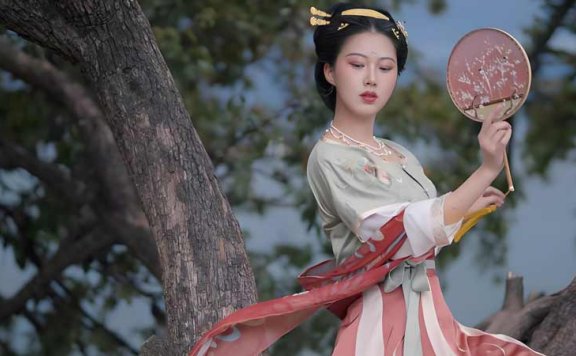
Far more than mere attire, Tang-style Hanfu stands as a vibrant emblem of China's golden age. Rooted in profound aesthetics, it reflected societal shifts and technological prowess. As the ancient text Zuo Zhuan (左传) noted, the magnificence of ritual and dress defined Chinese civilization. Tang fashion, evolving dramatically across nearly three centuries, showcased unparalleled diversity in silhouette, color, and ornamentation, moving from restrained elegance to opulent grandeur and nostalgic revival, embodying the dynasty’s spirit of openness and cultural confidence. Its legacy continues to inspire contemporary fashion and cultural revival worldwide. Threads of Change The Early Tang period favored subtle refinement. Women wore slim-sleeved, short jackets paired with high-waisted skirts tied just below the bust. This "Ruqun" style elongated the figure, embodying an aesthetic of gentle grace. Fabrics were often light silks in soft hues, emphasizing understated beauty. Narrow stripes on skirts, known as "Jianse Qun (间色裙)," were initially modest. Empress Wu Zetian's (武则天) ascent catalyzed transformation. Necklines deepened into elegant curves, and the flowing "Pei Bo" (帔帛) scarf became essential. Waistlines gradually lowered to a high position under the bust. A bold trend emerged: women adopted male attire. Palace maids sported round-collar robes with practical slits, striped trousers, and functional… -
Modern Qipao: Organdy Fabric Merges Tradition, Ease
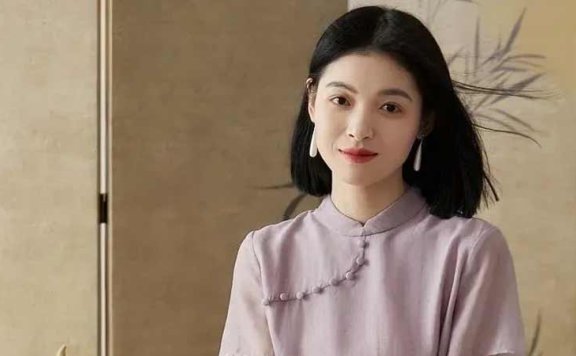
The Qipao has evolved into a symbol of contemporary grace, blending centuries-old Chinese aesthetics with modern comfort. Today's reinterpretations, like those made from Tencel Organdy, offer a refreshing take on classic silhouettes. This fabric mimics silk's luxurious feel while adding structure and coolness, making the dress ideal for everyday wear. With inclusive cuts that flatter all body types and designs that evoke timeless beauty, these dresses empower wearers to express their unique style. As we delve into their key features, you'll see how this garment captures the spirit of cultural renewal without sacrificing practicality. Design The dress boasts a classic Chinese stand-up collar, renowned for its refined and translucent texture. This element enhances elegance without restricting movement, effortlessly complementing various face shapes and outfit combinations. Its simplicity avoids fussiness, making it suitable for both casual and formal settings. The collar's airy quality ensures comfort while adding a touch of sophistication to the overall look. Faux diagonal plackets with cloth-covered buttons add a nostalgic charm, reminiscent of vintage fashion eras. This detail creates visual interest without overwhelming the modern lines, offering a subtle homage to traditional craftsmanship. The buttons are meticulously crafted, providing a tactile experience that elevates the dress's artisanal… -
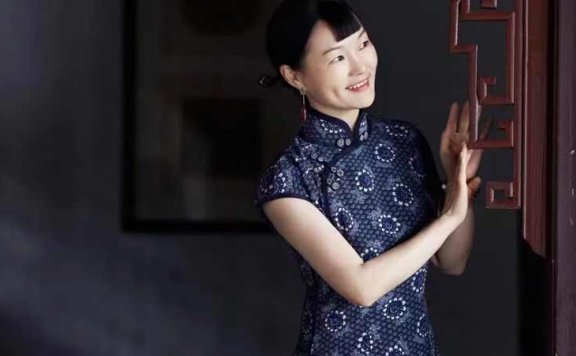
Cool Qipao: Secrets to Sweat-Free Summer Style
As temperatures soar, the timeless elegance of the Qipao remains a coveted choice. Yet, many hesitate, fearing the traditional dress might trap heat and compromise comfort during sweltering months. This concern, however, needn't mean sacrificing style. With thoughtful selections in design, fabric, and detailing, the Qipao transforms into a surprisingly cool and breezy summer staple. Discover how to embrace this iconic garment while staying perfectly comfortable, ensuring you look effortlessly chic whether strolling city streets or attending a garden soirée. Neckline Wisdom The collar plays a crucial role in summer comfort. Opting for a medium-low or low collar significantly enhances breathability compared to the high, closed styles often seen. This adjustment preserves the Qipao’s inherent grace and classical charm while allowing air to circulate freely around the neck. A lower neckline offers practical advantages beyond mere cooling. It lends a sense of openness, visually elongating the neck and softening facial contours for a more flattering silhouette. This subtle exposure strikes the perfect balance, maintaining the dress's dignified allure without venturing into excess. Ultimately, selecting an appropriate collar height is about harmonizing tradition with modern comfort needs. It allows the wearer to project an image of refined elegance, embodying sophisticated Eastern… -
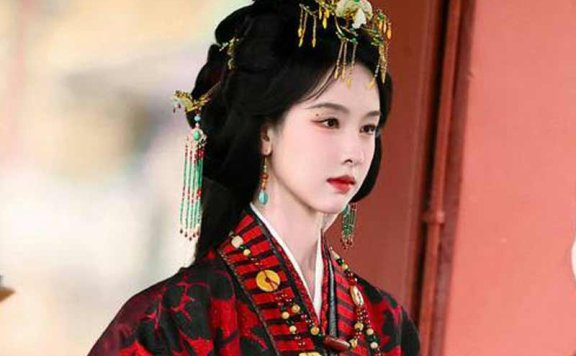
Chen Duling: The Crimson Phoenix Rising in Chinese Drama
Few could have predicted that Chen Duling (陈都灵), once celebrated as the gentle "campus goddess," would transform into a commanding presence on set during a torrential downpour in 2024. Clad in fiery red traditional robes with her hair sculpted into an imposing high bun, she shattered typecasting with an archer’s precision. Audiences witnessed not a damsel awaiting rescue, but a warrior unfazed by lashing rain—her poise earning viral praise as "crimson robes like war banners, hair coiled like victory standards." This metamorphosis obliterated assumptions about her artistic limits. Campus Muse to Period Drama Powerhouse Seven years after her breakthrough role as the fragile Li Su (李珥) in Left Ear, Chen has redefined her trajectory. Where she once embodied quiet innocence, she now dominates historical sets through meticulous character embodiment. Her shift transcends mere wardrobe changes; it represents an artistic evolution from supporting roles to commanding lead performances. Industry observers note her departure from predictable "flower vase" casting into complex, physically demanding parts. The contrast highlights stagnation among peers reliant on repetitive makeup and digital filters. While others chase trends, Chen immerses herself in historical authenticity—studying posture, movement, and period mannerisms. Her commitment extends beyond costumes into mastering martial sequences and… -
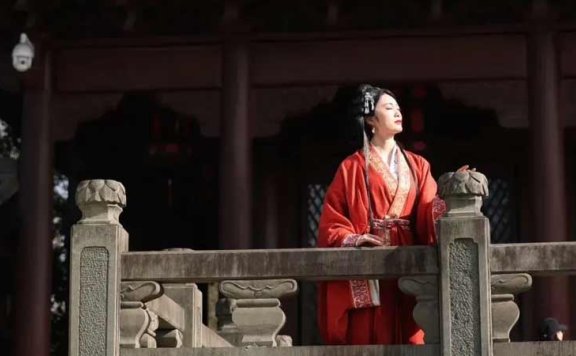
Capturing History: The Art of Authentic Hanfu Photography
Photographing historical-style Hanfu requires more than costumes; it demands immersion. Selecting environments like ancient gardens, weathered city walls, or stone-paved alleys breathes life into the past. Jiangnan courtyards with white walls and black tiles whisper centuries of stories through their eaves, while cracked flagstones underfoot echo forgotten footsteps. These settings don’t just frame the garment—they become co-stars, layering authenticity into every shot. Light and Texture Light sculpts history. The low-angle glow of dawn or dusk transforms fabric into living heirlooms. Sunlight skims silk robes, casting delicate shadows that emphasize pleats and embroidery. This interplay doesn’t merely illuminate; it etches the passage of time onto the image. Avoid harsh noon rays—gentle, directional light reveals texture in weathered wood and stone, making the scene feel touched by generations. Props are silent narrators. A worn bamboo lantern, a rustic folding fan, or an antique Guqin (古琴) zither placed thoughtfully anchors the subject in tradition. Details matter: fallen leaves scattered near feet, half-burnt candles on a desk, or ink-stained parchment suggest interrupted moments from history. Each object should serve the story, never distracting from the wearer’s connection to the environment. Human posture echoes heritage. Movements inspired by classical paintings—a slight tilt of the head… -
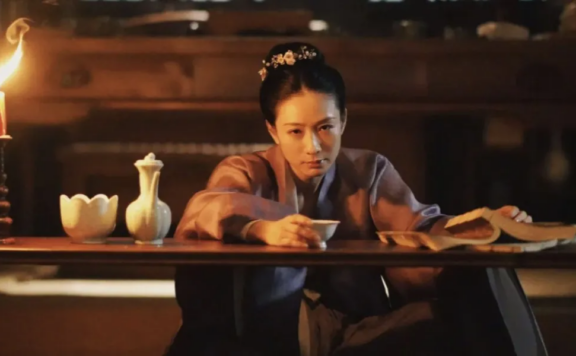
Tao Xinran Transforms into Li Qingzhao
In the documentary "Phoenix: Her Legend", Tao Xinran (陶昕然), who previously played the role of 'An Lingrong', portrayed Li Qingzhao (李清照). To start with, Li Qingzhao lived around the transition between the Northern and Southern Song Dynasties, so the clothing style at that time was somewhat grand and elegant, leaning towards the Northern Song style. The Northern Song still retained the legacy of the Five Dynasties, so compared with the Southern Song, there was still the beauty of layering and wide sleeves. Influenced by Neo - Confucianism, the makeup and dressing of women in the Northern Song tended to be reserved and simple, adhering to the aesthetic philosophy of 'A light touch is always appropriate, and charm comes naturally'. In the Northern Song's 'Dongjing Meng Hua Lu', it was described that 'Gold and jade glistened, and silk wafted fragrance.' In the Southern Song's 'Wu Lin Jiu Shi', it said, 'Women and children were dressed gorgeously and walked around in crowds.' In the Huang Sheng Tomb and the De'an Zhou's Tomb, the style of wide - sleeved clothing, which was the dressing style of noble women, can still be seen. The prevalence of the shirt - skirt combination reached its peak… -
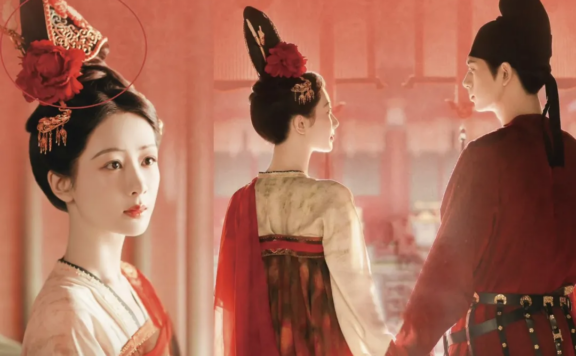
Yang Zi's New Hanfu Look: Like a Cone
The posters of the second part of Flourished Peony called In the Name of Blossom have revealed the new looks of Yang Zi and Li Xian. Yang Zi's hair bun on the top of her head resembled an upright cone. Some netizens joked, "Is this the so - called ‘cone - shaped hair’ in the Tang Dynasty?" First, let me conclude that this hairstyle is the single - blade half - flipped hair bun that was popular in the Tang Dynasty. Although it looks like a cone, its structure is actually much more complex than you might think. Let's break it down. The Chinese meaning is very clear: Single - blade means that when the hair bun is spread out, it looks like a single blade of a knife, and "half - flipped" means that the blade of the knife bends and flips inward halfway, resulting in the shape we see. Now, let's see how to visually identify the single - blade half - flipped hair bun. The two pictures on the left are from the Tang Dynasty, and the rightmost picture is from the Sui Dynasty. We can see that this hair bun, popular during the Sui and Tang… -
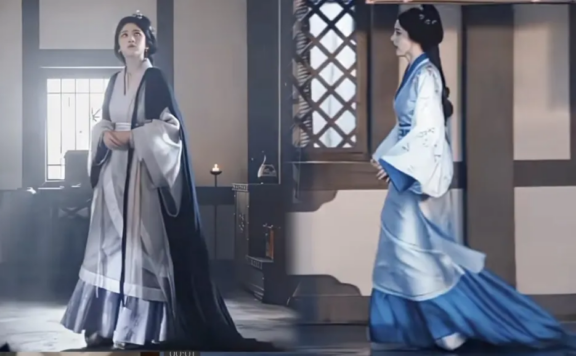
Why Do Hanfu Skirts in Cdrama Trail on the Ground?
In today's TV dramas, the costumes often feature extremely long trains. One can't help but wonder: Apart from the cinematic effect, is this kind of trailing skirt really suitable for daily wear? Did the ancients dress like this too? Aren't they afraid of getting them dirty? First of all, don't be misled by the long - trailing dresses in TV dramas. Even in Hanfu, the trailing styles mostly exist in formal dresses or semi - formal dresses (formal wear), not in the common people's daily clothes. There were also corresponding outfits for daily labor. Moreover, nobles didn't wear such long skirts every day. As shown in the picture, in the pre - Qin period, such clothes were only worn on major ceremonial occasions. So, they were only for large and formal events. However, there were exceptions. For example, the popular fashion in a specific environment was irresistible. In addition to the noble's formal dress scenarios in each dynasty, some well - off families in the civilian population also followed a trend of extravagance. They regarded wearing large - sleeved robes and long - trailing skirts as fashionable. This kind of trend usually emerged in the middle and late periods of… -
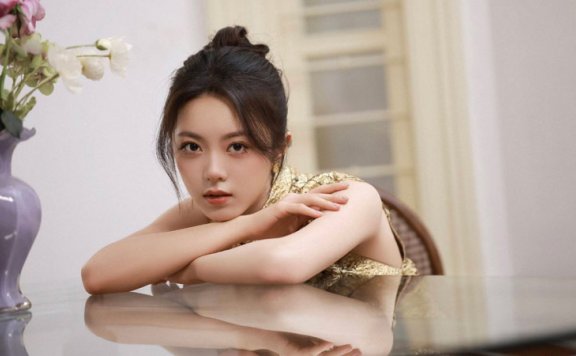
Zhao Jinmai: Navigating the Shift Beyond Youthful Roles
At just 22, Zhao Jinmai (赵今麦) has captivated audiences with memorable roles in teen dramas like A Love for Separation (小别离), and the time-loop thriller Reset (开端). Her natural portrayals of spirited characters earned widespread affection. Yet her recent pivot toward mature roles reveals growing pains. Projects like the period romance Our Generation (樱桃琥珀) highlight a disconnect between her established screen persona and the emotional depth newer characters demand. This transition, while ambitious, lacks the gradual evolution needed to convince audiences. The Our Generation Conundrum In Our Generation, Zhao partners with rising actor Zhang Linghe (张凌赫) in a story of fate and romance. Despite high expectations, the drama struggled with pacing and character development. Audiences found the leads’ chemistry unconvincing—Zhang’s mature demeanor clashed with Zhao’s youthful energy, creating a sibling-like dynamic rather than romantic tension. The rushed plot offered little foundation for their relationship, leaving viewers detached from the first episode. Zhao’s performance, though technically sound, retained traces of her iconic role as Lin Miaomiao (林妙妙) from Growing Pain (少年派). Her expressive eyes and bright smile, perfect for teen characters, felt incongruous with a role demanding gravitas. This inconsistency pulled viewers out of the narrative, sparking criticism about her limited… -
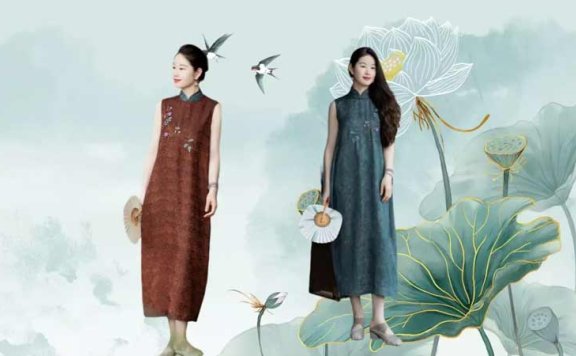
Wildflowers and Xiangyunsha Silk: A Double-Sided Stitched Dress
Inspired by the untamed beauty of wildflowers and the refined artistry of Xiangyunsha (香云纱) silk, this double-sided embroidered dress embodies the serene grace of women over 40. Drawing from the poetic imagery of Xi Murong's (席慕容) writings and the natural elegance of Jingyue Lake, the garment weaves together themes of resilience, craftsmanship, and timeless style. This piece is not just clothing; it's a celebration of life's journey, offering versatility and sophistication that resonates with the wisdom of age. Through its thoughtful design and meticulous embroidery, it invites wearers to embrace a sense of calm confidence, reflecting how nature and nurture intertwine in a symphony of beauty. Nature's Poetry in Silk Xi Murong's admiration for wildflowers—symbols of unbridled freedom and joy—finds a parallel in the creation of Xiangyunsha silk. Her poetry captures how these blooms thrive without cultivation, much like the silk's journey from raw material to luxurious fabric. Xiangyunsha, often called "soft gold" in textiles, begins with premium mulberry silk. It undergoes a natural dyeing process using Dioscorea cirrhosa juice, where sun, wind, and rain impart a gentle luster. This method preserves the silk's innate softness, resulting in a tranquil, powder-blue hue that evokes misty mornings at Jingyue Lake. The…
