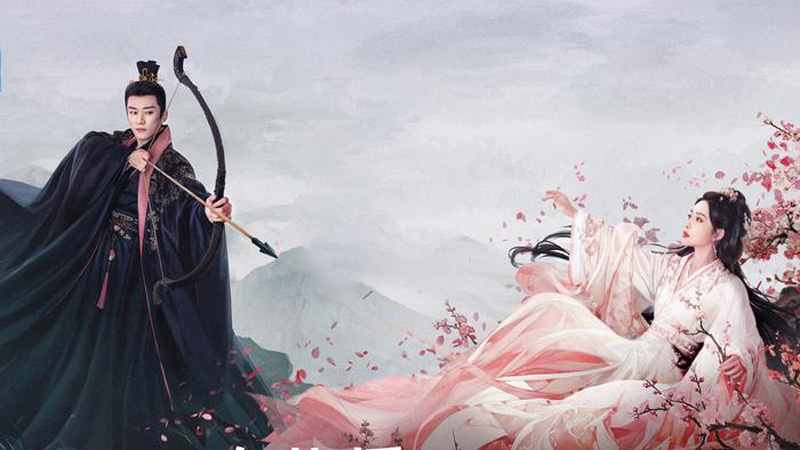
The Princess's Gambit (桃花映江山), the highly anticipated historical romance drama starring Meng Ziyi (孟子义) and Liu Xueyi (刘学义), ignited screens with a blazing premiere. Its debut shattered records, soaring past 23,000 on popularity indexes, signaling potential dominance in the competitive costume drama landscape. Yet, this initial triumph quickly met a wave of audience skepticism. Online forums filled with debates questioning the central pairing's on-screen chemistry and the narrative's structural integrity.
The drama promised intrigue between the neglected Northern Court Princess Jiang Taohua (姜桃花) and the cunning Qi Kingdom Prime Minister Shen Zaiye (沈在野). Their journey—beginning with forced alliance and mutual distrust, evolving through political machinations towards tentative partnership and love—faced immediate scrutiny. While some viewers championed the leads’ performances and embraced the familiar tropes, others pointed to repetitive plot devices and jarring inconsistencies, leaving The Princess's Gambit suspended between acclaim and critique.
The Leads' Portrayal
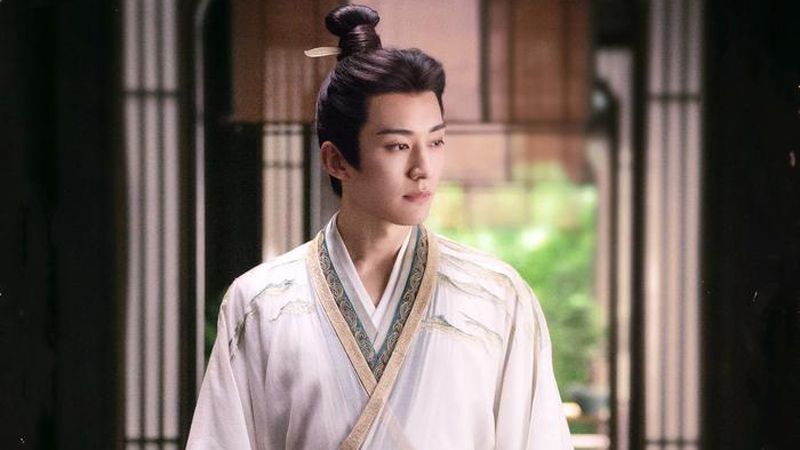
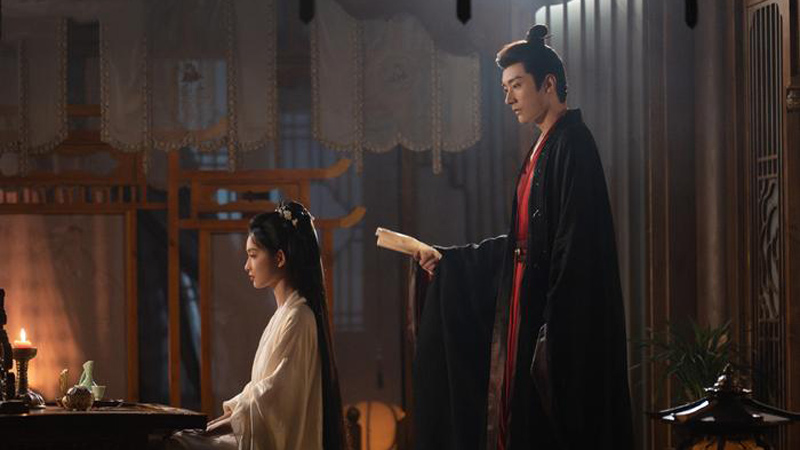
Initial reactions focused intensely on the perceived age gap between Liu Xueyi’s Shen Zaiye and Meng Ziyi’s Jiang Taohua, with some unkindly comparing him to her uncle. This surface-level critique overlooks the character’s inherent nature. Shen Zaiye is no youthful idealist; he is a seasoned political operator, burdened by responsibility and navigating treacherous court dynamics. Liu Xueyi’s portrayal carries a necessary gravitas and world-weariness that aligns with the role’s demands. Casting a significantly younger actor might have created a dissonance between the character’s described experience and his appearance.
Meng Ziyi, returning to a familiar archetype reminiscent of her role in the hit Nine Blooms of Purple (九重紫), embodies the resilient yet vulnerable princess. Jiang Taohua faces relentless pressure, demanding an actor capable of conveying deep-seated resentment, strategic cunning, and profound emotional pain beneath a composed exterior. Meng Ziyi excels in these moments, particularly through expressive eyes and controlled physicality.
A scene where tears well but refuse to fall powerfully captures Taohua’s internal struggle between fury and helplessness. While occasionally hampered by overly dramatic makeup choices, her performance effectively communicates the character’s complex emotional landscape. The actors deliver within the script’s confines, suggesting the chemistry critique might stem more from narrative execution than their individual efforts.
Formula Fatigue
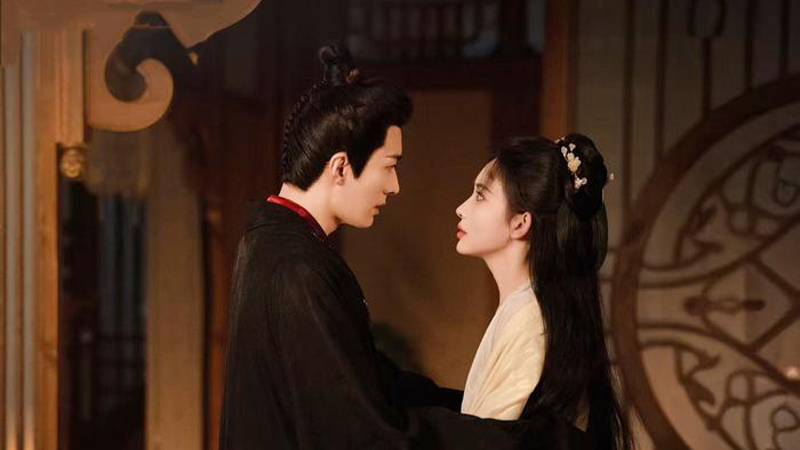
The core issue plaguing The Princess's Gambit lies not solely in its stars, but in its adherence to an increasingly overused blueprint. The "political romance" sub-genre, featuring high-stakes court intrigue intertwined with a central adversarial love story, has saturated the market. Audiences readily recognize the beats: an initial forced union, deep-seated mutual suspicion, gradual exposure to hidden virtues, external threats forcing cooperation, and eventual, hard-won affection. The recent drama The Prisoner of Beauty (折腰) followed this exact path, featuring a politically arranged marriage evolving from hostility to devotion amidst dynastic conflict.
The Princess's Gambit mirrors this structure almost step-for-step. Princess Taohua and Prime Minister Shen Zaiye begin as adversaries, their marriage a political gambit. Their interactions are charged with tension and distrust, slowly thawing as they face shared dangers and uncover each other’s hidden depths. The narrative relies heavily on the "enemies-to-lovers" trope within a grand political framework. However, the sheer repetition of this formula diminishes its impact. What once felt fresh and engaging now risks feeling predictable and uninspired, leading to audience fatigue despite competent execution of the familiar pattern.
Logic Lapses Undermining Ambition
Beyond formulaic plotting, The Princess's Gambit suffers from narrative inconsistencies that disrupt immersion and challenge suspension of disbelief. Early episodes establish high stakes as Princess Taohua flees her arranged fate with her younger brother, Changjue (长玦). The pursuit, however, escalates to absurd extremes when palace guards actively try to kill them, ruthlessly stabbing haystacks where they might hide. The notion that royal guards would dare assassinate a princess, even an unpopular one designated as a political pawn, strains credibility and feels like manufactured peril.
A more glaring lapse occurs when Taohua, nearing the Qi capital, is attacked by wolves—a setup later revealed as sabotage. The implausibility peaks not with the attack itself, but with the aftermath. Guards readily open the city gates for Taohua, yet somehow fail to prevent the pursuing wolf pack from entering the heavily fortified capital alongside her.
This oversight defies basic security logic and shatters the scene’s tension. The drama ambitiously tries to weave domestic power struggles within the princess’s new residence, complex court politics, and international espionage. However, this breadth comes at the cost of depth. The political maneuvering lacks sophistication, while the internal household conflicts fail to generate significant suspense, leaving the central romance and its inherent friction to carry the weight amidst distracting plot holes. Even its literal interpretation of "fighting through fire" for love feels less impactful when foundational narrative logic is compromised.
For viewers prioritizing plot coherence, these flaws are significant hurdles. For others seeking visually appealing leads in a melodramatic, trope-driven story, it remains a viable, albeit flawed, diversion. Ultimately, its reception underscores a growing audience desire for novelty and substance beyond polished aesthetics and recycled narratives.