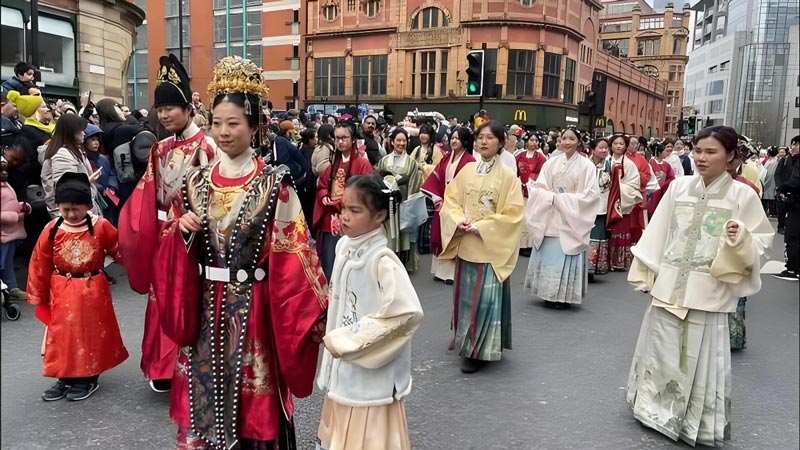
In eastern China’s Anhui Province, ancient aesthetics are rewriting modern economic narratives. Tax data reveals a 7.4% surge in textile and apparel sales from January to May 2025, driven by the explosive popularity of mamianqun (horse-face skirts) and Hanfu attire. This resurgence isn’t mere nostalgia; it’s a cultural reawakening merging heritage craftsmanship with digital innovation, positioning Anhui at the forefront of China’s "guochao" (national trend) movement.
Stitching Success
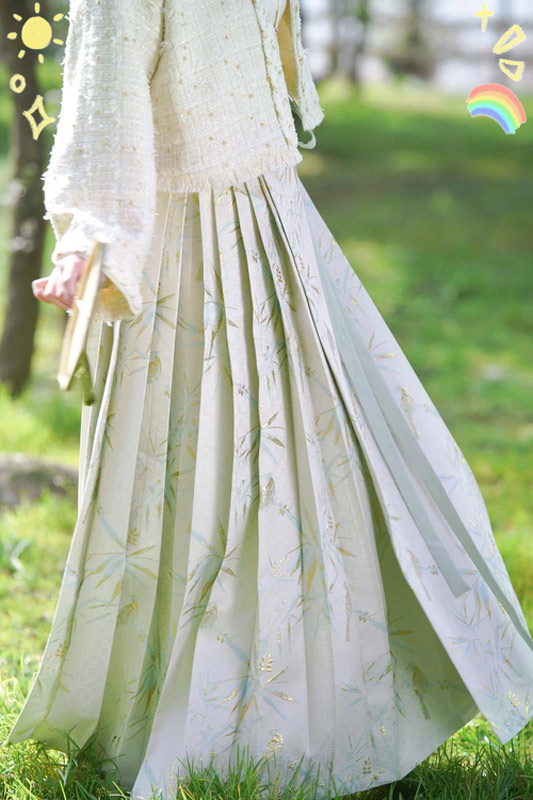
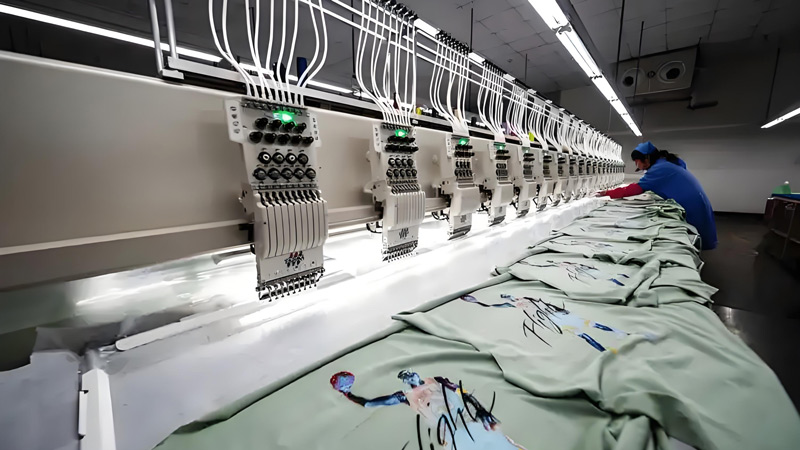
The mamianqun, characterized by its pleated panels and symbolic motifs, has transcended historical reenactments to dominate mainstream fashion. Social media influencers and festivals like the Hefei Hanfu Carnival amplified its visibility, transforming local workshops into supply chain hubs. Artisans now blend traditional dyeing techniques with AI-assisted pattern design, cutting production costs by 30% while preserving authenticity.
Anhui’s textile factories report 40% higher export orders for silk-blend fabrics, catering to Southeast Asian and European markets. Provincial tax incentives for heritage crafts further enabled small businesses to scale rapidly. As one Hefei designer noted, "Young consumers seek identity, not costumes—they’re investing in wearable history."
Heritage Reimagined
Beyond textiles, Anhui’s intangible cultural heritage fuels diverse industries. Ceramics infused with Longkiln techniques saw 8.5% revenue growth, while bamboo-woven handbags and lacquerware suitcases boosted box retail sales by 15.9%. Museums digitize artifacts into NFTs, with Huangshan’s Hui-style architecture inspiring virtual reality exhibits.
Tax breaks for intangible heritage workshops accelerated commercialization. In Wuyuan County, artisans collaborate with tech firms to create 3D-printed porcelain replicas, sold alongside interactive pottery classes. "Every teacup tells a story," says curator Li Wei. "Now we’re scripting it for Gen Z."
Beyond the Teahouse
Guochao’s influence permeates daily life. Bubble tea brands like Chagee blend Anhui’s Qimen black tea with poetry-themed packaging, driving 14.6% growth in beverage manufacturing. Beauty giants Pechoin and Proya incorporate herbal formulas from Compendium of Materia Medicainto skincare lines, lifting cosmetics revenue by 24.5%.
Pop-up stores in Hefei’s "first-economy" districts feature AI mirrors recommending dynasty-inspired makeup. Meanwhile, blind-box toys by Pop Mart integrate Anhui opera masks, boosting toy manufacturing by 8.2%. As marketing director Zhang Lu observes, "Tradition isn’t static—it’s a canvas for infinite reinvention."
Brands leverage cultural touch points to create immersive ecosystems. Bubble Tea chain Chawangji infuses stores with Song Dynasty decor, where staff in Ma Mian Qun serve matcha brews in celadon cups—boosting beverage sales by 14.6%. Social media fuels the phenomenon: KOLs demonstrate skirt versatility, pairing it with sneakers or blazers. Xiaohongshu campaigns like #MaMianMonday generate UGC from Tokyo to Toronto, proving localization isn’t required for global appeal. As marketing professor Li Wei observes, "It’s cultural confidence packaged as lifestyle."
Digital Threads
Short-video platforms propel Anhui’s culture globally. Web novels romanticizing the Ming Dynasty go viral overseas, spurring 121.3% growth in digital publishing. Micro-dramas filmed in Hongcun’s UNESCO-listed villages attract 200 million viewers monthly, with algorithms tailoring subtitles for Spanish and Arabic audiences.
Tax policies support this soft-power export: cross-border e-commerce rebates and expedited VAT refunds for creative SMEs. Provincial officials highlight plans for "Silicon Huizhou"—a tech corridor merging cloud rendering studios with artisan incubators. "Data," says economist Chen Feng, "is the new loom weaving our legacy."
Beyond the Hype
Sustainability challenges loom. While small batch production preserves quality, rising demand pressures artisans to compromise materials—a risk highlighted by Anhui’s Textile Guild. Innovators respond: Hefei’s Zhiwei Studio uses blockchain to trace silk origins, while rental platforms like Yizu offer skirts for $15/month, reducing closet waste. The movement’s longevity hinges on balancing accessibility with integrity. As consumer advocate Zhang Min warns, "Commercialization must elevate craftsmanship, not erase it."