
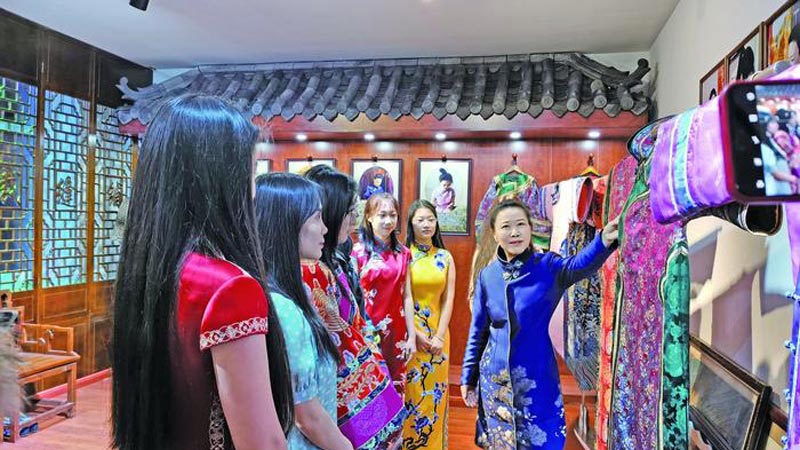
Beneath the cool summer skies of Mudanjiang, Heilongjiang, a living tapestry of tradition unfolds each evening. Dozens of models from Tang Man Culture Company grace parks and plazas, their Manchu qipaos—with sculpted collars, coiled buttons, and artful slits—blending ancestral grace with modern silhouettes. Led by Jia Shujuan (贾淑娟), a provincial intangible heritage inheritor, this daily procession embodies a cultural renaissance where every stitch narrates millennia of Manchu wisdom.
Craftsmanship Reimagined
Jia’s studio produces over a thousand unique qipaos annually, each a canvas of innovation. Regional motifs merge with ink-wash paintings and botanical dyes, transforming silk into storytelling mediums. The garments honor Qing Dynasty techniques likepan jin(coiling gold) embroidery, while contemporary cuts accentuate natural forms.
Seasonal inspirations yield breakthroughs like the Ice-Snow Qipao. Jagged hems mimic glacial formations, while hidden snowflake cutouts along slits create "moving snowfall" illusions under light. This dialogue between environment and craft reflects Jia’s philosophy: "Technology is the bone, culture the soul, nature the muse."
Nature’s Silent Language
Heilongjiang’s wilderness breathes within every design. Wild tussah silk, harvested locally, provides the foundation. Artisans hand-paint patterns using roots, berries, and leaves—forest hues whispering through fabric. Peonies bloom across bodices, cranes soar on sleeves, each element distilling Northeast China’s ecosystems.
The qipao’s structural intelligence mirrors Manchurian history. Multi-layered trims (shiba xianggun) evolved from Qing-era practicality to ornate artistry. Functional horse-riding slits now frame modern movement, proving heritage adapts without erasure. "True beauty," explains Jia, "lies in how threads converse with landscape."
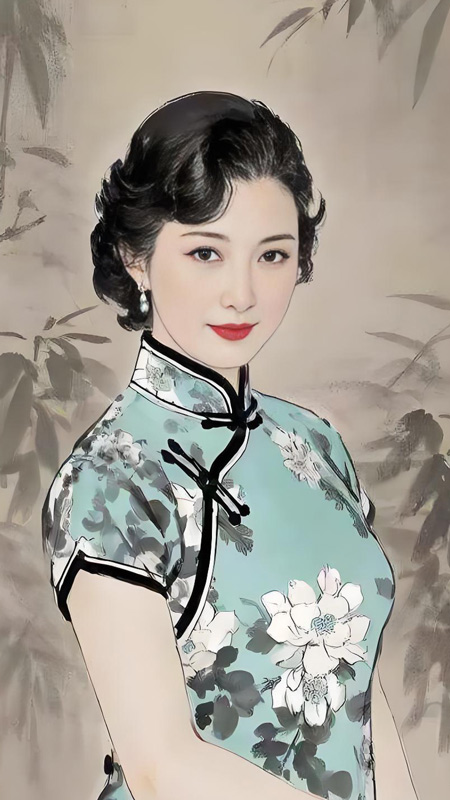
Beyond garments, Tang Man’s models are cultural ambassadors. During China Tourism Day, their displays of ink-wash landscapes and floral motifs mesmerized national audiences. The qipao’s choreography—slow turns, measured steps—highlights its architectural genius: high slits permit movement, layered trims add dimension, and embroidery whispers stories of plum blossoms or drifting clouds.
Wu Xuan (吴璇) of Heilongjiang’s Heritage Center observes, "The qipao’s restraint—its unspoken elegance—embodies Eastern philosophy. It’s not worn; it’s performed."
Global Strides
From Beijing’s trade fairs to Parisian ateliers, Tang Man’s qipaos bridge continents. International exhibitions showcase pieces where cloud motifs float across cobalt silk, or minimalist plum blossoms emerge through strategic voids—a technique French designers hailed as "haiku in textile."
Audiences from Sydney to Moscow witness dynamic runway performances. Models swirl, revealing how light transforms embroidered frost patterns into fleeting storms. These tours forge unexpected dialogues; Japanese kimono masters now collaborate on fusion techniques, while Australian galleries curate qipao-themed natural dye workshops.
Critically, Jia’s vision avoids exoticization. Collaborations focus on mutual respect—showcasing how Manchu techniques can inspire sustainable luxury, not mere appropriation.
Looms of Tomorrow
Beyond production, Tang Man’s workshops invite immersion. Visitors touch raw silk cocoons, trace patterns onto templates, and stitch alongside masters. The "Wearable Memory" program lets guests design personalized qipaos, later walking improvised catwalks—their movements filmed amid peony gardens.
Youth engagement drives innovation. Digital archives preserve vanishing stitches, while AR mirrors project how historical designs adapt to modern bodies. Jia’s vision crystallizes here: "When teenagers proudly pair qipaos with sneakers, tradition isn’t preserved—it’s reborn."
This Mudanjiang studio proves culture thrives not behind glass, but in the hands of those rewriting its future. Each thread pulled taut connects empires to Instagram, proving that heritage, when woven with audacity, becomes timeless.
The Unbroken Thread
Jia Shujuan’s mission—"bone of technique, soul of culture, breath of nature"—resonates globally. The Manchu qipao’s revival isn’t nostalgia; it’s a dialogue between eras. By marrying Qing-dynasty proportions with modern dynamism, Tang Man proves tradition isn’t static. It’s a fabric rewoven by each wearer, ensuring that every coiled button and snowflake slit continues to narrate East Asian grace for generations.
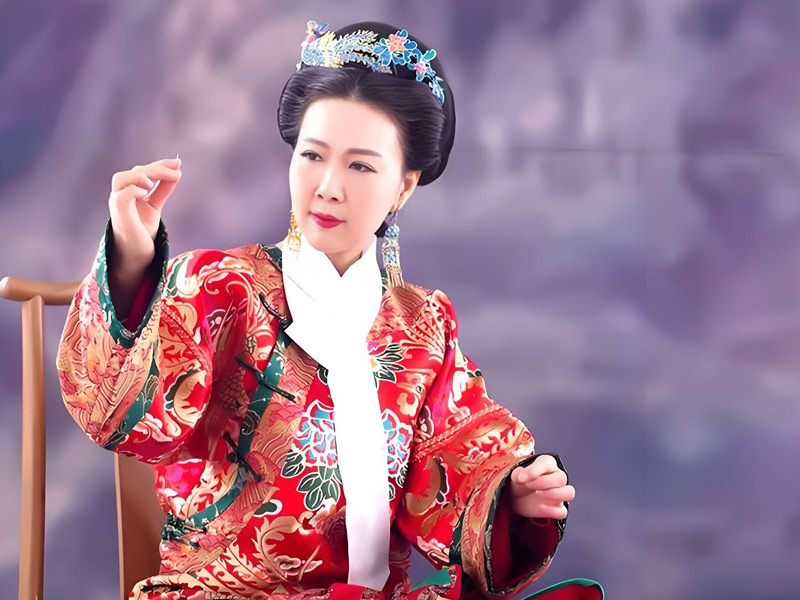
Today's designers boldly reimagine the qipao, marrying its iconic silhouette with modern sensibilities. Slimmer cuts accentuate the figure, while innovative fabrics like neoprene or sheer lace introduce unexpected textures. Embroidered dragons coexist with abstract digital prints, and asymmetric hemlines add dynamic flair. This seamless fusion honors Manchu heritage while speaking to global fashion—a timeless testament to cultural resilience and sartorial innovation that continues to captivate generations.
