Article
搜索结果:
-
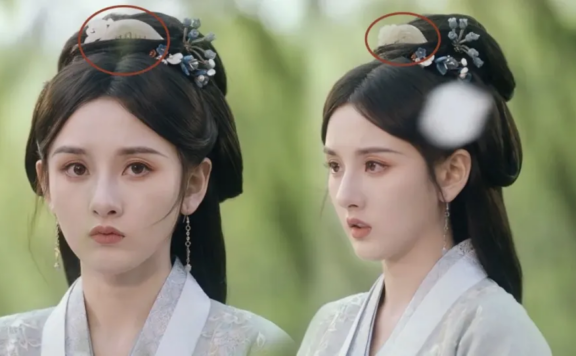
Song Zuer's Hair Accessories Are So Special
In the cdrama "Zheyao" (折腰), Song Zuer's Han - style hairstyle looks elegant and dignified. The comb - shaped hair accessory on her head is as gentle as jade and just right to modify her face shape. Did the ancients really insert combs directly into their hair buns? First, let's talk about the conclusion. In ancient times, combs were originally hair - dressing tools and later could also be used as hair accessories. We often saw comb decorations in dramas with a Tang - style background, but in Han - style makeup and hairstyles, combs were actually also common on hair buns. Combs were collectively called "zhi" (栉) in ancient times, which were divided into combs with sparse teeth and hairpins with fine teeth. In the Han Dynasty's "Shuowen Jiezi", it was said that "zhi" was the general name for combs and hairpins. The two characters "comb and hairpin" should be used separately. The one with sparse teeth is called "comb", and the one with dense teeth is called "hairpin". You use a comb to comb your hair and a hairpin to remove dirt from your hair. When I was a child, there should still be such hairpins at home,… -
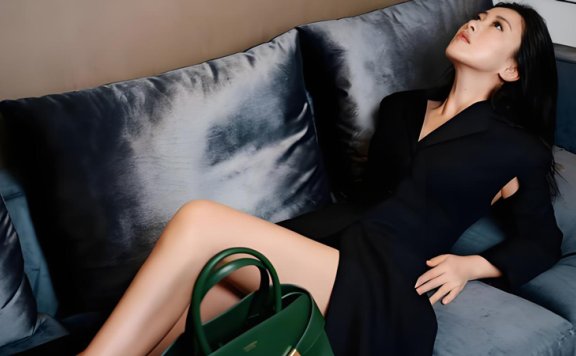
Zhu Zhus Signature Looks A Portrait of Multifaceted Grace
Zhu Zhu's (朱珠) presence transcends conventional beauty standards, creating a unique resonance across cultures. For eight consecutive years, she graced the "Global 100 Most Beautiful Faces" list—a testament to her universal appeal. More than striking features, her allure lies in a captivating duality: an East-meets-West aesthetic fused with profound depth. From commanding screens in acclaimed dramas to embodying haute couture with effortless elegance, Zhu Zhu represents a modern ideal—beauty rooted in authenticity, resilience, and the quiet confidence of a woman comfortable in her own skin. Anatomy of a Timeless Visage Zhu Zhu’s face masterfully bridges aesthetic divides. Her heart-shaped silhouette, defined by a subtly tapered jawline and broad forehead, creates a foundation of harmonious proportions. The eyes, however, are her signature: deeply set inner corners suggest mystery, while an upward tilt at the outer edges transforms expression instantly—from enigmatic intensity to a warmth radiating playful charm. This captivating gaze becomes a narrative tool in itself. Her profile reveals further perfection—a sculpted Grecian nose lending aristocratic elegance. Complementing this are full, naturally defined lips often described as "petal-like," adding softness and sensuality. The piece de resistance is her distinctive right cheek dimple, an unexpected flourish of sweetness that punctuates her smiles.… -
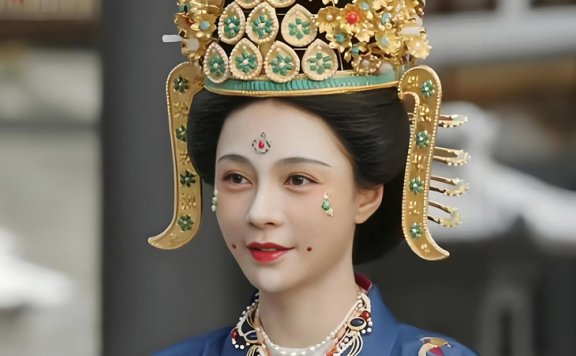
Shen Mengchen's Imperial Headdress Stuns in Flourished Peony
A recent scene in the Chinese historical drama Flourished Peony (锦绣芳华) ignited social media: actress Shen Mengchen (沈梦辰), portraying Imperial Consort Huangfu Lingge, appeared wearing a headdress so magnificently large it dwarfed her head. Dubbed "the crown bigger than her head," this visual spectacle instantly captured the public's imagination, sparking widespread fascination with the Tang Dynasty aesthetics meticulously recreated in the series. The drama’s costume and makeup design team has undertaken a significant task, interpreting historical grandeur for the modern screen. Shen Mengchen’s portrayal, radiating imperial authority with every subtle movement, offers a glimpse into the sophisticated beauty standards and rigid hierarchical symbolism embedded within the Tang Dynasty’s courtly attire, particularly focusing on the extravagant headwear, the stately robes, and the distinctive facial adornments that defined an era. The Towering Floral Crown The most arresting element of Consort Huangfu Lingge's ensemble is undoubtedly the monumental Huashuguan (floral tree crown). This architectural masterpiece of hair adornment features a breathtaking assembly of pearls, kingfisher feathers, gold hairpins, glittering gemstones, and swaying tassels. Its multi-layered construction creates profound depth and dimension, catching light dynamically. While visually overwhelming, the crown serves a crucial narrative purpose: instantly communicating the character's elevated status and the immense… -
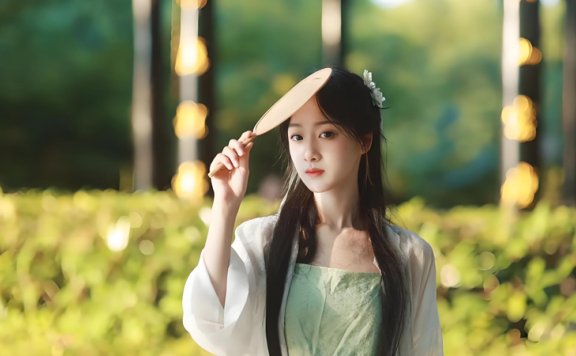
How Hanfu Reimagines Summer Fashion
Summer heat meets timeless elegance in Hanfu, China’s traditional attire reimagined for contemporary life. Far from being relics, these garments embody ancient ingenuity in staying cool, blending airflow-friendly fabrics and lightweight designs with today’s need for practicality. From Song Dynasty-inspired layers to Ming-era outerwear and modern hybrids, Hanfu transforms scorching days into poetic escapes. Discover how silk, ramie, and clever cuts create natural "air conditioning," while styling tweaks—like loose hairstyles and soft soles—make every outing effortless. Whether strolling through lotus ponds or sipping iced tea downtown, Hanfu invites you to wear history lightly. Ancient Coolness, Modern Comfort Centuries before air conditioning, Hanfu mastered summer comfort. Song Dynasty styles pioneered breathability with Zhima(ramie) fabric—dubbed "China’s ancient ice silk" for its moisture-wicking pores. Narrow-sleeved shirts and flowing Baidie skirts (百迭裙) moved like water, catching breezes between layers. Ming innovations added the Bija (比甲), a sleeveless jacket worn over light gowns. Crafted from airy linen or silk, it shielded shoulders from the sun without trapping heat, its ties allowing quick adjustments as temperatures shifted. Modern designers honor these principles while easing wearability. Elastic waistbands replace complex sashes on horse-face skirts (Mamianqun), while hidden cuffs prevent sleeves from slipping. Practical touches abound: inner pockets… -
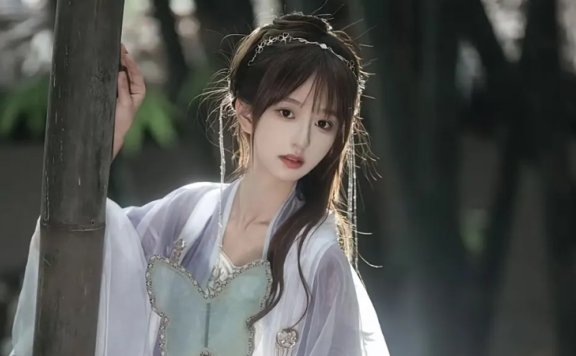
How Hanfu Became Gen Z's Cultural Armor
Young people across China are draping themselves in history. Silk robes, embroidered jackets, and flowing skirts once reserved for period dramas now flood city streets, university campuses, and social media feeds. This isn’t cosplay—it’s a cultural movement. Hanfu, traditional attire tracing its lineage to China’s dynastic eras, has evolved from niche hobby to mainstream passion. For Gen Z, wearing these garments is less about historical reenactment and more about stitching identity into the fabric of modernity. It’s a quiet rebellion against homogenized trends, a tactile connection to heritage, and a gateway to vibrant communities where tradition dances with innovation. Identity Woven in Fabric Hanfu’s resurgence coincides with China’s cultural reawakening. As global brands dominate fashion, young people seek anchors in their own heritage. A Tang-style Ruqun isn’t merely clothing; it’s a wearable testament to millennia of aesthetics and philosophy. The crisp lines of Ming dynasty Zhiju reflect Confucian ideals of harmony, while Song dynasty Beizi whispers of scholarly elegance. Wearing these pieces during Qingming Festival tomb-sweeping or Mid-Autumn moon gatherings transforms rituals into living history lessons. This sartorial choice answers a deeper question: "Who are we?" In rejecting Western fast-fashion hegemony, youth declare pride in indigenous craftsmanship. They aren’t escaping… -
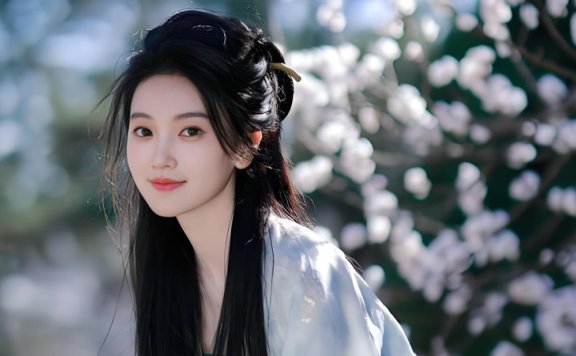
Hanfu: A Stunning Fusion with Modern Life
Gone are the days when Hanfu resided solely within museum displays or historical reenactments. Today, these flowing robes, rooted in millennia of Chinese tradition, are experiencing a vibrant resurgence, gracefully navigating the bustling streets and digital landscapes of contemporary life. This isn't merely a nostalgic revival; it’s a dynamic reinvention. Young people across China and the globe are embracing Hanfu not as a costume, but as a personal style statement, a tangible connection to heritage seamlessly interwoven with the fabric of the 21st century. The intricate silhouettes and symbolic details speak of ancient philosophies, yet they are now paired with modern confidence, proving that tradition can not only survive but thrive amidst skyscrapers and smartphones. This movement transcends fashion; it's a cultural dialogue, a quiet assertion of identity where history walks confidently into the present. Weaving Through Dynasties Hanfu's journey is a tapestry woven through the very fabric of Chinese civilization. Its origins, traced symbolically to the legendary Yellow Emperor, evolved significantly across successive dynasties, each imprinting its distinct aesthetic and societal values. Shang and Zhou periods established the foundational "upper garment, lower skirt" structure, a visual representation of heaven and earth. The Qin and Han dynasties introduced the majestic… -
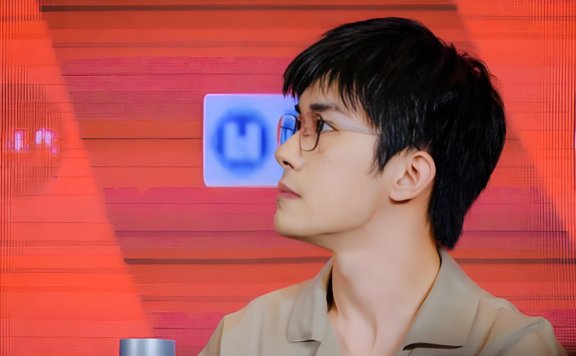
FIRST Film Festival Recognizes Yi Yangqianxi as Youngest Juror
When the FIRST International Film Festival unveiled its jury roster, the inclusion of 22-year-old Yi Yangqianxi (易烊千玺) sent ripples through China’s film industry. His transition from teen idol to legitimate cinematic voice culminates in this pivotal role—a testament to nine years of deliberate reinvention. As the youngest juror alongside auteurs like Chen Kaige (陈凯歌) and Zhou Xun (周迅), Yi now occupies a space reserved for those who speak film’s nuanced language. Where Artistry Overrides Algorithms Founded in 2006, the FIRST Youth Film Festival thrives as China’s counterbalance to commercial cinema. It rejects box-office metrics and celebrity economics, instead spotlighting raw, auteur-driven narratives. Previous jurors—from arthouse pioneer Wang Xiaoshuai (王小帅) to the late Tibetan director Pema Tseden—shared a common thread: uncompromising dedication to cinematic craft. Yi’s selection, therefore, defies convention. Festival organizers emphasized his “acute narrative intuition and mastery of visual grammar,” referencing his ability to dissect scripts beyond surface-level performance. His role signals FIRST’s commitment to judging films through an artistic lens, untouched by industry politics or fleeting trends. The festival’s statement further noted Yi’s “transformative physicality” across roles—a skill honed through meticulous character immersion. This aligns with FIRST’s mission to champion filmmakers who prioritize substance over spectacle. Where mainstream… -
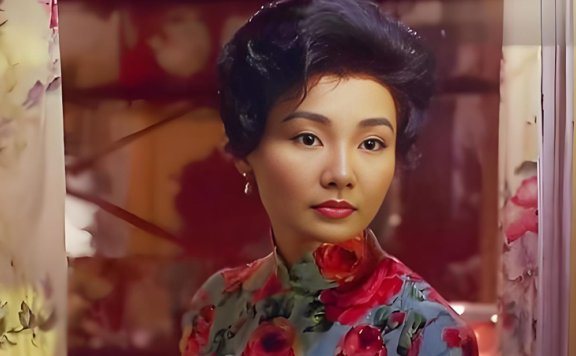
7 Actresses Who Transformed the Cheongsam in Cinema
The cheongsam, with its high collars and sinuous lines, transcends mere attire—it becomes a canvas for storytelling. In Chinese cinema, this iconic garment amplifies character depth, historical nuance, and feminine power. Beyond fabric and stitch, it embodies restraint and rebellion, tradition and transformation. These 7 actresses didn’t just wear cheongsam; they breathed life into its legacy, each carving a distinct niche in cultural memory. From repressed longing to regal defiance, their performances prove that true elegance lies in nuance. Maggie Cheung (张曼玉) In In the Mood for Love (花样年华), Maggie Cheung’s 23 cheongsams function as emotional armor. Each hue—emerald, ruby, obsidian—mirrors suppressed desire in 1960s Hong Kong. Her posture, rigid yet fragile, turns fabric into a language of solitude. When she lowers her gaze, the rustle of silk echoes louder than dialogue. This isn’t costume design; it’s visual poetry, where cloth cages a storm of yearning. Cheung’s genius lies in minimalism. A fingertip tracing a teacup’s rim, a hesitant step down narrow stairwells—every gesture is amplified by the cheongsam’s constraints. Director Wong Kar-wai used its structure to mirror societal pressures, transforming fabric into a metaphor for unspoken rules. The result? A performance where silence screams through sequins. Tang Wei (汤唯)… -
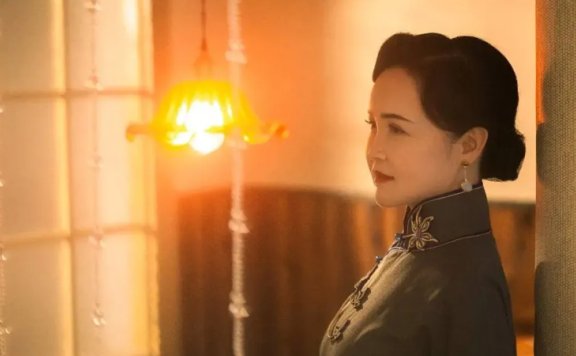
The 5 Beauties of the Qipao Woman
The Qipao transcends mere attire—it embodies a century of Chinese femininity, resilience, and artistry. In Changde’s July gathering, the Qipao Cultural Association illuminated this legacy. Beyond intricate silks and precise tailoring lies a philosophy: where fabric becomes poetry, and seams trace cultural evolution. This event wasn’t a fashion showcase but a dialogue with history, inviting wearers to discover their narrative within each fold. 1. Allure A well-cut Qipao honors the body’s architecture. Its high collar frames grace, while the bias-cut skirt flows with natural movement, celebrating curves without constraint. This subtlety defines allure—confidence worn softly. As Changde’s members demonstrated, it’s not about spectacle but harmony: a shoulder line echoing porcelain-vase curves, sleeves hinting at restraint. True allure lives in posture. When standing like bamboo—spine straight yet supple—the Qipao’s slits reveal just enough to intrigue. Modern wearers blend tradition with individuality: pairing classic brocade with minimalist jewelry, letting fabric speak louder than adornment. 2. Nobility Nobility emerges from self-possession. Experienced Qipao wearers in Changde moved with unhurried precision, their embroidered gowns radiating authority. Gold-threaded phoenixes or indigo-dyed linens became extensions of their composure—proof that luxury is presence, not decoration. This elegance rejects rigidity. A laugh lines the eyes, hands gesture fluidly—nobility… -
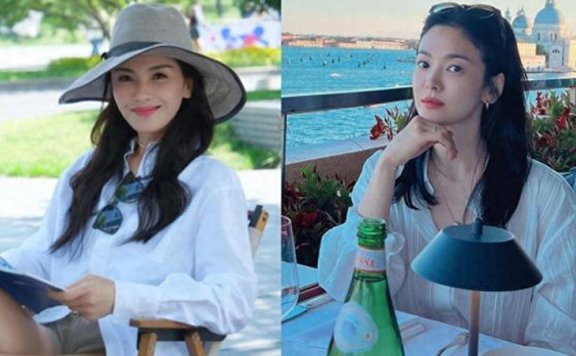
Song Hye-kyo and Liu Tao: Summer Fashion in White
Song Hye-kyo and Liu Tao (刘涛), celebrated icons from South Korea and China, respectively, have consistently captivated global audiences with their versatile style. Both in their forties, they embody elegance and confidence, often setting trends that resonate across generations. Recently, they've popularized a refreshing summer look: pairing crisp white shirts with casual shorts. This combination, as seen in their public appearances, offers a blend of sophistication and youthfulness, effortlessly defying age norms. It's not just about comfort; the simplicity of a white shirt combined with the freedom of shorts creates a polished yet relaxed aesthetic. This trend highlights how minimalism can be transformative, allowing accessories and personal touches to shine. As fashion evolves, Song and Liu demonstrate that timeless pieces adapt seamlessly to modern tastes, making this duo a beacon of inspiration for everyday wardrobes. Song Hye-kyo's Layered Approach Song Hye-kyo's take on the white shirt and shorts ensemble starts with her signature collarbone-length hair. This hairstyle, cut just above the shoulders, frames her face beautifully while accentuating her neckline. It adds a touch of playfulness without overwhelming the look, proving that subtle changes can elevate overall appeal. Paired with small stud earrings, the hair enhances her natural features, creating… -
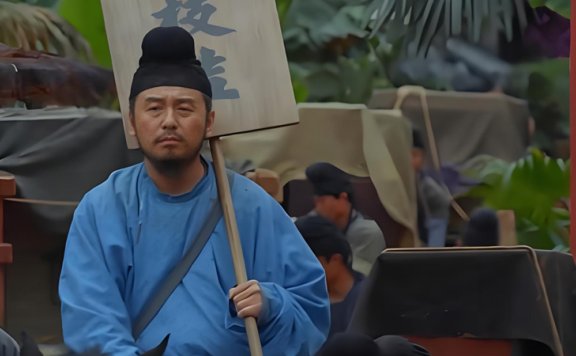
Revealing the Summer Outfits from The Lychees of Chang'an!
The Lychees of Chang'an (长安的荔枝), a captivating drama illuminating the Tang Dynasty's intricate world, offers more than a tale of imperial logistics. Beyond the political intrigue surrounding transporting fresh lychees, it vividly portrays how people navigated the sweltering heat, particularly in the southern Lingnan region. The show's meticulous costume design shatters the misconception that historical attire couldn't be practical for summer, revealing ingenious cooling adaptations woven into the fabric of Tang life. This ancient wisdom provides surprising inspiration for comfortable and elegant summer wear today. Lingnan's Lightweight Look Upon arriving in the humid south, protagonist Li Shande (李善德) swiftly adapts his attire. The heavy layers of Chang'an are shed for open sandals and trousers rolled up to the knees. Local officials like the Prefect favor the Banbi (半臂), a quintessential Tang summer garment: a short-sleeved, waist-length top worn over a thin inner layer, often with a relaxed collar or even open front, allowing maximum airflow. Servants constantly wield woven palm fans, a practical necessity. This depiction is grounded in historical reality, reflecting adaptations necessary for Lingnan's tropical climate. Women in Lingnan are often seen in the Qixiong Shanqun (齐胸衫裙). This ensemble typically featured a high-waisted skirt paired with a light,… -
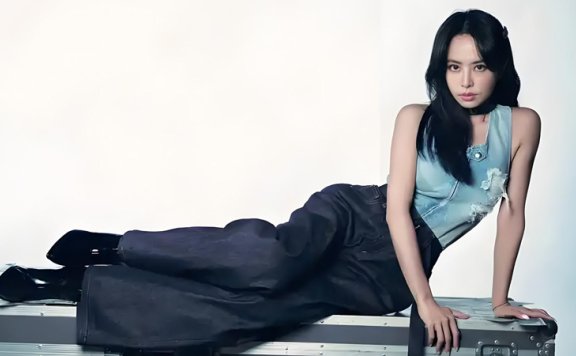
Jolin Tsai: A Pop Legend's Journey Through Fashion and Fortitude
In the ever-changing world of entertainment, few artists leave an indelible mark like Jolin Tsai. As a Taiwanese singer and performer, she has captivated audiences for decades with her dynamic stage presence, unwavering dedication, and trendsetting style. From her early days to her current status as a cultural icon, Tsai embodies resilience and creativity, proving that true stardom isn't just about talent—it's about relentless evolution. Her recent social media updates and candid interviews reveal a multifaceted woman who balances glamour with grounded wisdom, inspiring millions to pursue their passions without compromise. Fashion Statements Jolin Tsai's latest photos showcase her impeccable sense of style, turning heads with a denim vest ensemble that exudes confidence and modernity. Captured in high-resolution images, she flaunts a sleek, figure-hugging look that highlights her toned physique, radiating an effortless cool. This isn't just about aesthetics; it's a statement of self-expression, where Tsai blends streetwear edge with high-fashion flair. Her ability to reinvent her image over the years demonstrates a keen eye for detail and a refusal to be boxed into stereotypes. Fans and critics alike admire how Tsai uses fashion as a tool for empowerment. In the denim vest shoot, she pairs bold accessories with minimal… -
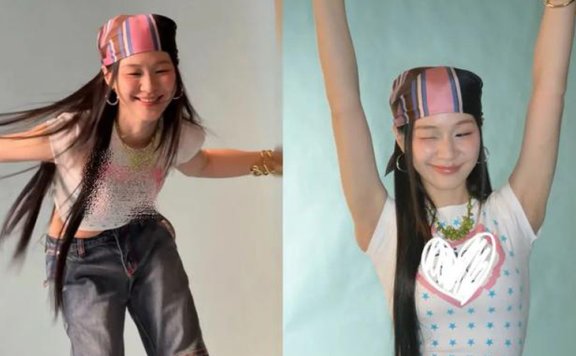
Jin Jing's Fashion: Rewriting Beauty Rules After Motherhood
In an entertainment landscape often dominated by conventional beauty standards, Chinese comedian and actress Jin Jing (金靖) has emerged as an unexpected style icon following motherhood. Her transformation isn’t defined by cosmetic alterations but by an explosive confidence that radiates through every outfit. Where others chase trends, Jin curates a wardrobe that mirrors her vibrant personality—unapologetically maximalist, narratively rich, and technically masterful. This shift has sparked discussions about authenticity in fashion, proving that true style begins when clothing becomes an extension of one’s spirit. The Confidence Catalyst Motherhood unlocked a new dimension of self-assurance for Jin Jing. Her style evolution began not with a stylist’s intervention, but with a simple Burberry scarf. While luxury brands often feel distant to everyday wearers, Jin’s effortless drape and infectious enthusiasm made high fashion feel accessible. Fans connected not with the product, but with her genuine joy in wearing it—a reminder that style thrives when wearers feel worthy of their choices. This authenticity dismantles fashion’s gatekeeping. Jin’s earlier attempts at "safe" styles like sweet or edgy looks lacked impact. Now, she treats clothing as collaborators in storytelling, whether imagining herself as a banker’s daughter bidding farewell to a lover or a heiress on a… -
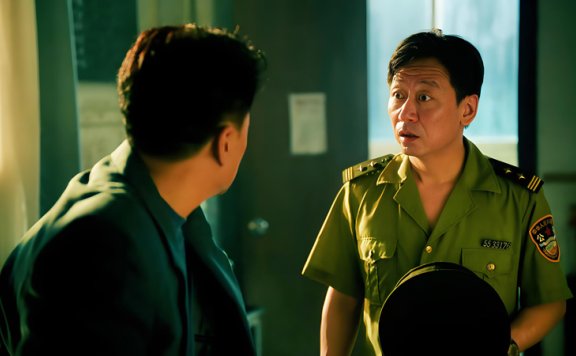
Drug Busters: Thunderstorm – 7 Stars' Acting Masterclass
China's television landscape ignited in 2025 with the explosive arrival of Drug Busters: Thunderstorm (扫毒风暴). This gritty crime drama captivated audiences with its unflinching portrayal of the narcotics underworld, complex characters, and raw human drama. Airing only eight episodes on CCTV and Tencent Video, it shattered viewership expectations and dominated online discourse. Beyond its daring narrative, the series's true power lies in its extraordinary ensemble cast. Their masterful performances breathe life into the harrowing story, creating unforgettable characters that linger long after the credits roll. Here, we rank the seven actors delivering the most compelling portrayals in this cultural phenomenon. 1. Qin Hao (Lu Shaohua) Qin Hao’s (秦昊) transformation into Lu Shaohua (卢少骅) is a masterclass in chilling subtlety. He begins as a seemingly unassuming, even downtrodden security guard, adept at navigating workplace politics with quiet offerings of cash. His calculated charm masks an unsettling ambition. As Lu ascends into the ruthless world of drug trafficking, Qin Hao meticulously charts his descent. The veneer of affability cracks, revealing a cold, transactional core. His delivery of the line, "Dead mule, that's all," regarding his unborn child, is profoundly terrifying. Qin Hao embodies the banality and horror of evil, making Lu Shaohua… -
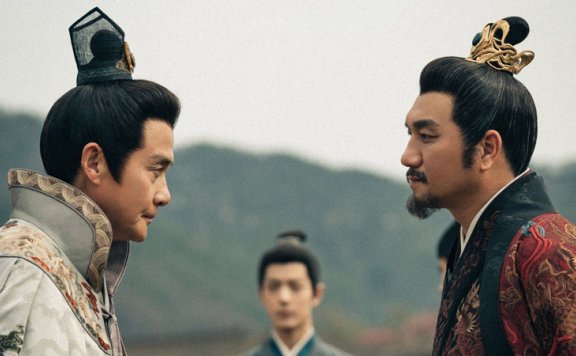
Ming Dynasty Hanfu Costumes: Zang Hai's Sartorial Journey
Set against the backdrop of Ming Dynasty China, Legend of Zang Hai (藏海传) captivates audiences not only with its intricate plot but also with its meticulous recreation of historical attire. Actor Xiao Zhan’s (肖战) portrayal of Zang Hai—a scholar navigating political intrigue—is elevated by costumes that visually chart his evolution from obscurity to prominence. Each garment, grounded in Ming Dynasty dress codes, serves as a silent narrator of status, ambition, and cultural identity. The Period of Civilians Zang Hai’s early scenes feature the straight robe (Zhiduo), a garment emblematic of Ming-era scholars and commoners. This cross-collared, side-slit robe, often belted at the waist, reflected a balance of practicality and modesty. Xiao Zhan’s turquoise-hued version, inspired by the turquoise damask robe housed in the Confucius Museum, subtly elevates the basic design with fine silk, hinting at Zang Hai’s latent potential—the choice of color, reminiscent of scholars’ inkstones, bridges humility and intellectual aspiration. As Zang Hai enters scholarly circles, his attire shifts to the scholar’s gown. Distinguished by a round collar and a horizontal seam at the knees—a Ming-era nod to ancient Confucian dress—this robe signifies his formal entry into the literati class. Historical texts, such as Sancai Tuhui (三才图会), depict its… -
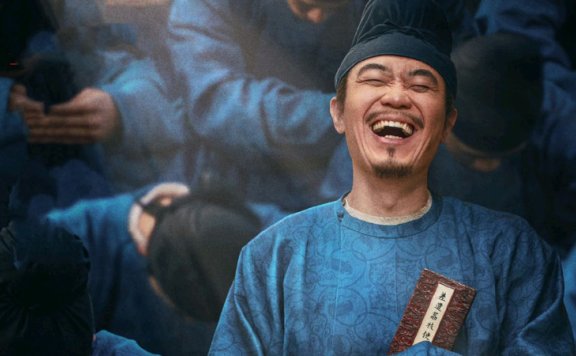
The Lychees from Chang'an: Tang Official's Unlikely Journey
Dapeng’s (大鹏) The Lychees from Chang'an (长安的荔枝) emerges as the summer’s most anticipated cinematic feat, translating Ma Boyong’s (马伯庸) bestselling novella into a visual spectacle. Directed by and starring Dapeng as the low-level Tang Dynasty official Li Shande (李善德), the film chronicles an impossible imperial mission: delivering fresh lychees from Lingnan to Chang’an before spoilage. The film masterfully balances historical authenticity with narrative tension, earning a 7.7 rating – Dapeng’s highest directorial score to date. Its blend of bureaucratic satire, breathtaking landscapes, and emotional depth offers audiences both laughter and poignant reflection on sacrifice and resilience. Visual Poetry on Screen Rejecting sweeping establishing shots, cinematographer employed long lenses to compress space, echoing traditional Chinese painting’s "scattered perspective." Li Shande appears minuscule against Chang’an’s oppressive palace walls, visually amplifying his vulnerability within the imperial machinery. This deliberate framing transforms architecture into a character – cold, imposing, and indifferent to human struggle. Lingnan provides a visceral contrast. Lush lychee orchards burst with saturated greens, while humid air practically shimmers on screen. Indigenous clothing, rugged dwellings, and bustling port scenes immerse viewers in a frontier region defined by cultural exchange and raw natural power. The production meticulously recreated Tang-era trade aesthetics, from Persian-inspired patterns… -
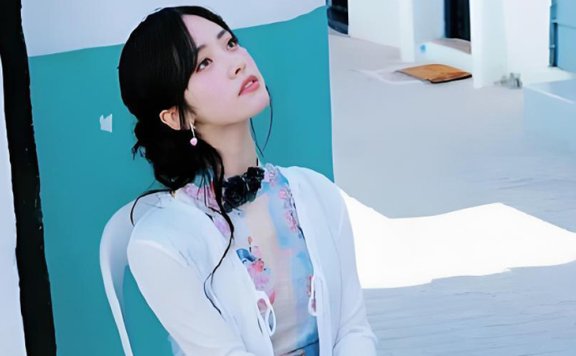
Shen Yue's Neo-Chinese Qipao in Marrakech
The sun-drenched alleys of Marrakech recently witnessed an unexpected fusion of East and West as Chinese actress Shen Yue (沈月) unveiled her distinctive take on neo-Chinese fashion. Against the backdrop of terracotta walls and vibrant souks, her ensembles transformed the Moroccan city into an impromptu global runway. This wasn't merely a celebrity trip; it became a visual dialogue where contemporary Chinese design resonated with North African heritage, proving style transcends geographical boundaries. Shen's curated looks—featuring reinvented qipao silhouettes and fluid outerwear—ignited discussions about cultural reimagination, positioning her as an ambassador for a new wave of Asian aesthetic innovation on the global stage. Silhouettes Against Medina Walls Shen’s signature look featured a dark-patterned qipao reinterpreted with modern cuts. The high collar and intricate embroidery paid homage to tradition, while the streamlined silhouette aligned with contemporary minimalism. Paired with wide-leg silk trousers, the ensemble moved with effortless grace through Marrakech's labyrinthine streets. Her styling choices amplified the visual narrative. A low ponytail threaded with delicate silver beads echoed traditional Chinese hair ornaments, yet its simplicity felt strikingly modern. This subtle accent drew attention to the architectural lines of her outfits without overwhelming them. The masterstroke came with an ivory, wide-sleeved overdress. Flowing… -
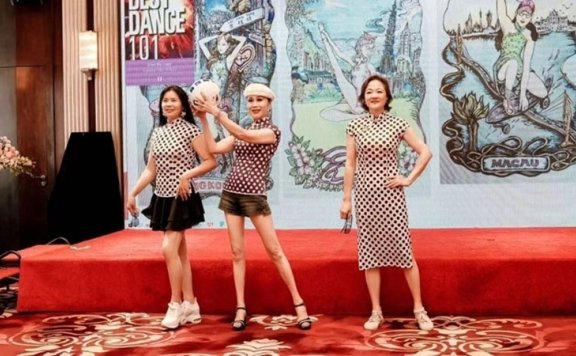
Lu Manman's Sport Cheongsam Innovation in Shanghai
The melody of Rose, Rose I Love You (玫瑰玫瑰我爱你) filled the air at Shanghai's Yangtze Hotel as Lu Manman (卢漫漫) watched models move with astonishing grace. They weren't just walking; they practiced Tai Chi, broke into street dance, and even rode skateboards – all while wearing her revolutionary creations: Sport Cheongsam. For Lu Manman, who came to Shanghai from Guangxi 17 years ago, this moment was the culmination of a dream: crafting a traditional Chinese garment that could finally keep pace with the dynamic lives of modern women. Her eyes glistened, witnessing the impossible made tangible. The Rebel Designer's Journey Lu Manman's path to becoming the founder of Sport Cheongsam was anything but linear. Arriving in Shanghai nearly two decades ago, she navigated careers as a Japanese translator and a psychological counselor before immersing herself in the world of cheongsam as a cultural lecturer. This deep immersion, however, sparked a rebellion against tradition. "On May 20, 2019, I gave myself a gift – founding the Sport Cheongsam brand," Lu recalls. "Like the rebellious streak in my character, I wanted to shatter the stereotype of the cheongsam as solely elegant and demure. I aimed to create a cheongsam you could evensportin."… -
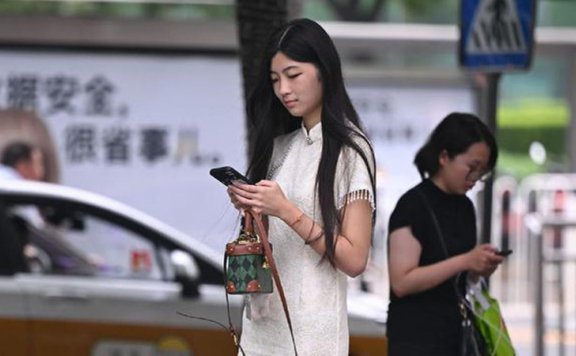
How Patent Leather Redesigns the Classic Qipao Shape
The fusion of tradition and modernity finds a striking expression when an 8cm black patent leather stiletto meets a light-hued sleeveless qipao. This pairing transcends mere aesthetics, crafting a visual dialogue between centuries-old elegance and contemporary boldness. The qipao’s fluid lines, tracing the wearer’s form with poetic restraint, collide with the shoe’s architectural precision—a juxtaposition that captures the essence of today’s East-meets-West fashion philosophy. Far from a clash, this synergy reveals how heritage evolves through deliberate disruption. Contrast as Harmony Light-colored qipaos—in shades reminiscent of misted jade, lotus root, or moonlit porcelain—exude a serene, painterly quality. Yet this subtlety risks fading into monotony without strategic punctuation. Enter the black patent stiletto: its liquid-like gloss slices through the qipao’s matte texture, creating a tension akin to ink blooming on rice paper. This interplay of light and shadow elevates both elements, transforming simplicity into sophistication. The sharpness of the stiletto’s silhouette disrupts expectations. Where traditional qipao footwear (like embroidered flats) softens the profile, the stiletto’s dagger heel and tapered toe inject dynamism. The verticality of the qipao’s mandarin collar and diagonal closures finds resonance in the shoe’s lengthening effect, sculpting a statuesque line from neck to ankle. This geometry subtly channels modernity… -
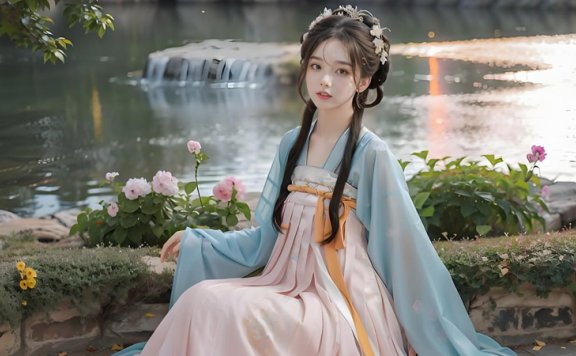
Beijing's AI Lab Weaves Ancient Hanfu into Tomorrow's Fashion
At Beijing's Future Design Laboratory, algorithms decode millennia-old sartorial heritage while smart fabrics respond to human touch. Where imperial robes meet neural networks, a revolution in textile technology unfolds across three frontiers—digital resurrection of Song Dynasty silks, color-shifting biomaterials, and robot-tailored performance wear—redefining cultural continuity through science. Within Zhangjiawan (张家湾) Design Town's unassuming labs, quantum leaps in textile innovation emerge as Beijing Future Design Laboratory engineers resurrect Song Dynasty court robes through AI pattern recognition while developing clothes that adapt to body movements. Director Lan Cuiqin’s (兰翠芹) team merges nanotechnology with historical textile databases, creating garments where nanotechnology mimics chameleon skin and robot apparel regulates electrostatic discharge—proving tradition and futurism share the same thread. Algorithmic Looms: Reweaving History Precision algorithms now resolve centuries of stylistic drift in Hanfu recreation. By training AI on structured datasets of Han, Tang, Song, and Ming dynasty clothing—documenting everything from sleeve construction hierarchies to permissible peasant-class embroidery patterns—the platform eliminates historical inaccuracies that plagued manual reproductions. When generating a Southern Song noblewoman’s attire, the system cross-referenced 278 archaeological records to ensure every layer from the translucent luo silk underrobe to the pleated mianqun overskirt adhered to 12th-century tailoring protocols. This digital archive democratizes mastery previously…