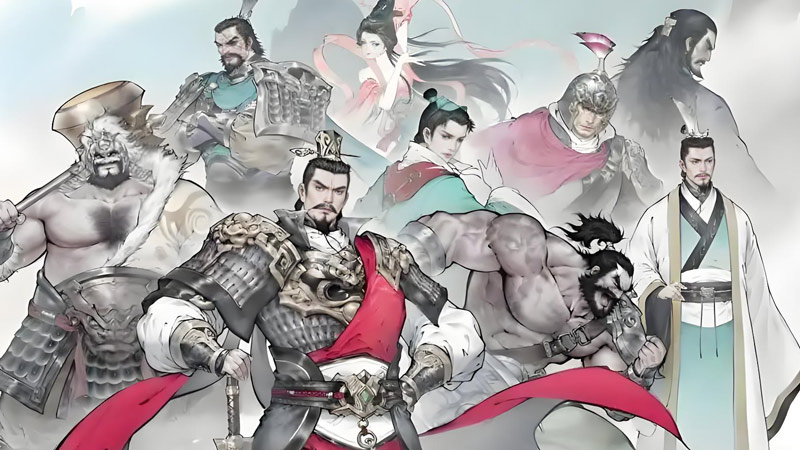
The landscape of gaming often celebrates the future, yet a bold new title rewinds time with breathtaking artistry. Shenzhou Saga: Three Kingdoms (三国望神州), developed by Kwaiy’s "Flicker Universe," defies modern visual tropes. Instead of hyper-realism or anime vibrancy, it drapes the storied Three Kingdoms era in the ethereal cloak of Chinese ink-wash painting.
This isn’t mere nostalgia—it’s a renaissance of Hanfu (traditional Han attire), reimagined through fluid strokes and subtle gradients, challenging players’ perceptions of historical immersion. As warriors stride through misty battlefields and scholars ponder amidst bamboo groves, the game proves tradition can feel revolutionary.
Ink-Wash Reimagines History
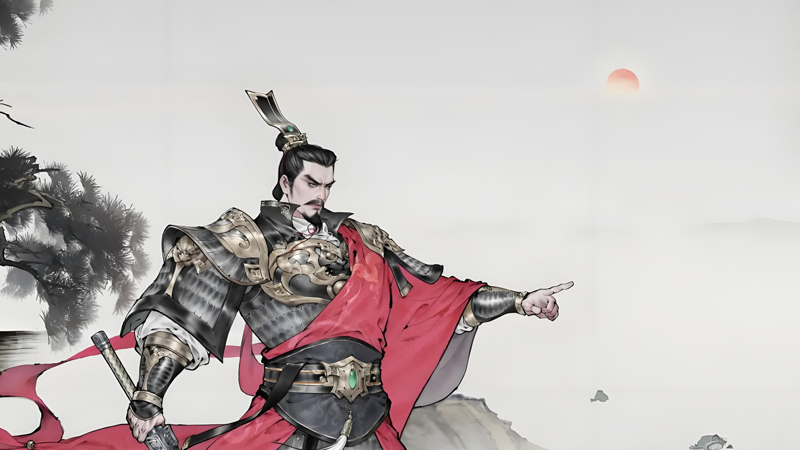
Shenzhou Saga: Three Kingdoms’s visual identity is its manifesto. While competitors favor saturated colors or 3D spectacle, this game embraces monochrome elegance. Mountains dissolve into washes of gray; armor gleams like wet ink on parchment. The Hanfu designs—flowing robes, wide sleeves, intricate sashes—are rendered with deliberate restraint. Shadows bloom like ink blots, and details emerge through negative space, evoking classical scrolls. This aesthetic isn’t decorative; it heightens emotional gravity. A lone general surveying a bloodied ridge feels less like a pixelated avatar and more like a brushstroke of tragedy.
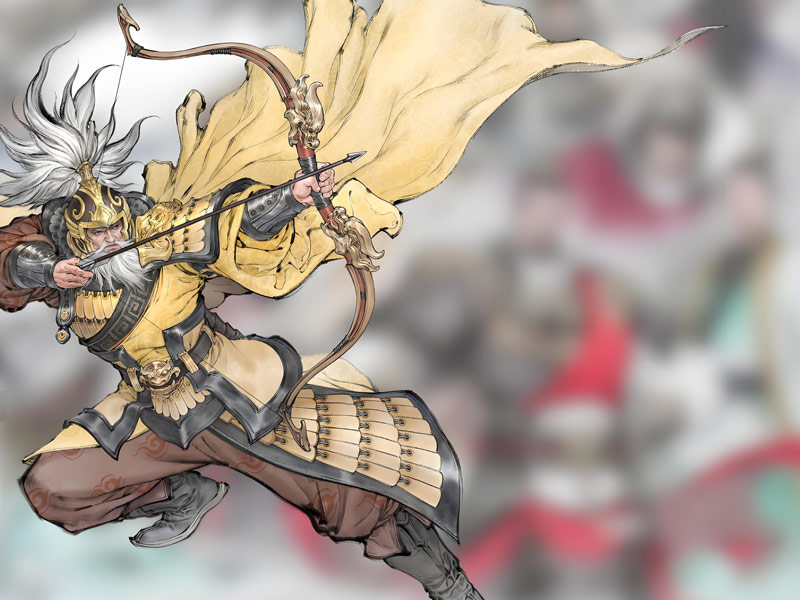
Historical fidelity anchors the artistry. Developers pored over Han and Jin Dynasty records, resurrecting garments stitch by stitch. Military officers wear distinctive Wuguan headdresses, their sharp angles mirroring battlefield resolve. Civil officials don layered Shen Yi robes, belts knotted with scholarly precision. Even fabric textures echo archaeological finds—hemp weaves for foot soldiers, embroidered silk for nobility.
This accuracy extends beyond costumes: architecture, weaponry, and rituals reflect meticulous research. When a character offers a ritual wine cup, its shape and posture align with Han pottery figurines, grounding fantasy in tangible history.
Hanfu as Narrative Language
Here, Hanfu transcends costume design—it becomes narrative. A torn sleeve hints at a noble’s fallen status; mud-spattered hems betray a spy’s journey. The ink-wash style amplifies subtext. In a pivotal scene, rival advisors debate in a moonlit pavilion. Their opposing philosophies are visualized through attire: one’s stark black robes embody ruthless pragmatism; the other’s gray layers suggest nuanced compromise. Garments flow like calligraphy, their movement scripted to convey mood—swirling robes for fury, still folds for contemplation.
This sartorial storytelling extends to gameplay. Customizing a character’s Hanfu isn’t cosmetic; it influences interactions. Wearing a scholar’s attire unlocks diplomatic dialogue paths, while military regalia intimidates foes. During the "Stratagem" minigame—where players deploy traps or morale-boosting tactics—a character’s sleeve unfurls like a battle map, ink symbols swirling into formation. The clothing doesn’t just adorn the action; it is the interface, merging tactile tradition with interactive innovation.
Gameplay Woven with Philosophy
The "Stratagem System" divides tactics into four branches—Traps, Formations, Morale, and Schemes—each mirroring historical stratagems. Deploying a "Feigned Retreat" (Morale) lures enemies into canyon ambushes (Traps), visualized as ink-splattered terrain shifts. This isn’t button-mashing; it’s tactical brushwork, demanding players "paint" their victories through foresight and misdirection.
Difficulty scales with elegance. Early battles teach fundamentals: using terrain ink-washes to conceal troop movements. Later stages demand poetic cunning—like sacrificing a unit (a single black stroke vanishing) to bait an enemy vanguard into an ink-flooded valley. The game’s genius lies in making cerebral warfare visceral. Planning a multi-layered scheme feels like composing a landscape painting: each decision a deliberate stroke, each consequence a wash of color blooming across the campaign map.
A New Chapter for Cultural Play
Shenzhou Saga: Three Kingdoms does more than entertain—it redefines heritage in interactive spaces. By clothing the Three Kingdoms in ink-wash Hanfu, it transforms history from a museum exhibit into a living, breathing world. The game’s success lies not in rejecting modernity but in harnessing technology to amplify tradition’s emotional resonance. As players direct ink-armored legions or unravel courtly plots through fabric and shadow, they don’t just play history; they feel its weight, its beauty, and its startling relevance. This is more than a game—it’s an inkpot revolution.