Article
搜索结果:
-
The History of China's Sheng Hair Ornament
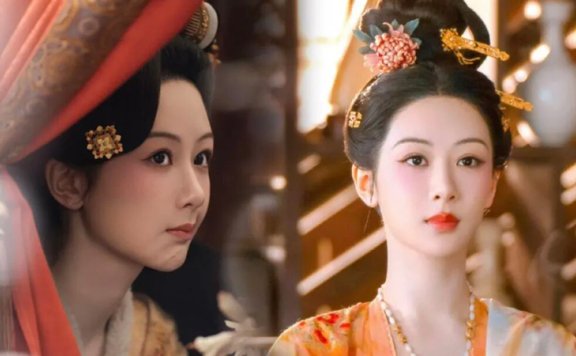
Have you ever been watching a historical Chinese drama and noticed something strange on a character's head? In the series Flourished Peony (国色芳华), the actress Yang Zi, who plays the character He Weifang (何惟芳), is often seen wearing a curious square-shaped hair ornament. It looks so modern and geometric that viewers might mistake it for a pixellated mosaic. This is no costume designer's error, but a revival of an ancient tradition. This distinctive accessory, also spotted on characters of noble birth, is a real historical artifact known as a Sheng (胜). Its journey from a practical tool to a sacred symbol and finally a fashionable hairpin is a fascinating story woven through centuries of Chinese culture. Mythical Origins The story of the Sheng begins not on a dressing table, but in the realm of myth. Its earliest association is with the powerful goddess Xiwangmu (西王母), the Queen Mother of the West. Ancient texts like the Classic of Mountains and Seas (山海经·西山经) describe her appearance: she resembles a human but has a leopard's tail and tiger's teeth, with disheveled hair and a Sheng upon her head. She was a deity who governed celestial punishments and disasters. Later interpretations, however, linked her… -
Song Qian's Ethereal Dress Shines with Ancient Oxalis Knots
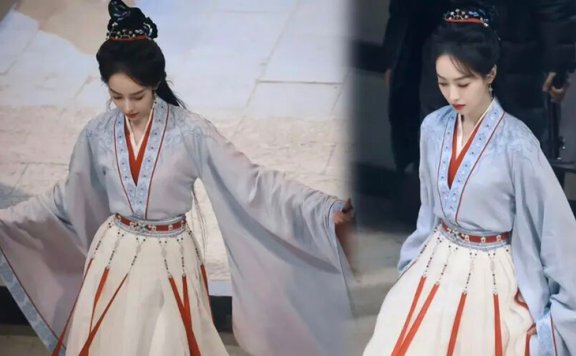
In the captivating world of historical dramas, certain costumes stand out and capture the audience's imagination. One such example is the elegant dress worn by Song Qian (宋茜) in the television series Fight for Love (山河枕), which has garnered attention for its ethereal and fairy-like appearance. Set against a backdrop of ancient China, this attire features a unique decorative element that adds a dynamic flow to the skirt, making it seem almost magical. This accessory, often seen as elongated pendants or knots, plays a crucial role in enhancing the garment's visual appeal. But what exactly is this decoration, and how does it contribute to such a mesmerizing effect? This article delves into the details of this ancient art form, exploring its design, historical context, and the subtle ways it elevates traditional clothing. The Elegant Knot At the heart of this enchanting costume lies a distinctive knot known as the Oxalis Knot. This intricate design typically consists of three or four loops arranged in a pattern reminiscent of a cloverleaf. Crafted from slender silk ribbons, it is often used in combinations, such as double knots, to create a layered effect. When attached to the flowing skirts of characters like those in… -
Ni Hongjie's Conch Crown in Yummy Yummy Yummy?
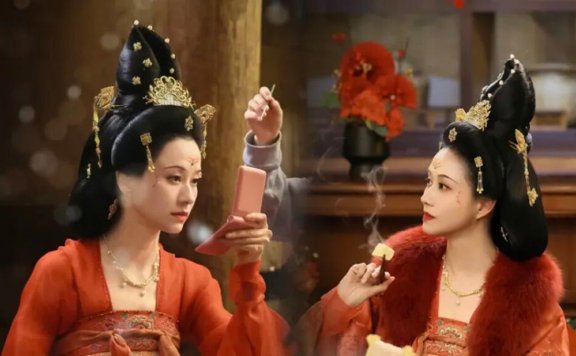
In the historical drama Yummy Yummy Yummy (宴遇永安), actress Ni Hongjie (倪虹洁) portrays a noble princess whose hairstyle has ignited widespread curiosity. Perched high on her head is a spiral-shaped bun that many viewers describe as resembling a conch shell. This distinctive look is not a product of creative fancy but a careful reconstruction of a real historical fashion from the Tang Dynasty. During this golden age, China was a crossroads of cultures, and its fashion scene reflected this vibrant exchange. The princess's striking appearance serves as a gateway into an era where hairstyles were bold statements of identity and cultural fusion, challenging modern perceptions of ancient aesthetics and inviting us to explore the stories woven into every strand. Uyghur Hair Origins The conical hairstyle seen in the drama is known as the Huihu ji (回鹘髻), a term that points directly to its origins with the Uyghur people from China's northwestern regions. During the early Tang period, sustained contact through trade and diplomacy allowed Uyghur customs to filter into central Chinese society. This hairstyle involved gathering hair into a tall, pointed bun that could be worn plain or lavishly decorated. Its dramatic silhouette broke from traditional Han styles, immediately marking… -
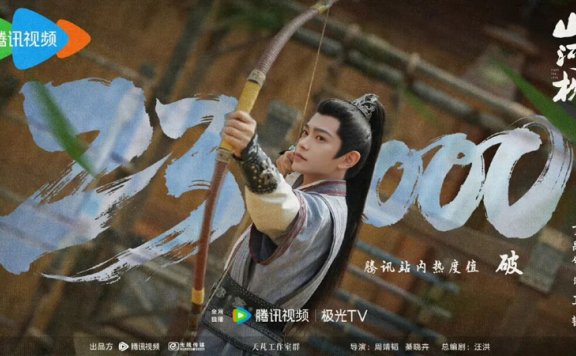
Fight for Love: Weaving Epic Sacrifice with Intimate Dreams
Fight for Love (山河枕) has quickly drawn viewers in with its compelling start. This series mixes historical settings with personal struggles, offering a fresh perspective. At its core is Wei Yun (卫韫), a character whose choices drive the plot forward with intensity and emotion. Many appreciate how it moves away from predictable patterns, focusing on genuine moments and swift action. Airing on Zhejiang Video and reaching international audiences, it connects people through shared stories. Its growing popularity on platforms like Tencent Video reflects broad engagement. Fans often mention how each episode builds excitement, leaving them eager for more. For anyone seeking a drama that balances depth with entertainment, this one stands out as a top pick. 1. Excels in Pattern and Conception The screen flickers to life, not with the usual pomp of courtly intrigue, but with the grim reality of dust and determination. A family gathers, not for a celebration, but for a departure. This is the initial pull of the television narrative Fight for Love, a story that immediately distinguishes itself by framing its central conflict not within palace walls, but at the fragile border where a nation's security meets a family's survival. It bypasses lengthy exposition, choosing… -
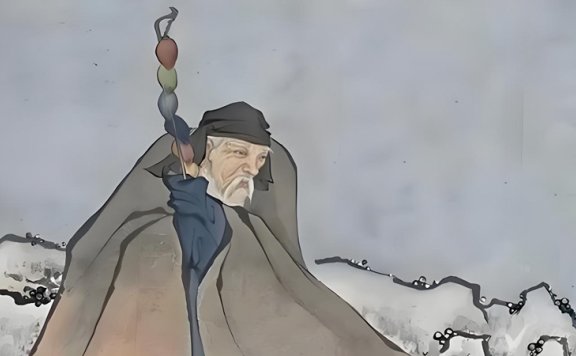
How Did Ancient Chinese Brave the Cold Winters in Style?
As temperatures drop, modern minds might wonder how people in ancient China managed to stay warm without today's advanced materials. Long before down jackets and thermal wear, they developed ingenious clothing solutions that evolved over millennia. From the earliest use of animal hides to the sophisticated integration of silk and even paper, these garments were not just functional but also reflected social status and cultural values. Each dynasty introduced its own innovations, turning winter wear into a fascinating aspect of historical life. This journey through time reveals how creativity and resourcefulness helped generations withstand the chill, with styles that ranged from luxurious furs to lightweight yet warm layers. By examining these ancient practices, we gain insight into a world where fashion and necessity intertwined seamlessly. Fur and Leather In ancient China, animal skins served as the primary defense against the cold, dating back to prehistoric times. Early humans relied on hides from hunted game, which provided basic insulation. As societies advanced, these evolved into more refined Qiu (裘), or fur garments, particularly during the Spring and Autumn period. These items became symbols of wealth and power, with nobility often sporting furs from foxes, leopards, and lambs. Classics like the Book… -
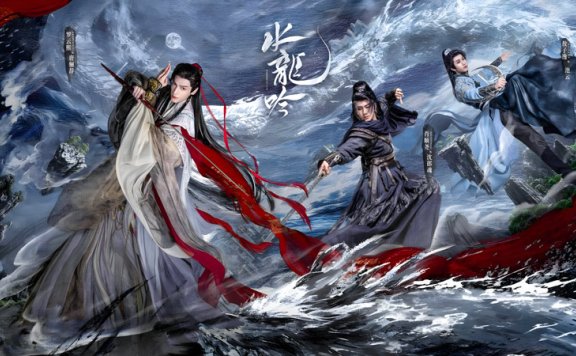
How Whispers of Fate Weaves Heritage into Its Visual Storytelling
I just finished the opening episodes of Whispers of Fate (水龙吟), and the experience left me eager to discuss it with others. The protagonist, played by Luo Yunxi (罗云熙), stands out as a compelling figure who draws viewers into the story effortlessly. From the outset, the narrative flows smoothly, avoiding any sluggish moments that might lose the audience's interest. Characters are fleshed out with depth, making each interaction feel genuine and engaging. Visually, the scenes are crafted with such care that they could easily serve as stunning backgrounds for any device. Before diving in, I had reservations given the extensive promotions, but those worries dissolved quickly. The team behind this project has delivered something that resonates on multiple levels, blending action and emotion seamlessly. Platforms like Migu Video (咪咕视频) have thrown their weight behind the release, creating buzz through innovative campaigns. This support has amplified its reach, drawing in viewers who might otherwise overlook such offerings. What sets this series apart is how it balances intensity with subtlety, allowing moments to breathe without unnecessary embellishment. He brings a nuanced performance that anchors the entire plot, making it easy to invest in his journey. In an era where content can feel… -
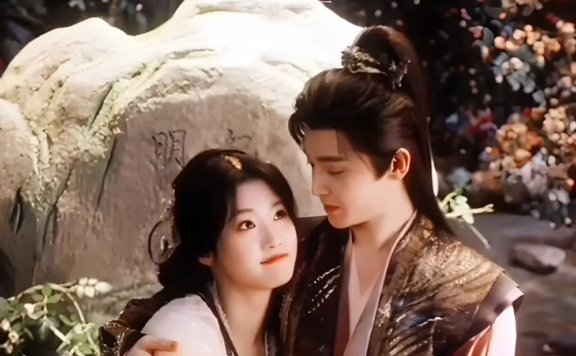
Exploring the Final Outcomes of Love in the Clouds
Viewing the final episode of Love in the Clouds (入青云) stirred deep reflections. Its narrative concluded as the He Xu Liu Jing (合虚六境) threat faded, leaving characters to navigate vastly different outcomes—some discovered joy, while others met sorrow or renewal. This blend of resolutions prompted both laughter and tears, mirroring life's unpredictable turns. Amid a bustling period with shows such as Fated Hearts (一笑随歌) and Yummy Yummy Yummy (宴遇永安), this series carved a distinct path. Its leap to second place in ratings underscored a narrative that felt genuine, sidestepping clichés to connect with audiences through relatable emotions and imaginative settings. The drama's strength lies in its subtle portrayal of personal struggles within a mythical framework, making each moment resonate. It proves that compelling storytelling need not shout to be heard. 1. The Final Chapter: Love and Sacrifice In a realm where power and passion collide, the conclusions of its central figures reveal profound truths about choice and consequence. Ming Yi (明意), once a revered warrior, and Ji Bozai (纪伯宰), a man shaped by vengeance, find their paths intertwined in a dance of destiny. Their journey from conflict to unity highlights the delicate balance between personal desires and greater responsibilities. Through… -
Why Does the Ending of Love in the Clouds Disappoint Viewers?
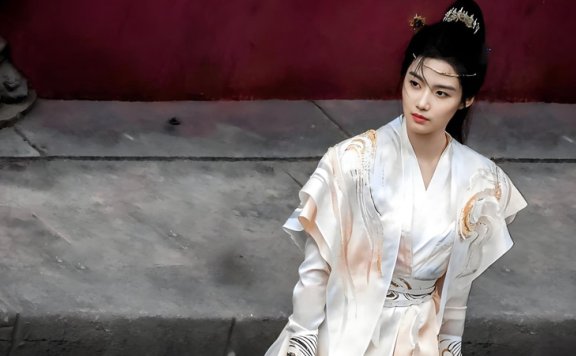
Why did the fantasy drama Love in the Clouds (入青云) leave viewers feeling underwhelmed despite its promising start? Many fans expected a gripping tale of power and revenge set in the mystical realms of Xianxia, where characters navigate complex moral dilemmas. Instead, the series stumbled into common traps that plague modern Chinese fantasy television. From inconsistent character motivations to overused narrative devices, the show's flaws highlight broader issues in the genre. This critique delves into why even visually stunning productions can fail to resonate when core storytelling elements are neglected. Flawed Protagonists Ji Bozai's (纪伯宰) quest for vengeance against his master's murderer should have been a compelling drive, yet his insistence on lawful justice in a world ruled by hierarchy felt out of place. He pursued evidence and public trials as if living in a modern society, ignoring the brutal realities of his environment. This inconsistency undermined his credibility, making his actions seem naive rather than noble. Similarly, Mu Qibai's (沐齐柏) obsession with strengthening the empire led him into pointless conflicts with rivals like the Tianji (天玑) Princess and Ji Bozai. Instead of consolidating power efficiently, he wasted energy on petty squabbles, diluting his menacing potential. The dynamic between these… -
What Secrets Lie in the Lipstick Styles of The Tale of Yingying?
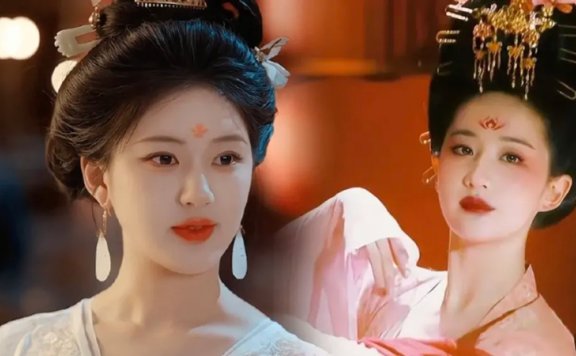
In a world where bold, full lips often dominate beauty trends, the ancient Chinese approach to lipstick offers a surprising contrast. For centuries, Chinese cosmetics emphasized subtlety and precision, with lip colors designed to enhance natural features rather than overwhelm them. This philosophy dates back over two millennia, evolving through dynasties like the Tang, where lipstick became both an art form and a cultural symbol. Unlike Western styles that prioritize volume, Chinese traditions focused on delicate shapes and a rich palette of hues, each with its own story. From romantic exchanges in classical literature to economic insights, lipstick in China has always been more than mere decoration—it's a window into societal values and personal expression. Ancient Beginnings The origins of Chinese lipstick trace to the Warring States period, where early forms were derived from natural sources. Yan Zhi (燕支), as it was known, started as a plant-based product made from the juice of red and blue flowers, often mixed into pastes. Historical texts like Essential Techniques for the Welfare of the People (齐民要术) detail recipes blending ingredients such as cloves and animal fats with pigments like cinnabar. This innovative use of organic materials allowed for versatile applications, where the same… -

What Secrets Does a 1600-Year-Old Northern Wei Dynasty Earring Hold?
In the quiet halls of the Datong Museum (大同博物馆), a pair of earrings whispers tales from a millennium ago. Crafted during the Northern Wei Dynasty, these ornaments are more than mere jewelry; they are portals to an era of vibrant cultural exchange. Discovered in a tomb along Heng'an Street, the earrings feature intricate designs that blend local artistry with distant influences. Their modern appeal is startling, with clasp mechanisms and elegant chains that mirror contemporary fashion. Yet, they hail from a time when the Silk Road connected empires, and craftsmanship was a language of power and identity. This piece, attributed to a woman named Han Farong, encapsulates a story of fusion and elegance, waiting to be unraveled. Artisan Craftsmanship The earring's design begins with the Linked Bead Pattern, a motif of small, connected circles symbolizing celestial bodies and divine authority. Skilled artisans carved this into the gold ring, framing two dragons that coil around a central lotus. Within the lotus, a serene human face peers out, a detail that merges spiritual symbolism with artistic grace. Below, teardrop-shaped gems—agate, turquoise, and pearls—dangle from finely worked gold settings. Each element, from the millet-grain textures to the circular turquoise mounts, showcases a hands-on… -
Dong Jie's U-Pins Reveal About Ancient Chinese Fashion
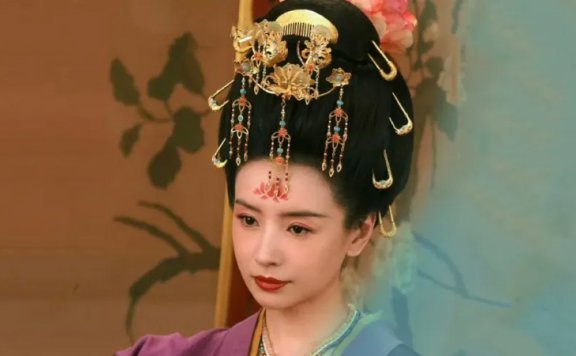
In a recent television series, actress Dong Jie (董洁) sparked curiosity with her striking hairstyle, adorned with oversized U-shaped hairpins that echo ancient traditions. This visual choice isn't just a random aesthetic; it taps into a rich history of hair accessories from dynasties like Wei, Jin, Tang, and Song. As viewers marvel at how these simple pins transform her look, they uncover a narrative where functionality meets artistry. This article delves into the evolution of these hairpins, their cultural roots, and how they bridge past and present in modern storytelling. Ancient Origins Long before modern beauty tools, ancient China developed the Zhegu Chai (折股钗), a hairpin resembling today's U-pins. Used from the Wei-Jin periods through the Tang and Song dynasties, it served to secure buns and style hair. The term "Zhegu" refers to its prongs—single for a hairpin, double for a Chai, akin to a fork. Early versions were crafted from bone or jade, but as metalworking advanced, gold, silver, and copper became common. These initial designs were minimalist, with smooth surfaces and no elaborate decorations, prioritizing practicality over ornamentation. Over time, the Zhegu Chai evolved to include intricate patterns and three-dimensional shapes. Artisans employed techniques like Leisi (累丝), where… -
The Reason Behind Loose Hair in Ancient-Style TV Series
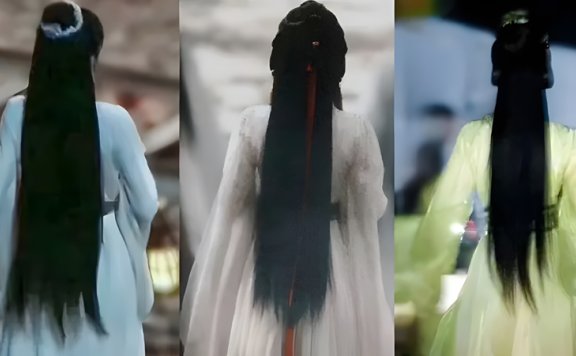
Why do so many historical dramas get the hairstyles completely wrong? Viewers often see characters with long, flowing locks in settings where this would have been historically inaccurate. From palace halls to battlefields, loose hair dominates the screen, creating a visually striking but historically questionable aesthetic. This stylistic choice raises questions about the balance between creative freedom and cultural authenticity in period storytelling. Hair and Adulthood In traditional Chinese society, hair management marked the transition to adulthood. When young men reached twenty years, they participated in the Guan Li (冠礼), a ceremony where they received their first adult hairpiece. Women underwent a similar ritual called the Ji Li (笄礼) at fifteen. During this ceremony, family members would gather to twist her hair into a mature style secured with hairpins. This transformation signaled her readiness for marriage and adult responsibilities. These ceremonies carried deep social meaning. A person's hairstyle communicated their understanding of social order and personal discipline. The famous saying from The Analects about being "left with disheveled hair and folded garments" illustrated how hairstyles distinguished civilized society from what was perceived as barbaric cultures. Maintaining proper hair arrangements demonstrated respect for the community's values. Contrary to what many television… -
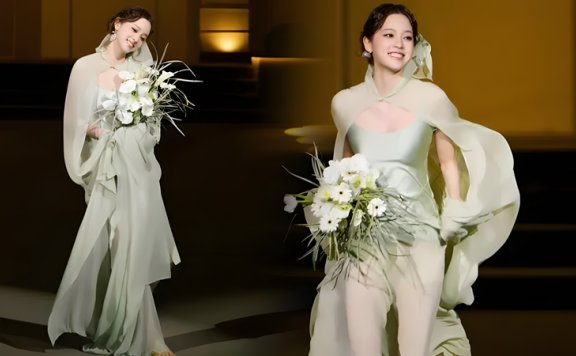
Ouyang Nana: How Did the Cloak Conquer Fashion?
At a recent glamorous event, the young musician and actress Ouyang Nana (欧阳娜娜) made a striking departure from the sea of strapless gowns. She opted for an elegant ensemble featuring a cloak, a choice that was both seasonally appropriate and visually captivating. This look, celebrated by fans online, sparks a simple question. How did this ancient garment transition from pure practicality to a timeless fashion statement? The answer lies in a journey that spans centuries and continents, revealing a story of adaptation and enduring style. Ancient Beginnings The cloak's origin is rooted in universal human need. Across different civilizations, people developed simple, oversized garments to shield themselves from harsh weather. The earliest versions were essentially large pieces of material, sometimes with a tie, designed to be draped over the body. Their primary function was straightforward: to block rain and retain warmth. In ancient China, one of the earliest forms was the Suo Yi (蓑衣), a cloak woven from grass or straw. These early designs often separated the hood from the main garment. This separation was a practical consideration, allowing for versatile use. The core design principle was efficiency. For rainwear, the sloped shape allowed water to run off easily. For… -
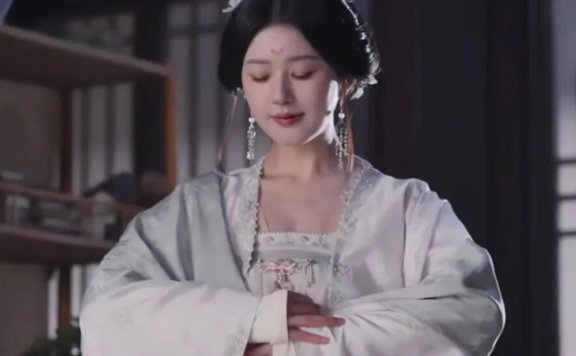
How Traditional Chinese Fashion Champions Comfort Without Tight Fits
In today's fashion landscape, where body-hugging outfits and defined waistlines dominate, many people feel pressured to conform to restrictive clothing standards. Traditional Chinese attire, however, offers a refreshing alternative by prioritizing natural movement and ease over constriction. Rooted in historical practices, this approach uses intelligent design principles to ensure garments adapt to the wearer, not the other way around. By exploring concepts like added fabric space and fluid silhouettes, we can uncover a philosophy that values comfort and elegance equally. This perspective challenges modern norms and invites us to rethink how clothing should make us feel—empowered, comfortable, and authentically ourselves. As we delve into specific elements, it becomes clear that this isn't just about aesthetics; it's about fostering a healthier relationship with what we wear every day. The Fangliang Principle At the core of traditional Chinese clothing is Fangliang (放量), which involves intentionally adding extra space to garments beyond basic body measurements. This design choice ensures that clothes move with the wearer, allowing for a full range of motion without sacrificing style. For example, sleeves are often extended by at least 10 centimeters past the fingertips, enabling them to drape gracefully or cover hands during formal occasions. This not only… -
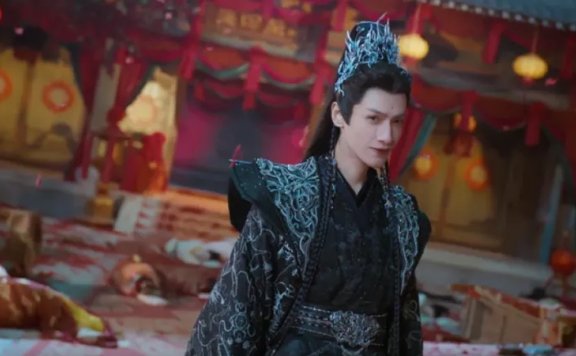
Exploring Tang Lici’s Quest and Fractured Bonds in Whispers of Fate
Is Whispers of Fate (水龙吟) The Next Big Thing in Wuxia Television? After its highly anticipated premiere, this new series is already generating significant buzz. Unlike typical martial arts stories, it introduces audiences to a world where Jianghu is intertwined with mystical elements, creating a unique Xianxia narrative. The story pulls viewers into a complex web of mystery from the very first scene, focusing on the enigmatic protagonist Tang Lici (唐俪辞) as he navigates a landscape of framed crimes and personal vendettas. This is not merely a detective story set in ancient times; it is a deep exploration of human relationships, causality, and the blurred lines between good and evil. A Mysterious Premise The series opens with a visually striking sequence reminiscent of Chinese gothic horror. Under a full moon, a palanquin carried by masked figures glides through the night. The mysterious passenger within is revealed to have a strikingly androgynous face. This palanquin descends upon a bustling marquis's estate, where a wedding celebration is underway. The old marquis is marrying a young woman named A Shei (阿谁), who sold herself into the marriage to bury her father. The festive atmosphere is shattered when the haunting sound of a Pipa… -
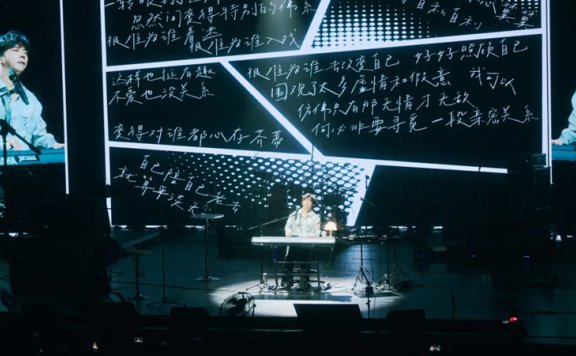
Hu Haiquan's Wanderer's Canteen in Quanzhou Grand Theatre
Have you ever been walking down a busy street when a familiar melody suddenly drifted from a nearby shop, stopping you in your tracks? That unexpected encounter with an old song can feel like meeting a long-lost friend—someone who knows your secrets and shares your memories. For many, the music of Hu Haiquan (胡海泉) represents exactly that kind of timeless connection. His voice has accompanied countless listeners through their youthful days and adult years, creating a soundtrack for entire generations. On October 25, 2025, this musical journey continues as he brings his Wanderer's Canteen (流浪者食堂) concert to the Quanzhou Grand Theatre. This isn't just another performance; it's an invitation to revisit cherished moments and discover new ones, all through the universal language of music that speaks directly to the heart. Performance Time: Saturday, October 25th, 2025 at 19:30 Venue: Quanzhou Grand Theatre Musical Kitchen Imagine a place where the day's weariness melts away under the glow of stage lights, and every note serves as a warm meal for the soul. This is the essence of Wanderer's Canteen, where Hu Haiquan transforms the theater into a communal space for all who feel adrift in modern life. The concept redefines what a… -
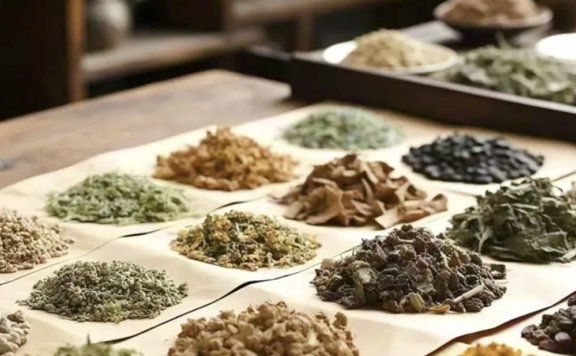
How DIY Chinese Herb Crafts Boost Daily Wellness & Style
In an era where self-care and mindfulness dominate lifestyle trends, traditional Chinese herbs are shedding their image as mere medicinal ingredients. They are now stepping into the spotlight as central elements in do-it-yourself projects that merge nature, art, and personal well-being. This movement goes beyond simple crafting; it represents a creative fusion where ancient botanical wisdom meets contemporary design. People are discovering that herbs like Bajiao (八角) and Hongdou (红豆) can be transformed into beautiful, functional items for everyday use. By engaging in these hands-on activities, individuals connect with nature in a tactile way, turning health rituals into expressive, sensory experiences. This approach not only promotes relaxation but also invites a deeper appreciation for the textures and scents of natural materials, making wellness an integral part of daily life without the need for complex routines. Herbal Jewelry Imagine carrying the essence of a lush garden with you wherever you go. Herbal jewelry makes this possible by incorporating dried Chinese herbs into accessories like necklaces, bracelets, and earrings. For instance, the star-shaped Bajiao adds a geometric touch, while the vibrant red Hongdou serves as a natural bead. These pieces are often combined with simple materials such as hemp cord or wooden… -
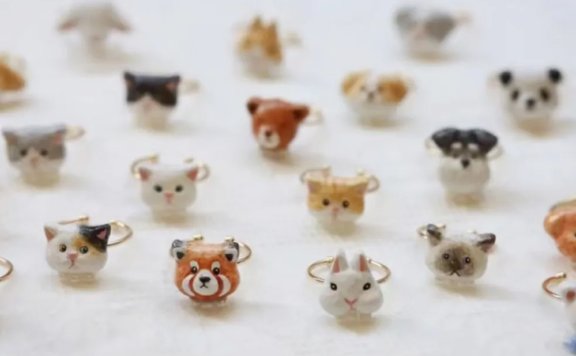
DIY Pet Craft Championship: Vote for Cutest Handmade Buddy!
The number of pets in households is soaring, with nearly 200 million companion animals, primarily dogs and cats, becoming integral parts of families. This surge has ignited a passion for creating personalized items, leading many to explore do-it-yourself projects. Instead of solely purchasing mass-produced products, owners are crafting unique accessories and decor that reflect their pets' personalities. This movement blends creativity with practicality, offering a special way to celebrate the bond between humans and their animal friends. The following sections delve into popular methods, showcasing how simple materials can be transformed into cherished keepsakes or functional gadgets. Simple Soft Crafts Wool felting stands out as a favorite for its fluffy texture that mimics a pet's fur. Crafters often shape it into pendants, keychains, or brooches, resulting in lightweight items that are easy to carry around. What makes this technique particularly meaningful is the option to incorporate a pet's own shed hairs, adding a personal touch. The process involves needle-felting or wet-felting to compact the fibers into durable forms. Beginners find it accessible due to the minimal tools required—just wool, needles, and a foam pad. With practice, these creations can capture adorable likenesses, making them perfect gifts or mementos. Another approach… -

What Stories Do These 1920s Chinese Evening Bags Tell?
In the heart of Zhejiang Province Museum, the "Blooming" exhibition presents a captivating array of evening bags that blend Eastern artistry with Western fashion. These pieces, dating from the 16th to the 20th centuries, showcase how Chinese motifs and craftsmanship were integrated into accessories for formal occasions. Unlike typical Western designs, these bags use silk, precious metals, and intricate techniques like Kesi (缂丝) and Luodian (螺钿) to convey cultural narratives. Each item serves as a portable canvas, reflecting societal values and artistic evolution during a period of global exchange. This collection not only highlights aesthetic beauty but also invites viewers to appreciate the deeper meanings woven into every stitch and pattern. Silk Landscapes One standout piece from around 1920 is a light blue silk evening bag adorned with a detailed landscape scene. The primary design features symmetrical vase patterns, symbolizing peace and safety, flanked by peonies, lotuses, and chrysanthemums. These flowers are intertwined with scrolling grass motifs, all executed in the Kesi technique, which involves discontinuous weft threads to create a carved, three-dimensional effect. This method, often described as "an inch of Kesi equals an inch of gold," required immense skill and time, making each bag a unique masterpiece. The… -
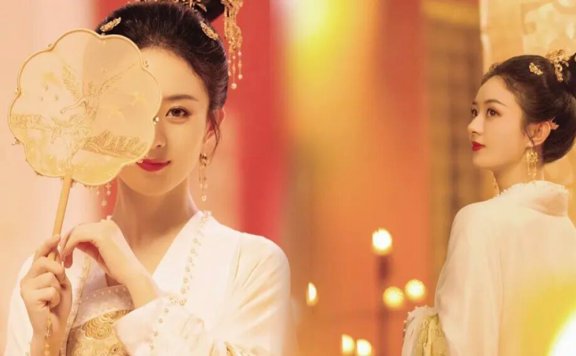
Is Zhao Liying's Tang Dynasty Dress Real?
When Zhao Liying (赵丽颖) shared her recent photoshoot, fans were captivated by a dress that seemed to step out of ancient China. This garment, featuring an outer chest wrap and flowing sleeves, has ignited discussions about its place in history. Often called the Hezi (诃子) skirt today, it blends elegance with mystery, raising questions about its authenticity. As viewers admire its beauty, they wonder if such attire truly existed in the past or if it is a modern reinvention. This article explores the story behind this style, from its debated origins to its role in contemporary fashion, offering insights into how we connect with history through clothing. What is Hezi? The term Hezi refers to a type of chest wrap that forms part of a skirt ensemble, commonly seen in historical-inspired outfits. In modern Hanfu circles, it describes a dress where the chest piece is worn over an inner layer, creating a distinctive look. This design gained popularity through media portrayals, especially in period dramas, where it symbolizes Tang Dynasty aesthetics. However, the name itself is a recent creation, not found in ancient texts, which adds to the confusion. People often associate it with grace and tradition, yet its definition…