Article
搜索结果:
-
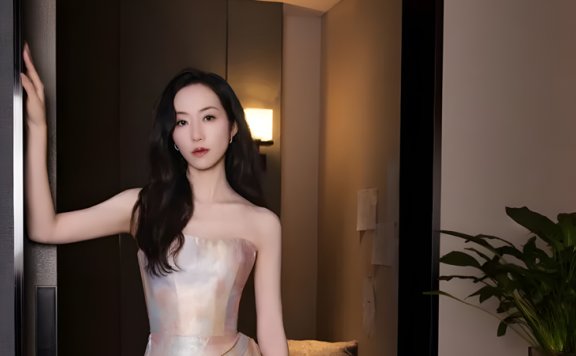
The Art of Han Xue’s Iconic Mermaid Gown Look
Han Xue (韩雪) has done it again. The internet is collectively catching its breath over her latest appearance, where she stepped out in a mesmerizing iridescent mermaid gown. It is the kind of visual that stops you mid-scroll, a perfect blend of fairytale fantasy and red-carpet reality. The question on everyone's mind is simple: has she just redefined the ceiling for elegant dressing? This article breaks down the stunning look, the public's reaction, and the philosophy behind an actress who has mastered the art of presence. A Gown Woven from Twilight The centerpiece of this unforgettable look is, without a doubt, the dress. It is a strapless mermaid gown that seems to capture light and transform it. The fabric, a special pearlescent material, shifts between shades of pink and purple, creating a rainbow effect that one observer poetically described as looking like twilight woven into silk. It is not just a color; it is an atmosphere. The choice of this Ren Yu Ji (人鱼姬), or "mermaid princess," material is a bold one—it can easily look cheap or costume-like—but on her, it radiates a high-end, almost otherworldly glow. The cut of the gown is equally deliberate. The strapless design cleanly showcases… -
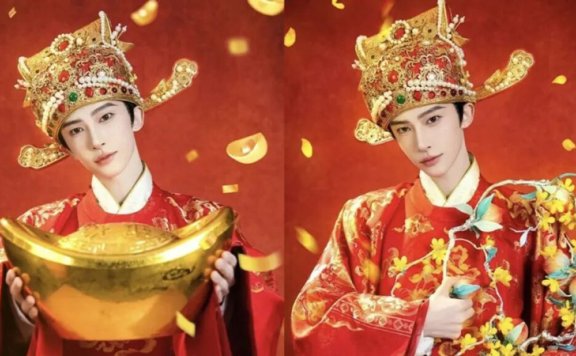
Liu Yu's Cai Shen Outfit on Spring Festival Gala
When Liu Yu (刘宇) appeared on Henan (河南) Satellite TV's Spring Festival Gala dressed as Cai Shen (财神), the God of Wealth, social media lit up. It wasn't just his performance that caught the eye, but the outfit itself. With a glittering hat adorned with golden coins, a vibrant red round-collared robe, and a gleaming gold ingot in hand, the look was unmistakable. This costume raises a fascinating question: Where did this instantly recognizable image of the God of Wealth come from? It's a uniform look we see on TV, in folk art, and on New Year paintings. Yet, a deep dive into history reveals this "classic" look is a relatively modern invention, shaped by centuries of artistic imagination and theatrical flair. Gods Dressed by Imagination To understand the God of Wealth's hat, one must look at ancient religious art. The signature hat isn't a historical official's cap but a creative evolution of the Ming-style Fu Tou (幞头) headwear. In Yuan and Ming dynasty religious paintings like the famous Court Procession (朝元图), artists depicted deities in spectacular, otherworldly attire. While they borrowed elements from real-life clothing, they amplified them with imaginative details. These paintings show gods wearing crowns adorned with… -
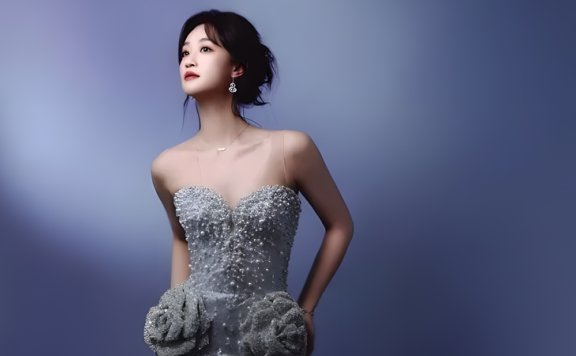
Lan Yingying Shines Like the Milky Way in a Silver-Gray Gown
Is Lan Yingying (蓝盈莹) Wearing the Milky Way? The Silver-Gray Silhouette That Just Redefined Red Carpet Glamour. When Lan Yingying stepped onto the red carpet, the usual flash of cameras seemed to dim, replaced by a soft, celestial glow emanating from her gown. In an instant, she was no longer just an actress attending an event; she was a narrative, a visual poem pulled directly from the cosmos. Clad in a silver-gray mermaid dress, she didn't just wear a garment; she embodied a concept—the ethereal beauty of a galaxy spun into fabric. It was a moment that transcended mere fashion, sparking immediate awe and a flurry of admiration from fans and critics alike. The look was a masterclass in balance, merging the cool precision of haute couture with the organic allure of starlight, and it firmly established her as a visionary force on the style scene. Stitched in Starlight The genius of the ensemble lay in its intricate details, each element working in harmony to create an unforgettable whole. The sweetheart neckline was a deliberate, artful choice, framing her delicate collarbone and the elegant curve of her shoulders with a precision that felt both modern and timeless. It wasn't just… -
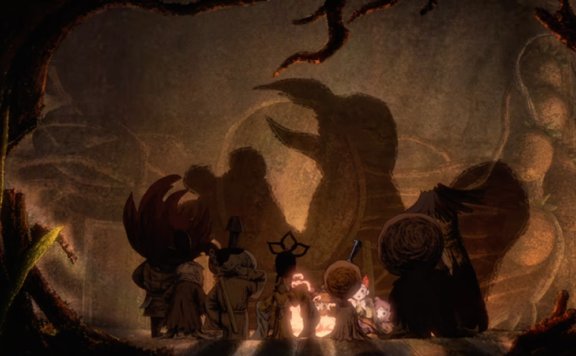
The Great Bird: Guarding Innocence in the Gloom of a War-Torn World
What does it mean to hold onto innocence in a world designed to crush it? The animated short The Great Bird, part of the acclaimed anthology Yao-Chinese Folktales 2 (中国奇谭2), offers no easy answers. Directed by Du Pengpeng (杜鹏鹏), this piece stands apart. It is not a comforting, warm tale of Guochao (国潮) aesthetics, but rather a somber, magical-realist fable wrapped in the visual language of traditional Chinese art. Set against the backdrop of a war-torn, occupied region known as Zenan (泽南), the story follows two marginalized souls. Their struggle is not for glory, but for the preservation of a fragile, personal light in overwhelming darkness. Without resorting to sentimentality, every frame of this film conveys a profound, aching melancholy that lingers long after the screen goes dark. Two Souls, One Refuge The film's heart lies in the quiet, desperate guardianship between a young girl, Zhen'er (珍儿), and an older man, Bao Shan (保山). Orphaned and marked by a facial birthmark, Zhen'er lives a meager existence with only two ducks for company. Her sole purpose is collecting duck feathers, believing they are from a mythical Great Bird whose arrival will end her suffering. Bao Shan, a scarred former soldier with… -
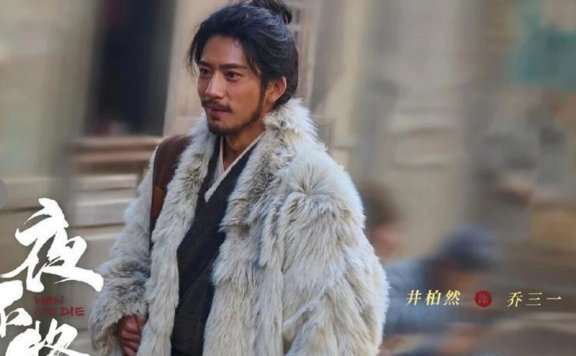
Win or Die Arrives on iQiyi Feb 15
In the vast expanse of China's streaming landscape, where historical dramas often revisit familiar tales of emperors and scholars, a new series is breaking ground by venturing into the shadows of history. Win or Die (夜不收), premiering on iQiyi, dares to spotlight a group so covert that even official records offer only fragmented glimpses. This is not a story of palace intrigue but of survival on the desolate frontier, focusing on the Ming Dynasty's most elusive special forces unit—the Ye Bushou (夜不收), or "Night Raiders." With over 1.2 million advance reservations, the series has ignited fervent anticipation, promising a raw, unflinching look at the forgotten ghosts who guarded the empire's borders. The Ghosts of the Frontier The Ye Bushou operated in the harsh realities following the Tumu (土木) Crisis, a catastrophic military defeat for the Ming. Unlike the iconic Jinyiwei (锦衣卫) with their ornate uniforms and authority, these soldiers were anonymous. Their existence was defined by extreme risk, conducting reconnaissance deep behind enemy lines and carrying critical intelligence across lethal terrain. Historical accounts suggest their survival rate was abysmally low, often below ten percent. They were the true, unsung perimeter of the empire, masters of disguise, horsemanship, and archery, whose… -
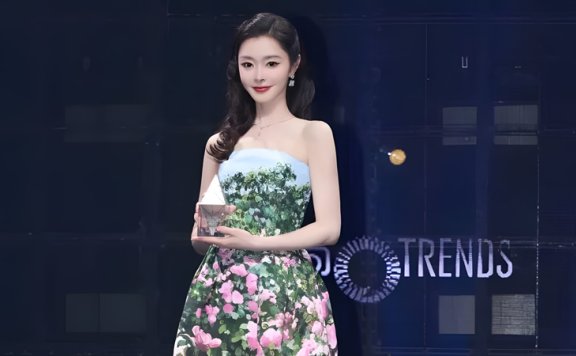
Song Yi Shines in a Peony-Embroidered Bandeau Gown
The recent red carpet event witnessed a moment of pure visual poetry, courtesy of actress Song Yi (宋轶). Her appearance silenced the usual buzz with a breathtaking display of artistry in fashion. She arrived wearing a bandeau gown adorned with blossoming peonies, a vision that seemed to transcend the event itself. The ensemble did not merely clothe her; it transformed the space around her into a living canvas of spring. This was not just a celebrity in a dress, but a deliberate, beautiful statement on the harmonious blend of classical Eastern aesthetics and contemporary design sensibility. In that moment, she became less a star walking a carpet and more an embodiment of a timeless, gentle grace reimagined for the modern eye. The Living Painting The genius of the gown lies in its subtle narrative. The bandeau top features a delicate ombre effect, fading from a soft sky blue. This hue mirrors the gentle expanse of a spring morning, providing a serene backdrop for the gown's true focal point: an exquisite embroidery of pink and white peonies scattered across the skirt. The flowers are rendered with artful precision, neither too dense nor too sparse, evoking a sense of cultivated wildness. The… -
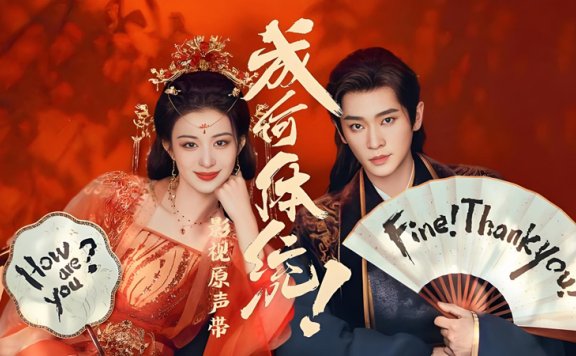
How Dare You Modern Transplants Survive as Ancient Villains
In the crowded landscape of historical dramas, a new contender has shattered expectations with a modern twist. The series How Dare You (成何体统), based on the popular novel by Qi Yingjun (七英俊), has become a viral sensation, not for its lavish costumes or epic battles, but for its hilarious and heartfelt premise. It follows two people from the modern world who find themselves trapped in the roles of villains in a historical romance novel. Their mission isn't to conquer the throne in a typical way, but simply to survive the plot. With over 1.5 million advance reservations on iQiyi and daily topic views soaring past hundreds of millions, the show has turned a phrase once used to scold improper behavior into a badge of honor for a generation of viewers. Modern Struggles, Ancient Setting Wang Cuihua (王翠花), a weary office worker in our world, falls asleep reading a sensational novel and wakes up as its most hated character: the scheming concubine Yu Wanyin (庾晚音), destined for a gruesome death. Panicked and aware of the story's ending, she adopts a strategy of sheer survival, hoping to lie low. However, the palace is a dangerous workplace. Her plans are upended when she… -
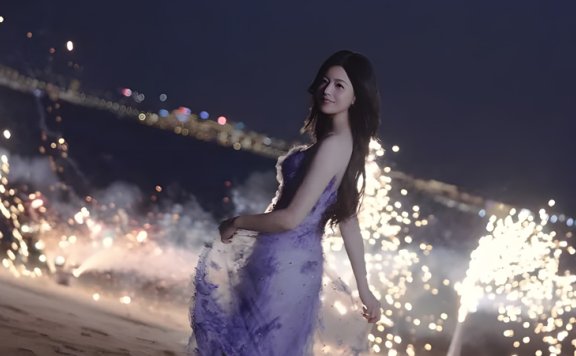
Chen Yanxi in a Petal-Adorned Lilac Gown
The glow of camera flashes often illuminates more than just fabric and sequins; it can cast a new light on an entire public persona. When Chen Yanxi (陈妍希) stepped onto the event floor recently, the conversation shifted. Gone were the dated comparisons and past critiques. In their place was a singular, captivating vision: a woman enveloped in the soft, dreamlike haze of pale purple, her gown a blooming garden of delicate petals. This was not merely a red carpet appearance. It was a statement, a quiet but powerful recalibration of her aesthetic identity that resonated far beyond the event's walls. The image of her in that exquisite dress instantly became a focal point, challenging previous narratives and inviting a fresh appreciation for her evolving presence in the public eye. The Vision in Violet The immediate impact of the look was visual and emotional. The gown’s color, a delicate whisper between lilac and heather, possessed an innate serenity. It did not scream for attention but rather emanated a gentle authority. This shade, notoriously difficult to wear, acted as a perfect complement to her complexion, creating a harmonious and luminous effect. The choice felt both modern and timeless, tapping into the season's… -
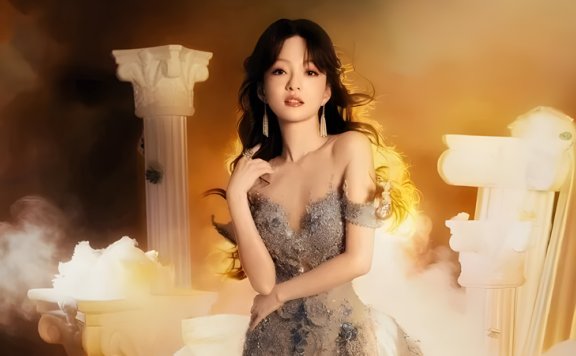
Angela Zhang Dazzles in a Mermaid Gown Adorned
On a recent evening, the familiar glow of camera flashes captured something extraordinary. Taiwanese singer and actress Angela Zhang did not merely arrive at an event; she materialized from a dream. Her appearance in a stunning mermaid gown instantly dominated social media, not just for its beauty but for the powerful statement it made. This was more than a dress; it was a narrative of transformation, proving that captivating style is an art form of presence and proportion, not merely physical stature. The Anatomy of a Dream The gown itself was a masterpiece of textile illusion. Constructed from nude tulle, it was meticulously adorned with a gradient of silver-gray and ice-blue crystals. From a distance, it created the effect of wearing a shimmering galaxy. Up close, the careful placement of each crystal mimicked the play of light on ocean waves, giving the impression of movement even in stillness. Its construction was a study in precision. A sweetheart neckline perfectly framed her shoulders and collarbone, drawing attention upward. The fitted bodice traced her frame seamlessly before the fabric exploded into a soft, ethereal train on one side. This single-sided cascade billowed gently with her every step, adding drama without overwhelming her petite figure.… -
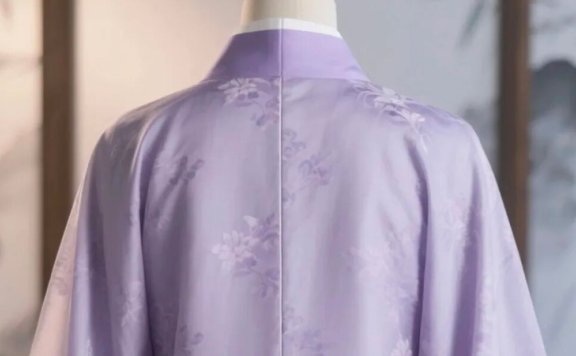
Why Hanfu’s Zhongfeng Endures—Beyond a Simple Stitch
Have you ever noticed the perfectly straight vertical line running down the front and back of traditional Hanfu? This is no mere decorative stitch or accidental wrinkle. In an age of seamless, stretch-knit fabrics, this deliberate opening in the garment tells a story far older than fast fashion, weaving together threads of ancient necessity, structural genius, and profound philosophy. This central seam, or Zhongfeng (中缝), is a signature element, a quiet yet powerful statement embedded in the cloth itself. While its presence is now a defining characteristic, its origins are remarkably humble, born from the simple limitations of the loom. Loom to Line Centuries ago, textile technology set clear boundaries. The width of a single bolt of handwoven cloth was narrow, often just 50 to 60 centimeters. This presented a practical puzzle for tailors: how to create a garment wide enough to comfortably drape the human body. The ingenious solution was both simple and elegant. Two lengths of cloth were joined together along their selvedges, creating a single, wider panel with a seam precisely down the middle. This was the birth of the Zhongfeng, a direct result of material constraints. Yet, what began as a necessity quickly revealed an unexpected… -
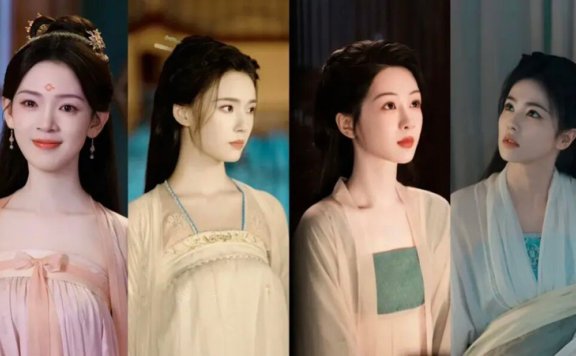
What Did It Really Take to Get Dressed in Imperial China?
Modern mornings are a race against the clock. We grab clothes, zip, button, and dash out the door. For the elite of ancient China, dressing was a deliberate, time-consuming ritual that set the rhythm for the entire day. Far from a simple task, it was a physical undertaking governed by strict rules of propriety, material limitations, and social station. This process, often perceived today as impossibly cumbersome, reveals a world where clothing was not just covering but a complex language of identity and status. The Principle of Layers The foundation of traditional dress was a "from the inside out and bottom to top" approach. Each layer had a designated purpose and position. The foundational garment was the Xieyi (亵衣), a simple undergarment akin to modern underwear. Over this, one would don the Zhongyi (中衣) or middle garment, a full-length robe that served as a base layer. The outermost robe completed the essential trio. In colder months, this system expanded dramatically, with quilted jackets and fur-lined cloaks added for warmth, creating a heavy, insulating shell. For daily wear, the number of layers could be relatively modest, similar in count to modern clothing but vastly different in form. A Tang Dynasty woman… -
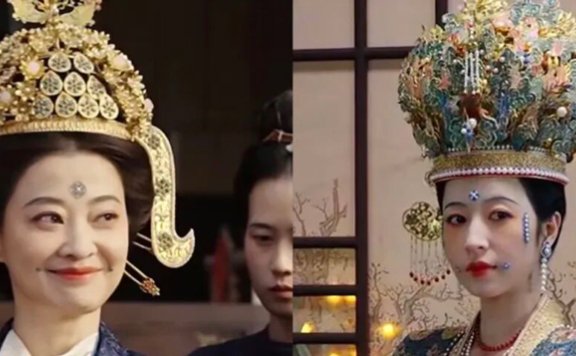
Tang-Song Crowns Collide in Swords into Plowshares
Why do two very different historical crowns keep appearing in the same Chinese dramas? In the recent series Swords into Plowshares (太平年), eagle-eyed viewers noticed the simultaneous presence of two distinct, ornate headdresses for noblewomen. While both are stunning, they hail from different centuries, raising questions about historical timelines and costume design choices in period television. This isn't an isolated case; these crowns have become frequent guests in shows spanning various dynastic settings, from Tang to Song. Their recurring appearance offers a fascinating glimpse into how Chinese television visualizes the past, often prioritizing visual grandeur over strict chronological accuracy. Understanding their real-world origins reveals a rich history of ritual, status, and aesthetic evolution. The Blossoming Headdress The first type, the Flower Hairpin Crown, finds its roots in the Sui and Tang dynasties. It was a formal headdress for noblewomen and high-ranking female officials. This crown is not a single solid piece but a sophisticated assembly. Its core components include a base frame, wing-like Bobin (博鬓) that frame the face, delicate gold floral diadems, and numerous hairpins and "flower trees" adorned with gems and pearls. The number of these floral elements was strictly regulated to indicate the wearer's rank, with an… -
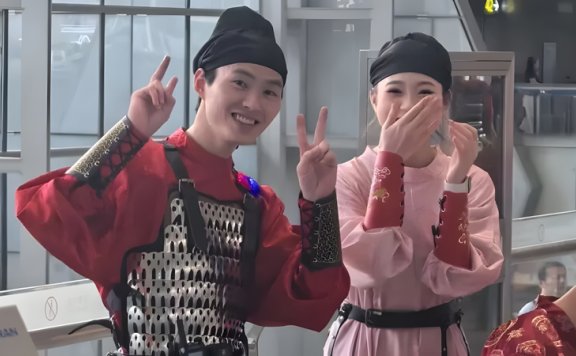
Tang-Song Attire Shines at Guangzhou Baiyun International Airport
Stepping into Guangzhou Baiyun International Airport (广州白云机场) recently, travelers encountered an unexpected sight. Instead of standard-issue uniforms, airport staff were adorned in elegant, flowing robes. Security personnel resembled Tang Dynasty guards, while patrolling staff mirrored Song Dynasty scholars, performing a courteous Chashou Li (叉手礼), a traditional greeting with hands folded before the chest. This wasn't a costume party or a film set; it was a deliberate, immersive cultural initiative. The seamless blend of ancient aesthetics with the ultramodern transit hub created a unique experience, prompting many to double-check they hadn't landed in a historical drama. This bold move sparked immediate online fascination and posed a quiet question: can traditional attire find a genuine place in our contemporary world? A Living Showcase The true impact lay in the meticulous accuracy of the clothing. These were not generic, theatrical "ancient-style" costumes. The security staff wore vermilion Jiaoling Yuanlingpao (交领圆领袍), cross-collared robes, paired with Futou (幞头) headwear and leather belts, directly referencing the attire of the Jinwu (金吾) guards of the Tang era. Their posture was upright and dignified. Similarly, the patrol staff’s simpler Yuanlingpao and Song-style Futou reflected the refined minimalism favored by Song Dynasty literati. Every stitch and fold served as… -
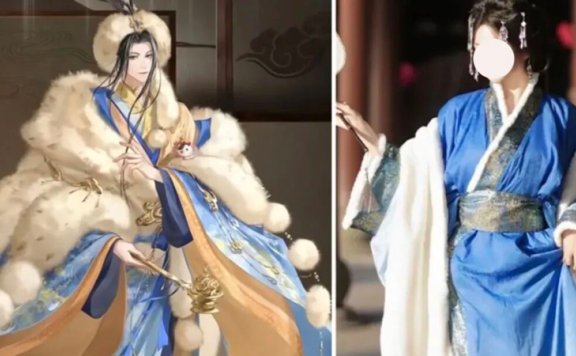
Is Your Hanfu Outfit a Costume or a Cultural Statement?
Scroll through any social media platform today, and you will find videos of people dressed in elegant, flowing Hanfu. Yet, the comments underneath often spark a familiar debate: "Isn't this just cosplay now?" The line between wearing traditional attire and performing a character seems increasingly blurred. From majestic portrayals of Yang Yuhuan (杨玉环) to scholarly impressions of Li Qingzhao (李清照), enthusiasts are using Hanfu to step into the shoes of historical figures. This trend raises questions. Is it a genuine form of cultural appreciation, or merely a pursuit of online popularity? To understand this modern phenomenon, we might look to an unexpected patron from history who mastered the art of symbolic dress-up long before it was a trend. The Emperor's Disguise The idea of adopting another's attire for portrayal is not new. Consider the Qianlong Emperor (乾隆) of the Qing Dynasty. Official portraits show a ruler in majestic regalia, but his private "Hanfu Portrait for Pleasure" paintings reveal a different side. Here, he is depicted not as a Manchu emperor, but as a Han Chinese scholar. He wore loose Daoist robes, posed with antiquities, and embodied the idealized literati. He even dressed in Western clothing for some portraits. His motivations… -
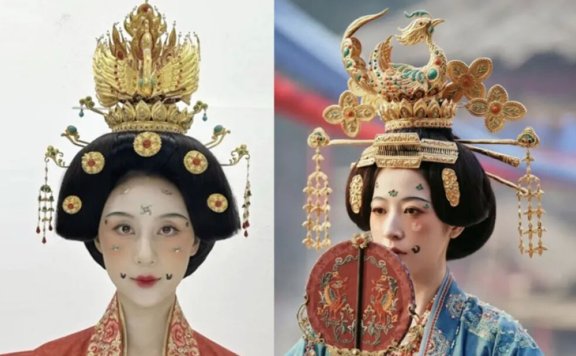
How Swords into Plowshares Gets Traditional Headdress Right
In the historical drama Swords into Plowshares (太平年), viewers were treated to a visual feast of intricate costumes. One detail, in particular, has sparked curiosity: the majestic bird crowns worn by characters He Zhen (贺贞) and Sun Taizhen (孙太真) during their wedding scenes. While both headpieces are stunning, their orientation differs. He Zhen's crown sits perfectly straight and forward-facing, while Sun Taizhen's appears to be worn at a slight angle. This isn't a random stylistic choice or an error, but a deliberate nod to historical accuracy and the deep-seated principles of traditional Chinese adornment. This distinction opens a window into the forgotten rules governing ceremonial dress, where every element carried weight far beyond mere decoration. The Problem with Props The design of these crowns finds its primary inspiration in donor portraits from the Five Dynasties period. A common issue in modern costume design arises when referencing these historical sources. The original portraits often depict figures in profile, making their elaborate headdresses appear sideways due to perspective. Many contemporary designers, however, misinterpret this visual effect and create crowns intended to be worn at an angle. This is a fundamental misunderstanding. The standard and historically correct method was to wear such significant… -
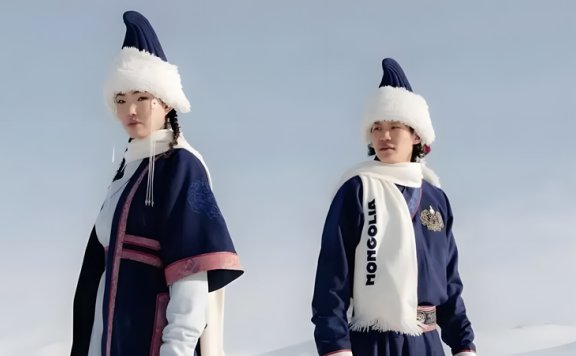
How Mongolia’s Olympic Uniforms Mastered Tradition and Modernity
As the 2026 Winter Olympics approach, a nation’s teamwear has unexpectedly captured global attention. Mongolia’s opening ceremony uniforms, unveiled recently, have sparked widespread admiration and a pointed question: why can their Olympic attire feel so authentic and compelling? The design brilliantly incorporates historical elements from the Yuan dynasty, presenting a sophisticated blend of heritage and contemporary sportswear aesthetics. This move has not only won praise but has also ignited a conversation about cultural identity on the world’s biggest athletic stage. The ensemble moves decisively away from the more common straight-front closure, known as “Changzi Jin,” seen in many modern interpretations. Instead, it revives the crossed-collar, right-over-left closure system, a hallmark of historical Hanfu and Yuan-era Mongolian robes. This is not mere nostalgia. The design choice is deeply functional. The overlapping front panels form a barrier against biting winter winds, a practical adaptation for the steppe’s climate and for the outdoor ceremonies of a Winter Games. The sleeves are tailored to be narrower than traditional Hanfu, facilitating movement and nodding to a history of horsemanship. The fabric itself is a modern technical blend incorporating wool, a textile long central to nomadic life. Design with Purpose The design team’s stated goal was… -
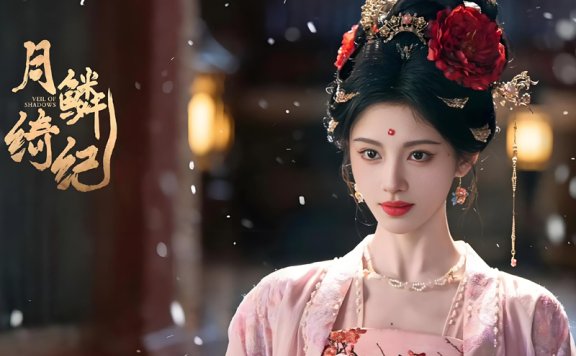
6 Highly-Anticipated Unreleased Dramas in 2026
A new wave is reshaping television landscapes far beyond its origin shores. Across platforms, narratives steeped in intricate political webs, resolute heroines, and reimagined legends are commanding unprecedented attention. These are not mere period pieces but sophisticated tales where personal destiny clashes with the fate of nations, and ancient traditions find new voice. Their staggering pre-release numbers and fervent fan discussions signal a shift in global viewing appetites. The appeal lies in a potent alchemy: the strategic depth of a chess game, the emotional resonance of a character's hard-won growth, and the immersive pull of a meticulously built world. This phenomenon moves past simple entertainment; it offers a window into narrative frameworks where honor, strategy, and sacrifice are examined with fresh intensity. As audiences worldwide seek substance alongside spectacle, these stories deliver complex plots and compelling relationships. Mo Li (莫离) The series Mo Li immediately presents a compelling deceit. Adapted from the novel Sheng Shi Di Fei (盛世嫡妃), it follows Ye Li (叶璃), a modern special forces soldier reborn into the body of a seemingly gentle but actually disgraced noblewoman. Her assigned marriage partner is the Dingwang (定王), Mo Xiuyao (墨修尧), publicly dismissed as a disabled and ineffectual prince. This… -
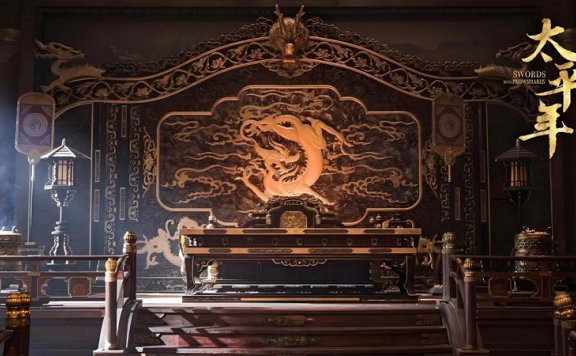
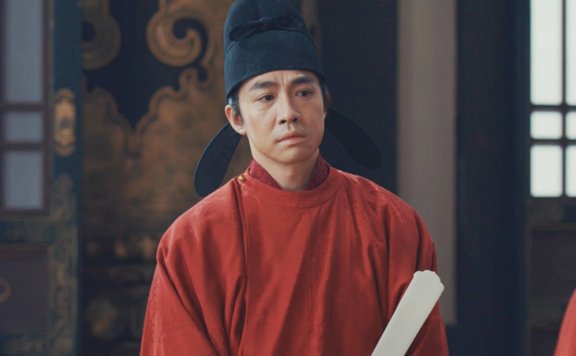
10 Standout Actors Who Shine in Swords into Plowshares
Historical dramas often live or die by the strength of their performances. When the backdrop is a chaotic period like the Five Dynasties and Ten Kingdoms, the task for an actor becomes not just to portray a person, but to embody an entire philosophy of survival. The series Swords into Plowshares (太平年) offers a masterclass in this regard, presenting characters who navigate treacherous political waters with a subtlety that demands equally nuanced acting. The most compelling figures are not those who shout the loudest, but those whose power resides in a glance, a hesitation, or a calculated silence. Dong Yong (董勇): The Still Center of the Storm As the legendary minister Feng Dao (冯道), whose service spanned four dynasties, Dong Yong delivers what may be the series' definitive performance. His achievement lies in conveying immense political weight through profound restraint. Feng Dao is a man for whom every word and gesture is a carefully weighed transaction. In one early scene, as the emperor prepares to reprimand a general, Feng Dao clears his throat. It is a simple, bodily sound, yet in Dong Yong’s execution, it becomes a full statement. The glance that accompanies it holds warning, counsel, and an inscrutable… -
Swords into Plowshares: The Irreplaceable Youthful Spirit
What makes us hold fast to our beliefs when the world seems to demand we let them go? The historical drama Swords into Plowshares (太平年) offers no easy answers, but instead immerses viewers in the turbulent final days of a fictional dynasty. Through the eyes of its young nobles-turned-soldiers, the series poses difficult questions about sacrifice, duty, and the cost of integrity. It is not the intricate political machinations or grand battle scenes that resonate most deeply, but rather the persistent, flickering flame of idealism within the characters—a quality that feels both achingly familiar and tragically distant to the modern viewer. This intangible spirit, this youthful refusal to accept a compromised world, forms the heart of the narrative. As the walls of the capital strain under siege and loyalties are tested, the story becomes less about saving an empire and more about what one chooses to preserve within oneself. The Last Day of Xiaosui (小岁) The chill of a winter siege grips the capital. Three young men, Jiu Lang (九郎), Da Lang (大郎), and Guo Rong (郭荣), find a moment of respite. Exhausted yet defiant, they warm themselves with wine. The night marks Xiaosui, an ancient tradition where one speaks… -
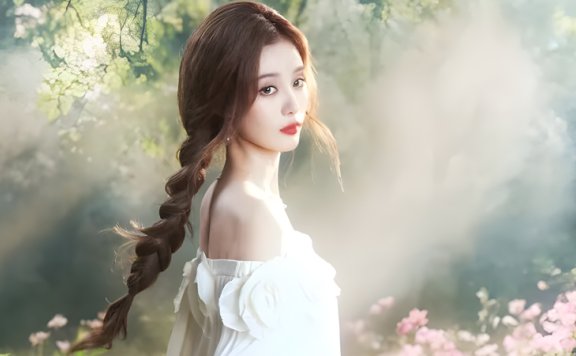
How Xu Yiyang's Forest Spirit Photoshoot Became a Modern Fairytale
The internet recently paused to admire a series of images featuring singer and actress Xu Yiyang (徐艺洋). More than just photographs, they presented a vision: a contemporary nymph seamlessly woven into a sun-dappled woodland scene. This photoshoot transcended typical celebrity glamour, capturing instead a specific, coveted mood—a blend of ethereal grace and natural, untouched beauty that resonated deeply with audiences. It felt like stumbling upon a hidden chapter of a modern fairytale. The Look Central to the visual narrative was an off-the-shoulder gown in a soft, creamy shade. Its construction was key to the fantasy. Layers of delicate tulle formed a skirt that seemed to float with every imagined breeze, while the bodice featured subtle floral embellishments and fine pleating. This careful texture avoided appearing overly ornate, instead suggesting the organic intricacy of nature itself. The neckline gracefully framed her shoulders, combining a hint of romance with an air of lightness, perfectly supported by puff sleeves that balanced playfulness with elegance. The styling extended beyond the dress. Her hair was arranged in a half-up style, with braids loosely woven and small blossoms tucked gently into the strands. This wasn't a stiff, formal updo but something deliberately soft and effortless, as…