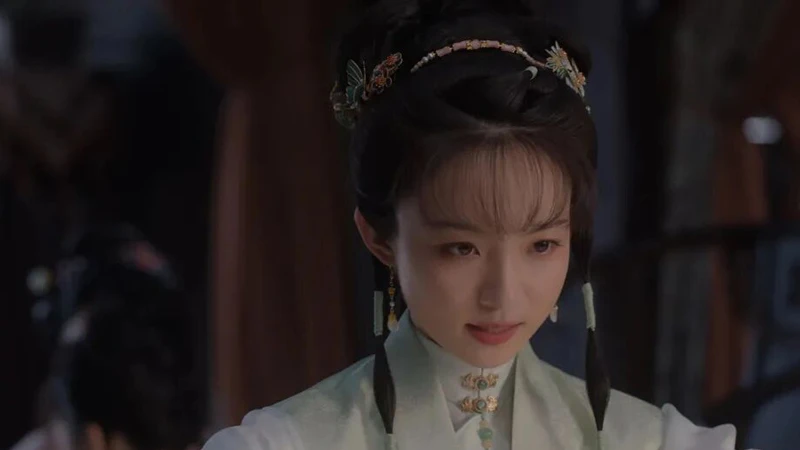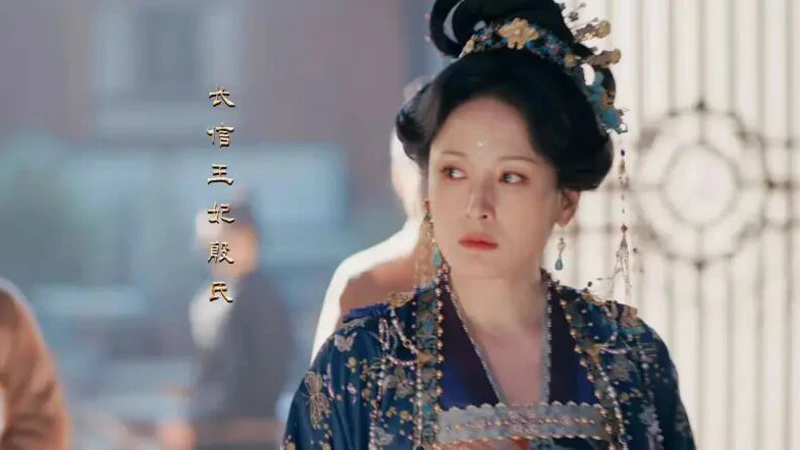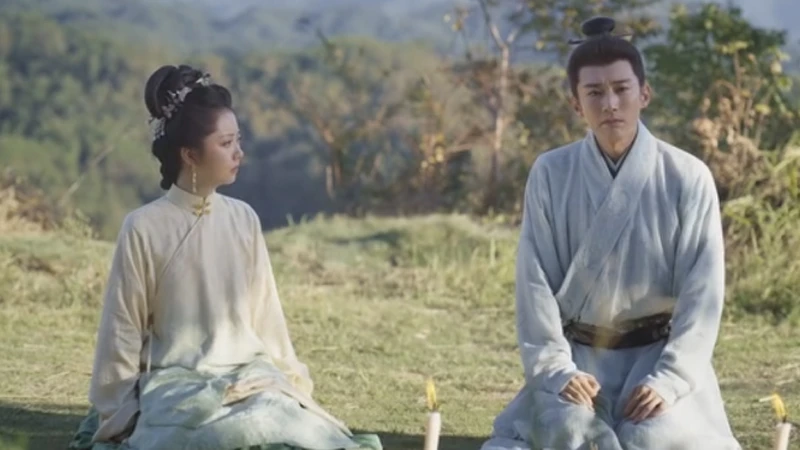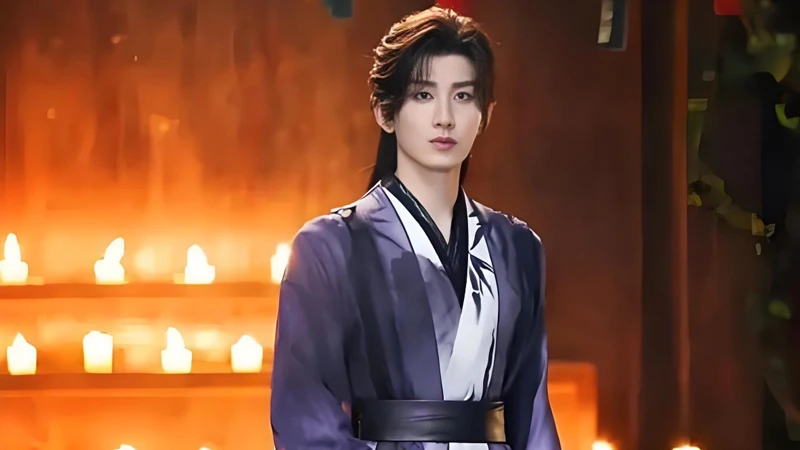
The historical drama The Vendetta of An ( 长安二十四计) offers a distinct flavor. It sidesteps familiar romantic entanglements to focus squarely on intricate political machinations within the ancient capital. Xie Huai’an (谢淮安), once a brilliant scholar, returns after a decade of planning, his hair now white. He navigates a perilous landscape where every alliance is temporary and each glance carries hidden meaning. The narrative cleverly frames these imperial power struggles as a lethal version of corporate office politics, making the stakes both grand and strangely familiar.
This series invests deeply in tangible detail. Producers constructed a 400-meter replica of the Zhuque Avenue (朱雀大街). They recreated 136 pieces of ceramic ware based on artifacts from the Famen Temple. Costumes are themselves a language; Xie Huai’an’s crimson robe is embroidered with winding lotus patterns, while the emperor’s ceremonial headdress meticulously follows historical protocols. Elements like traditional fire-knife crafting and papermaking arts are seamlessly woven into the plot.
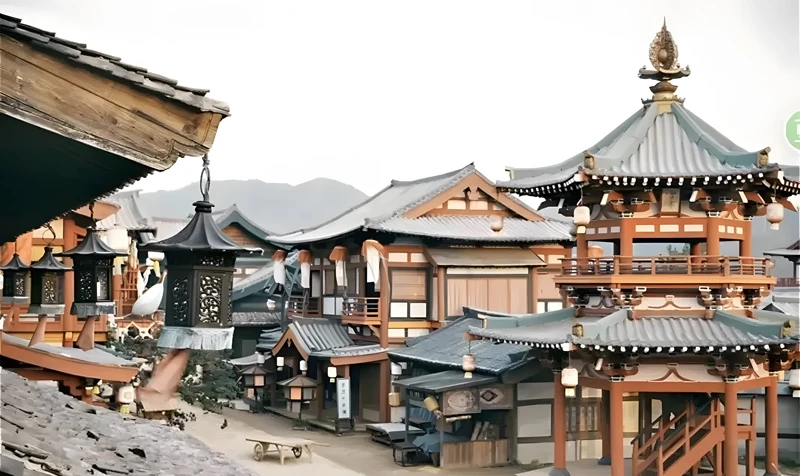
Beyond its visual craft, the story thrives on constant recalculation. Plots double-cross, and apparent defeats reveal themselves as deeper schemes. A captured ally might be enacting a “bitter hardship ruse”. This layered gameplay, echoed by a formidable cast that brings even minor roles to vivid life, is the show’s true engine. It transforms a personal quest for vengeance into a far greater undertaking.

Ni Dahong (倪大红)
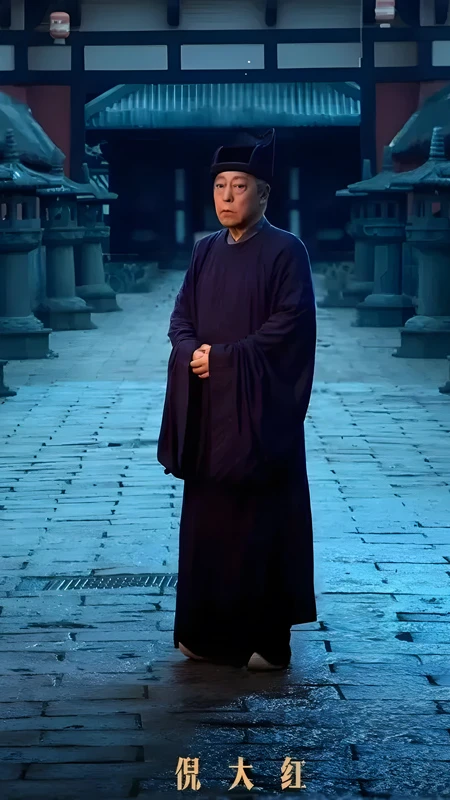
Ni Dahong portrays Cen Weizong (岑伟宗), a man known as the ‘Master of Disguise.’ Outwardly, he is a stooped, common beggar, his days spent peeling pickled vegetables. This humble act is his perfect cover. In truth, he operates as the quiet architect of a vast intelligence network, a crucial pivot in the struggle between old and new powers.
His strategy is a patient, meticulous layering of intent. In a key moment, he pours tea for Xie Huai’an. His finger deliberately grazes the cup’s rim. With eyelids half-lowered, he remarks, “This tea has gone cold, much like a person’s heart.” The line is delivered softly, yet each word carries a hidden edge. This very calmness becomes his most formidable trait.
Ni Dahong embodies the seasoned sharpness of one who hides in plain sight. His performance captures a profound ‘relaxed tension,’ where every slight movement and measured breath speaks volumes, making the character’s concealed authority utterly believable and deeply unsettling.

Wang Jinsong (王劲松)
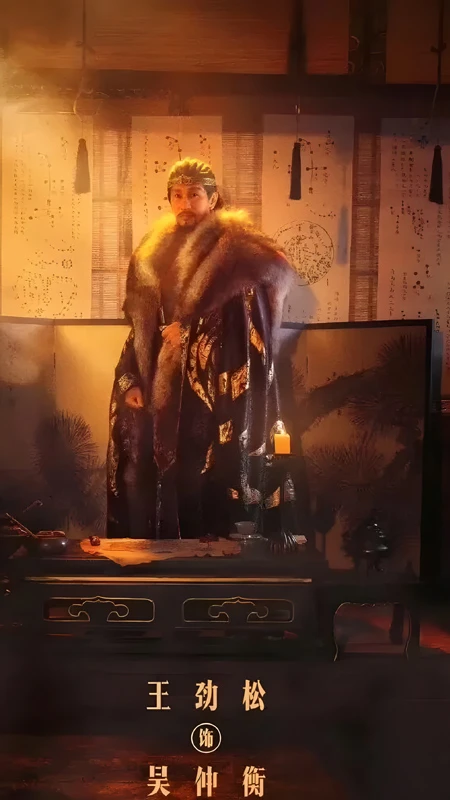
As the enigmatic Wu Zhongheng (吴仲衡), Wang Jinsong embodies the series’ greatest mystery. A member of the covert Tiger Guard force, his public face is that of a ‘Master of Ox Bone Divination.’ His appearance—flowing white hair and a heavy cloak—immediately signals a formidable presence. But his true power is communicated without a sound.
When Xie Huai’an attempts to probe his identity, Wu Zhongheng offers no verbal reply. He simply lifts his gaze. In a single second, his eyes transition from placid calm to piercing sharpness. This ‘killing stare’ is so potent it sends audiences spiraling through a dozen theories about his hidden role.
A virtuoso of minute details, Wang Jinsong constructs characters through profound subtlety. Much like his celebrated role as Yan Que (言阙) in Nirvana in Fire (琅琊榜), his silence feels dominant. Each of his appearances generates intense discussion, proving that a single look from this actor can suggest a decade of untold story.

Cheng Yi (成毅)
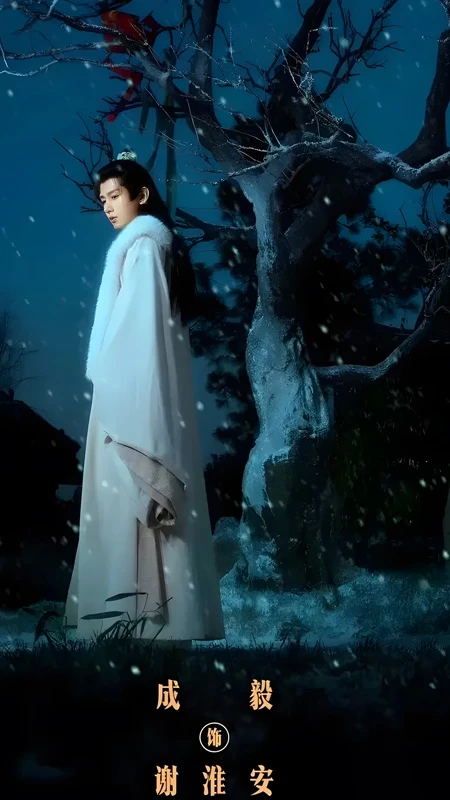
Cheng Yi transforms from the Wuxia hero Li Lianhua (李莲花) into Xie Huai’an, a white-haired strategist with ‘zero martial prowess.’ This role shatters the ‘beautiful-strong-tragic’ mold. He appears as a frail scholar, yet is a near-supernaturally intelligent schemer, patiently guiding his enemies into elaborate traps.
He employs stratagems like the ‘self-injury ploy’ with devastating effectiveness. His quest becomes less about direct confrontation and more a complex game of psychological manipulation and situational control. Cheng Yi internalizes a decade of concealed vengeance.
His gaze holds a blade-like ferocity when facing foes, yet occasionally wavers with fleeting confusion when observing the rain over Chang’an. Even the fragile aesthetic of his white hair conveys narrative depth. Compared to Li Lianhua’s quiet resignation, Xie Huai’an’s calculated ‘ruthlessness’ shows new layers, marking a significant and successful evolution in Cheng Yi’s craft.

Zhang Hanyu (张涵予)
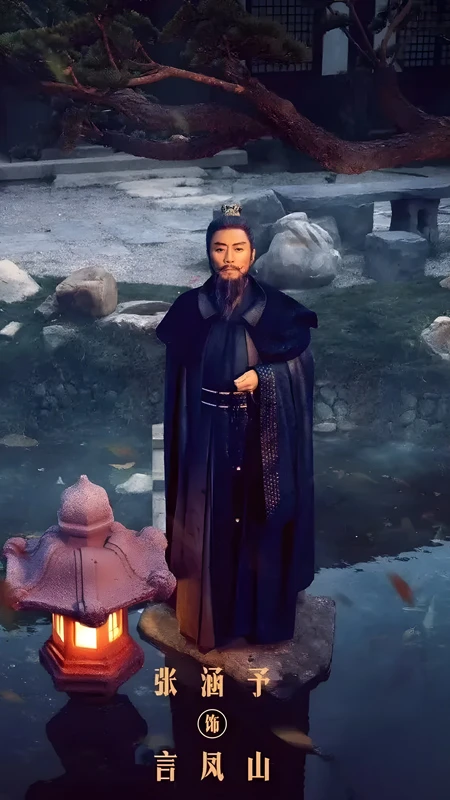
In his first historical antagonist role, Zhang Hanyu delivers a masterclass as Yan Fengshan (言凤山). This Tiger General wields immense power, a man capable of ‘nation-shattering schemes’ yet also burdened by a poignant sense of tragic inevitability. He is never reduced to a mere plot device.
His sheer presence generates palpable pressure. In scenes with Cheng Yi, he needs no dialogue; simply standing there exudes dominance. The complexity of Yan Fengshan highlights Zhang Hanyu’s dramatic depth, proving true artistry transcends role type.
A ‘soliloquy in the ancestral hall’ reveals his core. Drinking before his deceased wife’s tablet, he confesses, “What I sought was never military power, but simply to survive.” His voice cracks from hoarseness to a sob, the force of his grip on his sword hilt making tendons stand out. He vividly animates the inner conflict of a formidable, yet trapped, figure.

Liu Yijun (刘奕君)
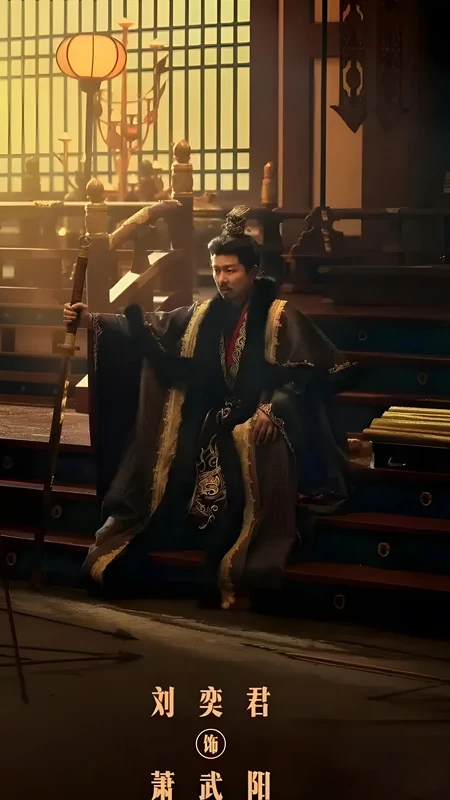
Liu Yijun plays Emperor Xiao Wuyang (萧武阳), a ruler who ascended through martial might. Paranoia and a deep understanding of political balance define him. His alliance with Xie Huai’an is purely transactional, a relationship of mutual use that fuels their tense court confrontations.
Liu Yijun excels at embedding imperial cunning between the lines. In a scene where ministers challenge his authority, he never rises from the throne. Instead, his fingers tap lightly on the dragon chair arm. His tone shifts from mild to icy, and as his eyes sweep the room, the entire hall falls into a dead silence.
This performance is a study in ‘reserved power.’ No shouting or exaggerated expressions are needed. A shift in gaze, a turn in phrasing, and the sovereign’s daunting authority and profound shrewdness are completely conveyed. His entrance unmistakably raises the stakes of the intricate power play.

Xu Lu (徐璐)
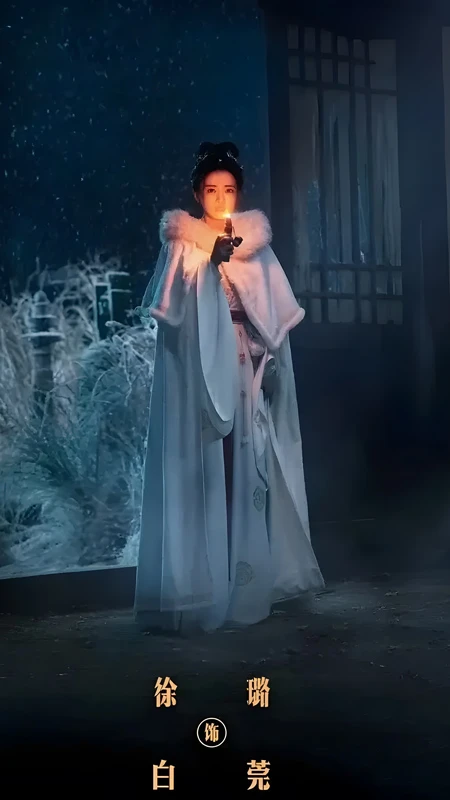
Some figures wield a brush instead of a blade, their art a veil for sharper purposes. Xu Lu portrays Bai Wan (白莞), a painter whose graceful demeanor belies a steely nerve and a role in a clandestine information network. Her performance finds tension in stillness. In a critical scene where her studio is searched, she continues grinding ink and painting with apparent calm. The revelation lies in her eyes, which hold steady until a guard turns away, permitting only a single, rapid blink—a tiny window into the calculated risk unfolding.
This choice defines the character’s essence: intelligence masked by tranquility. She communicates not through overt action but through the disciplined flow of her craft, using special pigments to pass messages. The threat is immediate, yet her response is measured, making her composure more powerful than any outburst.
Xu Lu’s portrayal moves beyond a simple dichotomy. She layers Bai Wan’s gentle exterior with moments of piercing resolve, creating a figure whose strength is inseparable from her artistry. The performance suggests that observation and creation can be forms of resistance, and that the most effective secrets are sometimes hidden in plain sight.
Unpacking the Intricate World of The Vendetta of An

Zhou Qi (周奇)
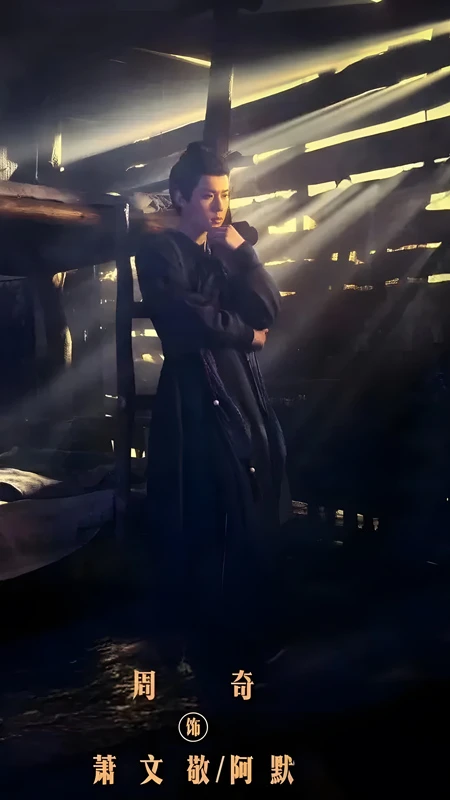
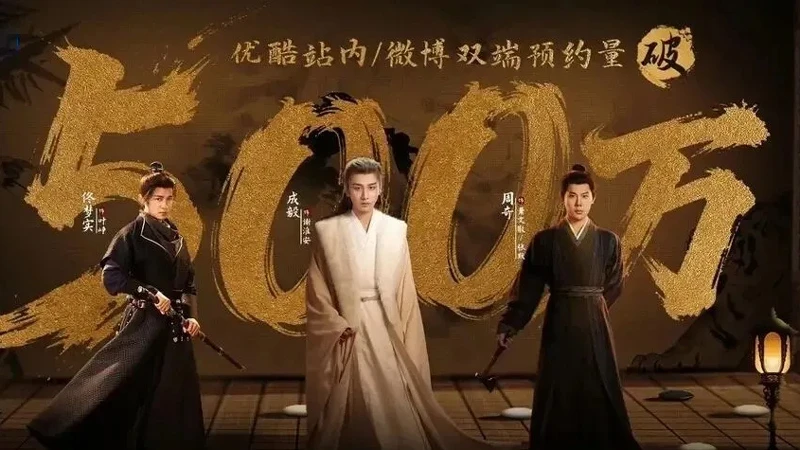
Identity is a fragile construct, a theme powerfully explored through roles of duality. Zhou Qi faces the complex task of playing two intertwined individuals: Xiao Wenjing (萧文敬), a deposed prince consumed by bitterness, and Zhang Mo (张默), the humble bookish stand-in forced to take his place. The performance hinges on the contrast between entitled arrogance and cowering submission.
The true test comes in a moment of shattering revelation. When Xiao Wenjing learns his own origin story is a lie, Zhou Qi guides him through a devastating transformation. Arrogance crumples into raw, throat-tearing denial, which then hollows out into a chilling, vacant stare. This progression happens in mere seconds.
What makes it compelling is the physical specificity. The tension in his neck, the placement of a straining vein—each detail feels organic to the character’s breakdown. It is a masterclass in conveying the fracture of a self, showing how a persona built on falsehood can disintegrate under the weight of truth, leaving only a lost and hollow shell.

Tong Mengshi (佟梦实)
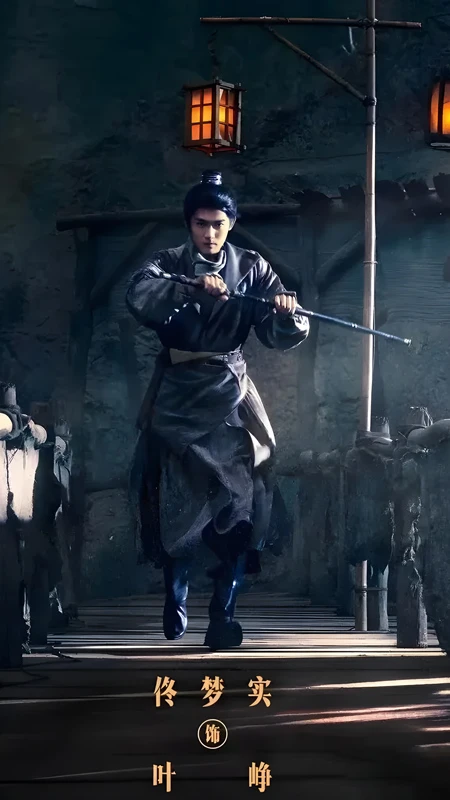
In narratives filled with intricate schemes, the straightforward guardian provides a crucial anchor. Tong Mengshi embodies this as Ye Zheng (叶峥), a swordsman of few words but unwavering loyalty. He functions as the group’s steadfast protector, his competence expressed through action rather than speech. His combat is crisp and direct, a visual extension of his character’s clarity of purpose.
Yet, Tong avoids making him a mere stoic statue. He injects dryness and a subtle, prickly pride through slight lifts of an eyebrow or the faintest curl of his lip. These micro-expressions reveal a person who, despite his silence, is fully engaged and privately opinionated.
This balance is key. His emotional scenes are understated, the loyalty and care felt precisely because they are restrained. He portrays a man for whom duty and affection are inseparable, and whose strength is rendered more touching because it is never performed for praise. The character’s power lies in his reliable presence, a quiet force in a tumultuous world.

Cheng Taishen (成泰燊)
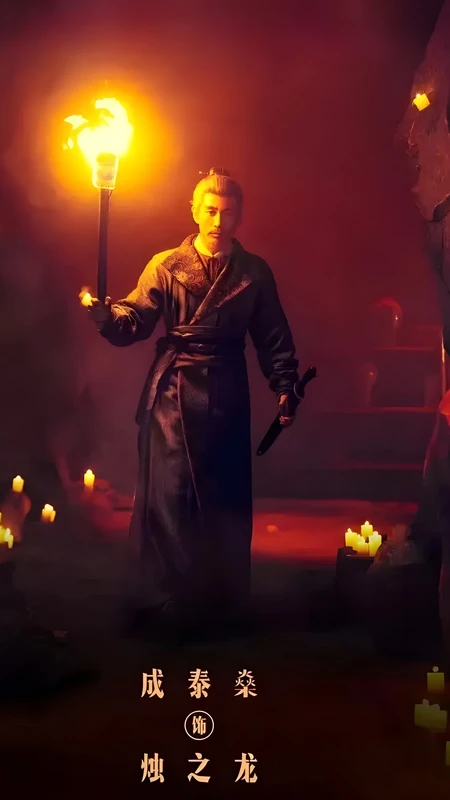
Guidance can conceal unknown motives, a complexity captured by veteran actor Cheng Taishen. He plays Zhu Zhilong (烛之龙), a figure known publicly as a skilled physician and mentor who takes on pupils like Ye Zheng. His outward demeanor blends authority with a gruff paternalism, established through a measured posture and a worn, raspy voice.
However, the performance is layered with a persistent, low-key ambiguity. His eyes, often calm and instructive, occasionally hold a depth that suggests unspoken calculations. The character’s history as an old friend of the protagonist’s father adds to this gravitational pull, tying him to the story’s central past.
Cheng’s skill ensures the character is never a simplistic villain. He builds a figure who is both genuinely caring and possibly manipulative, leaving his ultimate aims thoughtfully obscured. This duality makes him fascinating; he is a anchor point in the narrative whose own foundations seem intriguingly unstable, a reminder that benevolence and strategy can wear the same face.

Ye Zuxin (叶祖新)
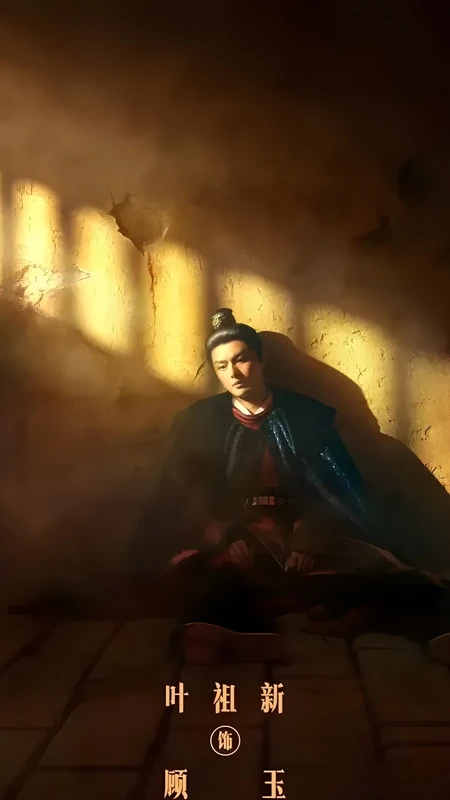
Physical limitation often belies strategic strength. Ye Zuxin portrays Gu Yu (顾玉), the Marquis of Zhenbei (镇北), a military hero confined to a wheelchair after being framed by a rival. Introduced with a frail cough, he initially seems a passive victim. Ye quickly subverts this, revealing a mind that remains the most formidable weapon in the room.
A defining scene showcases this perfectly. Publicly mocked by his foe for his inability to stand and therefore, allegedly, to comprehend warfare, Gu Yu does not rage. Instead, with chilling calm, he slowly maneuvers his wheelchair to roll over the hem of his taunter’s robe. His following line, delivered with quiet disdain, cuts to the core: “Though I cannot rise, I still see clearly who brings ruin to our state.”
Ye Zuxin builds the character through exquisite control. The performance is a study in compressed power, where a glance holds more threat than a shout, and a slight movement conveys unbroken pride. He embodies the archetype of the scholar-general, proving that authority derives from perception and intellect, turning perceived weakness into a position of unassailable moral and tactical strength.

A Masterclass in Political Intrigue and Performative Precision
The Vendetta of An excels not merely as a historical narrative but as a sophisticated study of power, identity, and artistry. It masterfully intertwines tangible, exquisite craft with intangible, cerebral gameplay, where every prop, costume, and glance is laden with meaning. The true brilliance of the series lies in its ensemble cast, where veteran actors and rising stars alike deliver performances of remarkable depth and subtlety. They bring to life a world where loyalty is fluid, masks are many, and the quietest moments often carry the greatest threat.
Ultimately, the drama transcends its revenge plot framework, evolving into a compelling examination of the strategies we employ for survival and the profound human costs embedded within every move on the grand chessboard of power. It is a testament to the fact that in this intricate weave of strategy and silk, the most powerful forces are often the most meticulously concealed.