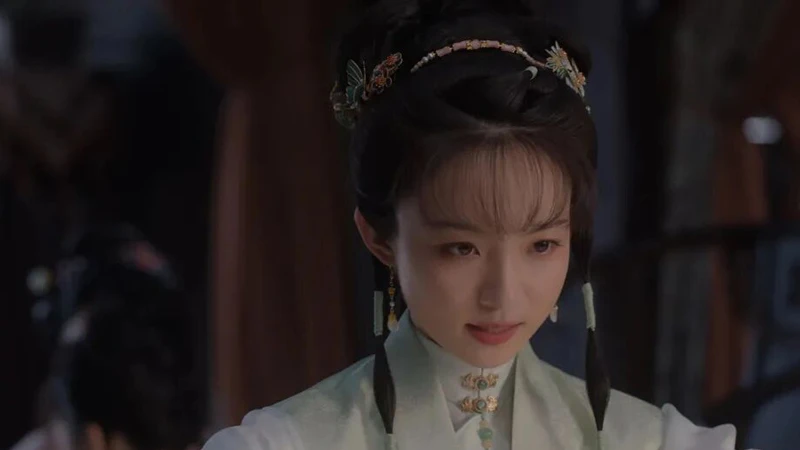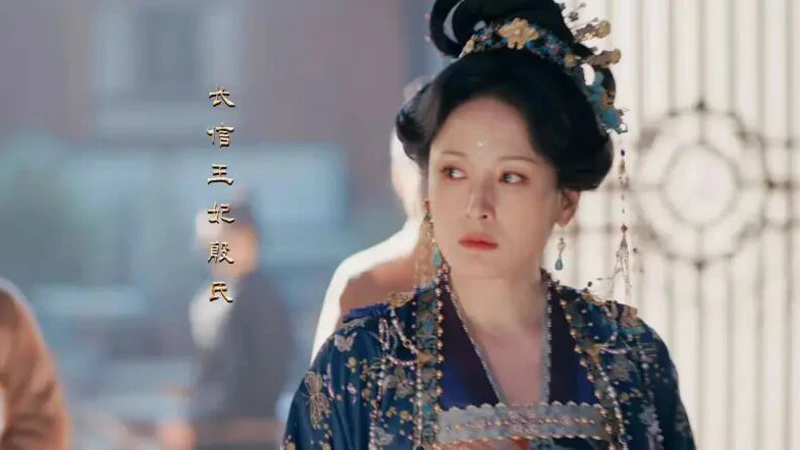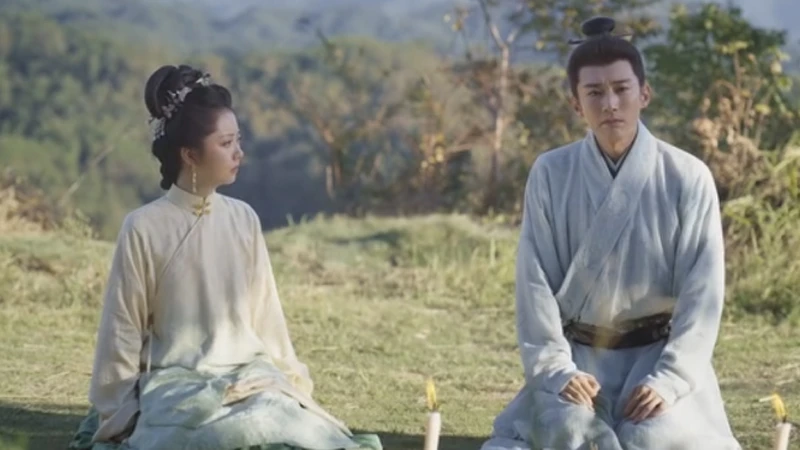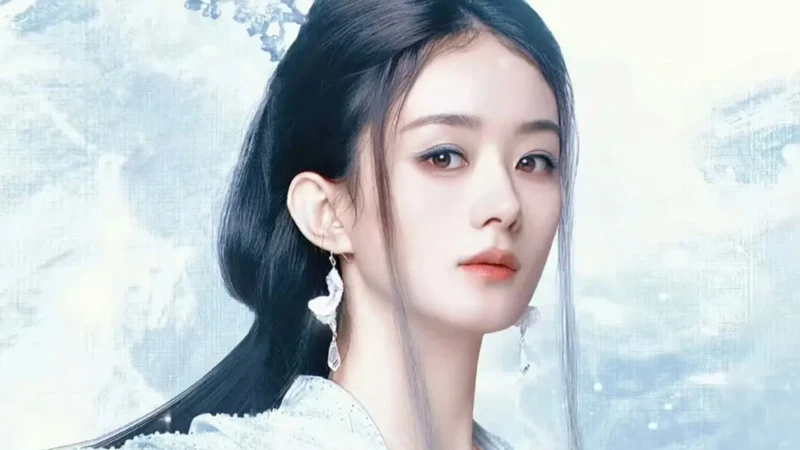
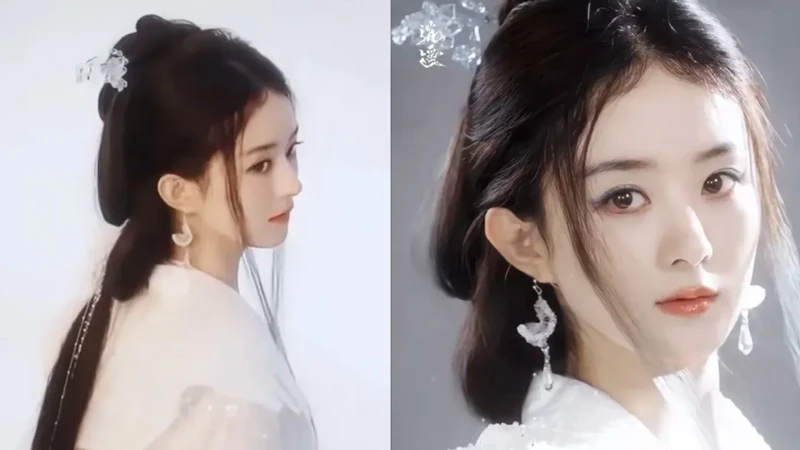
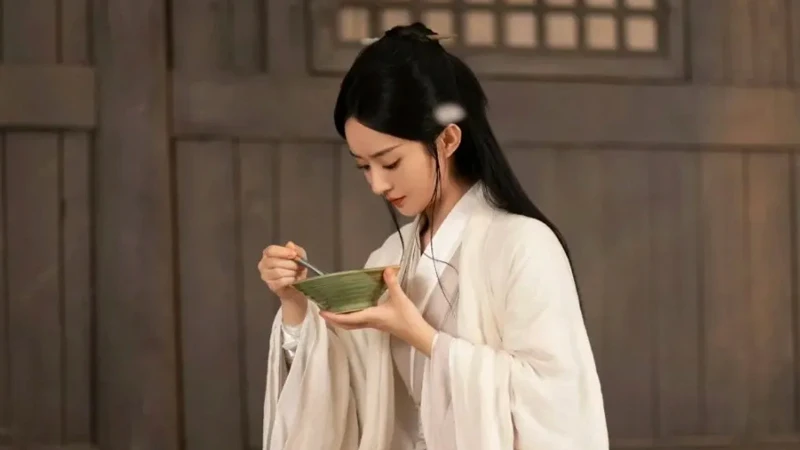
A newly released teaser for the costume drama The Unclouded Soul (逍遥) features a special appearance by actress Zhao Liying (赵丽颖). Her latest look, which includes two delicate strands of hair framing her face, has immediately captivated fans and sparked a wave of online discussion.
Many have noted that this specific style feels like a direct callback to the ethereal appearance of Shen Li (沈璃), the character she portrayed in the popular Xianxia drama The Legend of Shen Li (与凤行). This hairstyle, often humorously dubbed “catfish whiskers” by modern audiences, seems to have become a signature element for her period roles, blurring the lines between different characters and evoking a strong sense of nostalgic charm.
A Hairdo with History
The hairstyle in question is far from a modern invention. Its roots can be traced back to the Han and Jin dynasties, particularly after the Eastern Han period. Historically, these two hanging locks of hair had specific names. For children, the style was called Chuitiao(垂髫), while the adult version was known as Chuishao (垂髾). Both terms essentially describe a single, carefully arranged strand of hair left to hang down from the main hairstyle. This was not considered bangs in the contemporary sense, but rather a deliberate decorative element originating from the topknot or bun.
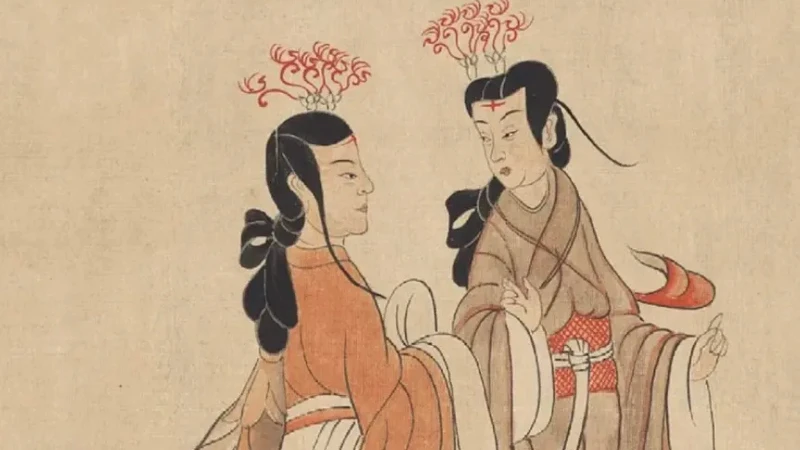
This distinctive look flourished during the Wei and Jin dynasties, an era celebrated for its free-spirited intellectual and aesthetic culture, often referred to as the “Wei-Jin demeanor.” The style was characterized by neatness and elegance, a symbol of refined grace. It frequently appeared in paintings depicting immortals and deities, as well as in portraits of children from noble families. The hanging strands were intended to be orderly and integral to the overall tidy presentation of the hair, reflecting the period’s ideals of cultivated beauty.
However, its popularity as a mainstream adult fashion was relatively brief. Later generations, while admiring the romantic spirit of the Wei-Jin era, still largely upheld standards where hairstyles for both men and women were expected to be meticulously gathered and secured. For men, this meant using a crown or guan, while women employed hairpins and combs. Well-kept hair was a fundamental aspect of social ritual and propriety, with headwear often holding more significance than garments in formal settings.
Modern Screen Interpretation
The contemporary version seen in television dramas like The Legend of Shen Li and now in The Unclouded Soul is a distinct adaptation. Today’s “catfish whiskers” are often looser, more deliberately disheveled, and styled to create an air of casual, almost effortless beauty. They serve a dual purpose: adding a touch of dynamic movement to the character’s silhouette and softly framing the actor’s face. This modern take prioritizes visual appeal and a sense of relaxed poise over historical strictness.
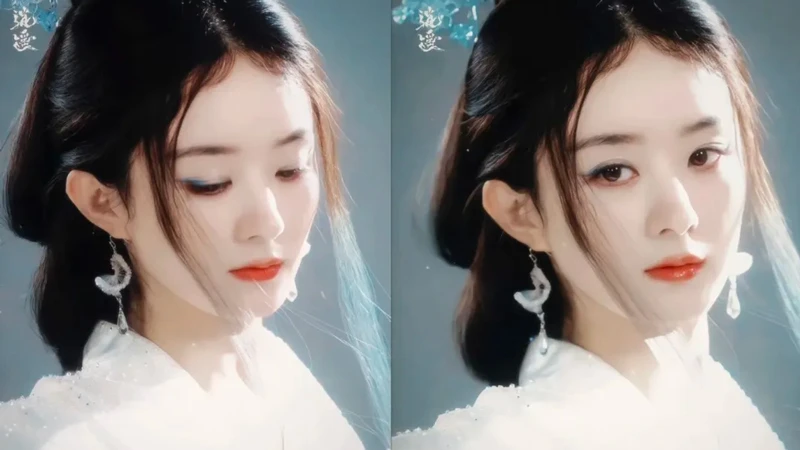
Audience reception to this trend is mixed. For many viewers, these flowing strands instantly create a recognizable Xianxia or wuxia aesthetic, contributing to a character’s otherworldly and heroic aura. In Zhao Liying’s case, the style strongly associates her with the beloved, serene, and powerful image of Shen Li, creating a powerful visual bridge between her roles. It functions as a stylized shorthand for a certain type of elegant, fantasy-oriented heroine.
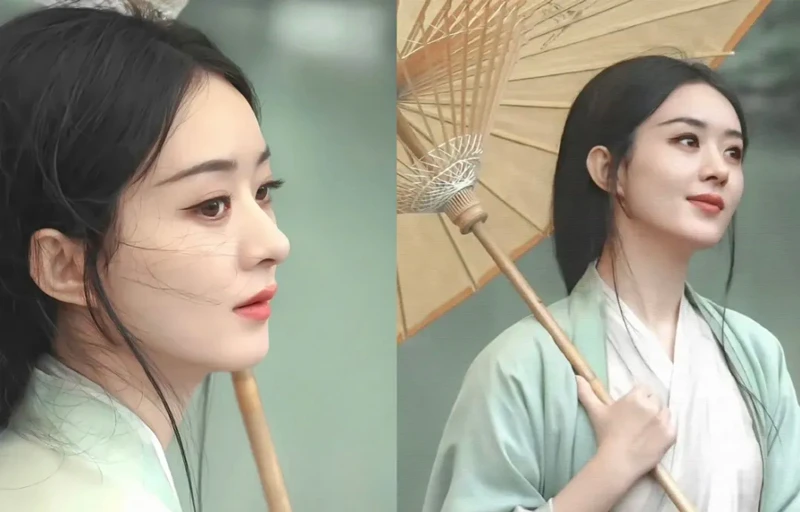
Yet, some critics argue that excessively loose hair can sometimes contradict traditional cultural connotations. Within classical Confucian frameworks, unbound or untidy hair was sometimes associated with a lack of civility. From childhood, hair was expected to be tied up once it was long enough. The playful small buns seen in depictions of ancient children were practical solutions for short hair that also adhered to this custom of keeping hair orderly. Therefore, a completely smooth, uncovered hairstyle without bangs is still subconsciously linked to a more formal, classical, and majestic look in the collective imagination.
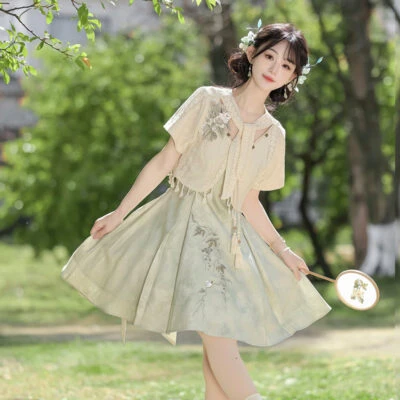
Modern dramas embrace bangs and face-framing strands precisely because they align with current beauty standards, helping to balance facial features and soften appearances. They represent a creative fusion where historical inspiration meets present-day cinematic needs. While not strictly “retro,” these styles keep a whisper of ancient aesthetics alive. The discussion they ignite serves as a subtle, ongoing public education, prompting curiosity about why certain ancient elements, like the Chuishao, continue to resonate and evolve within our visual storytelling today.