Article
搜索结果:
-
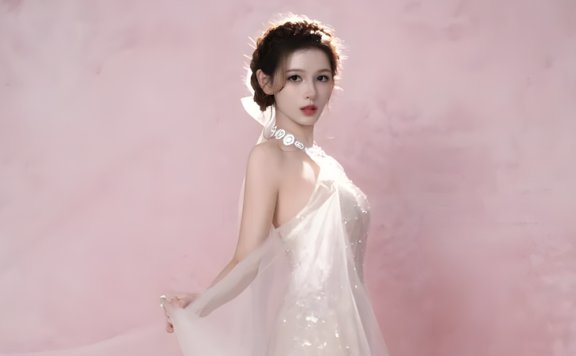
Zhang Yuxi Dazzles in Blush Pink Gown
Can a single dress capture the essence of a fairytale while redefining modern red carpet elegance? For Zhang Yuxi (张予曦), the answer is a resounding yes. Her recent appearance in a delicate, shimmering blush pink gown has done more than just turn heads—it has sparked a widespread conversation about the balance between youthful charm and sophisticated grace. The outfit, a masterpiece of design featuring a halter neckline and ethereal floating sleeves, instantly transformed the actor into a vision of romantic fantasy. As images flooded social media, it became clear this was not merely another celebrity photo opportunity, but a defining moment in fashion storytelling. This look, which perfectly marries sweet luxury with an otherworldly aura, demonstrates a powerful evolution in how public figures can use style to craft a narrative that is both personally authentic and universally captivating. Let's delve into the details of this unforgettable appearance and explore why it has resonated so deeply with audiences everywhere. The Art of Whimsical Detail The magic of this ensemble lies in its meticulous construction. The foundation is a dreamy, misty rose-colored gown with a halter neckline that masterfully highlights Zhang Yuxi's signature features—her swan-like neck and strikingly defined shoulders. This is… -
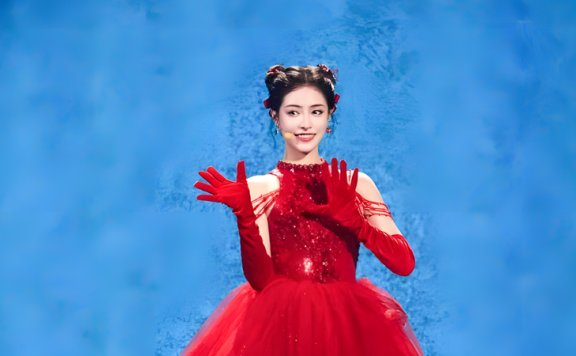
Xu Jiaqi Shines in Red Sequined Gown on Stage
Can a single outfit capture the essence of a fairytale princess and a powerful stage performer all at once? Xu Jiaqi (许佳琪) recently answered this question with a stunning visual statement. Dressed in a brilliant red sequined gown, she didn't just wear a color; she embodied an entire mood—one of vibrant energy, youthful charm, and commanding stage presence. The look was a masterclass in balancing opulent glamour with sweet, approachable beauty, making her appear like a dazzling red rose in full bloom, impossible to ignore. Dressed to Impress The magic of this look lies in its meticulous details. The halter-neck top did more than just showcase her elegant shoulders and neckline; it served as a canvas for heavy, intricate beadwork and sequins that caught the light with every movement. The real show-stoppers, however, were the tassels and rhinestones adorning the shoulders. They swayed gently as she moved, adding a layer of lively energy and delicate refinement to the overall aesthetic. This wasn't just a dress; it was a piece of moving art. The outfit's bottom half was equally thoughtful. The multi-layered tulle skirt was a study in contrasts—full and fluffy enough to retain a sense of girlish whimsy, yet so… -
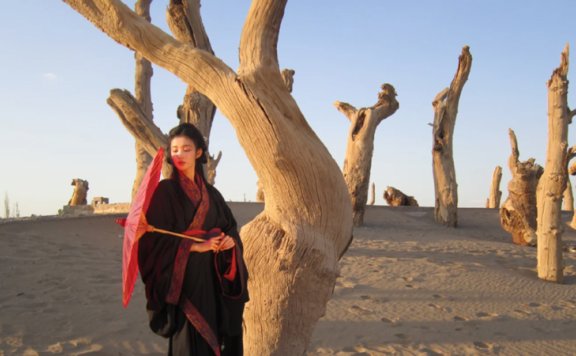
Why Wang Churan’s Warring States Robe Strikes a Modern Chord
When actress Wang Churan (王楚然), recently featured on China Central Television, debuted her latest photoshoot in Hanfu traditional clothing, she set social media ablaze. Known for her elegant Song Dynasty styles, she surprised fans by stepping into something far more ancient and dramatic: the so-called "Warring States Robe." But what exactly is this flowing, majestic garment that seems to transport the wearer back over two thousand years, and why has it become a favorite for creating cinematic, unforgettable portraits? This style offers a window into ancient Chinese aesthetics, blending historical inspiration with modern photography to create a look that is both powerful and ethereal. We explore its origins, its unique design, and its place in contemporary visual culture. Unpacking the "Warring States Robe" The term "Warring States Robe" is a popular, modern catch-all for a very specific style of ancient Chinese clothing. It's not a historically accurate term for a garment from that period, but rather a convenient name that has stuck. The primary inspiration for these robes comes from archaeological finds at the Mashan Chu Tomb (马山楚墓). Specifically, most designs are recreations of the straight-lapelled robe, catalogued as style N15, unearthed from this site in Hubei province. This tomb… -
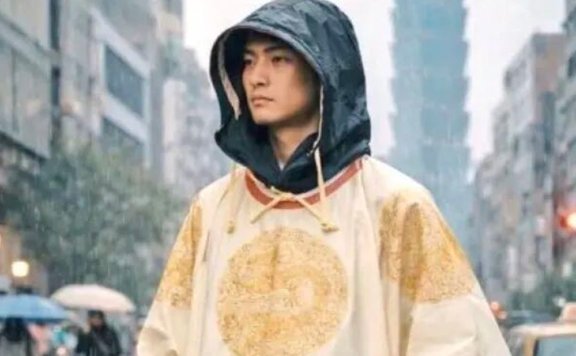
Why Taipei Palace Museum’s Dynasty Raincoats Are a Viral Hit
Could a raincoat inspired by Ming Dynasty emperors actually sell out at $50 a piece? Taipei's Palace Museum just proved it's possible, leaving shoppers wondering: buy it or frame it? In a surprising twist of cultural commerce, the Taipei Palace Museum (台北故宫博物院) recently dropped two raincoat designs that have since become the talk of the town. Priced at 1,890 Taiwan dollars (approximately 430 RMB), these aren't your average plastic ponchos. They vanished from shelves almost immediately, leaving many to question whether people are actually buying them for rainy days or simply as collector's items. The products cleverly blend daily utility with deep cultural resonance, tapping into a trend that sees consumers craving more meaningful connections with the items they use every day. This phenomenon isn't just about staying dry; it's about wearing a piece of history, however ironic that might sound. The museum has effectively turned a mundane object into a statement piece, proving once again that creativity, when applied to heritage, can yield surprisingly modern results. It raises an interesting question for the rest of us: would we don an emperor's robe just to walk the dog on a drizzly morning? Wearable Wit The genius lies not in the… -
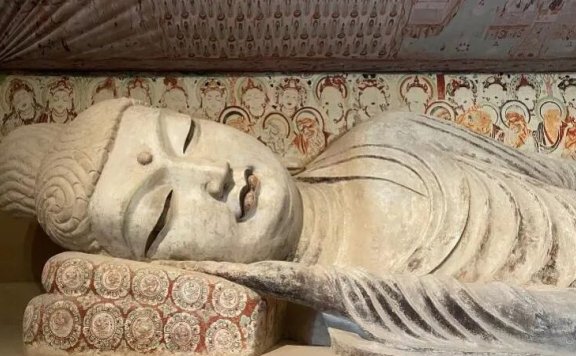
Why Gala’s Curly-Haired Feitian Sparks Debate
The "curly-haired flying goddess" on this year's CCTV Spring Festival Gala has sparked a heated debate. While many viewers praised the program Silk Road Melodies (丝路古韵) for its faithful recreation of mural art, others scratched their heads. Why does this celestial being have a head full of curls? Doesn't she look more like a foreigner than a classic Chinese beauty? The confusion is understandable. In recent years, the Feitian (飞天) image has been warmly embraced as part of Chinese traditional culture, with her signature tube top and long skirt often cited as a form of ancient Hanfu clothing. But this popular understanding skips a crucial part of her long and fascinating journey from India to the grottoes of Xinjiang and Dunhuang. The Curly-Haired Mystery The answer lies in the origins of the image itself. The Feitian we know today was not a native invention of the Central Plains. Her earliest prototype comes from ancient Brahmanism in India. As Buddhism absorbed these celestial spirits, they transformed into gods of music and dance, tasked with scattering flowers and making heavenly music. When this religious art traveled along the Silk Road into China, the Feitian arrived with distinctly foreign features. The specific inspiration… -
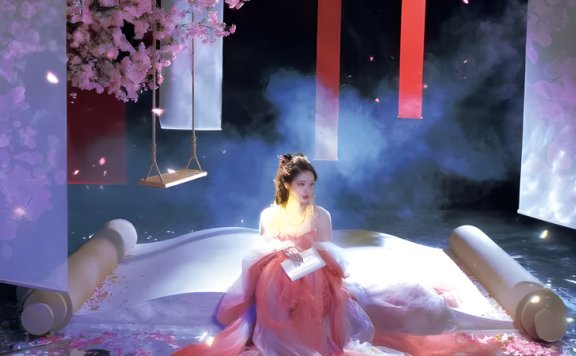
Wang Churan’s Stunning Ancient Style Shocks the Internet
Can Fabric Hold Magic? Wang Churan's (王楚然) Ethereal Transformation Into a Fox Spirit Stuns the Internet. A recent photoshoot featuring the actress has ignited a firestorm of praise, blending ancient Chinese aesthetics with a touch of modern fantasy. In an era of fleeting digital content, a single image can still stop the scroll. A new series of photographs featuring actress Wang Churan has done exactly that, captivating social media with its ethereal beauty. She appears not as a modern celebrity, but as a creature from a folk tale—a nine-tailed fox spirit wandering through a dreamscape. The images are a masterclass in visual storytelling, merging the delicate textures of ancient Chinese fashion with a luminous, contemporary aesthetic. It is a look that feels both timeless and refreshingly new, prompting thousands to share and marvel at the seamless blend of reality and fantasy. This isn't just a pretty picture; it is a cultural moment that speaks to a renewed appreciation for heritage, reimagined for today's audience. Visual Poetry in Motion The first thing that strikes the viewer is the dress itself. It is a gown of layered, translucent silk gauze, a material that seems to hold light rather than merely reflect it.… -
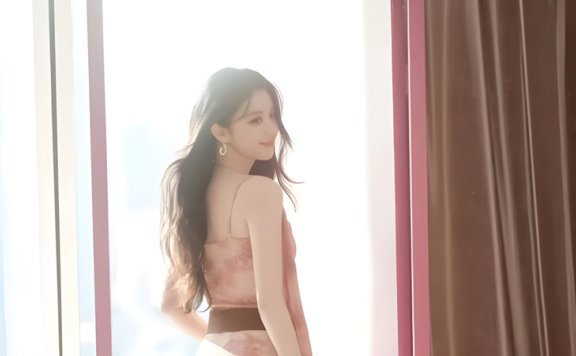
Wang Churan’s Fox Spirit Look Takes the Internet by Storm
Wang Churan's (王楚然) Fox Spirit Look Breaks the Internet: Is This the Ultimate Sweet-Meets-Sassy Formula? When images of Wang Churan at a recent promotional event hit social media, the reaction was instantaneous and electric. She didn't just walk a red carpet; she seemingly stepped out of a fantasy anime, captivating audiences with a look that was equal parts sweet and dangerously alluring. Her outfit—a delicate balance of soft femininity and bold, playful edge—has sparked a viral conversation, with fans and fashion critics alike dissecting every detail. It's a masterclass in thematic dressing, proving that sometimes, the most memorable style moments are those that tell a story. This isn't just about clothes; it's about embodying a concept, and Wang Churan has fully transformed into the "fox spirit" archetype, a figure that resonates deeply across East Asian cultures. The buzz wasn't just about beauty; it was about the clever, cohesive execution of a powerful aesthetic. The Anatomy of an Enchanting Outfit The foundation of this stunning look was a pink rose tie-dye slip dress. Its fluid, lightweight fabric moved with her, creating an ethereal, almost weightless effect. The soft pink base was artistically splashed with deeper rose patterns, evoking a sense of… -
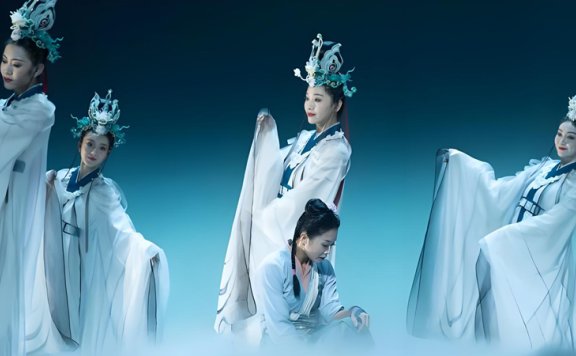
The Story of Hanfu in Henan Spring Gala
Henan TV's Spring Festival Gala has long been a beacon for those fascinated by traditional Chinese culture, particularly the exquisite world of Hanfu. This year, however, the journey to bring these historical garments to the screen was fraught with unexpected hurdles. From censorship complaints to live-stream interruptions, the production team navigated a minefield to ensure that the beauty of Hanfu was not obscured. Yet, despite the technical glitches and the barrage of advertisements that frustrated many viewers, the final broadcast was a treasure trove of historical fashion. The show offered a vibrant tapestry of styles, from Tang dynasty elegance to Ming dynasty opulence, sparking conversations and debates among a diverse audience. This year's gala was more than just a show; it was a testament to the complex and evolving relationship between ancient attire and modern media, a relationship filled with both passionate advocacy and sharp critique. From Mural to Movement: The Masterpiece Moment of Eternal Joy Perhaps the most critically acclaimed segment was Moment of Eternal Joy (永乐未央), a breathtaking piece inspired directly by the Yuan (元) dynasty murals of the Yongle (永乐) Palace. It drew specifically from the "Chart of the Celestial Procession (朝元图)", a colossal 97-meter-long masterpiece housed… -
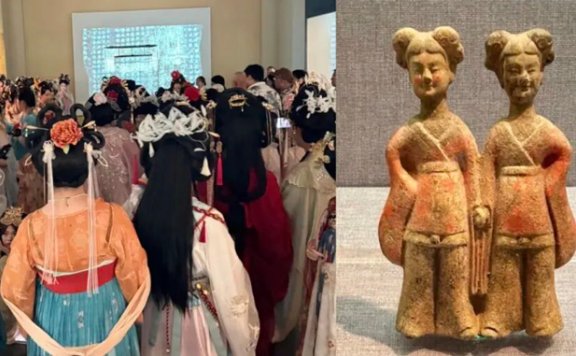
Luoyang Museum’s Northern Wei Figurines
At the Luoyang (洛阳) Museum, a queue of young women, dressed in flowing Hanfu, snakes past a single glass display case. Their quarry isn't a golden treasure or a famous painting, but a pair of small, 17-centimeter-tall ceramic figures. These are the Northern Wei painted pottery hand-holding female figurines . For the sake of a "friendship that's number one under heaven," as a popular Chinese saying goes, besties are traveling thousands of miles to pose for a photo with these two ancient "little sisters." It's a story of millennial friendship that has captivated the internet, but these figurines are far more than just cute mascots for platonic love. They are silent witnesses to one of the most radical transformations in Chinese history, and their outfits hold the very DNA of cultural fusion. Fashion Icons from the Grave Look closely at this ancient pair. Their hair is styled in elaborate double buns, their cheeks rosy with pigment that has lasted over a millennium. It's a look that wouldn't be out of place on a modern street-style blog. But the real story is in their clothes. They wear what appears to be a chic, matching pantsuit, a style known as a tunic… -
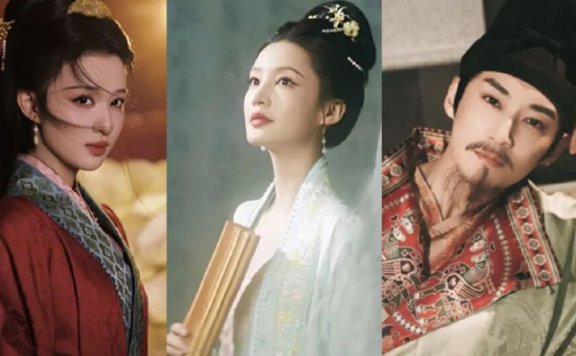
Hanfu Highlight at 2026 CCTV Spring Festival Gala
Is This the Only Hanfu Spectacle on CCTV's Spring Festival Gala? Ode to the Flower Deities (贺花神) Brings Ancient Poetry to Life As families gather for the most-watched television event in China, a single segment featuring historical Chinese clothing, known as Hanfu, has caught the attention of cultural enthusiasts. Tucked within the sprawling lineup of the CCTV Spring Festival Gala is a creative musical piece titled Ode to the Flower Deities. While the evening will be filled with comedy skits, acrobatics, and pop songs, this particular performance stands out as perhaps the only representation of traditional Hanfu on the entire broadcast. It features an impressive cast of twelve celebrities, each dressed in attire inspired by specific dynasties, bringing to life the beloved literary tradition of the Flower Goddesses. Early glimpses of the costumes suggest a stunning visual journey through China's sartorial history, focusing primarily on Tang and Song dynasty aesthetics, with a notable appearance of Han dynasty style. The segment promises to be more than just a fashion show; it is an effort to weave together poetry, music, and character portrayal, connecting modern audiences with the scholarly romance of ancient times. Song Dynasty Elegance: The Poetess of Osmanthus Among the… -
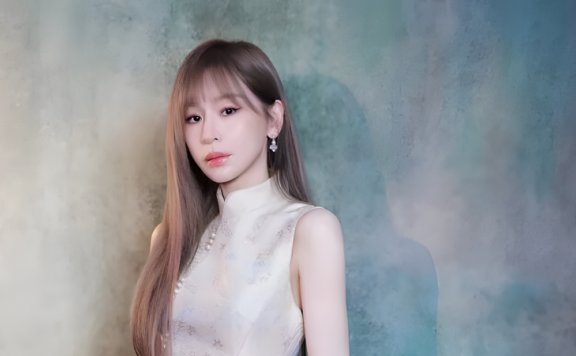
Cyndi Wang Shines in Modern Cheongsam Look
Cyndi Wang has long been dubbed Taiwan's "Sweetheart" for her bubblegum pop hits and girl-next-door charm. But a recent set of photos has shattered that simplistic label, revealing a depth and sophistication that has left fans and fashion critics utterly speechless. Dressed in an exquisite cream-colored floral-patterned cheongsam, she isn't just wearing a dress; she is embodying a mood, a moment of serene elegance. This look isn't just beautiful—it feels like a quiet declaration of a new artistic chapter, one steeped in the lyrical beauty of Eastern aesthetics. The Dress: A Modern Classic The centerpiece of this stunning visual is undoubtedly the modernized Qipao. It moves away from the traditional form-fitting silhouette with a modern, flowing skirt that adds a touch of whimsy and grace. The cream brocade fabric itself is a character, its subtle sheen catching the light with her every movement. But the real magic lies in the details: delicate patterns of birds and flowers in soft blues and silvers are woven into the material. They don't shout for attention; instead, they whisper stories of classical Chinese art, creating a look that is both deeply traditional and refreshingly contemporary. The styling choices around the dress are a masterclass in… -
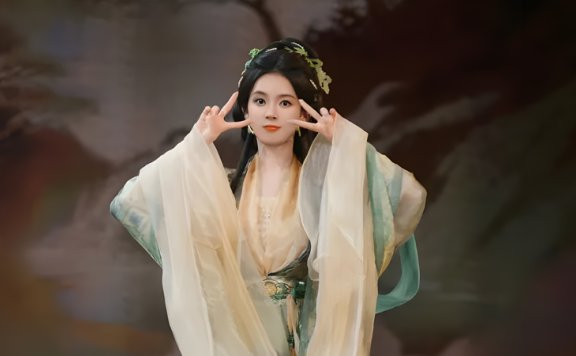
Chen Yao in Gradient Silk Gown and Gentle Bun
Can Chen Yao’s (陈瑶) ethereal gown make you fall in love with ancient Chinese fashion? The actress recently stunned the internet with her latest photoshoot, where she embodies the grace of a classical painting. Her layered, gradient silk dress and gentle hair styling have sparked a new wave of interest in traditional aesthetics, proving that timeless beauty never fades. The Magic of the Gradient Gown The moment you see Chen Yao in these photos, it feels like stepping into a living piece of art. She wears a multi-layered ensemble that captures light and shadow in a mesmerizing way. The base is a warm, beige cross-collar skirt that provides a soft, elegant foundation. Over this, she drapes a flowing outer robe with long, wide sleeves. This robe features a delicate gradient of pale green, shifting from a lighter hue at the shoulders to a deeper, more saturated tone at the hem. It reminds one of the tender green leaves of a willow tree in early spring, fresh and refined. This isn't just a costume; it is a carefully crafted piece of wearable art. The choice of the gradient effect is particularly clever, as it avoids being flat or boring. Instead, it… -
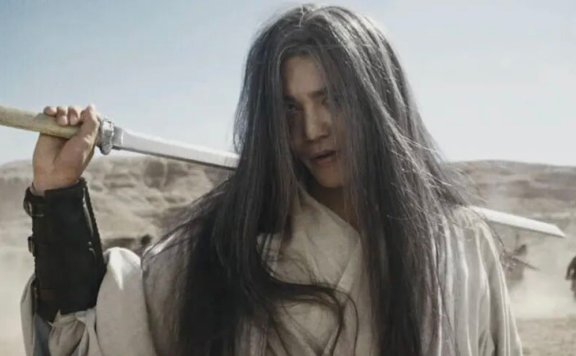
Blades of the Guardians: The Ancient Sleeve-Tying Wisdom in Wuxia
Why Do Martial Arts Heroes Always Tie Their Sleeves? The Ancient Hack That Makes Blades of the Guardians (镖人) So Authentic There is a moment in every great martial arts drama when the hero prepares for a fight. They roll their shoulders, crack their neck, and then—without fail—they bind their sleeves. It happens in Blades of the Guardians, the new film that has audiences cheering for the return of true Wuxia spirit. The gesture is small, almost ceremonial, yet it carries the weight of centuries. Without it, the entire aesthetic collapses. Why is this simple act of tying fabric so crucial to the genre? The answer lies not just in cinematic style, but in the practical, earthbound wisdom of ancient China. This is a story about how our ancestors solved a daily problem, and how that solution became a visual shorthand for readiness, discipline, and cool. Armor for the Arms: The Warrior's Rigor The most straightforward reason for binding sleeves is pure physics. Loose fabric, however elegant, is a liability in a brawl. A wide sleeve can catch a blade, snag on a spear, or simply slow down a punch. Ancient warriors needed a way to secure their clothing without… -
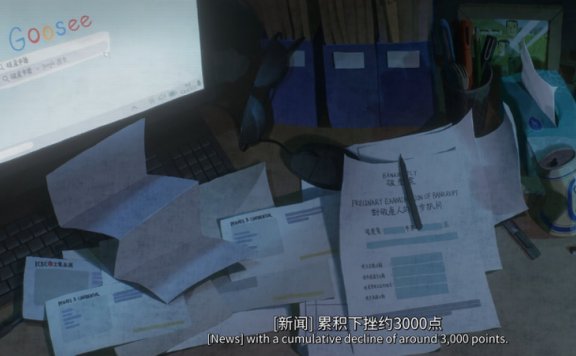
Yao-Chinese Folktales 2: The Weight of Home and Face
As the Lunar New Year approaches, a familiar anxiety creeps into the hearts of millions living away from their hometowns: Is it okay to go back if you haven't "made it"? This poignant question is at the very core of "Worshiping the Ancestors," the seventh episode of the acclaimed animated series Yao-Chinese Folktales 2 (中国奇谭2). Released just before the holiday, the story arrives like a mirror held up to the soul of every wanderer, reflecting our deepest insecurities about success, family, and belonging. It moves beyond a simple tale of returning home, using elements of fantasy to dismantle the very pressures that keep us away. The Weight of "Face" and the Loneliness of the City The episode introduces us to A Yuan (阿远), a young man adrift in Hong Kong. His reality is a montage of modern urban despair: instant noodles for dinner, a blaring TV reporting a crashing stock market, and a desk cluttered with bankruptcy papers. He is the embodiment of the "struggling drifter." When his father calls to invite him home for the ancestral rites, A Yuan’s instinct is to refuse. He is ashamed, believing his failure is a visible stain that everyone back home will see.… -
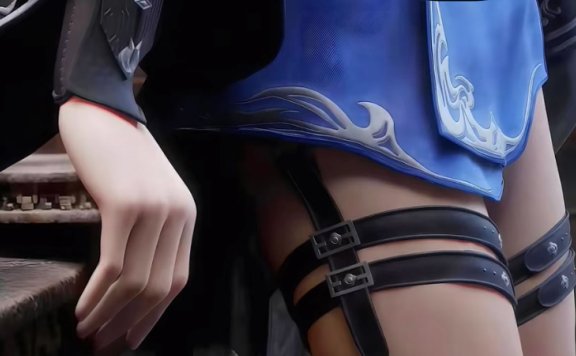
The Hidden Meaning of Li Shaoying’s Iconic Accessory
Fans of the animated series The Demon Hunter (沧元图) can't stop talking about a peculiar detail on the character Li Shaoying (李少英): her thigh strap. Is it merely a decorative afterthought, or does it serve a greater purpose in defining who she is? This article peels back the layers of this subtle design choice, exploring how it transitions from a visual enhancer to a narrative symbol. By examining its role in aesthetics, combat identity, and cultural context, we uncover why this small accessory is a masterstroke in character building—one that proves no detail is ever truly insignificant. Filling the Visual Gap with Purpose At first glance, the thigh strap on Li Shaoying's leg is an undeniable boost to her visual appeal. The character is crafted to embody a blend of regal elegance and martial sharpness—her double bun hairstyle paired with a golden forehead chain, flowing purple robes, and long, defined legs. Without the strap, that streamlined leg line might feel incomplete or visually abrupt, disrupting the outfit's layered sophistication. The accessory acts as a subtle anchor, drawing the eye and creating a balanced silhouette that feels intentional rather than accidental. Its design is deliberately understated, avoiding the flashiness of bulkier… -
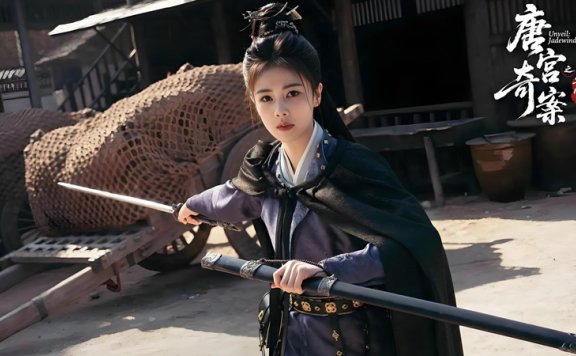
Success or Just Style Over Substance in Unveil: Jadewind?
In a television landscape saturated with period dramas that often feel like they rolled off an assembly line—complete with interchangeable plots, sugary romances, and a heavy dose of déjà vu—a new contender has arrived making some serious noise. Unveil: Jadewind (唐宫奇案之青雾风鸣) has stormed onto Youku and CCTV-8, immediately capturing attention with blockbuster premiere data. But as the initial excitement settles, a more complicated picture emerges. The series finds itself at the center of a heated debate: is it a refreshingly innovative entry that raises the bar for the ancient drama genre, or is it simply the same old formula dressed up in expensive new clothes? The answer, much like the mysteries within the show, requires a closer look beyond the surface. Data vs. Debate: A Tale of Two Realities The numbers don't lie, and for Unveil: Jadewind, they tell a story of undeniable success. The drama premiered to a peak CCTV-8 viewership rating of 1.3% and crushed platform expectations by surpassing 9500 in popularity on Youku within hours . Attracting 54 sponsors across just four episodes, its commercial appeal is crystal clear. This isn't just fan service; these metrics point to a broad audience base willing to stay up late… -
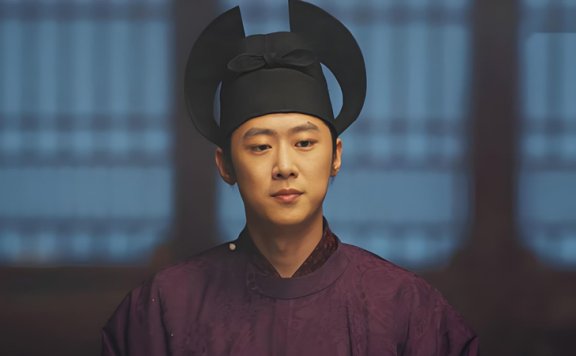
Power’s Cruel Price in Swords into Plowshares
What happens when a young king's indecision leads to a coup, and the brother he tried to sacrifice becomes his jailer for 23 years? The Chinese historical drama Swords into Plowshares (太平年) has reached its halfway point, plunging viewers into the turbulent heart of the Ten Kingdoms period. The show masterfully depicts the lethal power struggles within the Wuyue (吴越) kingdom, where family bonds are weapons and thrones are won with blood. At its core is a gripping, real-life tale of two brothers—Qian Hongzong (钱弘倧) and Qian Hongchu (钱弘俶)—whose relationship was shattered by ambition, betrayal, and the cold, hard logic of survival. It’s a story that asks a haunting question: after the main villain dies, why won't the new king free his imprisoned brother? The answer reveals a chilling truth about the nature of power. A King's Fatal Indecision The trouble began not with a villain, but with a young, inexperienced ruler. When King Qian Hongzuo (钱弘佐) died, the throne passed to his brother, Qian Hongzong. The late king had left a clear strategy to manage the kingdom’s most powerful and dangerous figure, the veteran official Hu Jinsi (胡进思). The plan was simple: either kill Hu Jinsi decisively to remove… -
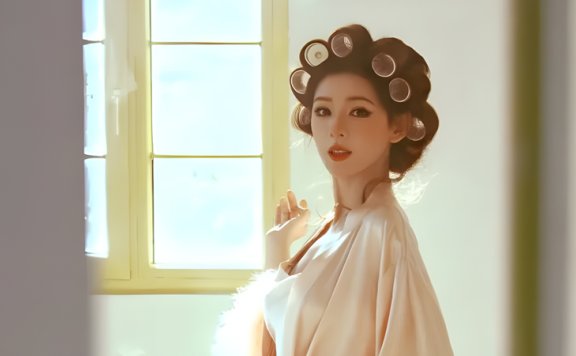
Zhang Yuxi Channels 1920s Shanghai Glamour in Stunning Shoot
Can One Woman Channel the Glamour of 1920s Shanghai? Zhang Yuxi's (张予曦) Latest Look Says Yes! In a world saturated with fast fashion and fleeting trends, true elegance often whispers rather than shouts. Recently, Chinese actress Zhang Yuxi delivered a visual masterclass in quiet sophistication, and the internet took notice. She didn't just wear a new outfit; she embodied an era. Her latest photoshoot, inspired by the romanticized aesthetic of old Shanghai, has sparked a wave of admiration, proving that some styles are truly timeless. By stepping into the role of a modern-day Min Guo (民国) socialite, she has reminded us of the power of atmosphere, texture, and the delicate balance between comfort and luxury. It is a look that feels both nostalgic and refreshingly new, captivating audiences and fashion enthusiasts alike with its understated drama. A Toast to Textures The foundation of this stunning visual narrative lies in the meticulous selection of fabrics and silhouettes. Zhang Yuxi is pictured in a coordinated set of champagne-pink satin loungewear. The inner layer is a simple, slip-style camisole dress that catches the light softly, its smooth, matte finish draping elegantly to suggest rather than reveal her form. This choice of base is… -
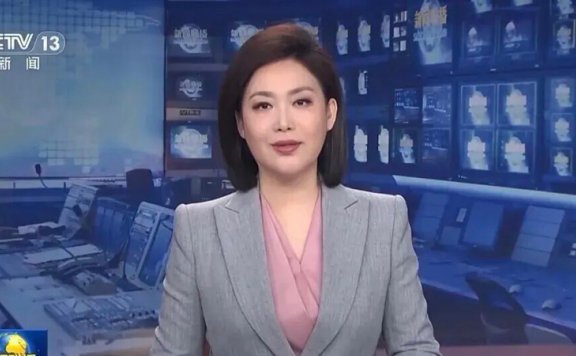
Why a Collar Direction Sparked a Cultural Debate
When a Xinwen Lianbo (新闻联播) anchor recently appeared on screen, some viewers didn't focus on the news she delivered. They stared at her collar instead. Comments flooded social media, with many insisting she had worn it backwards. Was it really such a big deal? For those who understand traditional Chinese clothing, yes, it was. The controversy touches on something much deeper than a simple wardrobe malfunction. It's about Hanfu, the traditional clothing of the Han Chinese people, and a small detail called the collar closure. This detail, known as right closure or left closure, carries thousands of years of history, identity, and even matters of life and death. Here is why a seemingly minor clothing choice can spark such strong reactions. Right Side, Right Identity The basic rule is simple: traditional Han Chinese clothing typically uses right closure. This means the left side of the garment crosses over the right side, creating a y-shaped collar that opens toward the right. From the wearer's perspective, the right side ends up underneath. This wasn't just a random fashion choice. It grew out of daily life. Ancient Han Chinese society was built on farming. Most people were right-handed. They used their right hand… -
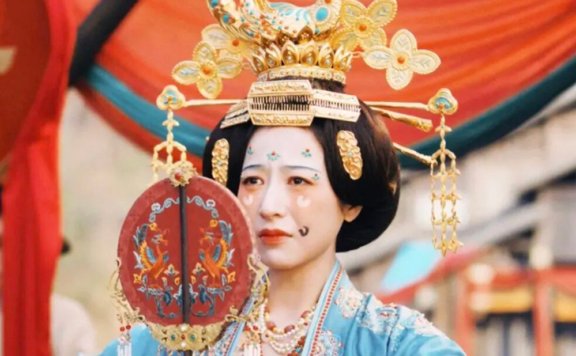
The Wardrobe Controversy of Swords into Plowshares
Can a 10th-Century Drama Get 10th-Century Costumes Right? A Look at Swords into Plowshares's (太平年) Wardrobe Controversy Period dramas walk a tightrope between historical authenticity and artistic license, but when a production explicitly promotes itself as a showcase for traditional Chinese clothing, the stakes become much higher. The recent buzz surrounding the drama Swords into Plowshares offers a fascinating case study. Viewers were deeply moved by the wedding scene of characters Jiu Lang (九郎) and Sun Taizhen (孙太真), yet eagle-eyed history enthusiasts quickly spotted a glaring problem: the costumes on display seemed to span three centuries of fashion history. This isn't just a minor quibble for pedants; it gets to the heart of how we represent the past on screen. The scene features Yu Daniangzi (俞大娘子), a figure based on a late Tang dynasty (唐朝) personality, wearing a headpiece popular during the Sui (隋) to early Tang periods, while Sun Taizhen (孙太真) herself is adorned in the style of a mid-to-late Five Dynasties and Ten Kingdoms period donor from the Dunhuang (敦煌) Murals. The visual effect, as one commenter noted, is akin to a relative in 1920s attire congratulating someone dressed in modern fashion. This jarring combination undermines the very…