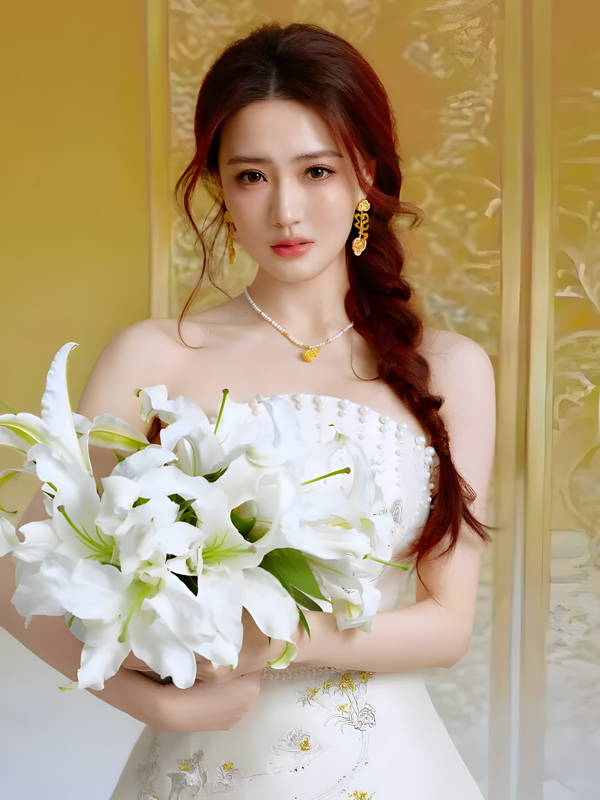
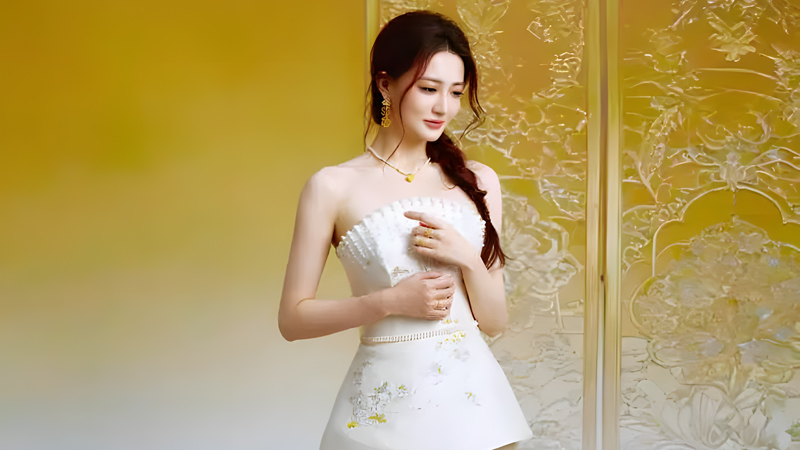
A recent public appearance by actress Xu Lu (徐璐) has captured widespread attention. Her ensemble, a white satin bustier top paired with an off-white gradient tulle skirt, presented a vision of graceful sophistication. The outfit transcended mere fashion, evoking the poise and beauty of a classical painting. This look is a prime example of the New Chinese Style, a trend skillfully blending traditional Chinese aesthetics with contemporary design. Her styling choices sparked lively discussions, illustrating how modern celebrity fashion can breathe new life into cultural elements.
The Look
Xu Lu's attire was a masterclass in subtle detail and luxurious texture. The bustier top featured a three-dimensional pearl-like pattern and delicate gold-thread embroidery. This intricate work resembled a miniature landscape, capturing a sense of poetic refinement often associated with Jiangnan (江南), China's serene southern region. The design cleverly integrated Western-inspired silhouette with distinctly Chinese craftsmanship.
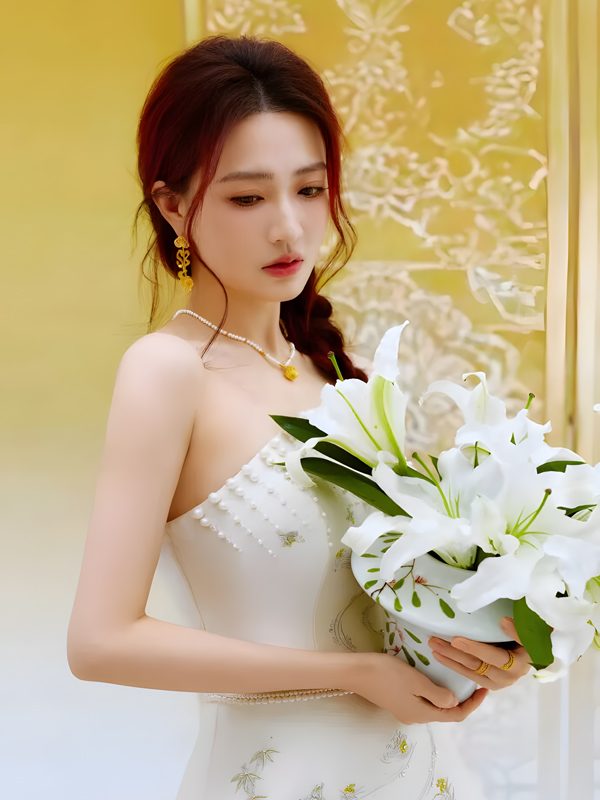
The accompanying skirt added to the ensemble's ethereal quality. Its layered, gradient tulle created a soft, flowing movement, making every turn visually striking. The color palette of satin white, milky beige, and pale gold exuded a quiet, innate luxury. This restrained scheme elevated her overall presence, proving that impact doesn't require loud colors.
Her styling completed the harmonious picture. A braided hairstyle nodded to classic beauty ideals while feeling fresh and modern. The choice of understated, tonal jewelry ensured the focus remained on the clothing's artistry. The overall effect was one of balanced contrast—the structured top against the airy skirt, traditional motifs within a modern cut—creating a look that felt both timeless and of-the-moment.
Cultural Threads
This styling moment is not an isolated incident but part of a significant cultural shift. It reflects the growing Guochao (国潮) trend, or "national wave," where domestic brands and designers reinterpret traditional culture for today's consumers. This movement is fueled by rising cultural confidence and a desire among younger generations to connect with their heritage in a relevant way. Fashion becomes a vibrant canvas for this expression.
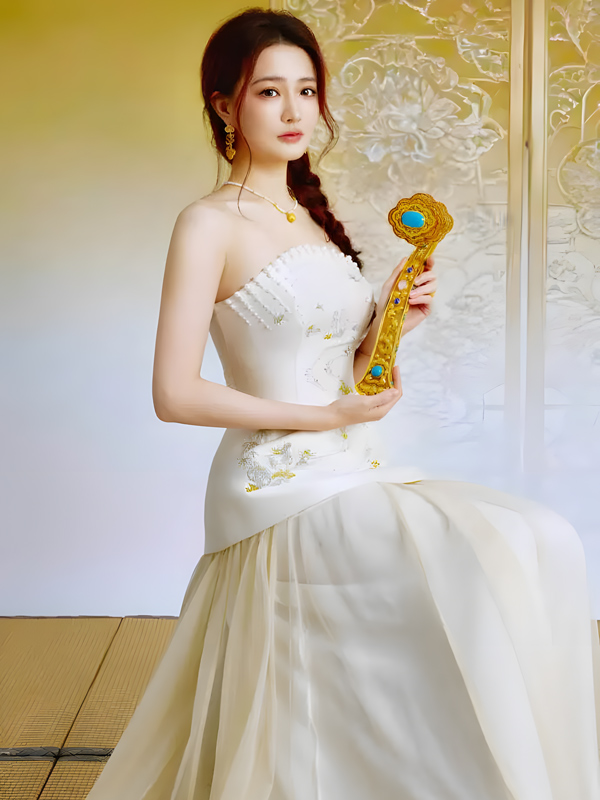
The approach is distinctly contemporary. It avoids historical costume replication. Instead, it deconstructs classic elements like embroidery, silks, and silhouettes from Hanfu or Qipao, recombining them with global fashion language. The goal is to capture the essence—the elegance, symbolism, and craftsmanship—while ensuring wearability for modern life. Xu Lu's outfit perfectly embodies this philosophy, merging a formal bustier with traditional decorative arts.
Ultimately, this trend signifies a deeper evolution in cultural identity. It demonstrates how historical aesthetics can be actively reshaped to inform modern self-presentation. For public figures like Xu Lu and the audiences who admire their style, fashion serves as a powerful, visible statement. It shows that tradition is not static but a living, adaptable force. The success of such looks hinges on a nuanced balance, achieving a fusion that feels authentic, respectful, and boldly innovative all at once.