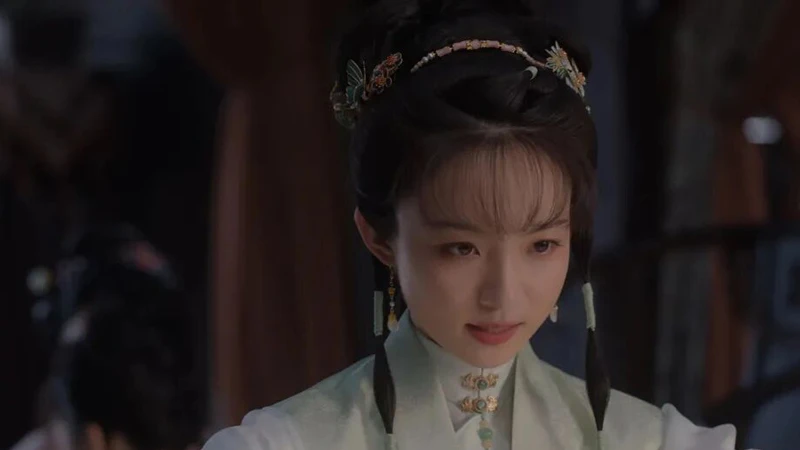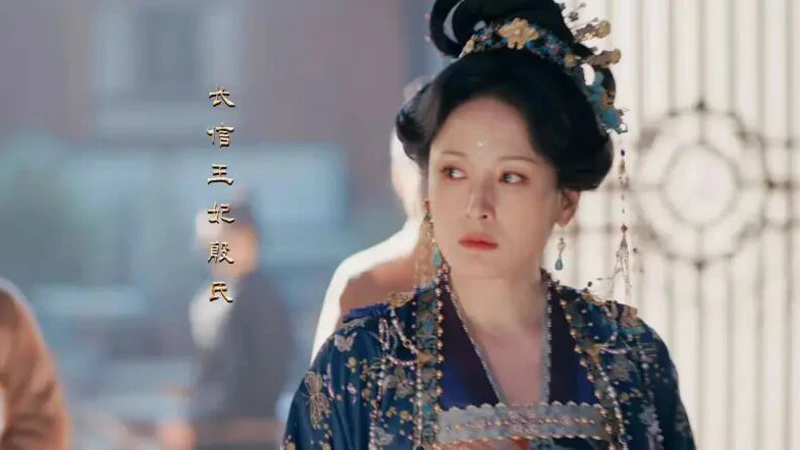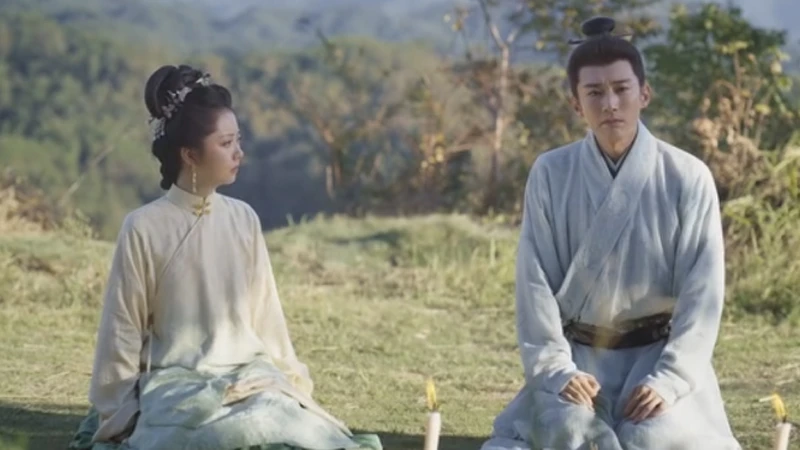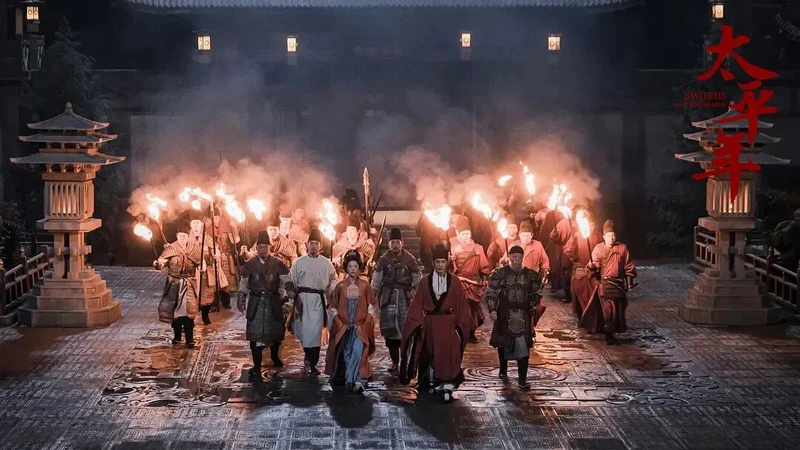
What does true leadership look like when an empire is at stake? This is the central question posed by Swords into Plowshares (太平年), a sweeping 40-episode historical saga premiering on China Central Television. Set against the chaotic backdrop of the Five Dynasties and Ten Kingdoms period, the series promises more than just palace intrigue and battlefield heroics. It delves into the profound moral weight of power, asking what a ruler must ultimately surrender for the sake of his people’s welfare.
With a powerhouse creative team behind acclaimed works like The Red (红色) and The Three-Body Problem (三体), and a cast filled with revered performers, the drama aims to transform dusty historical records into a gripping, human-centered narrative. It frames a pivotal, often-overlooked moment of Chinese unification not as a simple conquest, but as a deliberate, agonizing choice made by a king.
Converging Paths
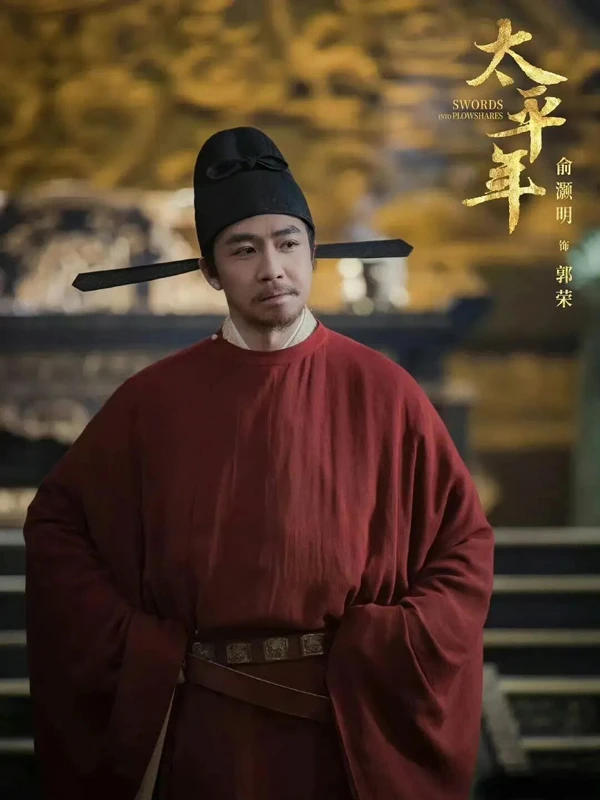
The narrative hinges on the intertwined destinies of three ambitious men. Qian Hongchu (钱弘俶), played by Bai Yu (白宇), ascends to the throne of the Wuyue (吴越) kingdom. His reign is defined not by expansion, but by a dogged pursuit of stability and prosperity for his subjects within a fragmented empire. In the north, Zhao Kuangyin (赵匡胤) employs military strength and political reform to forge a new order, establishing the Song dynasty. A third path is taken by Guo Rong (郭荣), whose journey highlights the other avenues of influence and conflict during the era.
The brilliance of the plot lies in its focus on Qian Hongchu’s perspective. It charts his internal struggle as the geopolitical landscape shifts irrevocably around him. The series asks viewers to consider a leader’s paramount duty: is it to preserve his own throne and kingdom’s independence, or to ensure lasting peace for all people, even if it means relinquishing sovereignty? This philosophical conflict moves the story beyond simple biographies of emperors and generals.
By personalizing this grand historical transition, Swords into Plowshares makes the past immediate. The political decision to surrender the Wuyue territories to the Song dynasty is portrayed not as a footnote of defeat, but as an active, monumental choice. It is depicted as the climax of a lifetime of governance, a final sacrifice demanding immense personal courage and foresight. This approach promises to make the historical outcome feel both emotionally resonant and intellectually compelling.
A Tapestry of Talent
The series’ impact is amplified by an ensemble cast that reads like a who’s who of Chinese acting prowess. Bai Yu, known for his intense and nuanced performances, faces the complex task of portraying Qian Hongchu’s evolution from a determined young lord to a world-weary king burdened by the ultimate sacrifice. His every calculated gesture and conflicted gaze in the trailers suggests a deep understanding of the character’s gravity.
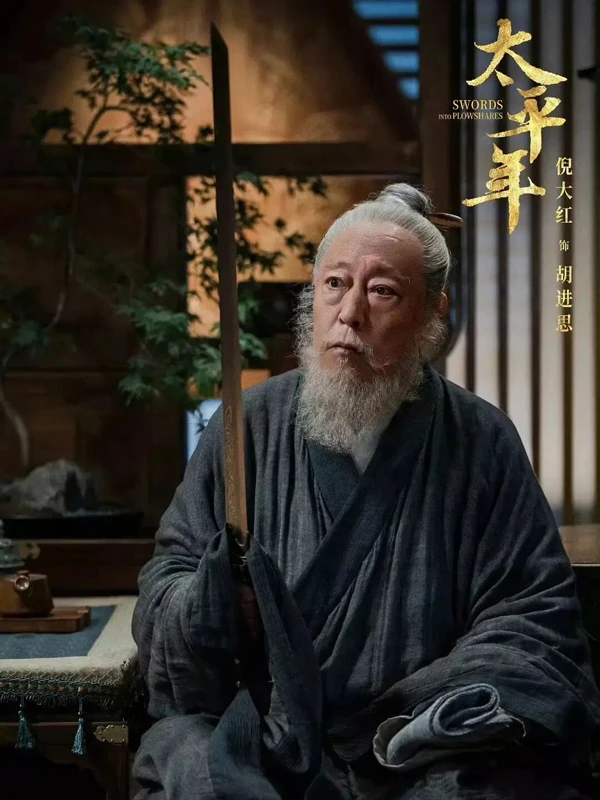
Opposite him, Zhu Yawen (朱亚文) brings a formidable, unifying energy to Zhao Kuangyin, the founding emperor of the Song dynasty. The dynamic between these two figures—one choosing to build, the other choosing to yield—forms the dramatic core. They are supported by veterans like Ni Dahong (倪大红) and Bao Jianfeng (保剑锋), actors renowned for their ability to command a scene with sheer presence, guaranteeing that every court debate and wartime strategy session crackles with tension.
Behind the camera, director Yang Lei (杨磊), celebrated for his narrative precision in The Red and his ambitious vision for The Three-Body Problem, is tasked with balancing epic scale with intimate drama. Screenwriter Dong Zhe (董哲), whose work includes major historical films, provides the foundational script that prioritizes character motivation over mere pageantry. This combination suggests a production that will be as visually stunning as it is thoughtfully written, aiming to set a new benchmark for the historical genre.