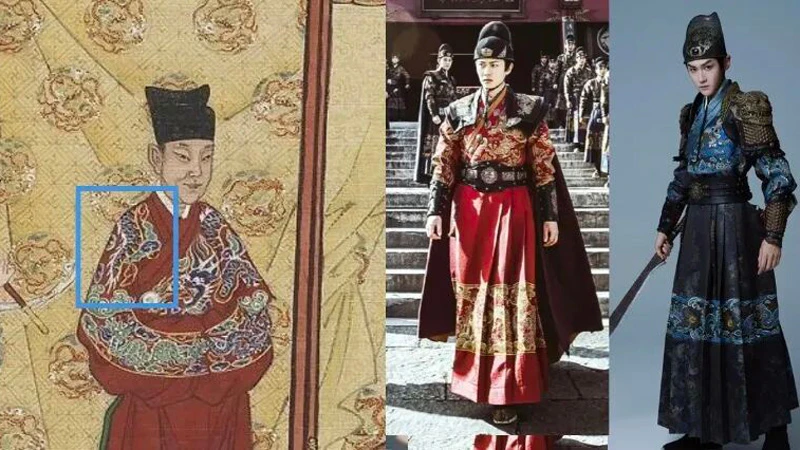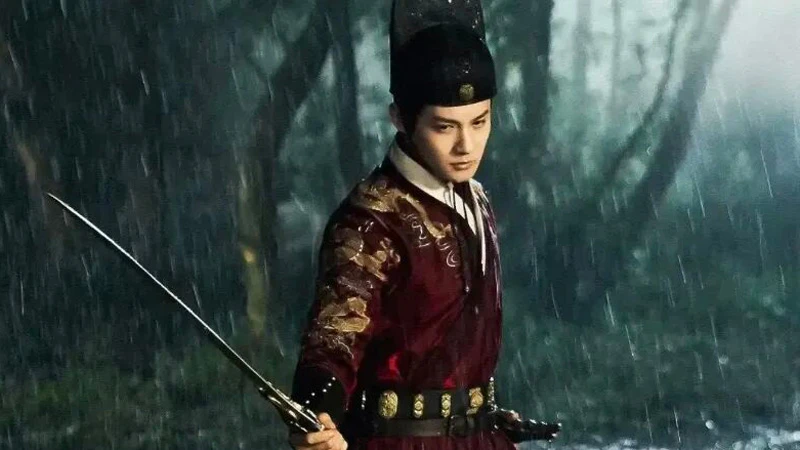
The image is iconic: a stern, formidable figure stalking palace corridors or shadowy alleyways, clad in brilliant crimson robes embroidered with mythical creatures, a sleek, curved blade at his side. This is the Jinyiwei (锦衣卫), or Embroidered Uniform Guard, as popular culture has cemented him in our minds. From television dramas to video games, this visual shorthand for Ming Dynasty secret police and imperial power is unmistakable. But what if this widespread portrayal is more fantasy than fact? The glamorous Feiyu uniform was not standard issue. For the vast majority of the men who served in this complex institution, such opulence was a distant dream, a privileged symbol reserved for a select few at the very top.
The Privilege of the Robe
Contrary to the on-screen legions of red-clad agents, the Feiyufu (飞鱼服) was not a uniform in the common sense. It was a “Cifu” (赐服), a bestowed garment, one of the highest honors the Ming emperor could grant. Ranking just below the imperial dragon robe, it was awarded individually for merit or faithful service. The right to wear it was a legal privilege, and unauthorized use was strictly forbidden. Its name comes from the “Feiyu” pattern: a legendary creature with a dragon’s head, a fish’s body, four claws, and often wings. In later designs, it evolved to closely resemble a python dragon, retaining only the distinctive fishtail.
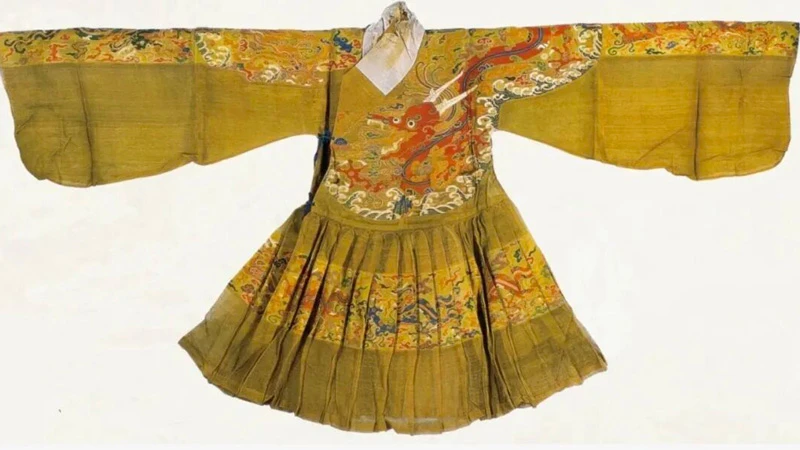
The robe itself was a masterpiece of textile art, woven from luxurious fabrics like Zhuanghua (妆花) silk gauze or satin. Its color denoted rank and the specific nature of the emperor’s favor. While crimson is the most recognized today, historical records and artifacts show robes in deep green, black, silver-white, and Xiangse (香色, a yellowish-brown). The rarest and most esteemed were those in purple, a color of exceptional imperial grace. A high-ranking commander or a trusted bodyguard in the emperor’s immediate retinue might be granted a black or crimson “Feiyu” for grand ceremonies like court audiences or sacrifices, transforming him into a living symbol of the emperor’s authority.
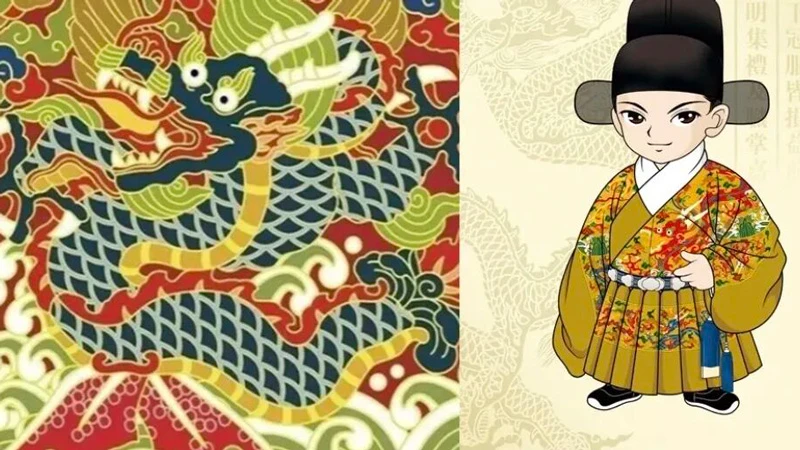
This visual distinction was critically important within the rigid hierarchy of the Jinyiwei. As noted in the Ming text Wanli Yehuo Bian (万历野获编), a Guard officer assuming a high post might be bestowed with the embroidered Xiuchun (绣春) blade, a jade belt, and either a python or flying fish robe. The garment was not about stealth or utility; it was a blazing, heraldic badge of proximity to the throne, worn only by those who stood closest to the Son of Heaven on his most important days.
The Common Agent’s Truth
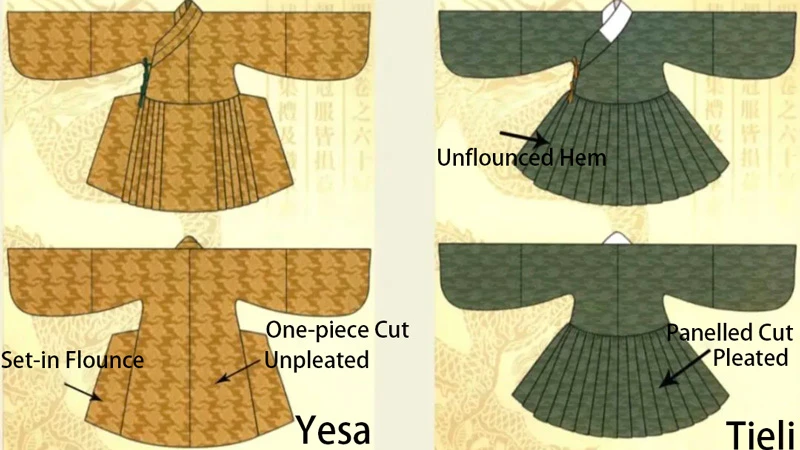
So what did the average Jinyiwei operative wear? The answer is far less glamorous. The rank-and-file members, the thousands of bailiffs, jailers, messengers, and investigators, dressed in standard military or official attire. This typically consisted of practical, solid-colored robes like the Tieli (贴里) or Yesa (曳撒), which were functional garments with pleated skirts for ease of movement on horseback. These clothes were simple, devoid of elaborate embroidery, and visually similar to what other mid or low-level military officers wore. The imposing “broad shoulders, narrow waist” silhouette often seen stems from the cut of these Yesa, whose flared skirts could create a commanding figure.
The lowest echelons—the spies, informants, and field agents operating in cities and along the frontiers—wore no identifying marks at all. Their success depended on invisibility. They dressed as merchants, farmers, or peddlers, their clothing dictated by their cover story and local custom. An agent tracking suspects in a southern port would look entirely different from one monitoring northern border garrisons. Their power lay not in intimidating regalia, but in their ability to blend seamlessly into the human tapestry.
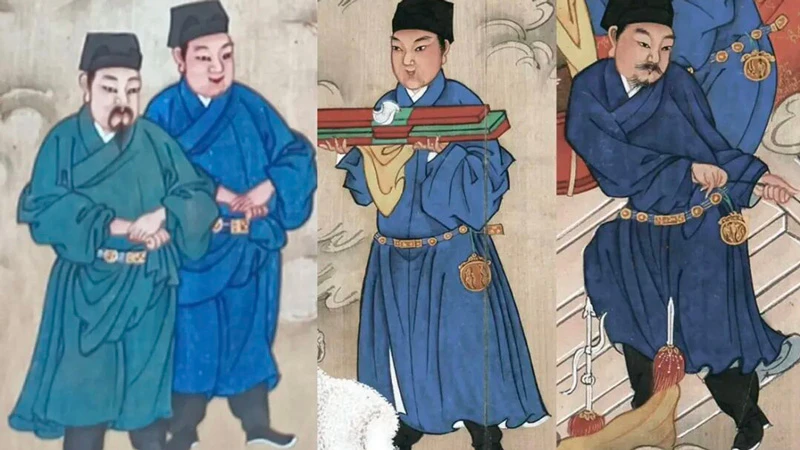
By the late Ming Dynasty, sumptuary laws eroded, and wealthy officials and civilians began illegally wearing Feiyu-inspired patterns, diluting its exclusivity. Yet for the common Jinyiwei, the bestowed robe remained unattainable. His reality was one of routine investigation, prison duty, or perilous undercover work, far removed from the crimson-clad pageantry of the court. The institution was a massive bureaucratic machine, and most of its cogs were anonymous men in ordinary clothes, executing the often-grim daily business of imperial security and surveillance.