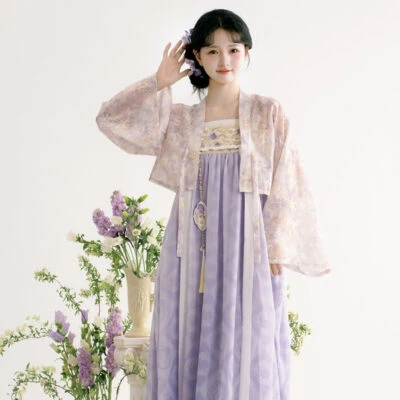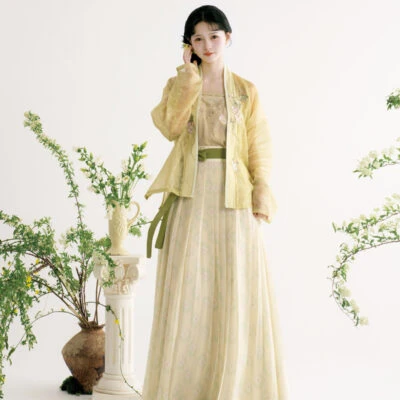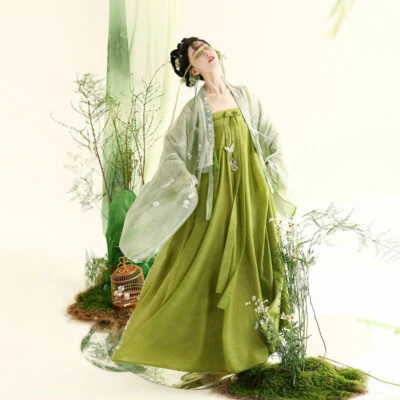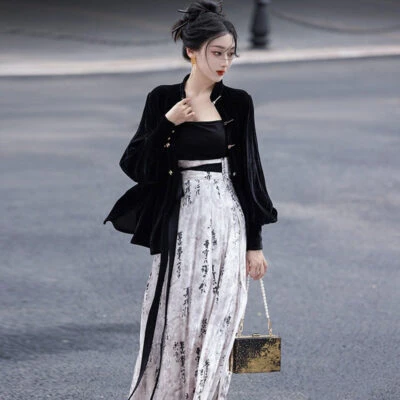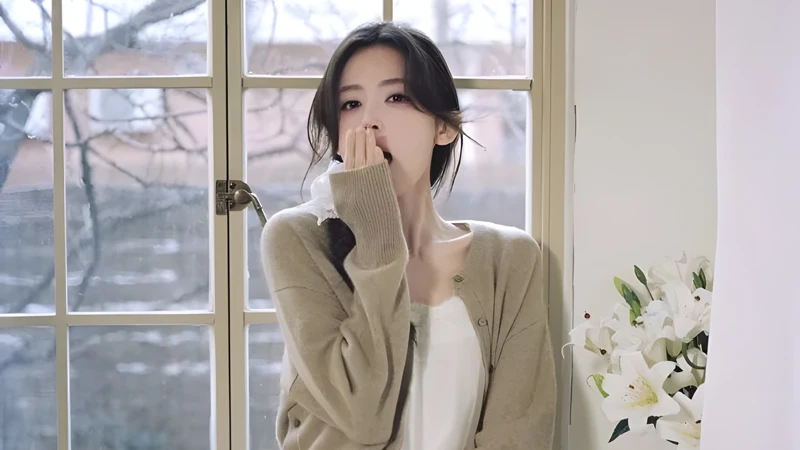
A recent series of photos featuring actress Na Zha (娜扎) has sparked widespread admiration, offering a masterclass in winter styling that feels both cozy and enchanting. Against a backdrop of white lilies and soft, golden-hour light, she presents a vision of gentle elegance that seems to defy the season’s chill.
The outfit, a study in tonal harmony and textural contrast, moves beyond mere clothing to evoke a specific mood—a warm, languid afternoon feel. This look challenges the conventional wisdom of bulky winter wear, proving that warmth and a soft, romantic aesthetic are not mutually exclusive. It serves as a compelling entry point into a broader discussion about seasonal style, personal expression, and the subtle art of crafting an atmosphere through what we wear.
The Relaxed Knit
The cornerstone of this look is a light khaki knitted cardigan. Its power lies not in structure, but in its deliberate lack of it. The soft, draped fabric and slightly oversized silhouette create an immediate sense of ease and comfort. This approach to knitwear shifts the focus from shaping the body to encompassing it in a soft, tactile layer. The color itself—a muted, earthy tone—acts as a neutral canvas, warm without being loud, perfectly suited for building a layered look. It prioritizes a feeling of relaxed grace over fitted precision, setting a foundation that is inherently gentle and approachable.
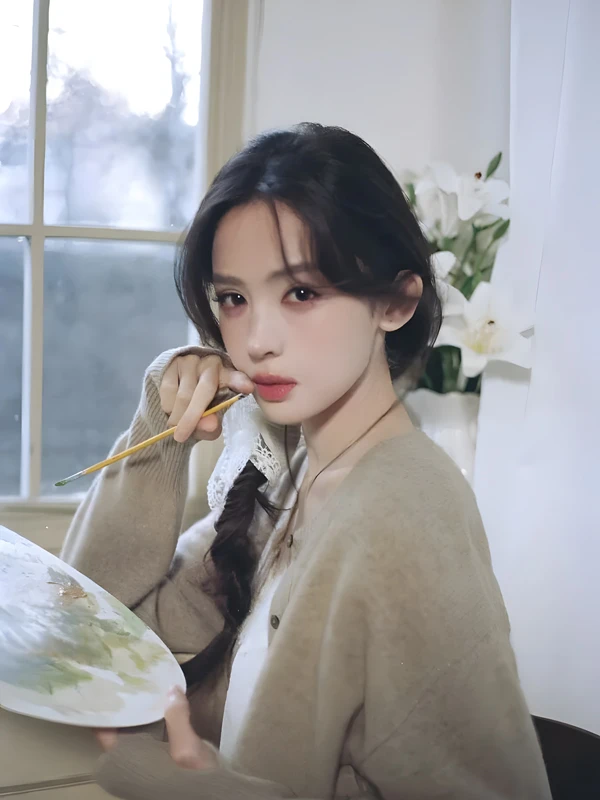
This choice speaks to a larger trend favoring comfort and personal ease in fashion. The relaxed knit becomes a tool for expressing a laid-back, confident attitude. It suggests that style in the colder months does not have to involve stiffness or restrictive layers. Instead, it can be about embracing volume and softness, allowing the garment to interact with the wearer’s movement naturally. The result is an outfit that looks lived-in and personal, as opposed to overly curated or severe.
Furthermore, the knit’s versatility is key. It can be worn open, as shown, to frame the layers beneath, or buttoned for a more cocooned effect. This adaptability makes it a practical yet stylistic anchor for a winter wardrobe. It demonstrates how a single, well-chosen piece in a forgiving cut and neutral hue can offer numerous styling possibilities, from casual daytime wear to more composed, evening-appropriate ensembles when paired with the right elements.
Lace in the Cold
The most surprising and defining element is the white lace dress worn underneath. Introducing such a delicate, traditionally summery fabric into a winter context is a bold stroke. The lace provides intricate detail and a play of transparency against the solid, matte knit. Its floral patterns and light, airy construction bring a feminine touch that balances the cardigan’s casual simplicity. This pairing breaks seasonal clichés, arguing for a more imaginative use of textiles year-round.
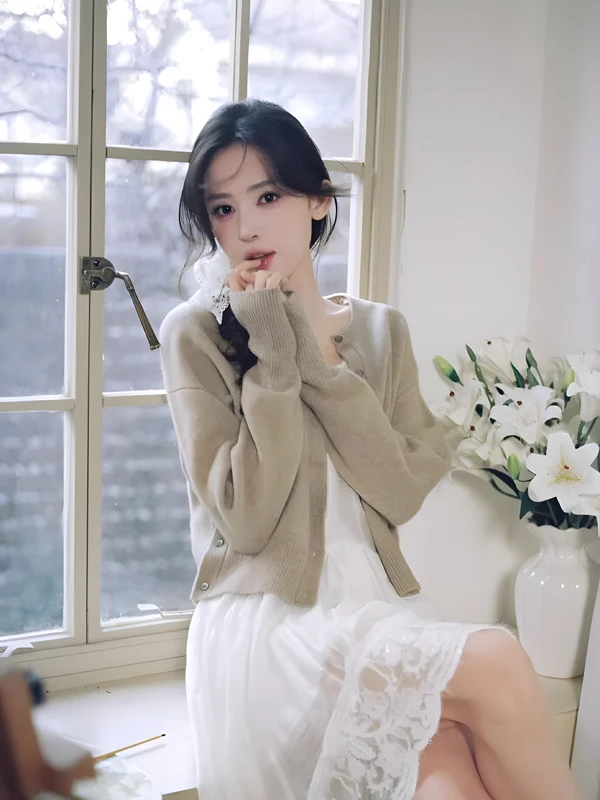
The success of this combination hinges on balance. The dress’s delicacy is grounded by the substantial knit, preventing the look from becoming overly sweet or fragile. The white color brightens the overall palette, reflecting light and preventing the earthy tones from appearing too heavy. It is a reminder that winter dressing can incorporate lightness, both in color and in fabric spirit, to combat the visual weight often associated with the season.
This use of lace recontextualizes the fabric. It is no longer reserved for sheer overlays or warm-weather events but is presented as a legitimate layer for texture and romance. Worn under the sheltering knit, it becomes a personal, secret detail that adds depth and sophistication. It encourages a rethink of wardrobe contents, inviting pieces typically stored away for summer to be integrated into cold-weather outfits for unexpected contrast and beauty.
Crafting the Scene
The undeniable impact of the photos extends beyond the clothes to the carefully composed setting. The styling is in dialogue with its environment. The white lilies beside her echo the white of the lace, creating a visual rhyme. The warm, diffused lighting complements the khaki tones, wrapping the entire scene in a cohesive, sun-drenched glow. This harmony between attire, props, and light is what transforms a simple outfit post into a narrative image. It shows clothing as part of a larger story or feeling.
This attention to atmosphere highlights a modern understanding of personal style as holistic. It is not just about the garments on one’s body, but how they interact with their surroundings and the mood they collectively project. The “scene” becomes an extension of the outfit. For everyday style, this translates to considering color palettes in our homes, the natural light in an office, or even the ambiance of a café when choosing an outfit, aiming for a seamless and intentional visual presentation.
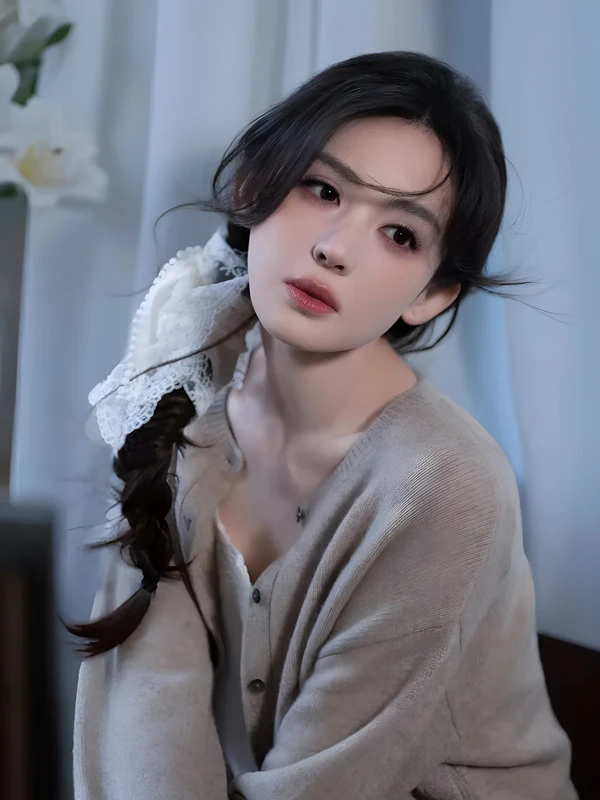
Ultimately, this approach makes fashion more experiential and less transactional. It is about cultivating a personal aesthetic that engages with the world. The outfit worn by Na Zha provides a blueprint: start with comfortable, quality basics in harmonious colors, introduce one element of surprise or delicate contrast, and always be mindful of the final picture you wish to create. The goal shifts from just getting dressed to composing a moment of quiet beauty, proving that even in winter, style can feel like a soft, gentle dream.