Article
Search results:
-
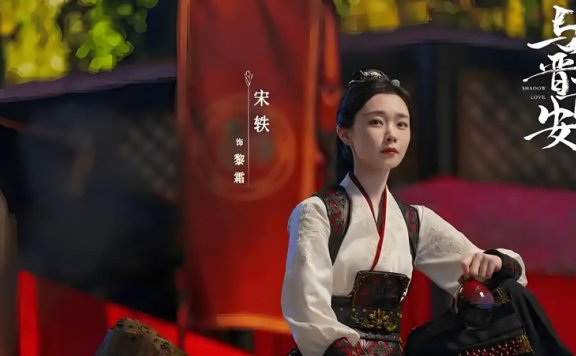
How Shadow Love's Ending Undermines Its Female Hero
The finale of the romantic fantasy drama Shadow Love (与晋长安) has sparked heated discussions among viewers, not for its grand romantic resolution, but for its perplexing character arc for the female lead. The series, starring Song Yi (宋轶) and Cheng Lei (丞磊), follows the story of a formidable female general whose identity and autonomy are systematically dismantled, all in the name of love. This narrative choice has left many audiences questioning the underlying message it sends about female empowerment in contemporary historical fantasies. A Warrior's Diminishment For the overwhelming majority of the series, Song Yi's character, General Li Shuang (黎霜), is a respected and capable military leader. She commands troops, strategizes in battle, and embodies strength and resilience. Her identity is firmly rooted in her duty to her country and her prowess as a warrior. The audience invests in her journey as a powerful woman navigating the complexities of war and political intrigue within the kingdoms of Yao (姚) and An Nan (谙南王). However, the narrative takes a sharp turn in the final act. After being captured in battle by Duan Aodeng (段敖登), her gradual shift from prisoner to love interest begins. Despite a brief period of harsh interrogation, she… -
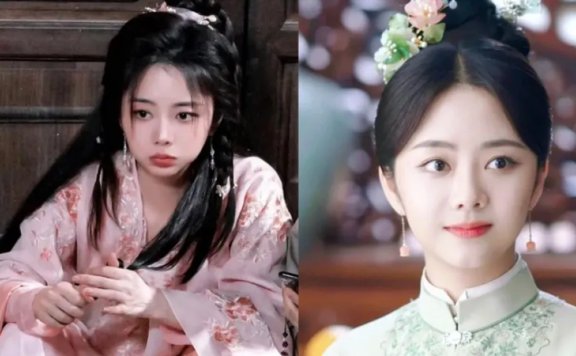
A Hairstyle Transformed Tan Songyun’s Look
When actress Tan Songyun (谭松韵) appeared in the new historical drama Against The Current (兰香如故), audiences were stunned. Her look wasn’t just different—it felt like a revelation. Gone were the structured, heavy styles of her previous Ming-era roles. In their place was something lighter, more poetic, and deeply rooted in classical Chinese aesthetics. This transformation wasn’t accidental. It was the result of deliberate, historically-informed styling centered around an ancient Han Dynasty hairstyle known as Ji Huan (髻鬟). This style did more than just change her appearance—it redefined her character’s grace, elegance, and inner strength, proving that sometimes, the smallest details carry the deepest meanings. The Ji Huan Ji Huan is a traditional hairstyle where hair is arranged into hollow, ring-shaped buns secured at the crown. The term breaks into two parts: Ji, meaning a coiled knot of hair, and Huan, referring specifically to the circular, ringlet form. Unlike solid buns, the hollow design of the Huan creates a sense of volume without weight, giving the hairstyle a floating, almost ethereal quality. This style became popular from the Han Dynasty onward and is frequently depicted in classical court paintings. Its beauty lies in its versatility. It could be worn as a… -
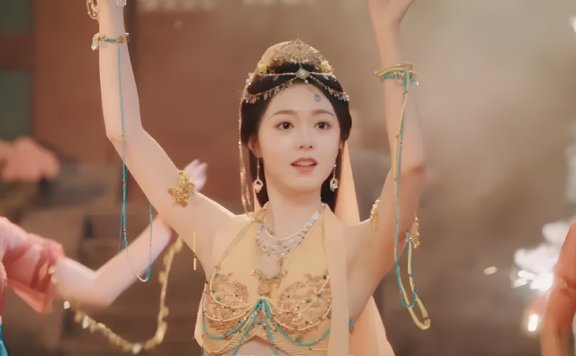
The Lost Diversity of Ancient Chinese Dance Attire
Have you ever noticed how often chest-baring dresses dominate dance scenes in today"s historical dramas? This singular style, frequently referred to as the "Dunhuang style," has become a ubiquitous visual shorthand. But a glance through history"s rich tapestry reveals a far more diverse and fascinating story of dance attire, where each dynasty expressed its unique aesthetic and cultural values through movement and fabric. Warring States Elegance During the Warring States period, the ideal of a slender, graceful figure was paramount. This is perfectly captured in the carved "Yu Wu Ren (玉舞人)" figurines. These artifacts depict dancers in long, trailing Zhiju (直裾) robes with flowing sleeves, their hair styled in intricate buns. The emphasis on a tiny waist was not merely aesthetic; it was a cultural reflection of the Chu kingdom"s famous preference for slender figures, a trend so influential it was said the kingdom"s people would starve themselves to achieve it. The dance movements from this era aimed for an ethereal, floating quality. Dancers used their elongated sleeves and heavy skirts to create beautiful, sweeping motions, making their bodies seem almost weightless. This connection between costume and choreography was intrinsic, with the clothing designed to enhance and amplify the dancer"s… -
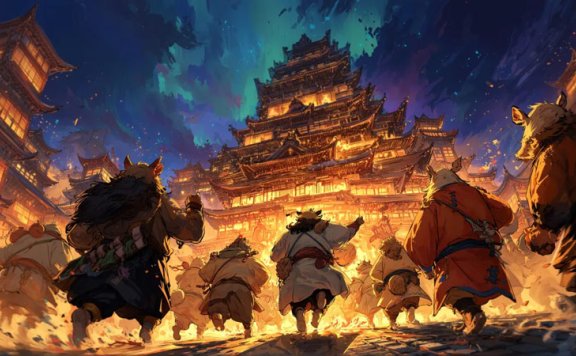
The AI-Powered Ink-Wash Fantasy of The Spirit of the Mountain
When mythical beasts, ink-wash aesthetics, and cutting-edge AI technology collide, what kind of magic can they create? The team behind The Spirit of the Mountain (有山灵), an AIGC-powered full-process animation, offers a compelling answer through their creative journey. Crafting Eastern Philosophy The Spirit of the Mountain unfolds in a fantasy world rooted in the Classic of Mountains and Rivers, a revered ancient Chinese text. Narrated from the perspective of a rat spirit, the story follows Shu Laoda (鼠老大), who gains a unique ability—immunity to all poisons—from his upbringing. Raised with "Chinese-style family values" emphasizing integrity ("a good rat doesn’t steal rice; poverty can’t dim one’s spirit"), Shu Laoda navigates tasks assigned by the Cat Master of the Medicine Pavilion, facing trials of character from other beastlords while growing wiser. The inspiration struck when the creative team explored illustrated editions of the Classic of Mountains and Rivers. "Those weird, slightly absurd images stuck in my mind," says Pang Jia (庞佳), a lead creator. "I thought, what if we turn that wonder into a story with cultural depth and a rich world—not just another monster tale?" Producer Li Wei (李玮) highlights the project’s cultural ambition: "It’s not just showcasing AI’s ability to… -
Styling Story of Ju Jingyi's Lace Headpieces in Lai Zhan
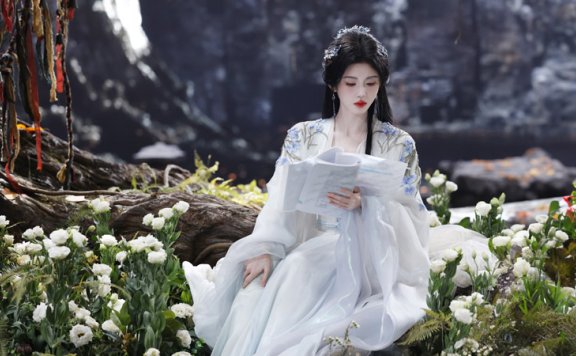
When photos from the set of the new historical drama Lai Zhan (来战) surfaced online, they sparked an unexpected debate. Actress Ju Jingyi (鞠婧祎) was seen wearing a headpiece adorned with lace, a detail that quickly divided netizens. Some compared it to a childhood costume accessory, while others posed a more profound question: Is lace purely a Western concept, or does China possess its own ancient tradition of delicate, openwork fabric? This seemingly simple fashion critique opened a door to a much larger conversation about cultural heritage, perception, and the untold stories woven into the very threads of history. Lace's Journey East The word "lace" itself is derived from the Latin "laqueus," meaning noose or snare, later evolving through English and French to describe intricate openwork fabric. Historically, the lace we recognize today is indeed a European innovation. It blossomed in the sixteenth century within the workshops of Italy and Flanders, transforming from simple cords into a luxurious art form created by looping, twisting, or knitting thread. Intricately made by hand from linen thread, it was exceedingly valuable. This European lace was introduced to China during the late Ming Dynasty, most likely by Western missionaries like Matteo Ricci. These missionaries… -

Is the Silliest Character in Midnight Return Also the Luckiest?
In the bustling, supernatural-infused capital of the Tang Dynasty, one man's incredible luck challenges the very notion of survival. The period drama Moonlit Reunion (子夜归) presents a world where demons lurk in shadowy alleys and celestial beings walk among mortals. At the heart of this tale is Mei Silang (梅四郎), a character whose foolish demeanor belies an astonishing talent for escaping peril. While others rely on strength or cunning, he navigates danger with a unique blend of naivety and pure-heartedness, making him the most fortunate soul in all of Chang'an (长安). The Unlikely Survivor Mei Silang seems to attract trouble with a frequency that would doom any ordinary man. His habit of secretly sketching the fierce demon hunter, Liu Taizhen (柳太真), draws the attention of a shadow demon that nearly ends his life. Yet, at the critical moment, the subject of his affections arrives to save him. This pattern of narrow escapes defines his existence. On another occasion, he mistakenly brings home what he believes to be a simple loach, only to discover it is the powerful snake spirit, Xuan Hui (玄虺). Fortunately, the spirit is not malevolent, sparing his life once again. His lack of awareness extends to being… -
How The Ming Dynasty's Costume is Captivating the Modern World
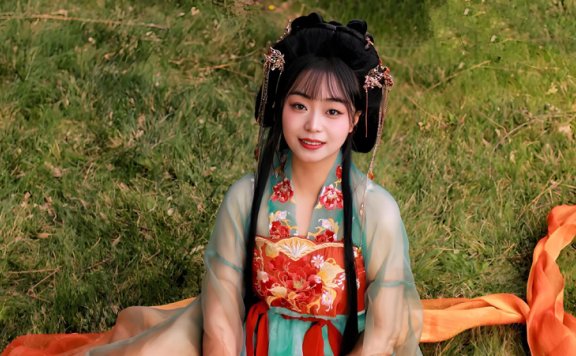
Have you ever wondered what makes a garment more than just fabric? In the bustling streets of modern China, a style from centuries past is making a stunning comeback. This is not merely a fashion trend; it is a journey into an era where clothing was a language of its own, speaking volumes about status, artistry, and identity. The sartorial legacy of the Ming Dynasty offers a unique window into a world of sophisticated aesthetics and social order, a world that continues to captivate designers and cultural enthusiasts today. Its appeal lies in a powerful combination of structured elegance and deep symbolic meaning, providing a rich source of inspiration far beyond the history books. Iconic Silhouettes Several key elements define Ming attire, making it instantly recognizable. The most famous is arguably the Mamianqun (马面裙), or "horse-face skirt." This ingenious design featured four overlapping panels—two in the front and two in the back—with pleated sides. When the wearer walked, the skirt created a graceful, flowing wave-like motion. Its design was both slimming and practical, allowing for ease of movement. Today, it remains a cornerstone of any Hanfu enthusiast's wardrobe, celebrated for its timeless elegance. Another defining feature was the stand-up collar,… -
Yang Mi's Crimson Look: Rivals Her Legendary Chinese Paladin 3 Role?
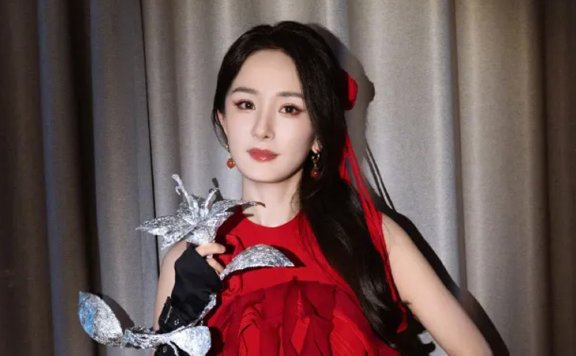
Yang Mi (杨幂), a name synonymous with both acting prowess and captivating style, has once again ignited the internet. Her recent appearance, showcased by her studio, features a breathtaking transformation centered around a bold, vibrant red gown. This look isn't just another photoshoot; it evokes powerful nostalgia and sparks conversations about her enduring star power and artistic evolution. The simplicity and intensity of the crimson ensemble, paired with her striking poses and undeniable charisma, create a moment that transcends mere fashion, transporting fans back to a beloved chapter in her career while showcasing her current radiant vitality. It’s a powerful visual statement about an actress constantly refining her craft and presence. The Crimson Muse Draped in a flowing, fiery red gown, Yang Mi commanded attention. The dress wasn't an isolated statement; every detail harmonized. Matching crimson earrings and a red head ribbon complemented the outfit, amplifying a sense of unified, vibrant beauty. Her long, dark hair cascaded softly to one side, framing a face adorned with meticulously applied, elegant makeup. The overall effect was one of stunning simplicity – proof that powerful style doesn’t always require complexity. Her poised demeanor radiated confidence and grace. Adding an unexpected, edgy element to… -

Wei-Jin Style or Modern Creation? Ye Shuhua's Outfit Ignites Hanfu Discourse
The recent online storm surrounding Taiwanese singer Ye Shuhua's (叶舒华) ancient-style photoshoot highlights a fascinating, yet complex, debate simmering within the world of traditional Chinese attire. While her look, characterized by flowing sleeves and layered robes, drew widespread admiration from Korean netizens who hailed it as "stunning," it simultaneously ignited controversy among some Chinese observers. Their critique wasn't primarily about Ye Shuhua herself or the aesthetic appeal, but rather centered on a crucial question: is this "Wei-Jin style" truly representative of authentic Hanfu, or is it something else entirely? Ye Shuhua's Look and the "Wei-Jin" Label Images of Ye Shuhua dressed in elaborate, flowing garments quickly spread across social media platforms, particularly in South Korea, generating significant buzz. The look was widely labeled online as "Wei-Jin Feng" (魏晋风), evoking the aesthetics associated with the Wei and Jin dynasties (220-420 AD) in Chinese history. This labeling became the crux of the subsequent debate. While many praised the visual impact, a vocal segment of Chinese netizens raised objections, not necessarily disputing the beauty of the outfit itself, but challenging its historical authenticity and the accuracy of the "Wei-Jin" designation. The core of their argument lies in the origins of what is currently… -
Tian Xiwei's Bridal Look in Moonlit Reunion
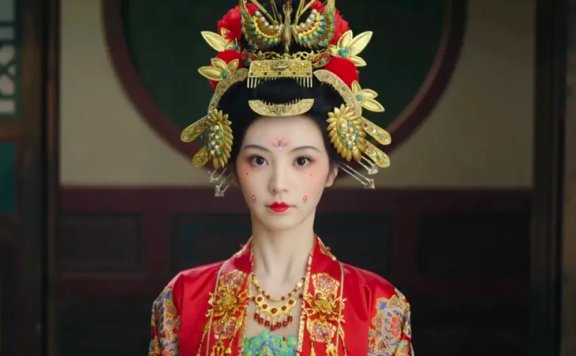
Beyond mere decoration, the elaborate bridal makeup and headdress worn by actress Tian Xiwei (田曦薇) in the historical drama Moonlit Reunion (子夜归) are deeply rooted in the symbolic visual language of the late Tang and Five Dynasties periods. Beyond Makeup: Symbols on Skin Tian Xiwei's striking bridal look in the historical drama Moonlit Reunion sparked heated debate. Many viewers questioned the elaborate floral patterns adorning her face and the large, distinctive ornaments flanking her temples. Rather than random excess, this aesthetic authentically channels late Tang Dynasty (618-907 AD) and Five Dynasties (907-960 AD) artistry. The intricate facial designs, known collectively as Mian Ye (面靥), transformed skin into a canvas for symbolic meaning. Different motifs—Niao Ye (鸟靥), Hua Ye (花靥), or Xing Ye (星靥)—served as auspicious emblems, reflecting an era where multicultural exchange and Buddhist influences permeated beauty ideals. The application method fascinated historians. Beyond painted designs, historical texts like Ling Biao Lu Yi (岭表录异) document using dried botanicals adhered with fish-glue. This practice evolved into lavish displays during the late Tang, where nobles competed in ornamental excess. Mian Ye expanded beyond traditional cheek placements, climbing to foreheads and framing noses. While visually dense, these arrangements followed deliberate compositional rules, creating an… -
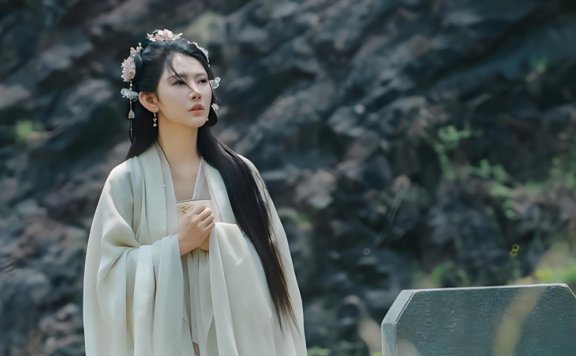
The Masterful Portrayal of a Modern Hero in Fuliu Ji Changsi
Move over, predictable palace intrigues. The historical drama landscape is being reshaped by Fuliu Ji Changsi (拂柳寄长思), a series captivating audiences with its profound exploration of vengeance, sacrifice, and ultimate transcendence. This production masterfully intertwines intense personal anguish with the weight of national crisis, creating a resonant narrative that resonates far beyond typical costume drama fare. Forget petty squabbles over favor; here, personal vendettas collide with the existential threat of war, forging a story of remarkable emotional and ideological depth. Expanding the Narrative Horizon Traditional dramas often confine their characters within gilded cages of familial power struggles. Fuliu Ji Changsi shatters these walls. The story orbits Huo Qingchen (霍清辰), the privileged heir of a marquis household, whose world implodes spectacularly. Betrayed by his elder brother, stripped of his inheritance, abandoned by his lover, and facing death, his fall is catastrophic. Yet, this devastating personal tragedy is merely the first act. The narrative scope expands relentlessly. Huo Qingchen's quest for personal justice becomes entangled with volatile court politics, escalating tensions that spill onto the nation's borders as foreign invaders threaten. The stakes evolve dramatically, shifting from reclaiming lost honor to defending the very existence of his homeland. This deliberate structural escalation… -
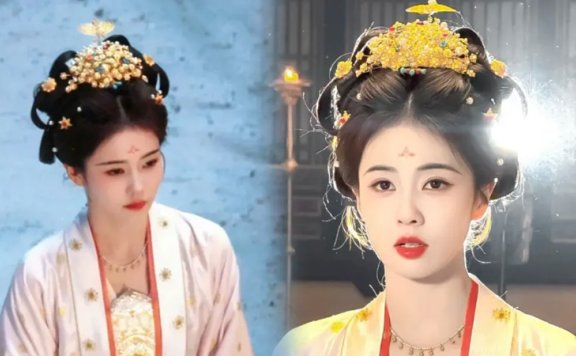
The Golden Moth: How a 1,400-Year-Old Hairpin Captured Modern Hearts?
In the bustling world of historical dramas, a tiny golden insect has taken flight from ancient tombs to modern screens. The appearance of a distinctive moth-shaped hairpin in the popular series Unveil: Jadewind (唐宫奇案) , worn by actress Bai Lu (白鹿) as her character Li Peiyi (李佩仪), sparked instant recognition among viewers. "I’ve seen that in a museum!" exclaimed countless fans, pinpointing its origin to a real artifact excavated decades ago. This exquisite piece, known as the Nao'e (闹蛾) hairpin, transcends its role as a costume prop. It represents a breathtaking fusion of Tang Dynasty artistry, cultural symbolism, and a poignant human story, connecting audiences across centuries through its delicate, shimmering wings. Its journey from an elite child’s grave to a television phenomenon reveals the enduring power of historical craftsmanship and the timeless desire to adorn oneself with meaning. Artisan's Legacy Unearthed in 1957 from the tomb of Li Jingxun (李静训) in Xi'an, Shaanxi Province, this Nao'e hairpin now resides in the National Museum of China. Classified as a Buyao (步摇), a type of hairpin designed to tremble gracefully with movement, it exemplifies the pinnacle of Sui Dynasty goldsmithing. Renowned scholar Shen Congwen (沈从文) identified similar pieces in his work… -
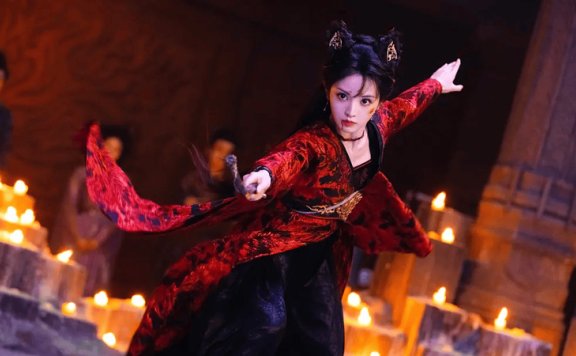
Moonlit Reunion: How It Defied Norms to Captivate China
Within five episodes, Tencent's exclusive drama Moonlit Reunion (子夜归) shattered records, hitting 24,000 in viewership metrics – the platform's fastest breakout success this year. Produced by Ningmeng Pictures (柠萌影视), this fantasy monster-hunting series emerged as the dark horse of the summer season. Its secret? A wholesale rejection of tired tropes dominating the historical romance genre. Through fresh storytelling and bold character design, it delivered a long-awaited feast for the senses, proving audiences crave innovation over imitation. Character Revolution Gone is the fragile maiden awaiting rescue. Wuzhen (武祯), the female protagonist, commands her destiny with a dual identity: aristocratic lady by day, powerful Cat Lord of the Night Demon Kingdom after dark. She pursues love actively, embraces vengeance freely, and radiates an unapologetic independence, dismantling the passive, dependent archetype plaguing historical dramas. Remarkably, the series embodies the "female gaze" – a rarity. Wuzhen's direct pursuit of male lead Meizhuyu (梅逐雨) showcases a woman unafraid to express desire and seize initiative. This perspective shift challenges traditional gender dynamics while resonating powerfully with modern viewers. Equally unconventional is Meizhuyu. He lacks noble lineage or supreme magical prowess, merely a humble Taoist priest from a fading exorcist family. Yet, his sincerity, profound respect, and… -

How Li Shuang's Hidden Love for Jin An Defied All Expectations
Some love stories captivate not through grand declarations, but through unspoken sacrifices. Shadow Love (与晋长安) masterfully crafts this subtlety in the evolving bond between General Li Shuang (黎霜) and the mysterious Jin An (晋安). Their connection defies simple labels—shifting between protector and protected, vulnerability and strength—revealing Li Shuang's deepening affection through actions louder than words. The Lost Protector When amnesia stripped Jin An of his past, he clung to Li Shuang like an unwavering shadow. Her repeated attempts to send him away stemmed not from annoyance, but fear. With her fortress under siege, she knew survival was unlikely. Banishing him was a desperate bid to save his life—a choice betraying her growing attachment. His persistence, childlike yet resolute, wore down her defenses. Only when the immediate danger passed could she admit the relief she felt having him stay. This fragile beginning laid the groundwork for a trust that would soon be tested far beyond battlefield perils. Their dynamic defied convention. One moment, Jin An trailed her like a devoted younger brother seeking guidance; the next, his instincts flared with protective intensity. Li Shuang, accustomed to commanding soldiers, found herself disarmed by his dual nature—a blend of innocence and latent strength… -
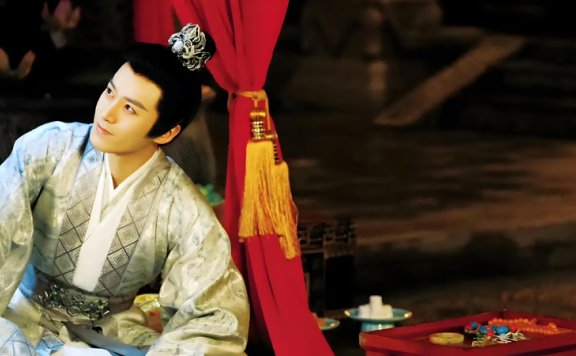
Voyage to Haihun - A Time Traveler's Odyssey
Chinese streaming platform Tencent Video has ignited screens with its new costume drama, Voyage to Haihun (海昏行). Premiering its first eight episodes on August 30, 2025, the series rapidly captivated audiences, trending fiercely with viewership soaring past the ten thousand mark. Blending time-travel, infinite loop mechanics, and historical legend, it thrusts modern disillusionment into the heart of the Western Han Dynasty (206 BC – 9 AD). The story follows Wang Heng (王衡), a down-on-his-luck contemporary man catapulted into the past by a mysterious bronze Qilin (麒麟, mythical Chinese creature). Finding himself entangled with the fierce female warrior De Jiu (得九) and the complex nobleman Liu He (刘贺), Wang Heng navigates treacherous historical currents, armed with future knowledge and an uncanny ability to reset fate. This potent mix has sparked fervent debate, leaving audiences divided on its merits. Beyond Time Travel The show's explosive debut hinges on its audacious central mechanic. Wang Heng possesses a "rebirth after death" ability, akin to reloading a saved game. This "retry" function creates intense immersion as he repeatedly alters his path. Early episodes showcase desperate, often comedic, attempts by Wang Heng and Liu He to escape their initial confinement – stealing seals, plotting elaborate horse… -
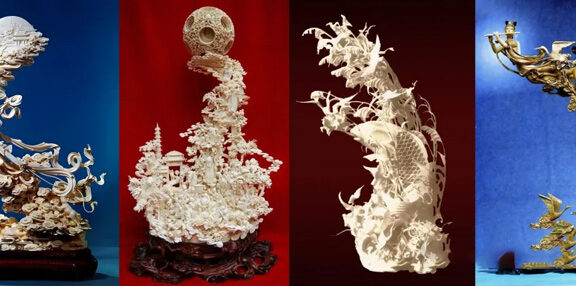
Artistic Characteristics of the 4 Major Ivory Carving Crafts in China
Chinese ivory carving, with its profound historical evolution, is renowned for its exquisite craftsmanship, diverse categories, distinctive ethnic charm, and strong regional characteristics. The introduction of the "Double Hundred" in the 1950s further stimulated the flourishing development of China's arts and crafts, significantly refining and consolidating the unique regional styles of ivory carving. From the 1950s to the 1980s, ivory products became one of the major exports in China's craft sector, with specialized art factories across the country nurturing talents and advancing creative techniques. This era not only contributed substantially to socio-economic and cultural development but also gave rise to recognized regional schools, most notably the "Four Major Ivory Carvings" from Beijing, Guangzhou, Shanghai, and Nanjing, sometimes expanded to include Fuzhou. Many other regions also developed their own traditions, leaving behind a rich cultural legacy and artistic heritage for future generations. 1. Beijing Ivory Carving: Millennia in the Making For over two thousand years, Beijing has been a pivotal center for ivory carving, an art form deeply intertwined with Chinese cultural identity. Evidence from a Warring States period tomb at Huangtupo (黄土坡), Beijing, yielded an ancient ivory comb, marking its early roots. Flourishing particularly during the Ming and Qing dynasties,… -
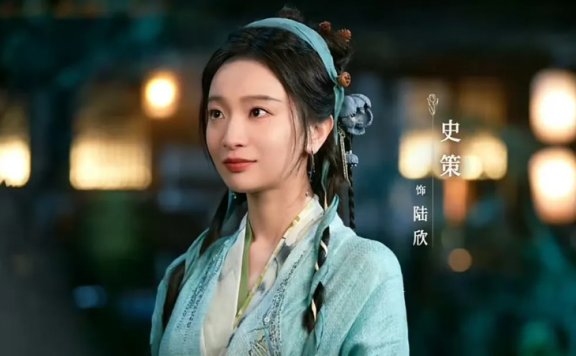
Shadow Love: What Makes This Unexpected Bromance Steal the Show?
While the romantic sparks between General General Li Shuang (黎霜, played by Song Yi) and the endearingly devoted Jin An (晋安, played by Cheng Lei) captivate audiences in the popular drama Shadow Love (与晋长安), another pairing has unexpectedly captured hearts. Forget the male lead; it's the electric, comedic chemistry between Jin An and the show's vibrant female lead, Lu Xin (陆欣, played by Shi Ce), that has viewers grinning uncontrollably. Their unique friendship, a chaotic blend of mutual reliance and hilarious betrayal, offers a refreshing counterpoint to the central romance and proves that compelling connections come in many forms. Lu Xin: More Than Just the Sidekick Lu Xin is far from a mere accessory to Li Shuang. As Lucheng's renowned physician and the general's confidante, she possesses a sharp wit, infectious energy, and an unapologetic love for gossip and romance. Her presence injects vibrant humor into tense situations, often acting as the audience's playful surrogate. She navigates her own emotional journey with admirable resilience. Her unrequited feelings for Li Shuang's deputy, Ji Ran (季冉), are met with gentle indifference. Yet, instead of wallowing, she demonstrates remarkable emotional maturity, choosing to step back gracefully when her affections aren't reciprocated. This pragmatism… -
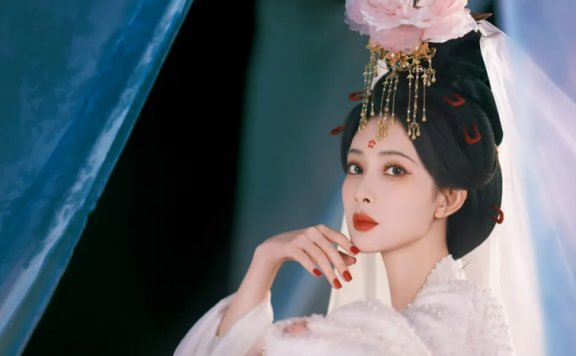
Floral Crowns in Chinese Drama: Who Wears It Best?
The delicate art of adorning hair with flowers, a signature look in Chinese historical dramas, has recently captivated audiences once more. Meng Ziyi's (孟子义) stunning floral hairpiece in promotional images for the newly announced drama Tigers Sniff the Rose (尚公主) sparked widespread admiration and discussion online. This fascination isn't new; period productions consistently feature elaborate floral hairstyles, showcasing diverse interpretations of classical aesthetics. From the lavish Tang dynasty ideals of voluptuous beauty to more contemporary, slender adaptations, these intricate arrangements are more than mere decoration—they are visual narratives of character, era, and artistic vision. The choice of blooms, their placement, the hairstyle's complexity, and crucially, the actor's physical harmony with the style, all converge to create moments of breathtaking screen elegance. This enduring trend highlights the powerful synergy between costume design, historical homage, and the unique charisma of the performer. Modern Interpretations Recent costume dramas offer a vibrant showcase of floral hair accessories. Meng Ziyi's look in Tigers Sniff the Rose , featuring elegant updos perfectly complementing soft pink peonies, marks a significant improvement, ditching distracting bangs seen in her earlier role in Royal Rumours (花琉璃轶闻). In that production, while Su Mengyun's (苏梦芸) fuller figure and crescent-moon adorned updo exuded… -
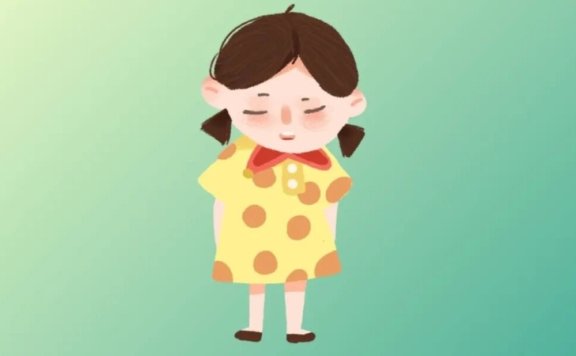
Simple Daily Habits for a Healthier Liver, According to TCM
In Traditional Chinese Medicine, the liver and eyes share a deep connection. Think of your liver as the root of your eye health—when it’s nourished and balanced, your vision stays clear. The good news is that you can maintain clear vision by nurturing your liver. Taking just a couple of minutes each day to care for your eyes can, in turn, support your liver. Here are two simple movements and some practical tips to help you do just that. Two Quick & Effective Liver-Supporting Movements The first movement focuses on resting your eyes to rest your liver. The classic TCM text, The Yellow Emperor’s Inner Canon, states that “the eyes can see because they receive blood from the liver.” It also emphasizes that the liver stores blood, a process that kicks in when we close our eyes or sleep. Essentially, closing your eyes is like flipping the “off” switch that allows your liver to rest and recharge. You can enhance this simple act with a gentle eye exercise to help with eye strain, dryness, or blurry vision: gently close your eyes, then use your thumbs to massage from the inner corner of your eyes outward 24 times; alternatively, place four… -
Discover Gaochun: Where China's Living Heritage Unfolds
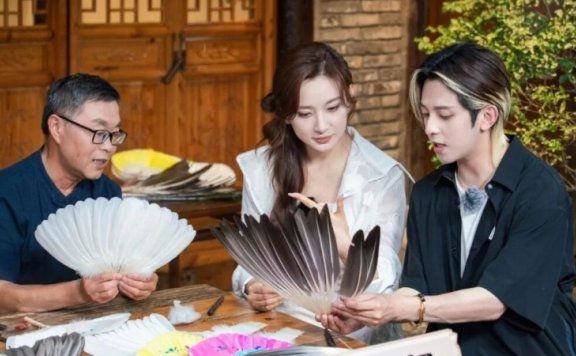
Tucked away in China's Jiangsu province, Gaochun (高淳) isn't just another dot on the map. Recognized as an "International Slow City," this place operates on a different rhythm. It’s a living museum, a serene escape where ancient crafts aren't relics behind glass but vibrant parts of daily life. Recently featured on popular national TV shows, Gaochun is captivating audiences with its deep well of cultural traditions, offering a genuine taste of a slower, more mindful China. Gaochun’s identity is deeply interwoven with its intangible cultural heritage. As the first place in Nanjing to be named a "Hometown of Chinese Folk Culture and Art," it boasts an impressive 155 items of intangible cultural heritage. This isn't just a number; it's a testament to a community that actively lives and breathes its traditions. A Calendar of Living Traditions The local calendar is marked by spectacular, moving festivals that are anything but staged performances for tourists. They are profound community rituals. The most famous is arguably the Tiao Wuchang (跳五猖)—Dance of the Five Fierce Gods. During the Spring Festival and Lantern Festival, performers don colorful masks and wield ritual instruments, leaping and dancing to the intense beat of gongs and drums. It's a…