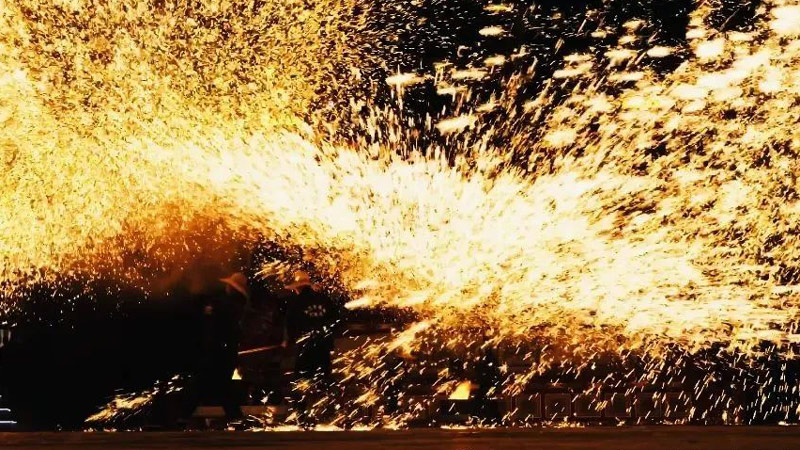
In the heart of Shanxi province, an extraordinary celestial spectacle unfolds against the night sky as temperatures drop during winter months. Zezhou (泽州) Iron Floral Fireworks, an ancient performance art dating back over a millennium, transforms 1600°C molten metal into breathtaking aerial displays that dance between danger and beauty. This incredible tradition, recognized as a provincial-level intangible cultural heritage in 2012, represents not just artistic expression but the enduring spirit of Shanxi's iron civilization that has flourished for well over two thousand years.
The Iron Land's Historical Legacy
People have long celebrated the region surrounding Jincheng City (锦城市), historically known as Zezhou, as the "hometown of coal and iron." The area's rich mineral resources have been exploited since the Spring and Autumn Period (770-476 BCE), with mining and metallurgy industries developing almost simultaneously with the birth of Chinese metallurgical history. Ancient texts, including the Classic of Mountains and Seas, specifically mention iron ore deposits in the Tiger Tail Mountain mining area within the ancient Zezhou prefecture.
During the Warring States Period (475-221 BCE), Zezhou became a crucial production center for iron weaponry supplied to northern states. The legendary Yang'e Sword, produced in the region, was renowned for its incredible sharpness—reportedly capable of "severing horses and cattle on land and cutting through swan geese in water." This metallurgical excellence established the foundation for what would eventually evolve into the spectacular iron flower displays we witness today.
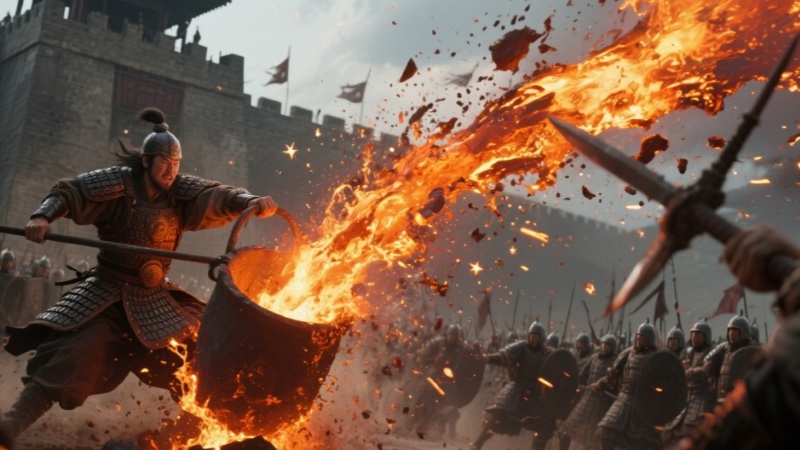
The origins of iron floral fireworks are rooted equally in practicality and legend. Local folklore tells of a Spring and Autumn Period night when the ancient Dyang Town faced a sudden enemy attack. In a moment of desperation, a defending soldier scooped up molten iron from weapon forges and hurled it toward the attackers. The spectacular shower of burning metal created such confusion and terror that the invading forces retreated in disarray. This "molten iron defense" story became legend, and the technique was reportedly used again during the late Ming Dynasty when Li Zicheng's (李自成) forces attacked the region.
Over centuries, this practical defensive measure transformed into a ritual performance. The practice gradually incorporated symbolic meaning, with locals believing the iron flowers could attract and distract mischievous spirits during temple festivals. This custom evolved into an annual tradition where families would "send their ancestors to the iron flower festival" during the Lantern Festival celebrations on the fifteenth and sixteenth days of the first lunar month, with the main performance occurring on the nineteenth day at the temple fair.
The Dance of Fire and Courage
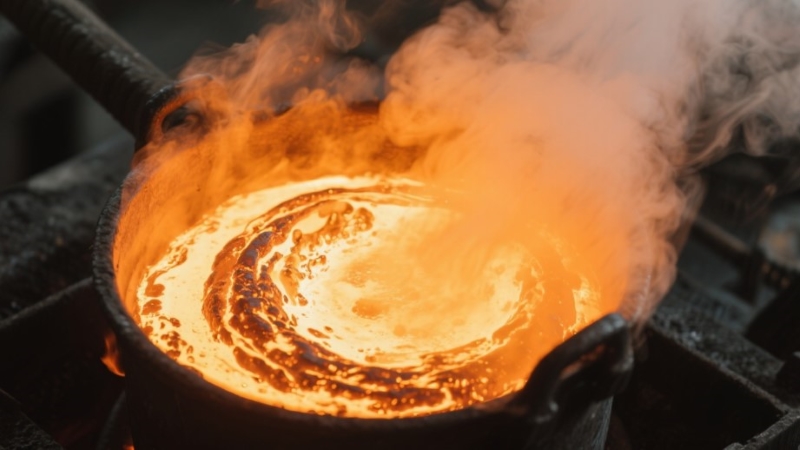
The actual performance represents one of the most dangerous traditional arts still practiced today. As darkness falls, performers prepare by applying oil to their bare upper bodies and donning worn, loose-fitting shoes. The process begins with heating scrap iron, aluminum, and copper in a furnace until it reaches an incredible 1600°C—significantly hotter than the 1300-1400°C typically needed for casting metals.
Two performers then work in perfect synchronization: one uses a special wooden ladle to scoop and toss the molten metal into the air, while another immediately strikes it with a board with precise force. The strike must be perfectly timed and angled to disperse the metal into a shower of sparkling droplets that cool as they fall through the air. The different metals create varying colors and intensities—iron produces golden sparks, aluminum adds silvery-white highlights, and copper contributes reddish tones.
Every aspect of the performance incorporates safety wisdom passed down through generations. The oiled skin allows any stray droplets to slide off quickly rather than stick and burn. The loose shoes can be instantly kicked off if molten metal enters them. The performers' movements are both practiced and intuitive, requiring absolute confidence and coordination.
When performed successfully, the result is nothing short of magical. Dozens of performers work in sequence, creating continuous waves of metallic fireworks that light up the night. The spectacle reaches its climax when the iron flowers ignite firecrackers hung on wooden frames, creating a symphony of light and sound as "fire dragons" weave through golden waterfalls of sparks. Some brave performers even strike the molten metal directly above their heads, creating a protective umbrella of sparks that cascades around them without causing harm.
Cultural Preservation and Modern Significance
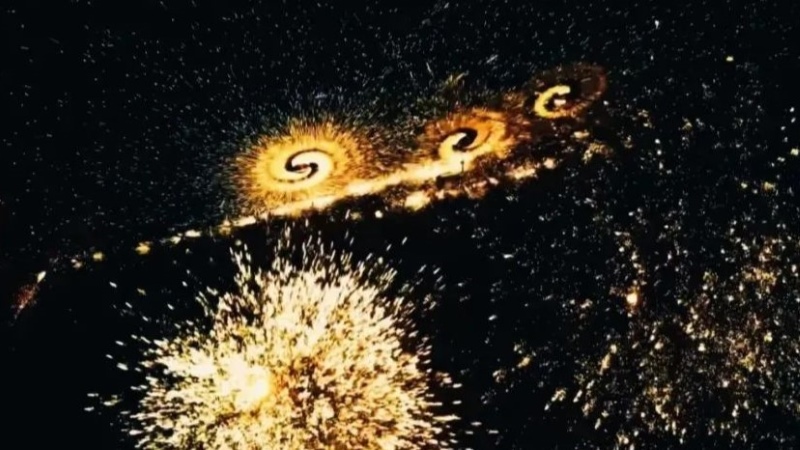
Today, Zezhou Iron Floral Fireworks represents both cultural preservation and living history. The local saying "the more iron flowers you strike, the more you prosper" reflects the community's belief that this practice brings good fortune and prosperity. Beyond its visual spectacle, the performance maintains historical continuity with the region's metallurgical heritage while adapting to contemporary contexts as a tourist attraction and cultural showcase.
The art form continues to evolve while maintaining its essential character—a testament to human courage, technical precision, and the transformative power of fire. Each performance connects present-day audiences with ancient traditions, reminding them of the ingenuity and resilience that have characterized this iron-producing region for millennia. As the molten metal arcs through the darkness, it carries with it the weight of history and the bright promise of cultural continuity.