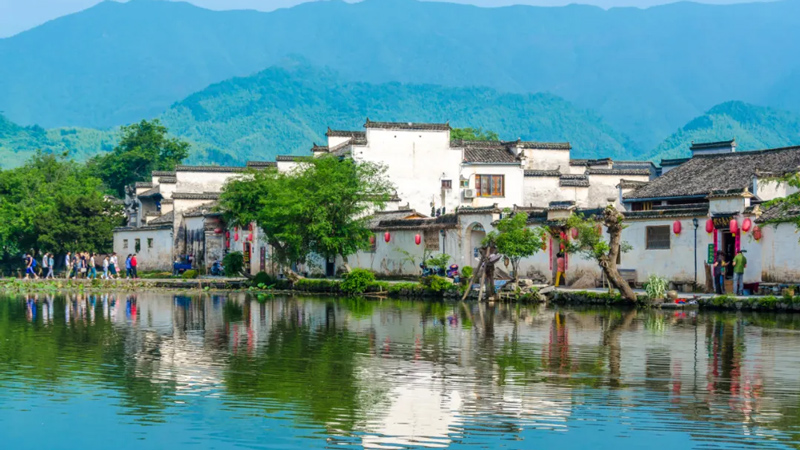
Nestled between mist-shrouded peaks and time-honored traditions, Anhui reveals itself not just as a destination, but as an experience—where nature’s quiet grandeur merges seamlessly with a culture carved by centuries. Here, mountains breathe, villages dream, and every flavor tells a story.

1. 6 Canvases of Wonder
1.1 Huangshan (黄山)
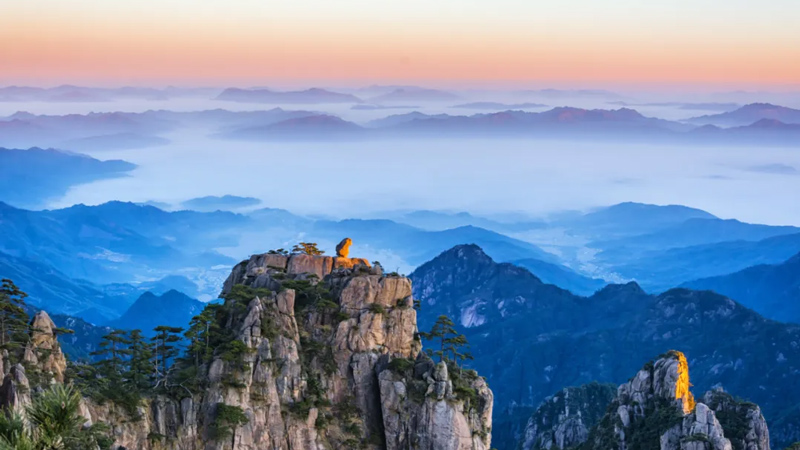
Some places speak without words. Huangshan whispers through stone. Granite peaks pierce shifting clouds like ancient brushstrokes. These mountains breathe. Watch mist curl around twisted pines clinging defiantly to cliffs. Sunlight fractures on dew-heavy branches, scattering diamonds before your eyes. Dawn here paints the sky in watercolor washes – peach, lavender, gold.
Those patient enough witness halos of light encircling their shadow on the clouds below. This realm feels sculpted by wind and time, not human hands. Paths wind past rocks resembling mythical beasts frozen mid-roar. Natural hot springs steam quietly at the mountain’s feet, offering warmth after cool summit winds. Come winter, ice glazes every branch, transforming the forest into crystal. Huangshan isn’t scenery. It is atmosphere.
1.2 Hongcun (宏村)
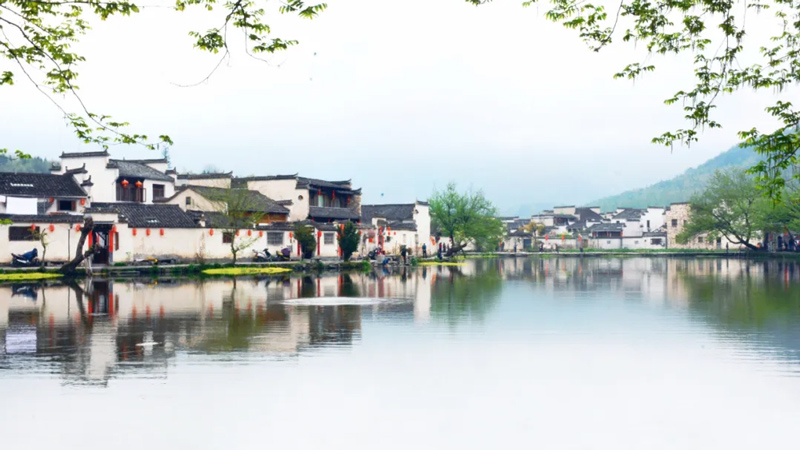
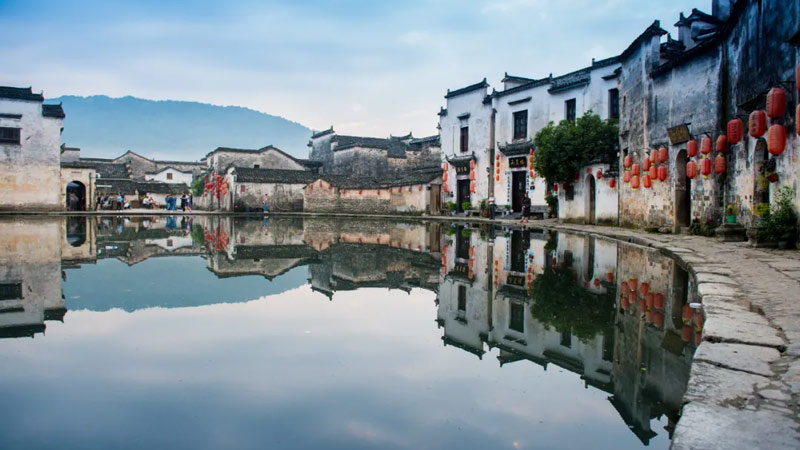
Southward, stillness reigns. Hongcun floats. Its whitewashed walls and ink-black tiles mirror perfectly in the crescent-shaped Moon Pond. Rain turns pathways into liquid obsidian, reflecting curved eaves and carved wooden lattices. Mist rises from the surrounding hills, softening edges, blurring the line between village and dream. Walk the narrow alleys. Feel centuries underfoot on worn flagstones. Distant temple bells punctuate the quiet. This place feels like a painting escaped from an artist's scroll. Ducks paddle silently past stone bridges.
Old women wash greens by the water’s edge, their murmurs blending with the lap of water against stone. Light shifts. Morning sun gilds the water’s surface; afternoon throws long, cool shadows. Hongcun doesn’t demand attention. It simply exists, perfect and unhurried.
1.3 Tachuan (塔川)
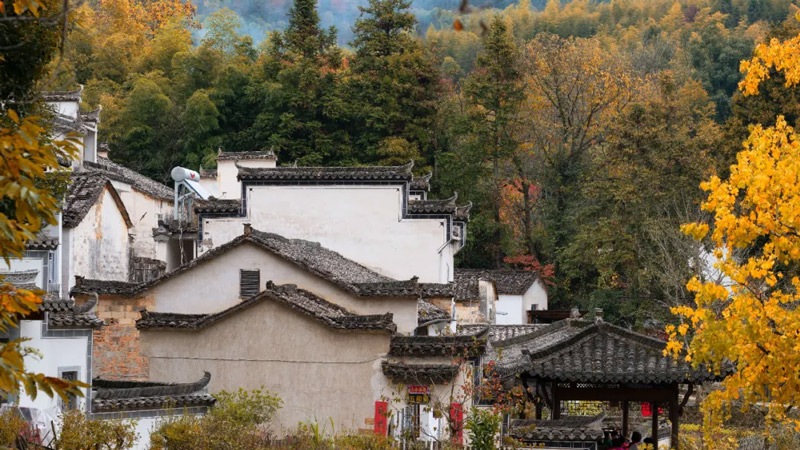
Seasonal fire ignites near Yangzhan Ridge. Tachuan village combusts in autumn. Maple trees blaze scarlet and tangerine against stark white walls and dark tile roofs. It’s a collision of color and form. Crisp air carries the scent of fallen leaves and woodsmoke. Follow paths carpeted in gold, past persimmon trees heavy with orange fruit like miniature lanterns. Farmers hang drying peppers – crimson garlands against aged timber. Look up. Sky meets mountain meets painted forest meets geometry of ancient homes. No wide avenues here, only intimate lanes winding between dwellings. Children chase through fallen leaves, their laughter sharp in the clear air. Tachuan’s beauty is transient, intense, a fleeting masterpiece painted by frost and sun.
1.4 Xin'an River (新安江)
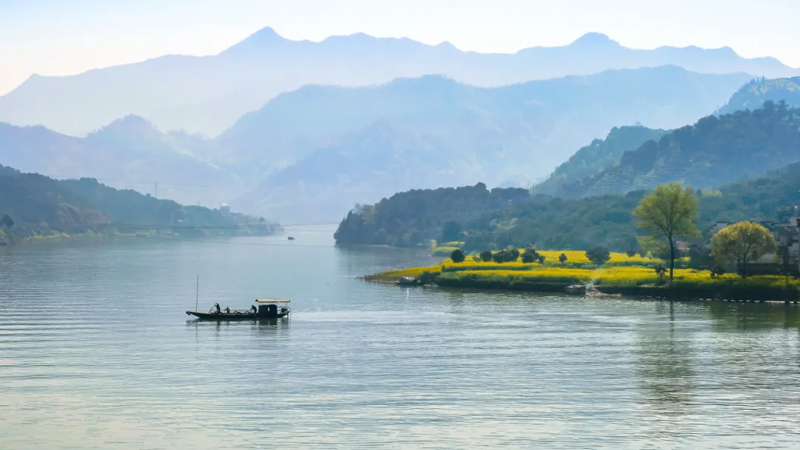
Water defines Anhui. The Xin'an River carves a liquid path through emerald hills. Travel its length. See steep slopes cloaked in bamboo descend straight into jade-green depths. Fishermen in narrow boats glide silently, cormorants perched ready on the gunwales. Ancient villages cling to the banks: Jiusha (九砂), a cluster of white walls and grey roofs nestled under the protective shade of thousand-year-old camphor trees. Mist often softens the scene, turning distant peaks into ghostly silhouettes.
Life here follows the river’s rhythm – washing, fishing, transport. Pass terraced fields where tea plants form precise green lines against the earth. The river bends, revealing new vistas: a lone pagoda on a promontory, water buffalo cooling in shallows, a wooden bridge arched like a dragon’s back. This journey is a meditation in motion.
1.5 Jiuhuashan (九华山)
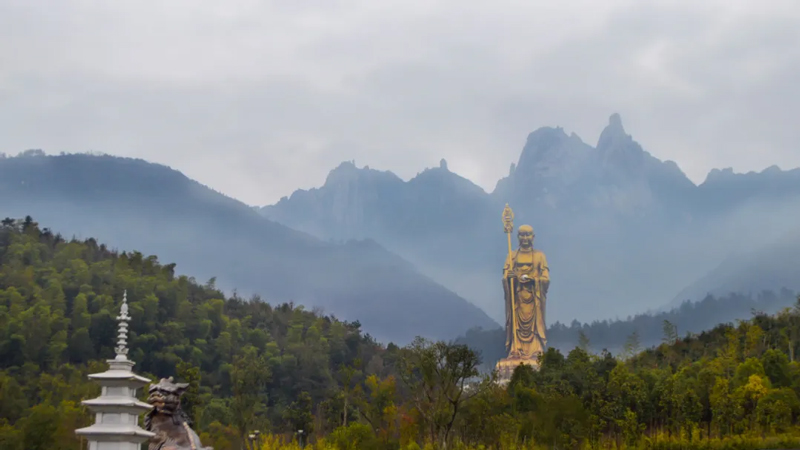
Westward, mountains hold devotion. Jiuhuashan rises, one of Buddhism’s sacred peaks. Stone steps ascend through forests echoing with temple bells and chanting. Monasteries seem fused to cliffsides, their golden roofs gleaming against dark wood and grey rock. Incense smoke drifts, scenting the air with sandalwood. Pilgrims climb steadily, prayer beads clicking softly.
Summer brings lush greenery and cool breezes; winter transforms everything into silent sculpture, ice coating every pine needle and temple eave. Sunrise viewed from high platforms is a revelation – light spilling over a sea of cloud-shrouded peaks. Lanterns glow like fallen stars at dusk, marking paths through the temple complexes. Jiuhuashan feels removed from time, a place where earth strains towards the infinite.
1.6 Chengkan (呈坎)
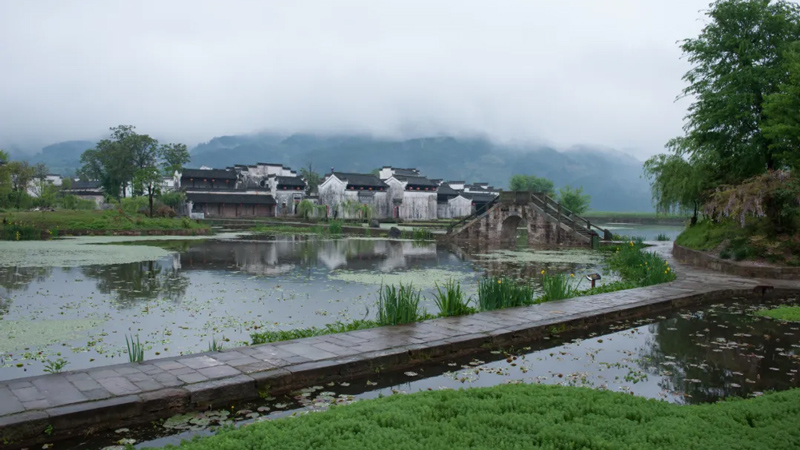
Finally, find order within mystery. Chengkan village hides near bamboo forests. Its claim? An intact Ming dynasty layout based on ancient cosmic principles. Enter through narrow gates. Feel the centuries press close. Winding alleys twist unexpectedly, forming an intricate stone maze. Sunlight slants onto weathered white walls, highlighting cracks and faded calligraphy. Massive wooden beams frame doorways carved with symbols – bats for luck, fish for abundance. Locals speak of the village protecting its own, a charm against misfortune.
Explore courtyards hidden behind unassuming doors, revealing tranquil spaces with potted plants and murmuring water features. Ducks waddle through open drains. Old men play mahjong under ancient trees. Chengkan doesn’t reveal its secrets quickly. It asks for patience, rewarding wanderers with quiet corners and profound peace.
Seeking Anhui demands stepping inside its landscapes. These places aren't merely viewed. They envelop. Enter the mist-shrouded peak, the mirrored village, the fiery wood, the flowing river, the sacred heights, the ancient alley. Find the canvas. Become part of the brushstroke.

2. Anhui's Living Legacy
Beyond scenic mountains and rivers, Anhui holds a distinct cultural identity woven through centuries. Its traditions, from leaf to brick, pulse with unique stories waiting to be discovered.
2.1 Tea Culture
Anhui's soul steeps in its tea. Revered since the Tang Dynasty, its green varieties stand among China's finest. Four stars dominate the scene.
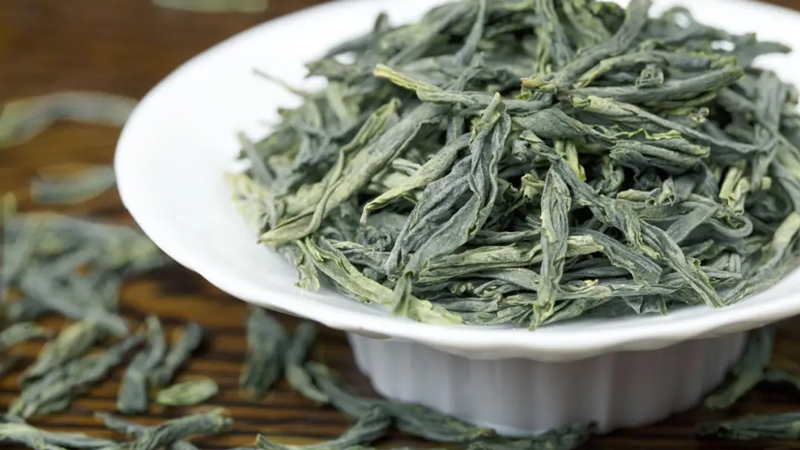
Huangshan Maofeng (黄山毛峰) captures misty peaks; plucked at dawn with dew clinging, its orchid notes evoke swirling clouds and ancient pines, a tribute to Ming Dynasty discovery.
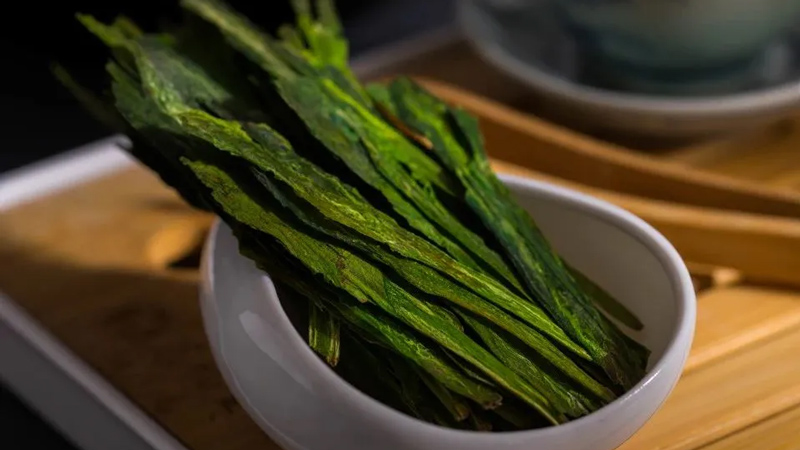
Unique among greens, Liuan Guapian (六安瓜片) uses only mature leaves, shaped like melon seeds. Its defining "laohuo" (拉火) roast over fierce wood coals imparts a robust, chestnut richness, a flavour profile treasured since imperial times.
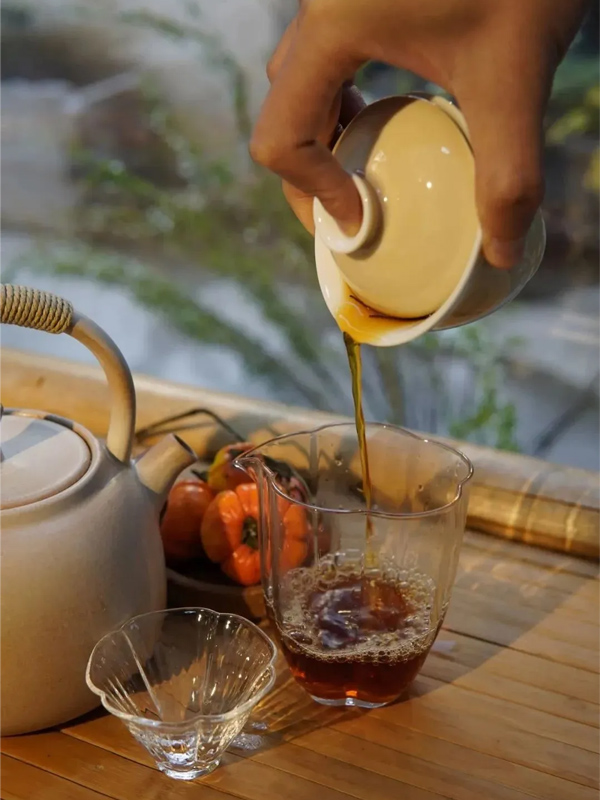
Taiping Houkui (太平猴魁), the "Gentleman of Teas", presents knife-straight leaves embracing a bud. Achieving its orchid essence demands precise picking and skilled hand-rolling.
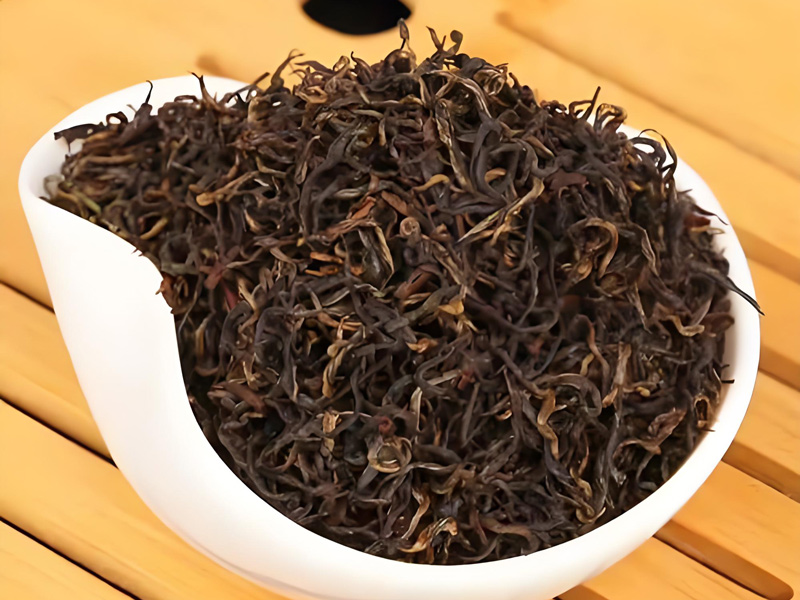
Completing the quartet, Qimen Hong (祁门红茶) commands global respect. This black tea, born in the late Qing era, ranks among the world's most aromatic brews, its lineage traceable back to Tang records. Tea ceremonies here reflect life's facets: scholarly refinement, Buddhist serenity, rustic vitality, each sip a connection to nature and philosophy.
2.2 Architectural Culture
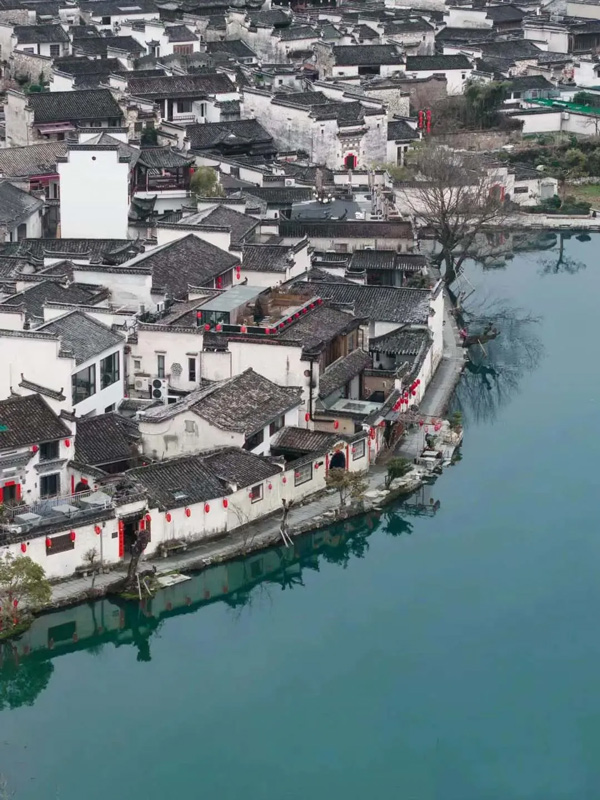
Hui-style architecture paints Anhui's landscape. More than buildings, these structures embody harmony between earth and sky. The iconic horse-head walls serve a dual purpose: fire barriers against close neighbors and graceful silhouettes against the horizon. Locals whisper their peaks offer resting spots for swallows.
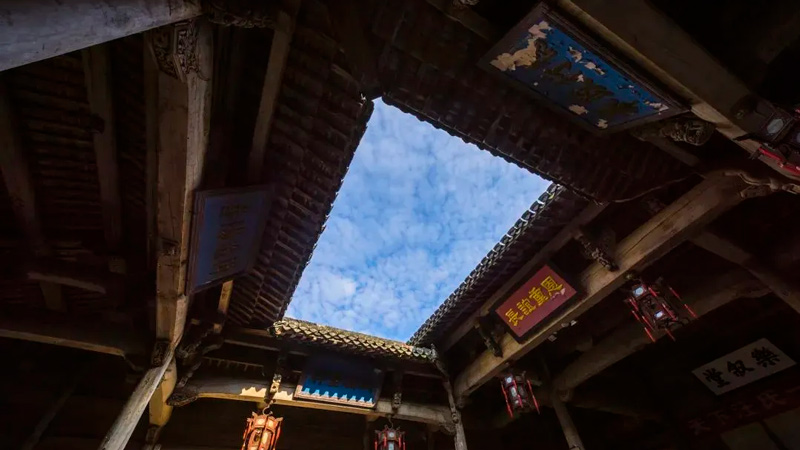
Central courtyards, known as "four waters returning to the hall", channel rainfall like gathering fortune, a design echoing merchant values of thrift. Ingenious hidden channels guide this water to front ponds, practical for fish and fire safety. The true marvel lies in intricate carving.
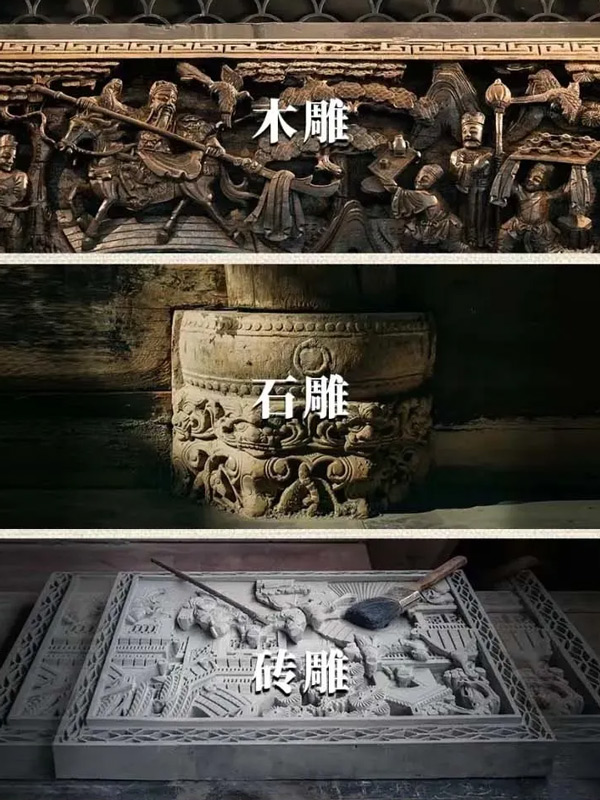
Wood, brick, and stone transform into vivid narratives – blooming flora, legendary scenes, auspicious symbols. Xidi village boasts a single door depicting 108 figures with astonishing detail, each chisel mark whispering ancestral wisdom. The genius persists in ancient techniques: copper coins ensuring level foundations, interlocking joints defying gravity without nails, calculations mirroring cosmic patterns. These skills still breathe life into preserving timeless villages.
2.3 Old Street Culture
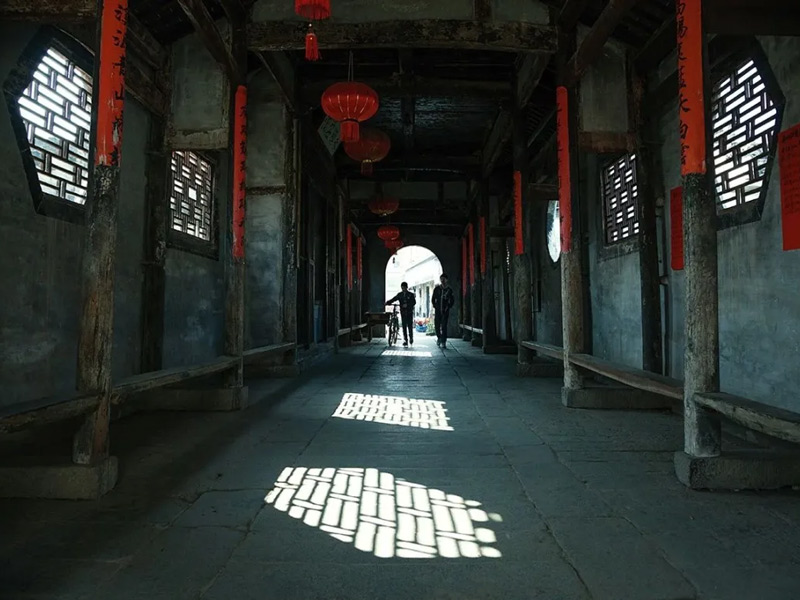
Anhui's ancient streets are arteries of history, stones worn smooth by generations. Walking these paths feels like traversing eras. From Taihu's Jinxi (太湖晋熙) to Huangshan's Tunxi (黄山屯溪), each lane preserves a unique character. Timber-framed houses lean companionably, their tiled roofs sheltering bustling shops and quiet artisans. Beneath ornate eaves, the scent of aged wood mingles with local delicacies. Every corner holds a potential story, every weathered facade a testament to resilience.
These streets, like Xu Village's covered bridge, are living museums where tradition thrives amidst daily rhythms. They offer tangible links to Anhui's mercantile past and enduring community spirit.
2.4 Celebrity Culture
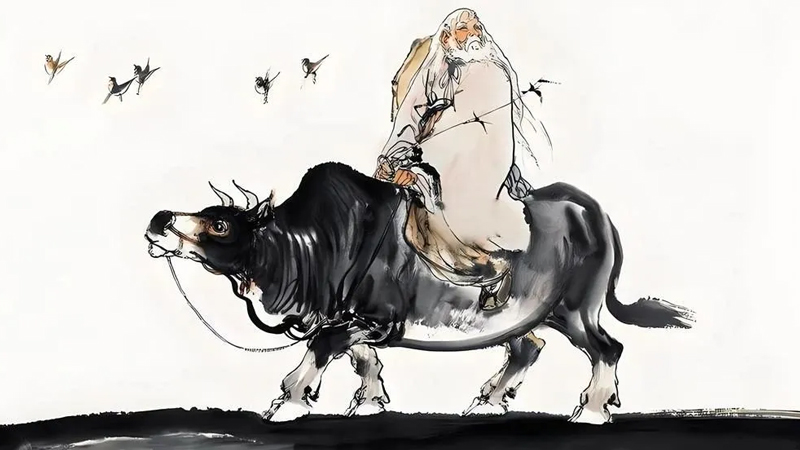
Anhui's soil nurtured minds that shaped China. The profound philosophies of Laozi (老子), founder of Daoism, and his successor Zhuangzi (庄子), originated here. The strategic brilliance and administrative prowess of Cao Cao (曹操) emerged from Bozhou (亳州). Medical revolutionary Hua Tuo (华佗) pioneered surgical techniques nearby. Modern times saw radical thinkers like Chen Duxiu (陈独秀) champion new ideas. Scholar Hu Shi (胡适) passionately advocated linguistic reform and scientific thinking. Scientific dedication reached its zenith with Deng Jiaxian (邓稼先), pivotal figure in China's nuclear program. Their collective legacy forms an indelible chapter in the nation's narrative.
2.5 Opera Culture
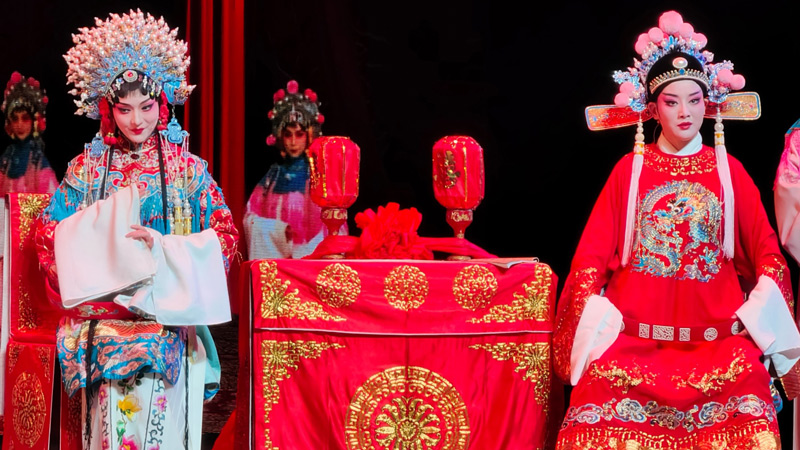
Performance runs deep in Anhui's veins. Huangmei Opera (黄梅戏), blossoming from Anqing's (安庆) tea-picking tunes, captivates nationwide. Melodies like those from The Marriage of a Fairy Princess (天仙配) are instantly recognizable.
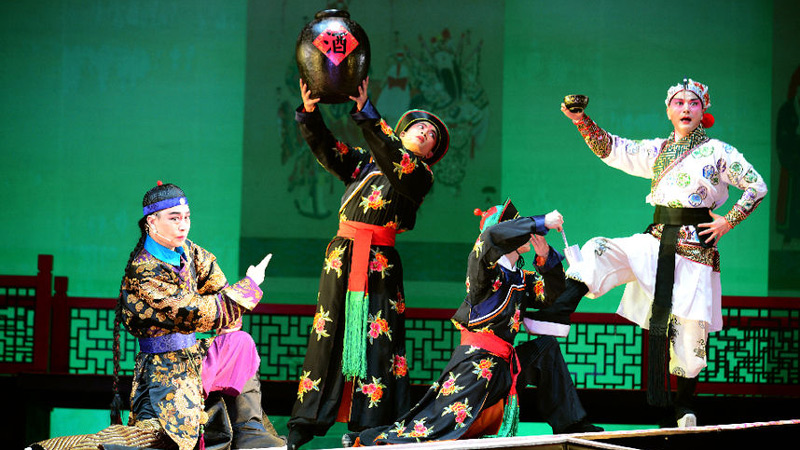
Crucially, Hui Opera laid essential groundwork; its artists, led by Cheng Changgeng (程长庚), took Beijing by storm, directly feeding into Peking Opera's creation.
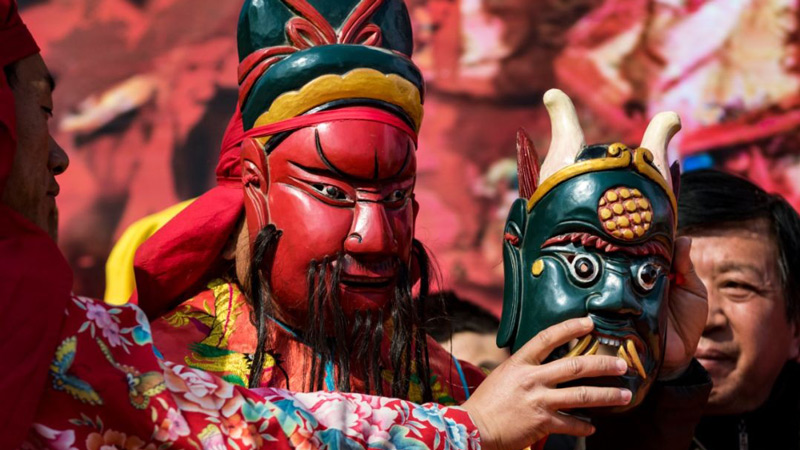
Anhui's dramatic roots stretch further back to ancient Nuo Drama (傩戏). This ritualistic theatre, featuring bronze masks and trance-like movements, channels primal spiritual energy. In places like Yi County, elderly masters still perform hours-long exorcisms, preserving a tangible link to shamanic origins. The province's position fostered a unique fusion of northern and southern styles, creating a fertile ground where diverse operatic traditions flourished and evolved.
3. Anhui's Edible Rebellion
Anhui cuisine, one of China's eight major culinary traditions, challenges palates with its bold embrace of fermented intensity. Born from the misty highlands of Huizhou (徽州), it distills the essence of southern Anhui's mountains and rivers into robust, earthy flavors. This isn't delicate fare; it thrives on transformation, turning humble local ingredients through meticulous simmering, stewing, and curing into dishes of startling depth. Forget subtlety—here, taste buds meet preserved meats, pungent sauces, and textures that explode, a testament to a culinary heritage sculpted by rugged terrain and ingenious preservation.
3.1 Huainan's Comfort Core
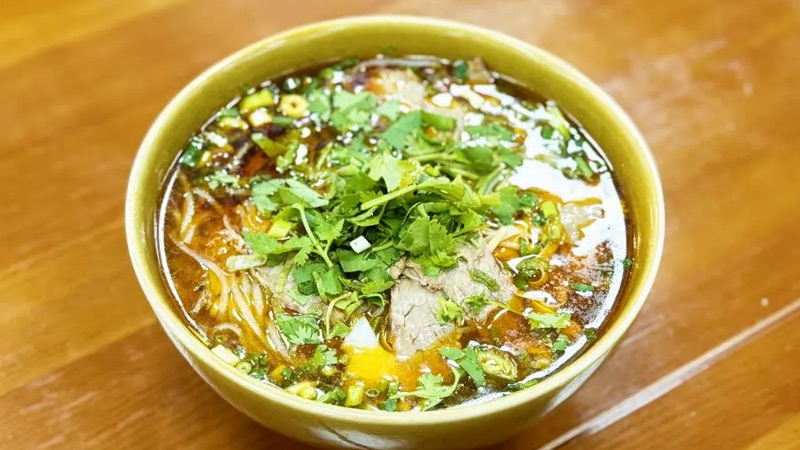
The day starts in Huainan with steaming bowls of Beef Broth. Rich, gelatinous, and simmered for hours, it clings to the spoon. Tender beef shavings dissolve on the tongue, mingling with slippery bean thread noodles and soft tofu skin. A sprinkle of fresh cilantro and scallions cuts through the richness. Paired inevitably with a flaky, sesame-studded baked flatbread, it provides profound morning sustenance.
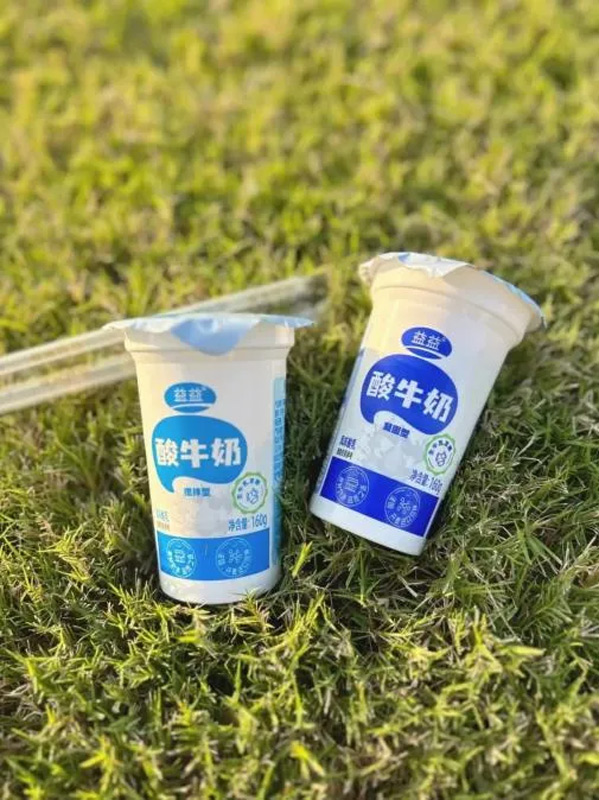
Locals follow this warmth with a chilled cup of Yiyi Yoghurt, its clean tang offering perfect digestive relief. This dairy staple, produced since 1956 by cows grazing near the Huai River, embodies regional freshness.
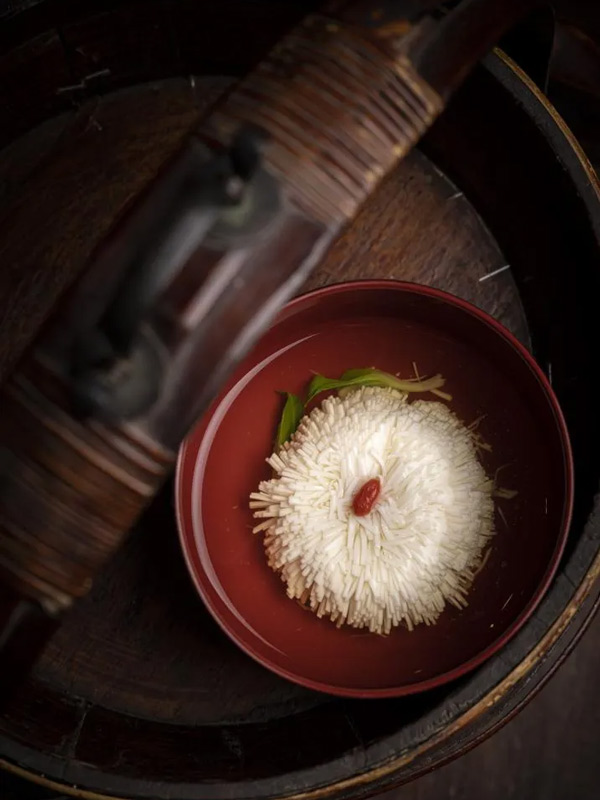
Huainan's mastery shines in its soy products. The legendary tofu from Bagong Mountain possesses an almost ethereal softness, white as jade and meltingly tender. It forms the blank canvas for countless creations: fragrant steamed dishes, spicy oil-marinated tofu cubes, or intricate chrysanthemum-shaped tofu served in clear broth. This ancient craft elevates the humble bean.
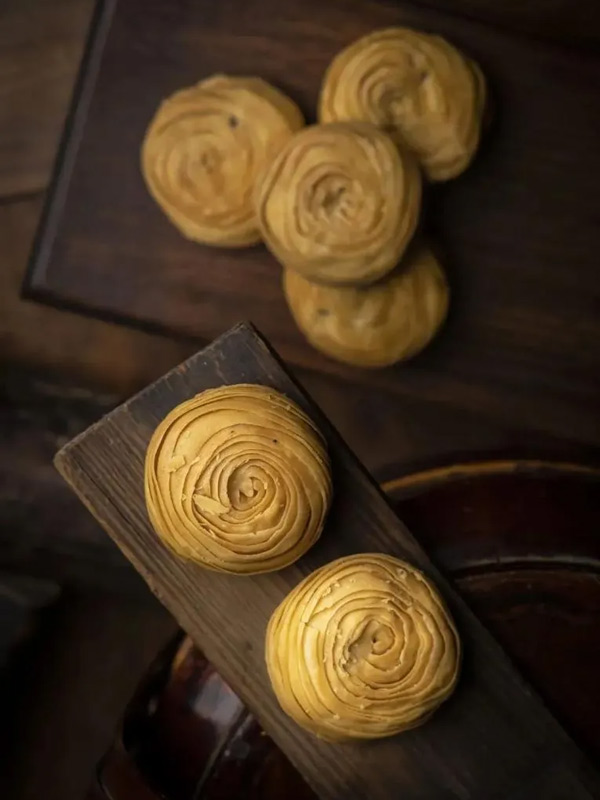
Equally storied is Shouxian County's Dajiujia (寿县的大救驾), a pastry born of royal legend. Its countless flaky layers shatter at the touch, giving way to sweet fillings—fragrant osmanthus or sticky red bean paste—a textural and flavorful delight that lives up to its "imperial lifesaver" moniker.
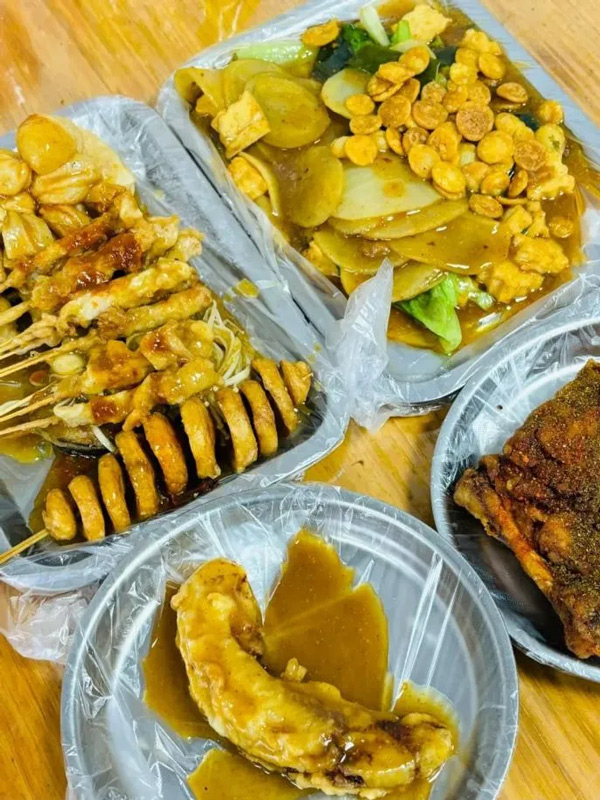
As dusk falls, street stalls ignite with the sizzle of Fried Potato Slices. Cubes achieve a perfect golden crispness outside while staying fluffy within, tossed in a fiery, secret sauce alongside juicy meat skewers. This addictive, savory-spicy combination fuels night markets.
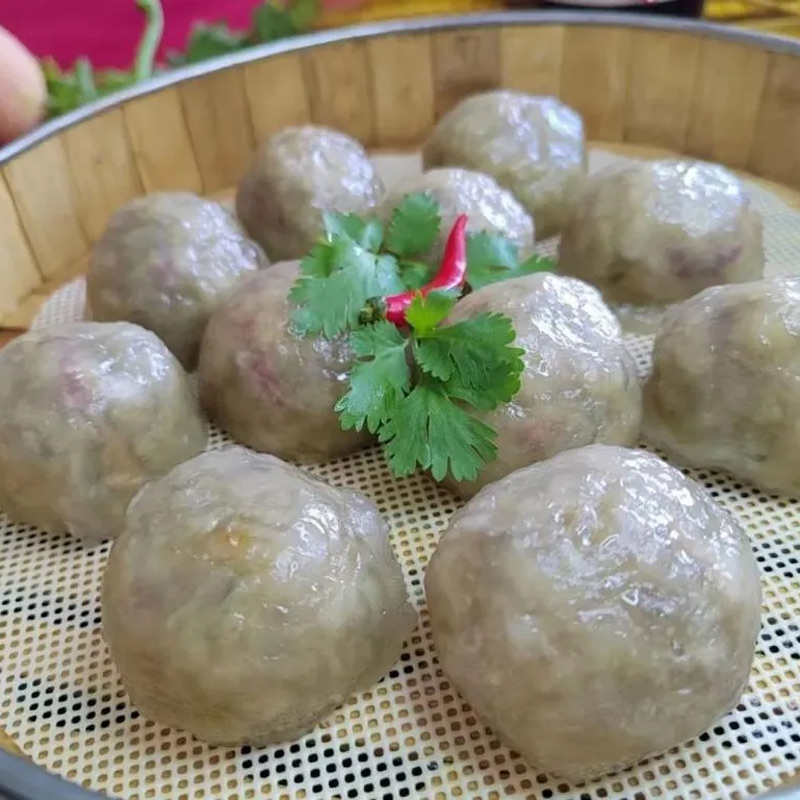
For celebratory meals or gifts, Xiaji Tribute Balls take center stage. These luminous white spheres, crafted from finely pounded pork or fish paste, offer an incredibly smooth, springy bite and deep umami richness. Varieties extend to beef, lamb, wild greens, and mung bean, continuing a legacy fit for emperors.
3.2 Huabei's Bold Bite
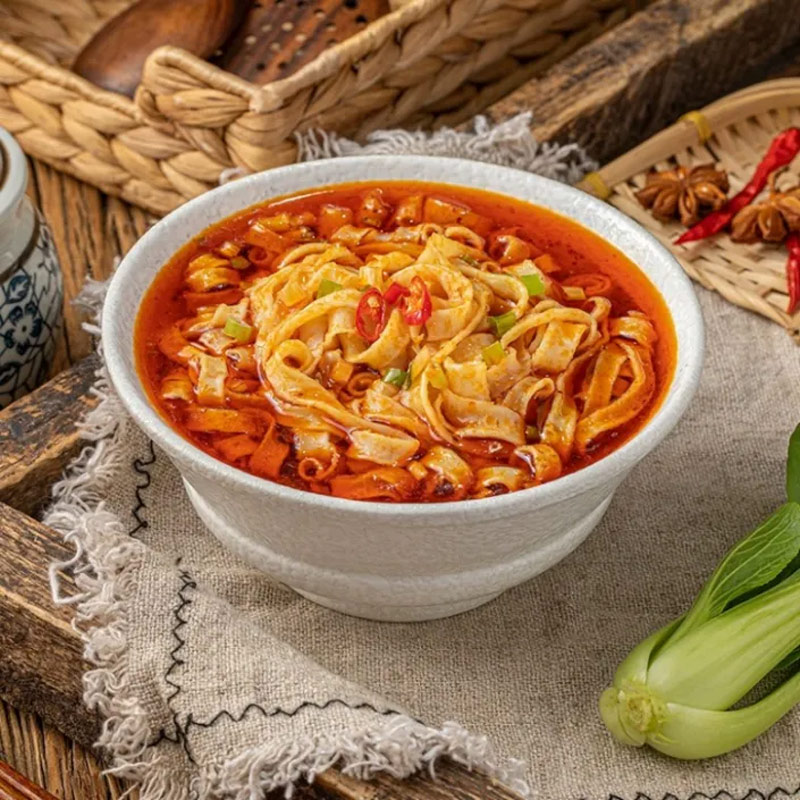
Huabei presents its own distinct palate. Zhou's Cold Skin Noodles are the ultimate summer refresher and appetite trigger. Translucent ribbons made from washed wheat starch boast remarkable bounce. Tossed with shredded cucumber, bean sprouts, vinegar, chili oil, and crunchy pickled vegetables, it delivers a vibrant symphony of sour, spicy, and savory notes in every cool, slippery mouthful.
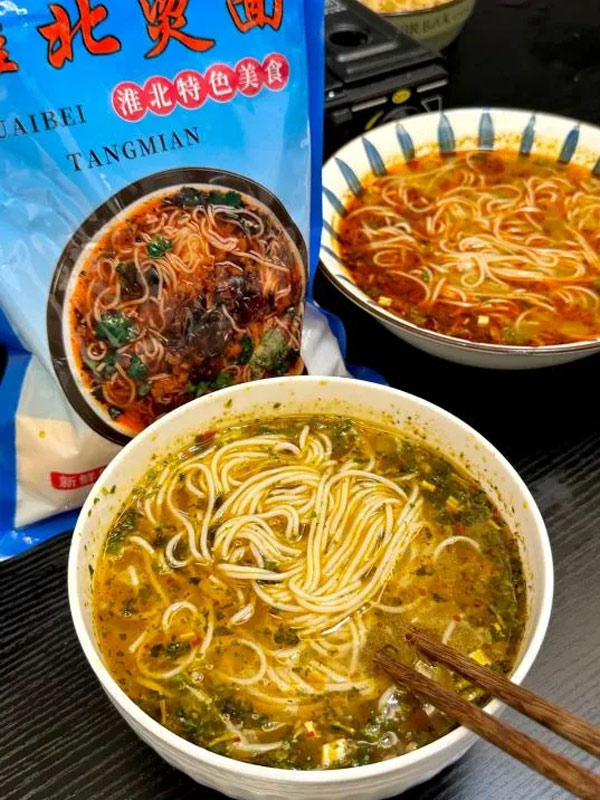
Contrast comes with Scalded Noodles. Prepared by pouring boiling broth over raw noodles, they emerge uniquely firm and resilient, demanding a satisfying chew. Served simply in savory bone broth with chili and scallions, their substantial texture provides deep, uncomplicated satisfaction.
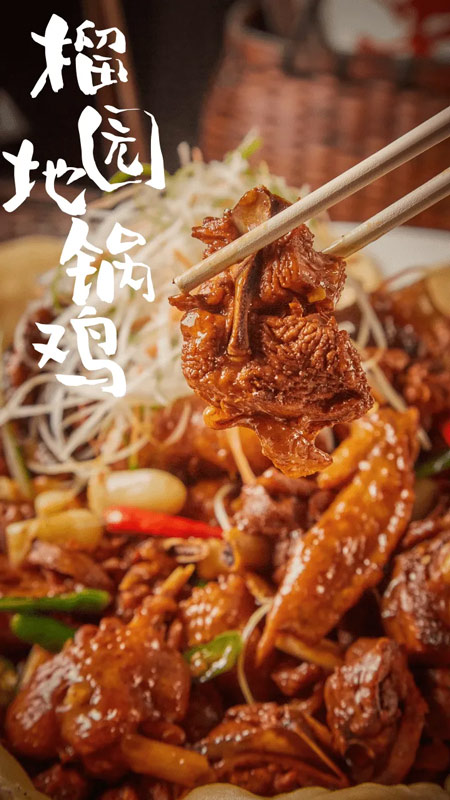
For communal feasting, Liuyuan Pot Chicken reigns supreme. Local free-range chicken, named after nearby pomegranate orchards, stews in a potent, spice-infused broth. Tender meat falls effortlessly from the bone, saturated with deep flavor. The magic extends to wheat dough discs slapped onto the pot's inner walls: half crisps in the oven-like heat, while the bottom half soaks up the rich juices, creating irresistible edible spoons.
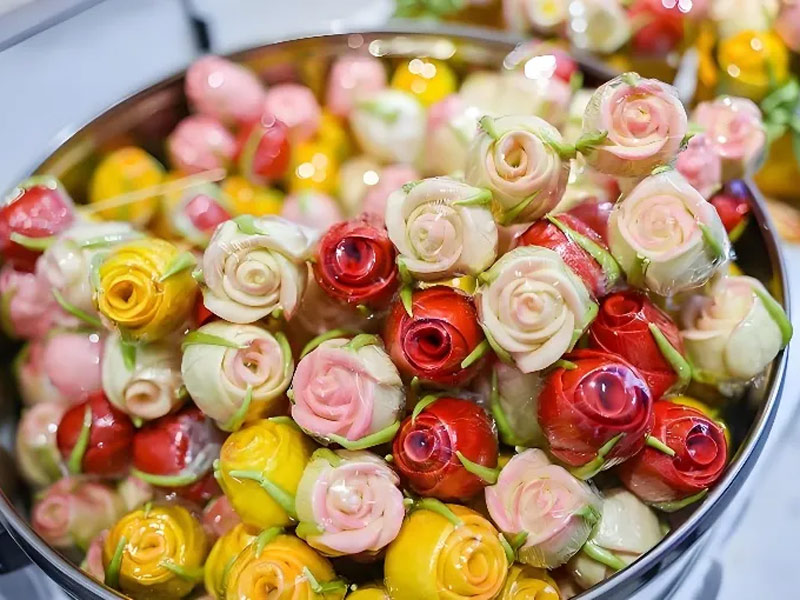
Huabei also transforms dough into art with Huaibei Hua Mo (淮北花馍). These intricate steamed sculptures—fish, dragons, peaches, flowers, even playful modern figures—are edible folk art. Leavened with traditional sourdough starter, they offer a pleasantly dense chew and subtle sweetness, enjoyed plain or dipped.
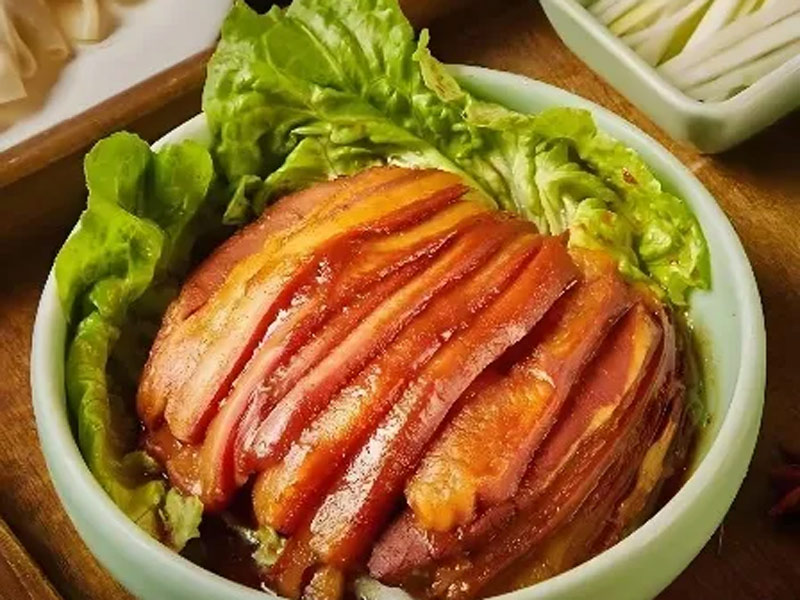
Huabei's ingenuity shines in preservation. Linhuan Fermented Pork Belly elevates pork through curing with local red fermented tofu. Slow cooking renders the fat unctuous without greasiness, the meat meltingly tender, infused with complex salty, savory, and faintly boozy notes from the ferment—a celebratory dish demanding extra rice.
Sweetness finds its champion in Linhuan Honeyed Pastries ("Three Cuts"). Deep-fried dough squares, scored precisely thrice, soak in fragrant syrup until glistening. The result is a crisp shell yielding to a honeyed, almost elastic interior—a cherished, indulgent symbol of hospitality.
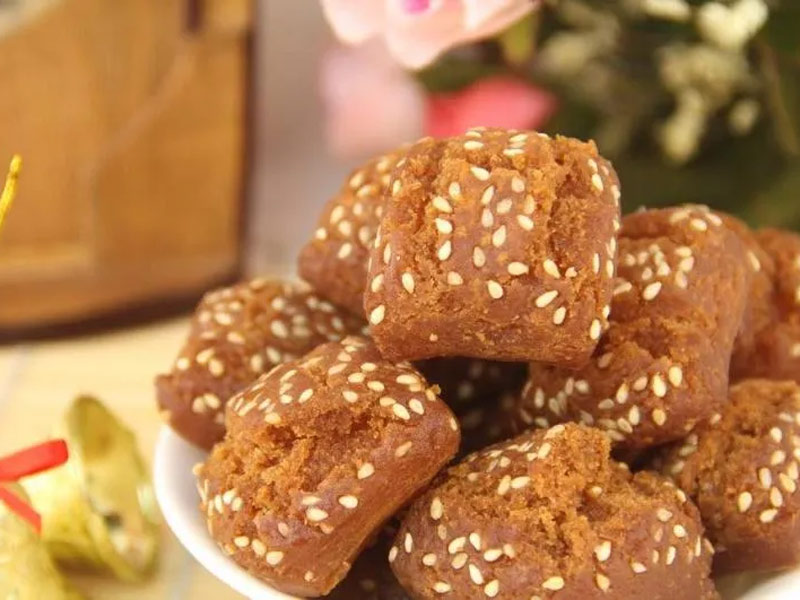
Huabei offers whimsy too. Sweet Potato Jellyfish provides cool relief on hot days. Pushed through a sieve into cold water, sweet potato starch forms playful, translucent "fish" with a delightfully wobbly texture, served icy in a sweet-vinegar broth. This, alongside fragrant Linhuan mooncakes, potent Kouzijiao (口子窖) liquor, and tart pomegranate drinks, completes a regional feast.
This is Anhui's living culture: not museum relics, but steam rising from an earthen pot, dough shaped by skilled hands, drumbeats echoing in village squares, flavors etched deep in memory. It pulses in the resilience and warmth of its people. When asked "What has Anhui got?", the answer resonates: a lifetime's journey—from misty peaks to bustling streets, from the first challenging bite to the lasting comfort in the soul.


Summary
Anhui is portrayed not merely as a destination but as a profound experience, where majestic nature and deep cultural heritage intertwine. The province's breathtaking landscapes range from the mist-shrouded granite peaks of Huangshan and the reflective waters of Hongcun to the fiery autumn colors of Tachuan and the serene flow of the Xin'an River. Sacred sites like Jiuhuashan and ancient planned villages like Chengkan further enrich its scenic and spiritual appeal.
Culturally, Anhui is distinguished by its revered tea varieties, distinctive Hui-style architecture with symbolic horse-head walls, and significant contributions to Chinese philosophy, medicine, and opera—most notably Huangmei and Hui Opera. Its bold, fermented-based cuisine offers robust flavors that mirror the region’s rugged terrain. Together, these elements create a captivating tapestry of natural beauty and living tradition, inviting travelers to immerse themselves fully in its unique atmosphere.