Article
Search results:
-
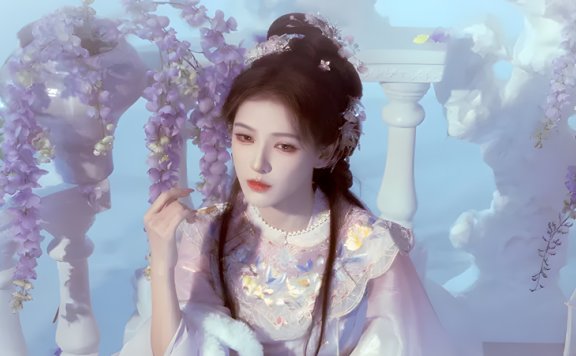
Zhang Yuxi’s Fusion of East and West Aesthetics
The image stopped countless scrolling fingers mid-motion. There, bathed in the ethereal lavender haze of blooming wisteria, stood actress Zhang Yuxi (张予曦), transformed. At 34, she was not merely wearing a costume but embodying a vision, a seamless blend of person, place, and tradition. Her photoshoot, set against the unexpected backdrop of European-style architecture draped with cascading purple flowers, became an overnight sensation. It was more than a celebrity fashion spread; it was a statement. This moment captured a powerful contemporary dialogue between a modern Chinese woman and an ancient sartorial art form, suggesting that true elegance is not bound by era or age, but is a living, breathing continuum. A Portrait in Violet The genius of the look lies in its meticulous harmony. Zhang Yuxi's Hanfu is a soft symphony in powdered lavender and plum, its delicate embroidery tracing floral patterns that seem to echo the living wisteria around her. The ensemble avoids ostentatious grandeur, opting instead for a refined, almost poetic grace. A pivotal detail is the outer robe, trimmed with a subtle, downy fringe. This touch adds a tangible texture and depth, preventing the flowing silks from appearing flat, and introduces a whisper of delicate luxury. Every… -
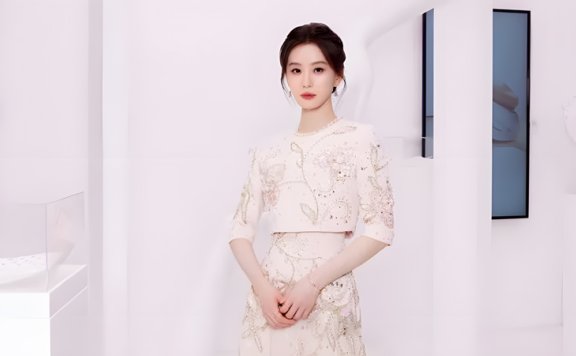
What Makes Liu Shishi’s Pink Tulle Gown a Modern Fairytale?
When Liu Shishi (刘诗诗) recently appeared in a pale pink tulle gown, the internet momentarily stopped scrolling. The image, set against a soft ink-wash background, felt like a living painting—a delicate fusion of classical China elegance and contemporary romance. This was not merely a red-carpet moment; it was a statement. Her look transcended typical celebrity fashion, offering a quiet manifesto on how tradition can converse with modern design. It presented a question many now ask: how can one wear history without being trapped by it? Liu Shishi’s answer, woven into every stitch of that gown, is proving profoundly influential. The Dress Speaks The gown’s power lies in its nuanced details. The shade, reminiscent of early cherry blossoms, softened her silhouette and enhanced her innate poise. Delicate pearl edging at the neckline provided a subtle lift of sophistication, avoiding any hint of ostentation. The true marvel was the intricate embroidery—golden branches and leaves meticulously crafted across the skirt, resembling a fine Gongbi (工笔) painting brought to life on fabric. This element rooted the dress firmly in an artistic heritage while its sheer tulle layers kept it ethereally modern. Strategic design choices amplified a specific grace. The half-sleeves gently suggested rather than… -
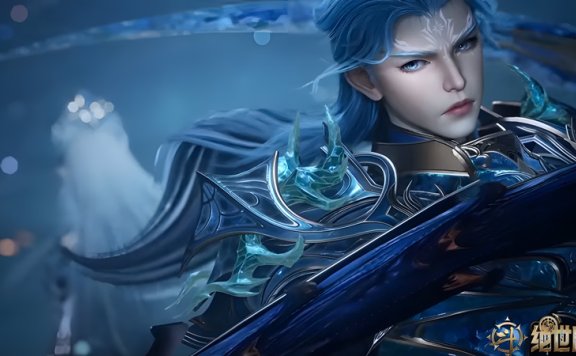
Huo Yuhao’s Beast Horde vs. Ju Zi’s Steel Tide in the Far North
The frozen expanse of the Far North is a realm of ancient power and unforgiving silence. Here, the delicate balance between the primordial and the progressive is sacred. When the imperial ambition of the Sun Moon Empire sends its greatest military force to plunder this land's riches, that balance shatters. The latest arc of The Peerless Tang Clan (绝世唐门) stages a monumental conflict, pitting the raw, savage might of legendary soul beasts (魂兽) against the cold, calculated power of a mechanized army. At the center are two brilliant young commanders, Huo Yuhao (霍雨浩) and Ju Zi (橘子), whose personal history adds a sharp edge to this brutal war of ideologies. Their first direct confrontation is not just a battle of strength, but a masterclass in tactics, environment, and sheer will. A Frozen Kingdom Awakens The Far North has a new guardian. With the former Snow Empress (雪帝) stepping back, authority now rests with the Titan Snow Demon King A'Tai (泰坦雪魔王阿泰) and the Ice Bear King Xiao Bai (冰熊王小白). Their allegiance, however, is given to a human: Huo Yuhao. Having deepened his comprehension of Ultimate Ice with guidance from the Snow Empress and empowered by the Ice Empress’s martial soul, Huo… -
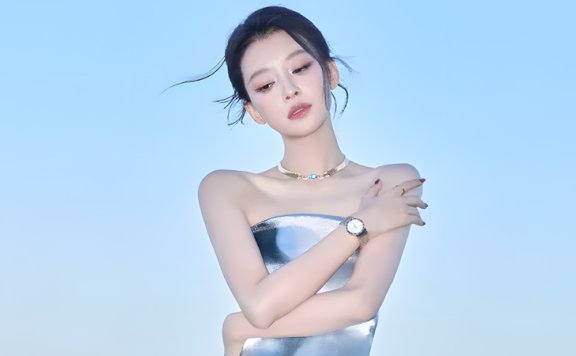
How a Silver-Blue Gown by the Sea Reshape a Star's Image
The shoreline is a photographer's favorite canvas, but it is rare for an actress to become one with its nocturnal poetry so completely. In a recent photoshoot, Sun Yi (孙怡) achieved this, wearing a gown that seemed spun from moonlight and sea foam. The images captured more than a beautiful woman in a beautiful dress; they framed a moment of stylistic alchemy. This was not merely a fashion choice, but a deliberate step in a public evolution, where fabric, light, and persona fused to create an iconography far removed from her earlier public identity. The Dress as Character The centerpiece was a metallic silver-blue gown, a garment that acted as both armor and allure. Its cold, sleek satin reflected light like shifting water, changing hue with every subtle movement. The strapless neckline presented a sculptural quality, framing Sun Yi's shoulders and collarbone with elegant severity. This was not a dress meant for frivolity; it carried a narrative weight, reminiscent of a celestial being or a noble figure from a Wuxia epic, dignified and untouchable. Its architecture was masterful. A fitted bodice and high waist accentuated her slender frame, while the skirt flared into a soft A-line silhouette. This classic shape… -
Why Legend of the Magnate Leads Ratings but Lags Digitally
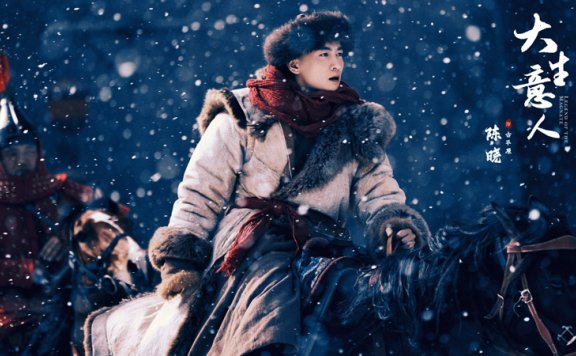
In today's fragmented media landscape, a television drama can dominate traditional ratings while barely causing a ripple in the digital stream. This split personality challenges the very idea of a unified hit. Since its debut, the series Legend of the Magnate (大生意人) has delivered staggering numbers for CCTV-8. It shattered multiple records, claiming the top spot for a premiere's real-time rating on the channel in three years and holding an average near 3.5% per episode. By these measures, it is poised to become the channel's ratings champion for the latter half of the year. Yet, on major online video platforms, its performance tells a different story. The show's "heat index," a key metric for web popularity, has struggled to breach the significant 9000-point threshold. This disconnect is not new; many series have faced this same divide, leaving the industry still searching for a reliable bridge. https://youtu.be/CJP1FjYcGSs What makes this case particularly notable is the contrast with other shows. Unlike some previous high-rated series that sparked online debate over their quality, social media discussions largely acknowledge Legend of the Magnate as well-made and engaging, with particular praise for its production design. This consensus, however, has not ignited the broader online fervor… -
The Paternal Guides and Heartfelt Bonds in Legend of the Magnate
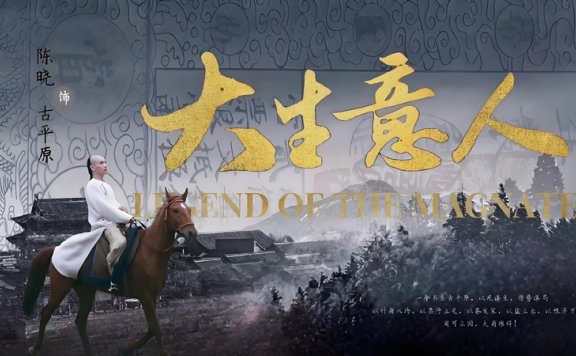
Historical dramas often weave ambition and fate into grand tapestries, but few threads are as startling as the one followed by Gu Pingyuan (古平原). His story begins not in a mansion but in despair, a scholar whose path to imperial examination glory was shattered in an instant. A single act of spilled ink rerouted his destiny from scholar to exile, casting him into the remote harshness of Ninggu Pagoda (宁古塔). What defines Gu is not the fall, but the arduous climb back. Survival in exile required a different kind of cunning. The classical texts in his mind gradually made room for the calculus of the marketplace. His journey from the frozen frontier to the pinnacle of the Qing dynasty's commercial world is a relentless pursuit of both justice and prosperity, a quest to unravel the conspiracy that upended his life. The television adaptation, Legend of the Magnate (大生意人), has rapidly captivated audiences. While praised for its scale and emotional pull, viewers note a familiar echo. Gu Pingyuan's remarkable blend of scholarly wit, martial prowess, and disruptive commercial savvy feels less like a historical figure and more like a direct descendant of a modern archetype. The comparison is inevitable: here stands… -
Unpacking the Horror of Treasure at Dawn
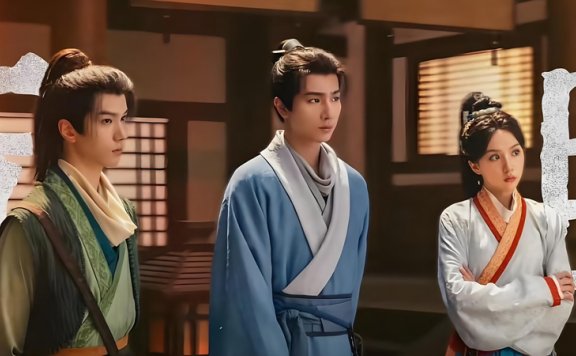
A historical drama arrives without warning or promotion. Yet, within days, it has viewers clutching their pillows, peeking through their fingers, and sacrificing sleep. Its secret weapon? A potent fusion of folkloric nightmares and forensic medicine. The show, titled Treasure at Dawn (天书黎明), has ignited online forums, spawning a trending topic with over 180 million reads labeled "the pinnacle of Chinese suspense." By weaving murder plots into the fabric of traditional culture—where a shadow puppet show forecasts death and a ritual dance masks extermination—it taps into a deep, chilling vein of horror that feels intimately familiar and utterly terrifying. The Folkloric Trap The terror here doesn't rely on sudden shocks or gore. Instead, it weaponizes cultural comfort. The first case, "The Murderous Shadow Play," sets the tone. During a performance of the "Ten Courts of Hell," a wealthy merchant collapses, bleeding from his senses. On the screen, the leather silhouette eerily mimics his death throes. The investigator, Fuchen (符生), a brilliant but eccentric physician, examines the body. He finds specks of powder on the victim's clothes. A silver needle inserted under a fingernail turns black instantly. "Datura pollen mixed with toad venom," he mutters. "The play was a performance, but… -
Can Su Xiaotong Reclaim Her Crown in Historical Mystery Dramas?
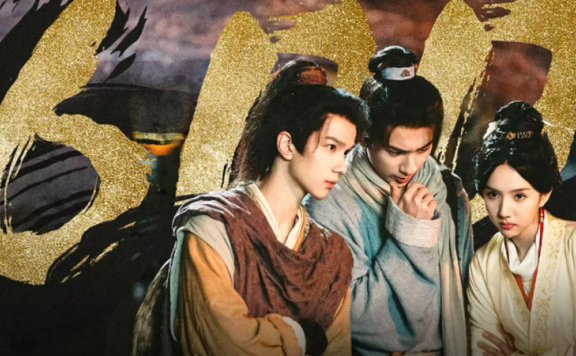
When historical mystery drama Treasure at Dawn (天书黎明) quietly began streaming, few noticed its arrival. Yet for viewers who stumbled upon it, the series offered a refreshing authenticity often missing from bigger productions. Its lush green forests and bustling marketplace sets were real locations, not digital creations. The actors wore simple, slightly pilled linen garments—small details that built a convincing world. At the center of this world is Su Xiaotong (苏晓彤), an actress whose name became synonymous with a different historical mystery hit four years ago. Her return to the genre feels like meeting an old friend in a familiar neighborhood, but the neighborhood itself has changed dramatically. A Familiar Lane Su Xiaotong’s path to recognition was paved with period costumes. However, it was her role as the clever and endearing coroner Chu Chu (楚楚) in The Imperial Coroner (御赐小仵作) that made her a standout among a new generation of actresses. Her fresh, sweet appearance and natural acting won her the Best Actress award at the Huading Awards that year. Many saw her as a rising star among post-95-born actresses, poised for greater success. The character of Chu Chu left a deep imprint on audiences, becoming a role she is… -
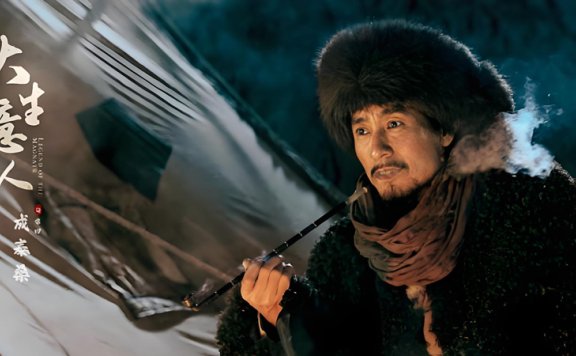
Bold Investment in Legend of the Magnate: Partnerships & Empire Growth
In the television drama Legend of the Magnate (大生意人), a seemingly straightforward transaction leaves audiences baffled. When the tea harvest is abundant, the merchant Hou Er (侯二) suppresses prices. The protagonist, Gu Pingyuan (古平原), defiantly offers farmers a ten percent higher price, pledging to buy the tea himself. However, he lacks the capital. He sends a note to Jin Da Nainai (晋大奶奶), matriarch of the Lao Ba family's banking empire, requesting a loan of 50,000 taels of silver. Her response is astonishing. She arrives in person, not with 50,000, but with 200,000 taels—a fortune equivalent to millions today. This move defies simple logic. It wasn't merely about repaying a past favor; it was a masterclass in long-term investment and strategic positioning. A Tested Partnership Jin Da Nainai's decision stemmed from profound trust in Gu Pingyuan's abilities. Their history was one of mutual salvation. When the Lao Ba family faced ruin, imprisoned by the scheming Li Wantang (李万堂), it was Gu's idea of issuing "fictitious checks" that secured their release. The crisis didn't end there. Li later attempted to withdraw a massive deposit, threatening the bank's liquidity while luring customers with higher interest. Gu devised another clever plan, turning Li's own… -
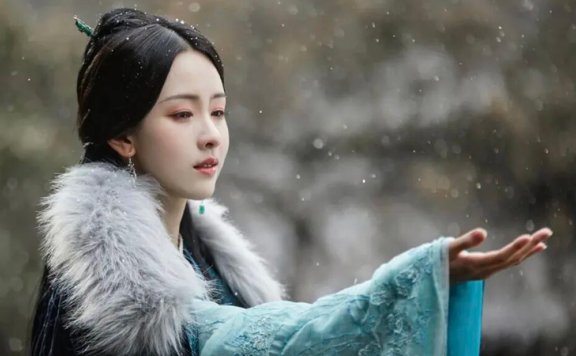
Why Are Period Drama Costumes So Thin?
Viewers of historical Chinese dramas often share a common thought during winter scenes: those actors must be freezing. The diaphanous gowns, often little more than a single layer of silk, seem utterly inadequate against painted backdrops of snow and ice. While a flowing cloak might be added for effect, the costumes underneath remain stubbornly, beautifully thin. This consistent aesthetic choice prompts the question: is this what people really wore, or is it purely for the camera? Historical Layering The reality of historical winter wear was fundamentally about layers, not just fabric weight. A Tang Dynasty woman, for instance, would have employed a sophisticated system of overlapping garments. This would start with close-fitting undergarments, followed by a lined jacket and skirt, and then a padded outer robe or coat. A final, large shawl or cape provided additional protection. This multi-layered approach trapped air and created insulation far superior to any single garment. For the elite, winter wear was both warm and luxurious. Mianpao (绵袍), or silk-wadded robes, were common. Here, "mian" refers to silk floss, a lightweight and highly effective insulating material akin to a natural down filling. More extravagant outfits incorporated furs from sable, fox, or rabbit for collars, cuffs,… -
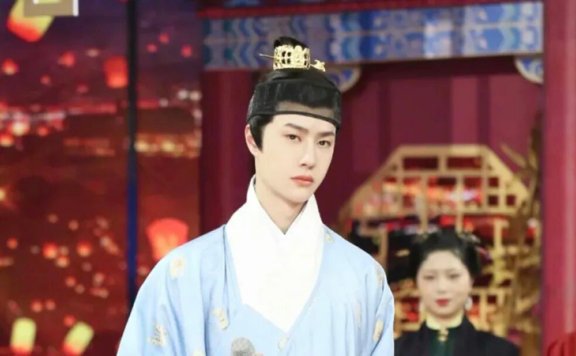
Wang Yibo's Hair Net: A Ming Dynasty Fashion Statement or Modern Mystery?
When Chinese actor and singer Wang Yibo (王一博) appeared on the variety show Day Day Up (天天向上) years ago, a specific costume detail ignited online curiosity. His headpiece, resembling a sparse fishnet, led many to wonder if it was a styling error. However, this accessory was a deliberate choice, rooted in centuries of tradition. Far from a mistake, it represents the Wangjin (网巾), a functional hair net from China's Ming Dynasty. This glimpse into historical fashion, facilitated by a modern celebrity, opens a window to understanding how everyday items from the past carried significant cultural weight. The conversation it sparked highlights a common disconnect between contemporary perceptions and historical reality, urging a closer look at the artifacts that shaped daily life in ancient China. Origins and Use The Wangjin was a foundational item in the wardrobe of Ming Dynasty men. Designed as a mesh net, its primary function was to bind one's hair, or bundle the hair, containing loose strands and creating a neat base for headwear. Its adoption was not merely a fashion trend but a practical solution for managing hair, which was typically worn long. The net also provided grip, preventing hats and official headdresses from slipping during… -
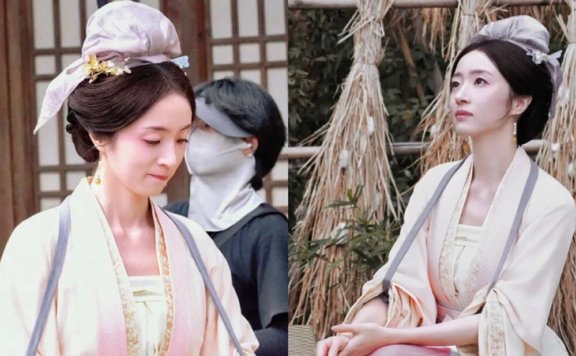
Hu Bingqing: Her Song Dynasty Baoji in Da Song Ci Ren Zhuan
A single image from a documentary has captivated audiences, sparking both curiosity and admiration. In the CCTV production Da Song Ci Ren Zhuan (大宋词人传), actress Hu Bingqing (胡冰卿) portrays Xu Wenmei (徐文美), the wife of renowned poet Qin Guan (秦观). Her most striking feature is an elegant, sculptural headwrap that some viewers humorously compared to a chef's hat. Yet, far from being a culinary misstep, this delicate headdress is a meticulously researched piece of historical attire. It represents a perfect marriage of actress, aesthetic, and era, leading fans to applaud the "authoritative taste of CCTV" for its authentic and harmonious presentation of Song Dynasty elegance. The Headwrap's History The style worn by Hu Bingqing is known as a Baoji (包髻), a term literally meaning "wrapped hair knot." Its origins can be traced to practical necessity. For women engaged in daily work or managing households, keeping intricate hairdos tidy was a challenge. The Baoji offered a simple, graceful solution: a square piece of cloth, often silk or fine linen, folded and wrapped securely around the styled hair. This practice was not invented in the Song Dynasty. Its precursor was the more structured Jinguo (巾帼), a headdress from the Han Dynasty. The… -
How Did Ancient Chinese Bathe?
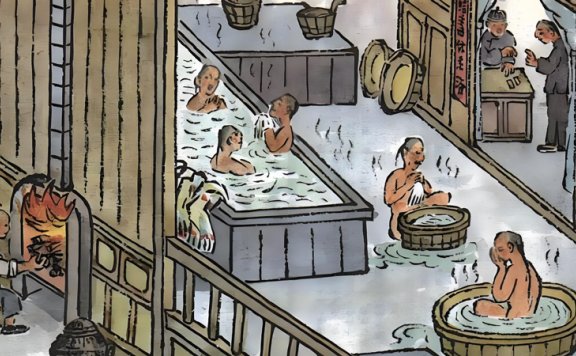
Today, a shower involves stepping into a tiled space, reaching for brightly bottled gels, and enjoying instant lather. But in ancient China, from the dusty courts of the Zhou to the bustling markets of the Qing, bathing was a deliberate practice woven into the social and spiritual fabric. Without modern plumbing or chemistry, people turned to the earth and kitchen for solutions. This narrative isn't about mere cleanliness; it's about a cultural dedication to purity that evolved over millennia, using everything from grain runoff to animal organs. The story of their bathing rituals reveals a sophisticated, resourceful approach to personal care that rivals our own in ingenuity and intent. Bathing Rituals In ancient China, washing was codified. The classic text Book of Rites prescribed washing hair every three days and bathing the body every five. This was not a casual suggestion but a recognized standard for refinement and health. During the Han Dynasty, this principle was institutionalized for officials, who were granted a "rest and bath" day every fifth day to attend to personal hygiene. Such practices underscored that cleanliness was both a private duty and a public expectation. The language itself was precise. The act of cleansing was divided… -
How Attire and Hairstyles Showed Servant Status in Imperial China
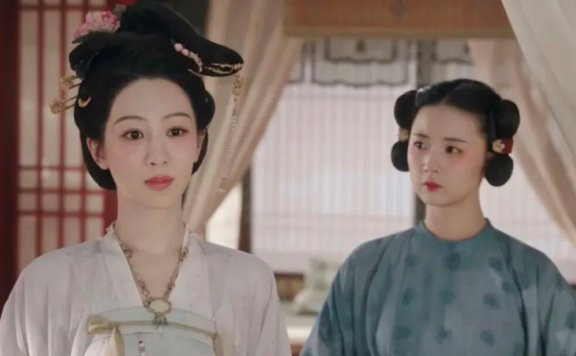
In contemporary historical dramas set in ancient China, a puzzling visual trend often leaves viewers scratching their heads: maidservants and their mistresses appear almost identically dressed, differentiated only by slightly less elaborate accessories. This blurring of costume hierarchies challenges audience perception and raises questions about historical authenticity. What were the actual sartorial rules for servants in imperial households? How did clothing and hairstyles clearly demarcate social standing? Moving beyond modern screen interpretations, historical artifacts and paintings reveal a defined and practical aesthetic for maidservants, one that balanced functionality with visible subordination. Understanding these codes not only enriches our view of the past but also offers a lens to critique current cinematic practices. Attire and Status Servants' clothing across dynasties was fundamentally shaped by practicality and symbolism. Unlike their mistresses, who wore luxurious silks and brocades, maidservants typically donned garments made from humble Mian (棉, cotton) and Ma (麻, linen). These fabrics were affordable, durable, and suited for daily chores. After cotton's proliferation in the Ming dynasty, it became the standard material for working attire. The basic ensemble often consisted of a simple, cross-collar top worn over trousers, allowing for ease of movement during tasks like cleaning, serving, or accompanying the… -
Could You Survive at a Ming Dynasty Dinner Table?
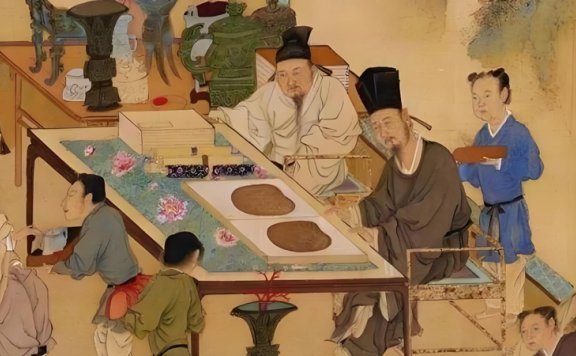
Imagine stepping into a bustling street in 16th-century Nanjing. The air is thick with the sizzle of woks and the warm, yeasty smell of steamed buns. From the grand banquets of the scholar-elite to the simple, hearty meals of artisans, the Ming Dynasty was a golden age of Chinese gastronomy. It was an era where culinary traditions solidified, new ingredients whispered of distant lands, and the social ritual of eating reflected a vibrant, commercial society. This wasn't just about sustenance; it was a daily celebration of flavor, technique, and connection. The Staple Foundation The cornerstone of any meal was grain. A clear north-south divide existed: wheat reigned in the arid north, while rice dominated the watery south. Northerners enjoyed a stunning array of noodles, steamed buns, and flatbreads. Southern bowls were consistently filled with fluffy white rice or comforting congee. Interestingly, the New World crops we associate with China today—corn, sweet potato, potato—had arrived by late Ming. Yet, they remained curiosities or famine-relief foods for the poor. A Ming diner would stare blankly at a plate of french fries or a bowl of sweet potato noodles. Their staple world was built on ancient, familiar grains. Meat on the Menu If… -
Could This Blade in Her Hand Be Ancient China’s Most Versatile Accessory?
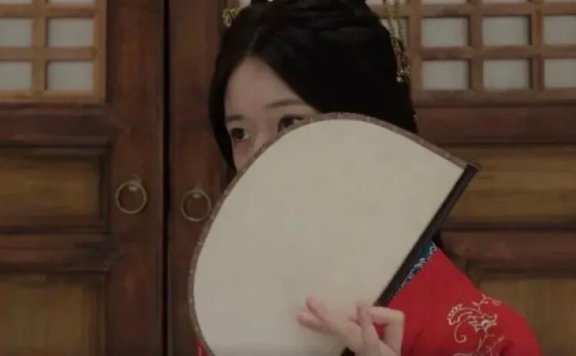
A recent image from the popular drama Love Like The Galaxy (星汉灿烂) sparked curiosity and amusement online. Actress Zhao Lusi (赵露思) was pictured holding what appeared to be a short, knife-like object against her face. Fans questioned the peculiar prop. However, this was no blade, but a remarkable example of ancient Chinese design: a hand fan known as a Bianmian (便面), or sometimes a Hushan (户扇). This object, with a history stretching back over two millennia, reveals a practicality and elegance far beyond simple air circulation. More Than a Fan The Bianmian is instantly recognizable by its rigid, often rectangular or trapezoidal shape, resembling a kitchen chopper or a small paddle. Its defining feature is a single, fixed handle attached to a flat face, commonly made from bamboo or wood. Unlike folding or round fans, it does not conform to standard geometric shapes. Its primary function was indeed to create a breeze by waving it, pivoting around the handle like a door on its hinge, which explains its alternate name, Hushan, or "door fan." Yet its use extended far beyond personal comfort. One of its most noted social functions was as a "face shield." In crowded streets or during travel,… -
Why Are We So Obsessed With a Ming Dynasty Hairstyle?
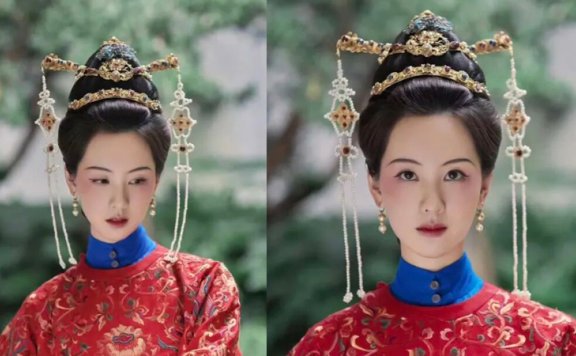
A modern celebrity steps out in full historical regalia, and the internet buzzes. When actress Chen Duling (陈都灵) recently appeared in a meticulously crafted Ming Dynasty (明朝) ensemble, the focus wasn't just on the gorgeous silks. It was the towering, intricate headdress that captivated everyone. This wasn't mere costume play. It was a portal to a world where hair was architecture, and every pin held meaning. Her look taps into a growing fascination with historical accuracy and the sophisticated beauty standards of ancient China, proving that an elaborate 500-year-old hairstyle can feel strikingly relevant today. Architecture for the Head The foundation of Chen's look is the Jiaji (鬏髻), a pivotal Ming invention. This was not just styled hair. It was a wearable structure. Artisans created a lightweight frame from wire or bamboo, then meticulously covered it with real hair or silk. Worn over the wearer's own tied-up locks, it instantly added height and volume, creating a majestic silhouette. Available in styles like the Luohan Ji (罗汉鬏) or Shuangfeiyan (双飞燕), these were purchased ready-made from shops, much like buying a statement hat or hairpiece today. The Jiaji was more than a trend; it was a necessary canvas for the stunning jewelry… -
Passionate Sagas & Anguish-Satisfaction: The Emotional Pull Shaping Chinese TV
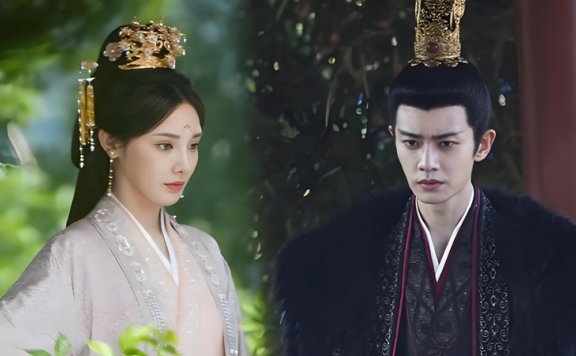
Television audiences are gravitating toward narratives where deep affection clashes with sharp conflict. A phrase like Passionate Sagas now peppers online forums, summing up this pull toward stories where bonds are tested by fierce emotions. In The Prisoner of Beauty (折腰), leads display warmth while hiding private agendas. Love & Crown (凤凰台上) shows he and she divided by a mentor's death yet drawn together. Even cinema captures this, as in The Sun Rises on Us All (日掛中天), where a street-side glance between Zeng Meiyun (曾美云) and Bao Shu (葆树) speaks volumes. This pattern, often called Anguish-Satisfaction, weaves mild anguish into rich emotional payoffs. Creators are noting how viewers embrace these layered tensions, shaping new projects to feed this appetite. 1. Love and Hate in Modern Drama In today's television landscape, a distinct narrative pattern captivates audiences by weaving together deep-seated conflict and passionate romance. This approach, often seen in series where characters grapple with opposing loyalties or historical grievances, draws viewers into a whirlwind of feelings. Stories that pit love against hatred or duty against desire have become a staple, offering a mix of heartache and hope. They tap into universal emotions, making the journey of characters who cannot easily… -
Top 10 Must-Watch Chinese Period Dramas of 2025
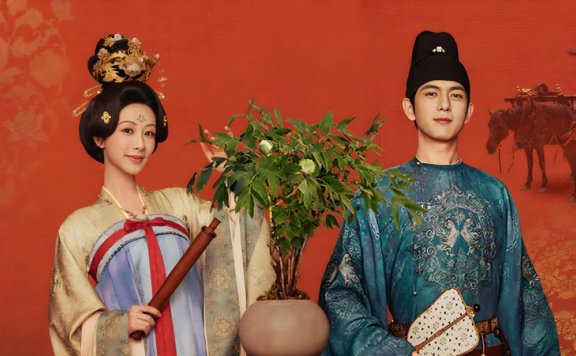
This year, historical series have transformed television with their inventive approaches. The Legend of Zang Hai immediately captivated viewers, setting a precedent for narrative depth. It blends suspense with emotional arcs that keep audiences engaged. Another standout, The Demon Hunter's Romance merges the supernatural into ancient settings, offering a fresh perspective. Meanwhile, Strange Tales of Tang Dynasty Ⅲ: Chang'an delves into Tang dynasty enigmas, where each revelation builds tension. These productions highlight a shift toward complex storytelling, resonating with fans who seek more than mere escapism. Flourished Peony (国色芳华) Aired: 2025 Douban rating: 7.8 Period Background: A fictional ancient dynasty reminiscent of the Tang era, focusing on urban commerce and aristocratic circles. Genres: Historical Drama, Business, Female Empowerment, Political Intrigue Main Roles: Yang Zi (杨紫) portrays He Weifang (何惟芳), a determined merchant's daughter; Li Xian (李现) appears as Jiang Changyang (蒋长扬), a clever official with a hidden agenda; supporting actors include Wei Zheming, Zhang Yaqin, and Tu Songyan. Adapted from: The novel by Yi Qianzhong (意千重), which originally serialized online. Plot Deep Dive: He Weifang enters a marriage of convenience to aid her ailing mother, only to encounter coldness and deceit from her husband's family. After discovering fraudulent medicinal practices,… -
Yun Wangshu's Vengeance: The Core of Eclipse of Illusion
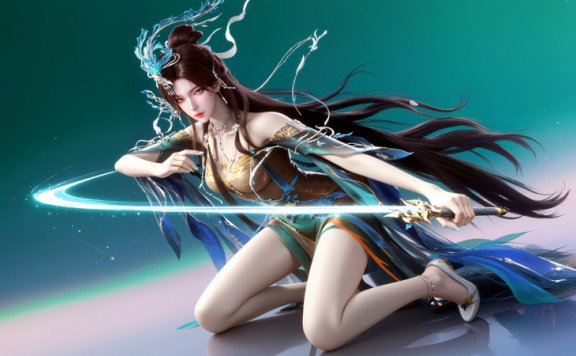
In a genre often dominated by romantic entanglements and damsel-in-distress narratives, the Chinese animated series Eclipse of Illusion (云深不知梦) presents a starkly different protagonist. This is not a story about finding love; it is a brutal, calculated narrative of retribution. The series immediately captivates with its intense emotional depth and visual grandeur, focusing on a woman whose entire world was shattered in a single, bloody moment. Her journey back is paved not with hope, but with a cold, relentless desire for justice, redefining what it means to be a strong female lead in modern animation. A Bloody Wedding The story of Eclipse of Illusion begins at what should have been a joyous climax. Yun Wangshu (云望舒), the young mistress of the Zhenlan Zong (镇岚宗) sect, stands at the center of a lavish wedding ceremony. The scene is one of celebration and bright colors, a visual representation of her anticipated future. Without warning, this illusion is violently torn apart. The event transforms into a meticulously planned massacre, resulting in the destruction of her sect and the death of her family. The most devastating blow comes from a personal betrayal, leaving her physically broken and emotionally ravaged, forced to flee for her life. This…