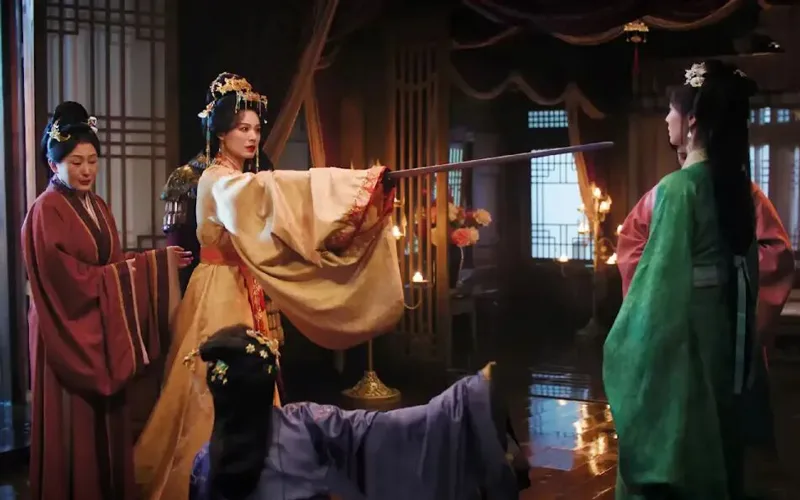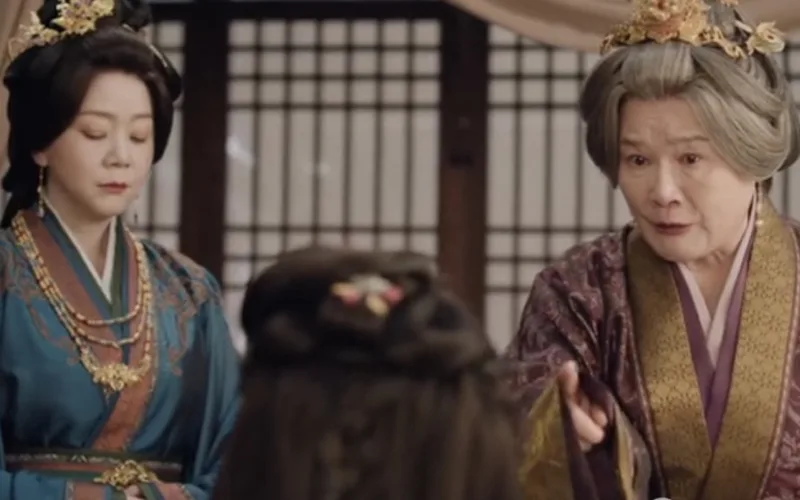
In today’s fragmented media landscape, a television drama can dominate traditional ratings while barely causing a ripple in the digital stream. This split personality challenges the very idea of a unified hit.
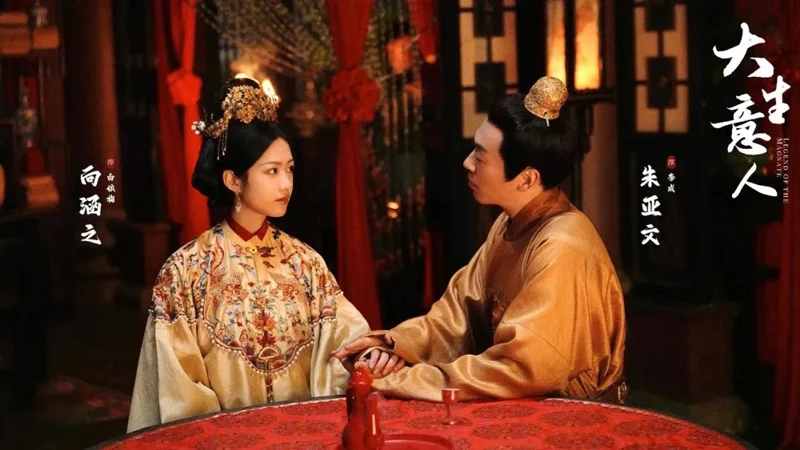
Since its debut, the series Legend of the Magnate (大生意人) has delivered staggering numbers for CCTV-8. It shattered multiple records, claiming the top spot for a premiere’s real-time rating on the channel in three years and holding an average near 3.5% per episode. By these measures, it is poised to become the channel’s ratings champion for the latter half of the year.
Yet, on major online video platforms, its performance tells a different story. The show’s “heat index,” a key metric for web popularity, has struggled to breach the significant 9000-point threshold. This disconnect is not new; many series have faced this same divide, leaving the industry still searching for a reliable bridge.
What makes this case particularly notable is the contrast with other shows. Unlike some previous high-rated series that sparked online debate over their quality, social media discussions largely acknowledge Legend of the Magnate as well-made and engaging, with particular praise for its production design. This consensus, however, has not ignited the broader online fervor that platforms now crave.
The current situation signals a shift from an earlier period where broadcast and online success often moved in tandem. The continued investment in projects tailored for the traditional television audience suggests content creators are contemplating multiple futures, hedging their bets in a market where viewer habits are still very much in flux.

Old Shadows, New Screens: The Fading Echo of Merchant Sagas
The television landscape is often a cycle of resurrections, where genres thought dormant suddenly flicker back to life. Legend of the Magnate represents such a return, reviving the once-dominant merchant empire drama. For a generation, series like The Grand Mansion Gate (大宅门) defined prestige viewing, weaving epic tales of commercial genius against the turbulent backdrop of late Qing and early Republican China. Their absence for over a decade made their formula feel almost nostalgic. This new entry, with its grand production and familiar beats, asks a pressing question: can a story type forged for one era truly captivate another?
The Blueprint of a Legend
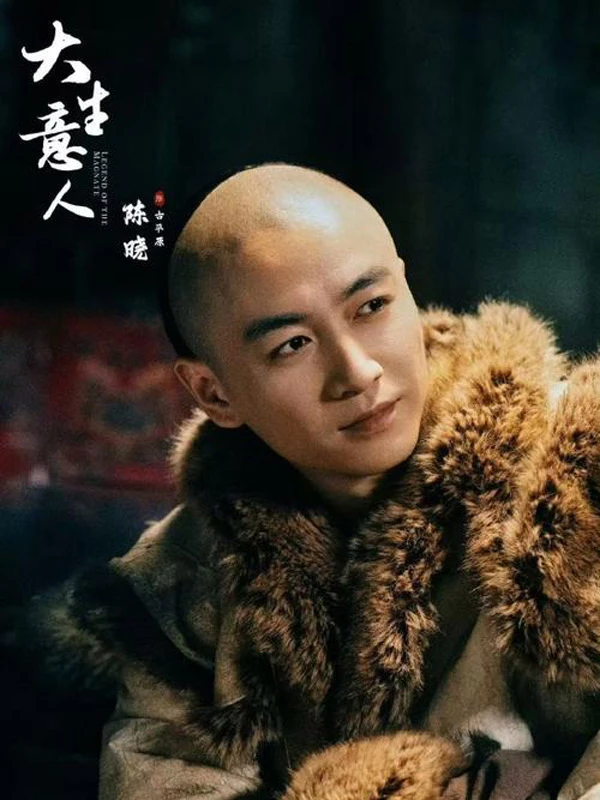
At its core, Legend of the Magnate follows a well-worn and once-beloved path. Its protagonist, Gu Pingyuan (古平原), is a scholar wrongfully exiled, his life upended by imperial injustice. His journey from the frozen wasteland of Ningguta (宁古塔) to the pinnacle of commercial success is the skeleton of a classic hero’s tale. He begins in the world of Piaohao (票号), traditional Chinese banks, and builds a tea empire, his ambitions growing alongside the nation’s crises.
The narrative thrives on a specific kind of pleasure. Audiences witness clever financial maneuvers—attracting deposits with high interest, pioneering a credit system—that feel both historically grounded and shrewdly modern. These strategic victories provide the story’s engine. Alongside commerce are threads of romance, loyalty, and patriotic defiance against foreign capital, creating a dense tapestry of personal and national destiny.
This design was perfected in the early 2000s. Characters like Bai Jingqi (白景琦) or Chen Shouting became household names precisely because their lives felt like a sequence of extraordinary triumphs. Their success was not just earned; it was often fated, aided by chance encounters with powerful benefactors or last-minute twists of fortune. This was the “qi” (奇), or marvelous wonder, that directors like Yao Lu (姚璐) identify as the genre’s lifeblood—a sense of spectacular, almost destined, ascension.
A Polished Vessel
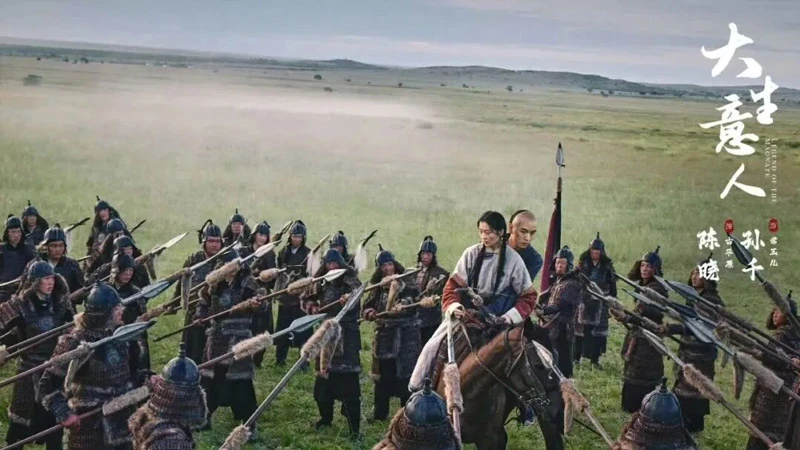
Where the new series undeniably advances is in its physical craft. It leverages contemporary production values to immerse viewers in its world. The crew filmed across diverse locations, from the primeval forests of Yichun (伊春) to Huangshan (黄山) villages and Mongolian grasslands. This commitment to authenticity is palpable.
The opening sequences in the harsh, icy frontier of Ningguta are visually striking, generating discussion for their bleak and powerful aesthetic. The detail in costumes, sets, and props is meticulous, creating a tangible historical atmosphere that earlier series, limited by budgets and technology, could only suggest. The scale feels cinematic.
This technical prowess addresses one aspect of modern viewership: the demand for sensory immersion and visual prestige. It proves the makers’ serious intent and respect for the audience’s eye. The craft builds a convincing container, setting a stage where past struggles and ambitions feel immediate and real, no longer confined by the slightly staged look of older television.
The Disconnected Heart
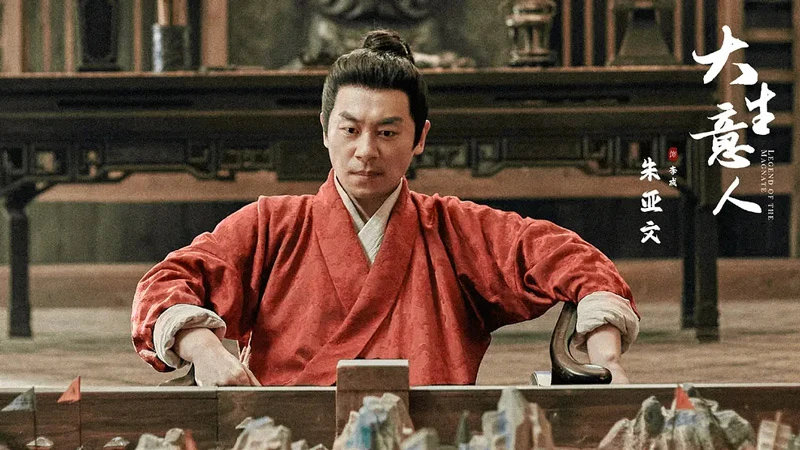
Yet, this polished vessel holds a story that beats to an older rhythm. Herein lies the central disconnect. The very “marvelous” elements that once defined the genre’s appeal now risk pushing viewers away.
As producer Gai Gai (盖盖) notes, today’s audiences show less affinity for figures whose success seems preordained by unnaturally good fortune. The cultural mood has shifted toward protagonists who exert control through grit, knowledge, and gradual effort, a preference shaped by years of nuanced online literature. Accidental salvation feels like a narrative shortcut, or “plot armor,” reducing emotional investment.
Empathy now flows more readily to the underdog, the ordinary person navigating systems, not the legendary “commercial king” born under a lucky star. Recent attempts at business narratives, even contemporary ones, have struggled to capture the online buzz that fuels success. The “visceral satisfaction” or visceral satisfaction has changed; it is no longer solely about witnessing towering victory, but about relating to the struggle itself. Gu Pingyuan’s remarkable journey, for all its crafted excitement, may feel like a spectacle to observe rather than a struggle to inhabit, leaving a polished but ultimately distant echo of a bygone television age.

The Blurred Lines Between Screens
For a brief period in the Chinese television industry, a unified front seemed not just possible but imminent. The concept of Tai-Wang Lianbo (台网联播), where a series premiered simultaneously on satellite television and major streaming platforms, moved from novelty to a celebrated norm. This signaled a remarkable convergence, a meeting point for two previously distinct worlds of viewership and content distribution.
Convergence Factors
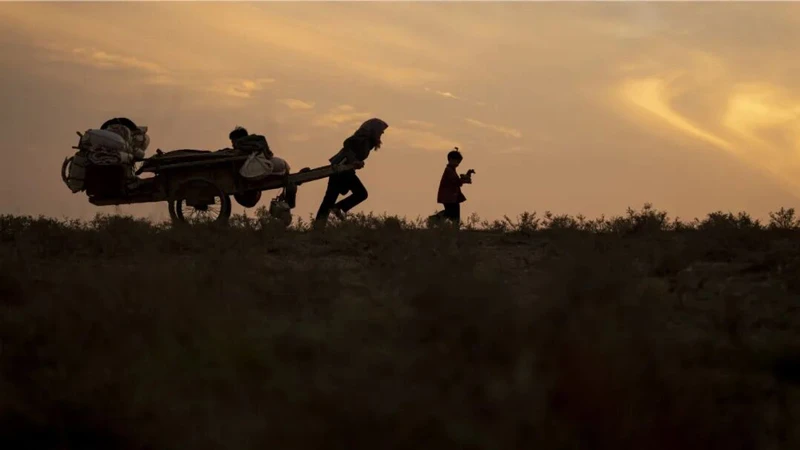
This alignment did not happen by accident. It was built on a foundation of changing production dynamics. Streaming services evolved from secondary content distributors to primary production powerhouses, investing heavily in original series. The sheer scale and improved craftsmanship of these platform-made shows demanded broader audiences.
Audience demographics themselves were shifting. Online viewers, once considered a monolithic group seeking only light entertainment, matured. Their tastes diversified, creating unexpected overlap with traditional television audiences who valued narrative substance. A shared appetite for well-told stories began to bridge the technological divide.
Industry rhetoric also shifted back towards core principles. The renewed emphasis on “content is king” encouraged experiments beyond mere traffic-chasing formulas. This created a space for substantive dramas that could, in theory, appeal to anyone with a screen, regardless of how they accessed it.
Shared Success Stories
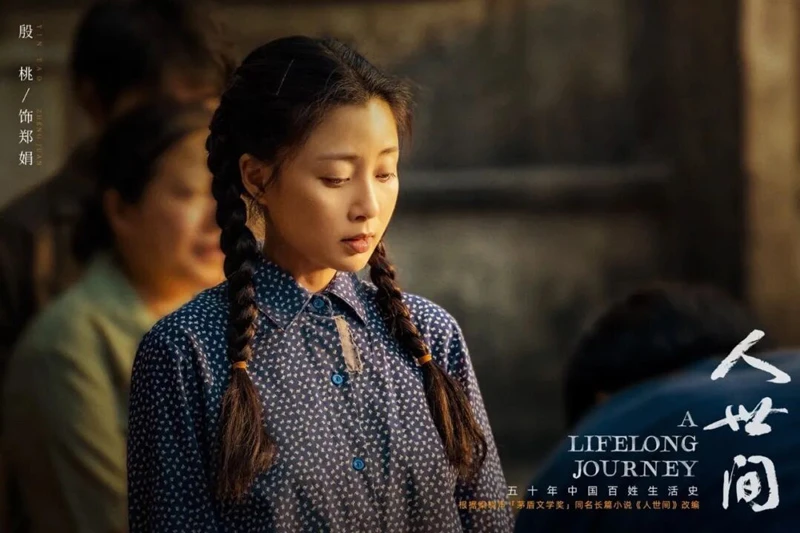
The proof emerged in a string of cross-platform hits. Series like The Age of Awakening (觉醒年代) and A Lifelong Journey (人世间) achieved phenomenal success both online and on TV. They demonstrated that powerful storytelling could command attention anywhere. These weren’t niche shows; they became national talking points.
A key to this success was emotional resonance. Younger audiences, in particular, showed a strong affinity for narratives about ordinary people navigating life’s struggles. Stories reflecting collective memory or contemporary social sentiments found eager viewers across all platforms. The shared experience of watching these dramas created a temporary cultural common ground.
Furthermore, the traditional “main melody” narratives, focusing on national spirit and historical legacy, found new receptive audiences online. When packaged with compelling human drama and high production value, these themes resonated with a generation seeking connection and context, proving that certain core narratives could transcend delivery methods.
The Divergence Returns
This period of harmony, however, appears to have been a transient alignment. Underlying differences between the two markets have reasserted themselves, leading to a renewed divergence. The television landscape has trended towards conservatism, favoring reliable genres and familiar faces to secure its broad, aging viewer base.
In contrast, the online space is defined by constant flux. Streaming audience preferences evolve rapidly, driven by algorithmically fueled trends and a hunger for novelty. The appetite is for faster pacing, heightened emotion, and genres that offer escape or intense engagement, like fantasy Xianxia or complex suspense.
This split is evident in recent cross-over attempts. Popular online suspense or historical fantasy dramas often see muted television ratings. Conversely, highly-rated TV spy thrillers frequently fail to generate significant online buzz. The convergence phase masked, but did not erase, these fundamental audience disposition gaps.
Navigating the Split
Some recent productions attempt to navigate this split through tonal adjustment. Period dramas focusing on women, for instance, have found cross-platform success by emphasizing themes of solidarity and mutual support, softening harsher historical edges to create a more universally palatable narrative of resilience.
Yet, the core challenge remains: producing content that genuinely satisfies two increasingly different sets of expectations. The television audience seeks comfort, familiarity, and broad societal reflection. The streaming audience often seeks innovation, intensity, and personal or subcultural relevance. Bridging this gap requires nuanced understanding, not just simultaneous release schedules.
For creators and distributors, this presents a complex puzzle. The industry must decide whether to chase a fading ideal of unified hits or to strategically tailor content for specific channels, accepting the partitioned reality of today’s media consumption. The answer will define the next era of Chinese serialized storytelling.
This divergence is not necessarily a failure. It may simply reflect a mature market where different platforms serve different, valid purposes. The task now is to understand these purposes deeply, and to create with clarity for the audience actually being reached, whether on the shared family television or the personal streaming device.

How Television Drama Found a Digital Stage
The landscape of Chinese serialized storytelling is shifting. A genre long considered a staple of traditional television, the grand historical epic, is quietly securing a prominent place on the content slates of major streaming platforms. This resurgence is not mere nostalgia; it represents a calculated pivot by an industry navigating a post-peak growth era. Once dominant on living room screens, these substantial, serious dramas—often based on real historical figures or events—are being re-evaluated not just for their artistic merit, but as strategic assets in a new calculus of content economics and audience capture.
The Revenue Equation
For streaming services like iQiyi, growth frontiers have changed. With subscriber numbers stabilizing, finding new revenue streams is imperative. Content distribution, particularly to television networks, has become a significant answer. In its financial reports, iQiyi noted content distribution revenue reached 2.85 billion yuan in 2024, accounting for nearly 10% of its total annual income. This is a vital financial lever.
Simultaneously, television viewership itself is experiencing a notable uptick. Data indicates total viewership for nationwide satellite channels grew by 9.9% year-on-year in the first three quarters of 2025. A drama aired on both a platform and a major network like CCTV can achieve dual success. The series Northward (北上), for instance, secured an impressive 3.615% audience rating on CCTV-1, outperforming its digital metrics.
This creates a powerful synergy. A television broadcast amplifies a show’s reach, enhances its prestige, and provides an additional, lucrative sales channel. For platforms, it transforms a single piece of content into a multi-faceted revenue generator, improving the overall return on substantial production investments.
Diversifying the Catalog
Industry professionals voice a common concern: the reliable traffic once guaranteed by long-form series, especially idol dramas, is shrinking. The question of what content to produce next hangs in the air. In this climate of uncertainty, traditional television genres offer a tested alternative. They represent a different content pillar, one that appeals to a demographic potentially underserved by purely digital-native fare.
This diversification strategy extends beyond historical narratives. There is a parallel push for adaptations of serious literature, signaling a broader intent to elevate narrative substance. The casting reflects this hybrid approach. Projects often pair popular actors seeking credible roles with established, respected performers. This “traffic + veteran” formula aims to bridge audience segments, lending star power while anchoring the production in acting pedigree.
For these actors, such roles are highly coveted. They are typically major platform projects with high production values and industry prestige, offering a path to career transformation that pure web dramas seldom provide. Even if their online popularity is unpredictable, the professional validation and exposure to a broadcast audience make them irresistible.
A Strategic Pivot
At its core, this trend underscores a fundamental industry search. The business model overly reliant on idol-centric narratives is showing its limits. The sector needs new, sustainable content formats. While the definitive “next big thing” remains elusive, dramas tailored for both TV and online distribution present a pragmatic solution.
They open a reliable revenue channel and access a sizable market that may be less swayed by fleeting online trends and more appreciative of narrative craft. This dual-release model acts as a strategic hedge, mitigating the risk inherent in betting on purely digital trends. It provides stability in a volatile market.
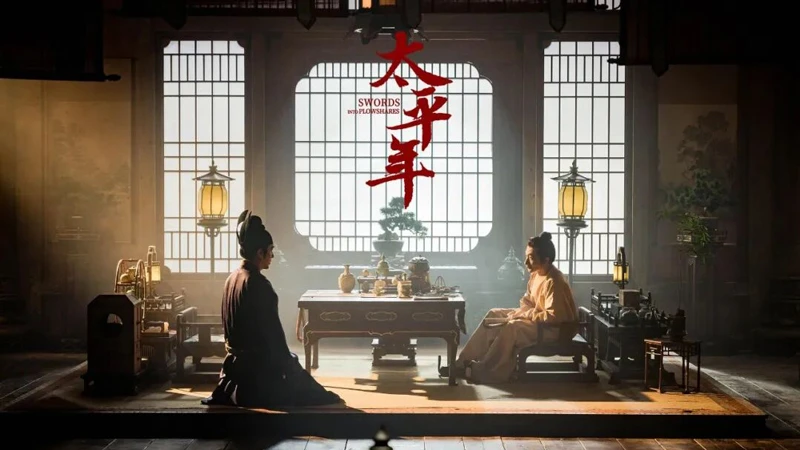
The success of upcoming major titles like The Winds Stirring Zhang Juzheng (风禾尽起张居正) starring Hu Ge (胡歌), or the ambitious Swords into Plowshares will be closely watched. Their performance will test whether this fusion of traditional television gravitas and digital platform strategy truly resonates. The potential arrival of series like The Big Businessman on streaming menus would signal a successful integration.
The industry’s journey to find market-friendly content after the initial traffic boom continues. This embrace of historical and serious drama is not a retreat, but a recalibration. It is an attempt to build a future for Chinese serialized content by strategically re-engaging with the proven storytelling forms of its past, now amplified through the powerful distribution networks of the present.

Bridging the TV-Streaming Divide
Ultimately, the stark divergence between traditional ratings and digital buzz signals a mature, partitioned media landscape. The pursuit of a universally dominant hit may be fading. Instead, the future lies in strategically tailored content, acknowledging that different platforms now serve distinct audience expectations and purposes. Success requires creating with clarity for the specific screen being reached.