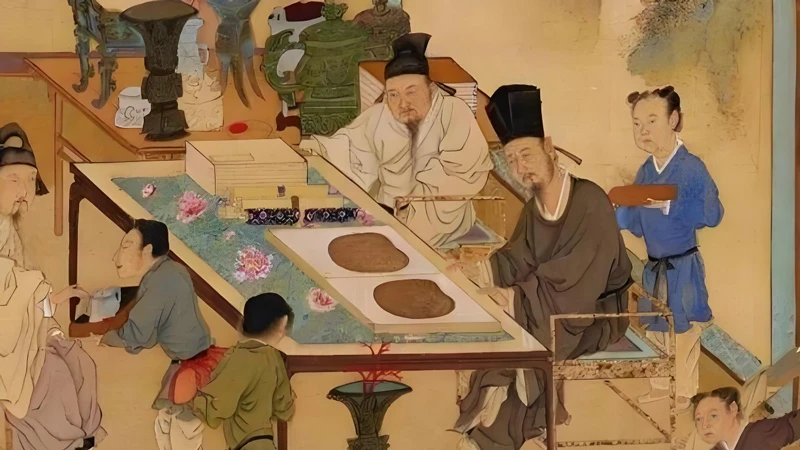
Imagine stepping into a bustling street in 16th-century Nanjing. The air is thick with the sizzle of woks and the warm, yeasty smell of steamed buns. From the grand banquets of the scholar-elite to the simple, hearty meals of artisans, the Ming Dynasty was a golden age of Chinese gastronomy. It was an era where culinary traditions solidified, new ingredients whispered of distant lands, and the social ritual of eating reflected a vibrant, commercial society. This wasn’t just about sustenance; it was a daily celebration of flavor, technique, and connection.
The Staple Foundation
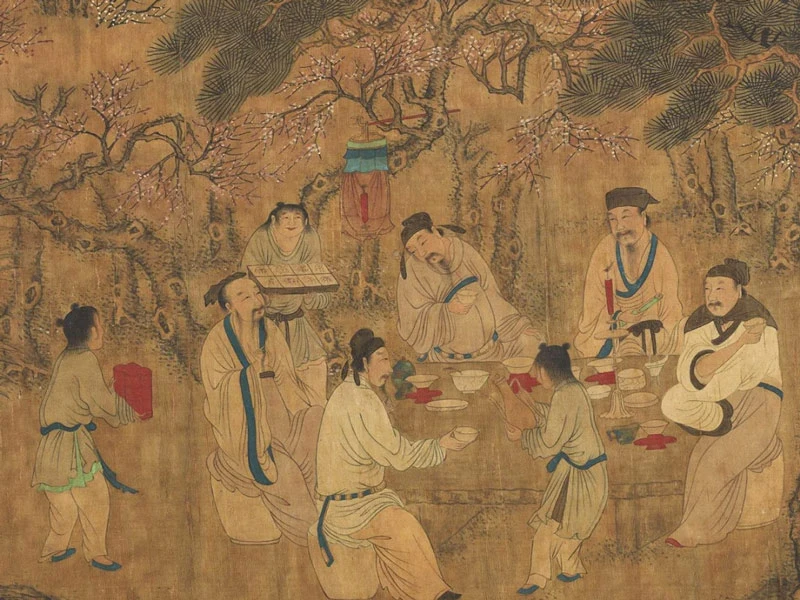
The cornerstone of any meal was grain. A clear north-south divide existed: wheat reigned in the arid north, while rice dominated the watery south. Northerners enjoyed a stunning array of noodles, steamed buns, and flatbreads. Southern bowls were consistently filled with fluffy white rice or comforting congee.
Interestingly, the New World crops we associate with China today—corn, sweet potato, potato—had arrived by late Ming. Yet, they remained curiosities or famine-relief foods for the poor. A Ming diner would stare blankly at a plate of french fries or a bowl of sweet potato noodles. Their staple world was built on ancient, familiar grains.
Meat on the Menu
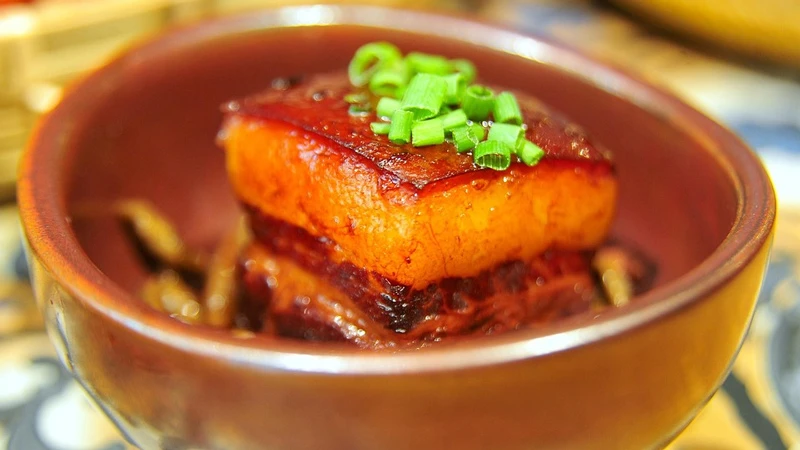
If one word defines Ming cooking, it’s “stir-fry.” This technique came into its own, allowing for quick, flavorful dishes that defined culinary artistry. Pork was the undisputed king of proteins, found everywhere from imperial kitchens to rustic farmhouses. The famous Dongpo Rou (东坡肉, Braised Pork Belly) was a beloved classic.
Mutton held prestige, especially in the north, prized for its “warming” properties. Poultry was commonplace, with every household raising chickens. Beef was a legal gray area; laws protected draft oxen, but clandestine consumption persisted. In regions crisscrossed by canals and along the coast, fish and shellfish were stars, prepared masterfully steamed, braised, or fried.
Green Delicacies & Foreign Guests
The vegetable garden provided cabbage, radish, cucumber, and eggplant. Bean products like tofu were a crucial, affordable protein source. But two famous foreign visitors had yet to join the feast. The chili pepper was present, but admired for its beauty in a garden or used as medicine. The fiery cuisine of Sichuan and Hunan was still centuries away.
Similarly, the tomato was a decorative plant, not a food. A Ming cook would have no concept of ketchup or scrambled eggs with tomatoes. Their flavors came from fermented beans, vinegar, mustard, peppercorns, and aromatic herbs, creating a savory, umami-rich, but not spicy, palette.
Drinks of Refinement & Revelry
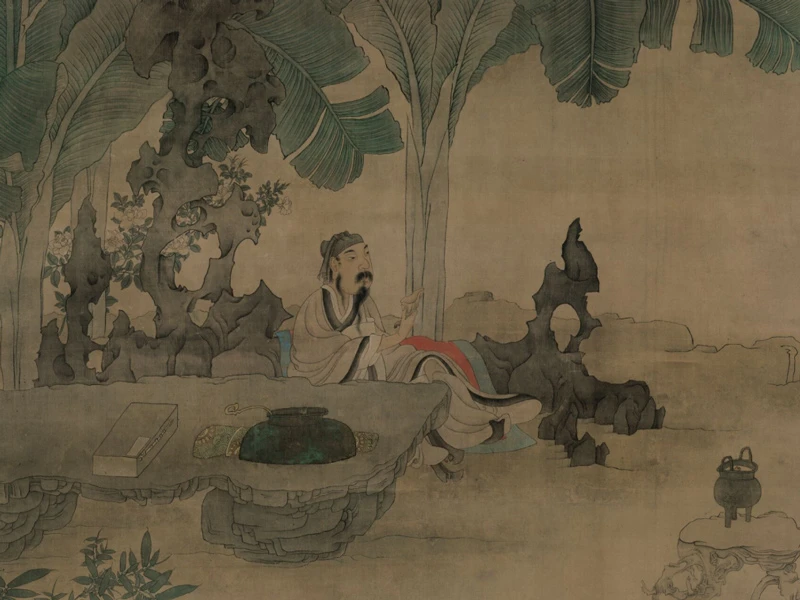
Tea culture underwent a quiet revolution. The elaborate whisking of powdered tea from the Song Dynasty faded. Instead, people steeped loose tea leaves in pots, much as we do today. This simpler method made enjoying fine tea more accessible and everyday.
For alcohol, a stronger option emerged: distilled Baijiu (白酒). Its high proof made it popular among laborers. Yet, the literati and wealthy still preferred the mellower, complex rice wines, considering them more cultured. Fruit wines and medicinal liquors also abounded, catering to every taste and occasion.
Sweet Finishes & Street Bites
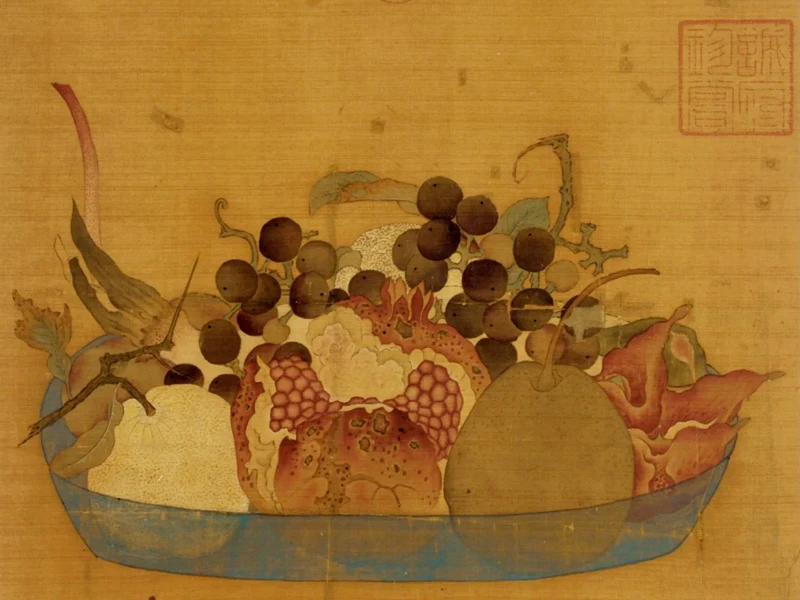
Meals and socializing were punctuated by sweets and snacks. Pastry shops thrived, selling mooncakes, delicate pastries, and sesame candy. Street vendors hawked Tanghulu (冰糖葫芦, candied fruit on a stick). As the dynasty progressed, two new imports changed snacking forever: peanuts and sunflower seeds. These became essential for conversation, theater-going, and casual munching.
Fruits were enjoyed seasonally and regionally. Northerners relished peaches, plums, and pears, while southerners indulged in lychees, longans, and citrus. Watermelon, introduced earlier, was a juicy summer treat. The concept of dessert as a separate course was loose; these sweet and savory items flowed seamlessly throughout the day.
A Day at the Table
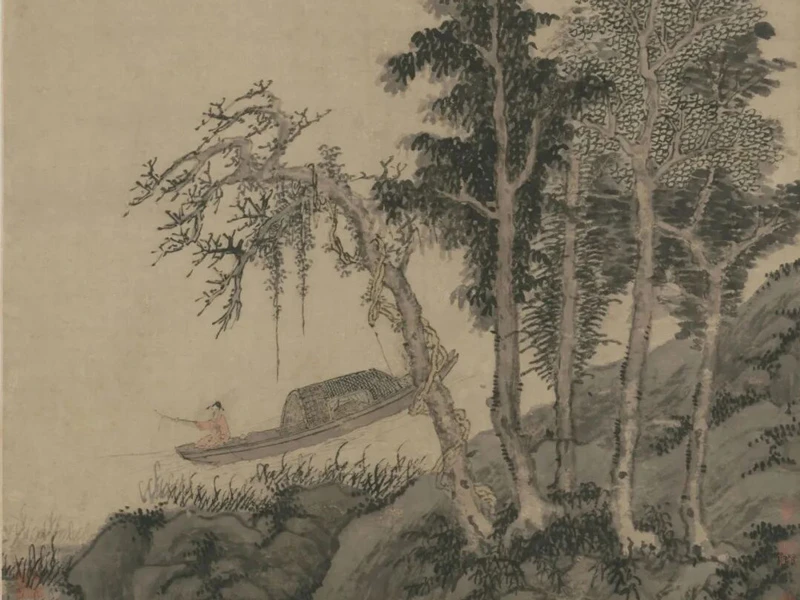
Let’s follow a day of Ming dining. Breakfast might be a bowl of warm congee with pickles from a street vendor. For lunch, a merchant could pop into a tavern for a quick stir-fried pork dish with rice, accompanied by a small flask of wine. The afternoon called for tea with friends, accompanied by fresh fruit or delicate pastries.
Dinner at home could be more elaborate: a whole steamed fish, braised tofu with mushrooms, and a chicken soup. In vibrant southern cities like Suzhou, night markets offered late-night treats—perhaps a skewer of candied hawthorns or a paper cone of roasted melon seeds. It was a rhythm of eating deeply connected to community and the rhythms of the day.
So, could you dine in the Ming era? You’d miss chili heat and tomatoes, but you’d discover the pure essence of ingredients, masterfully transformed by fire and wok. You’d sip tea just as we do now and debate whether strong Baijiu or mellow Huangjiu was superior. Ultimately, you’d experience a table full of robust, inventive, and deeply social flavors—a true feast from a thriving world.