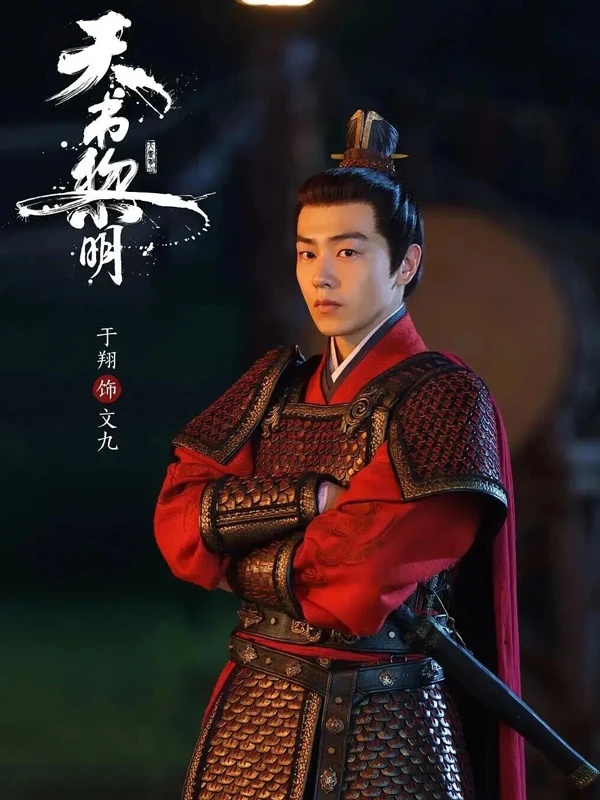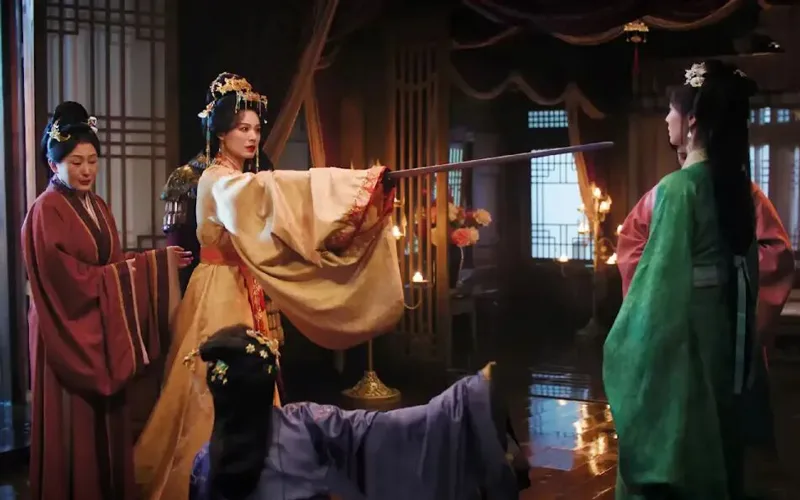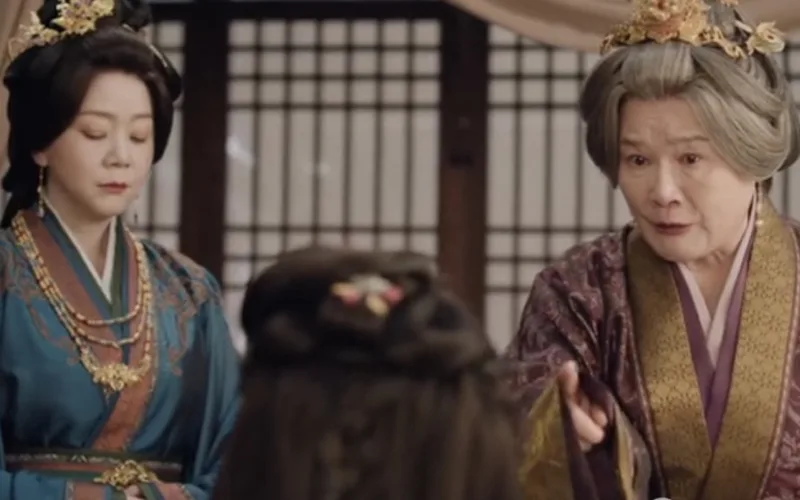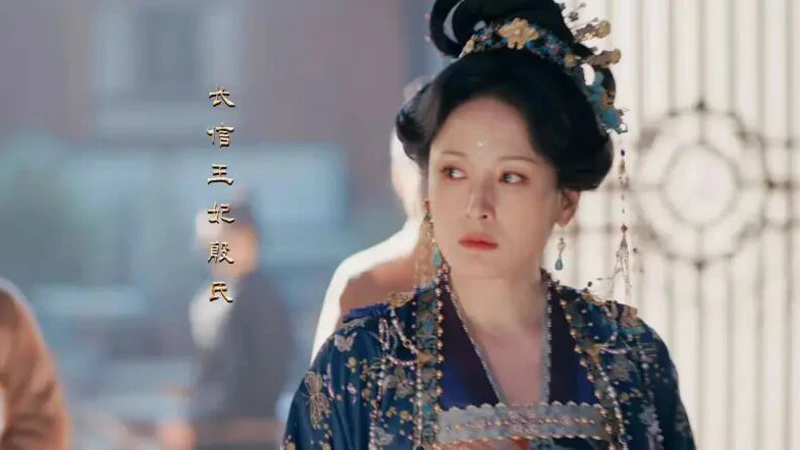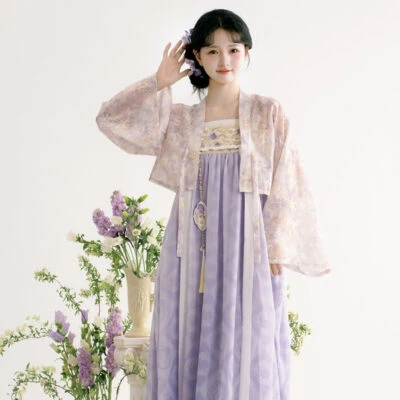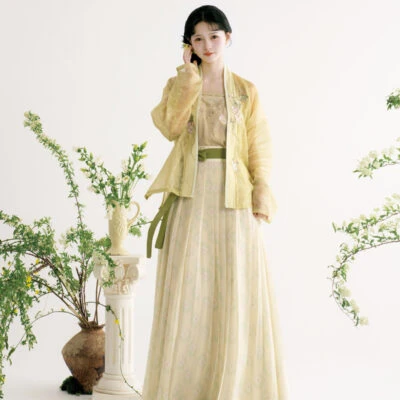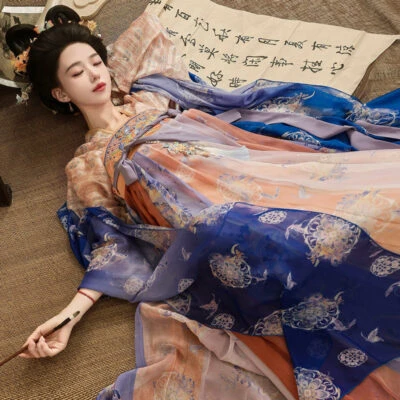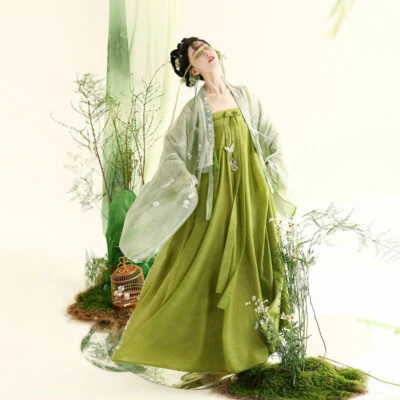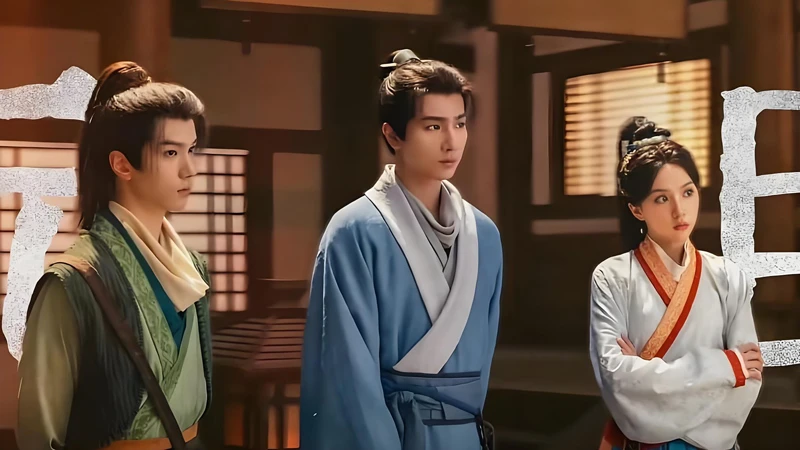
A historical drama arrives without warning or promotion. Yet, within days, it has viewers clutching their pillows, peeking through their fingers, and sacrificing sleep. Its secret weapon? A potent fusion of folkloric nightmares and forensic medicine. The show, titled Treasure at Dawn (天书黎明), has ignited online forums, spawning a trending topic with over 180 million reads labeled “the pinnacle of Chinese suspense.” By weaving murder plots into the fabric of traditional culture—where a shadow puppet show forecasts death and a ritual dance masks extermination—it taps into a deep, chilling vein of horror that feels intimately familiar and utterly terrifying.
The Folkloric Trap
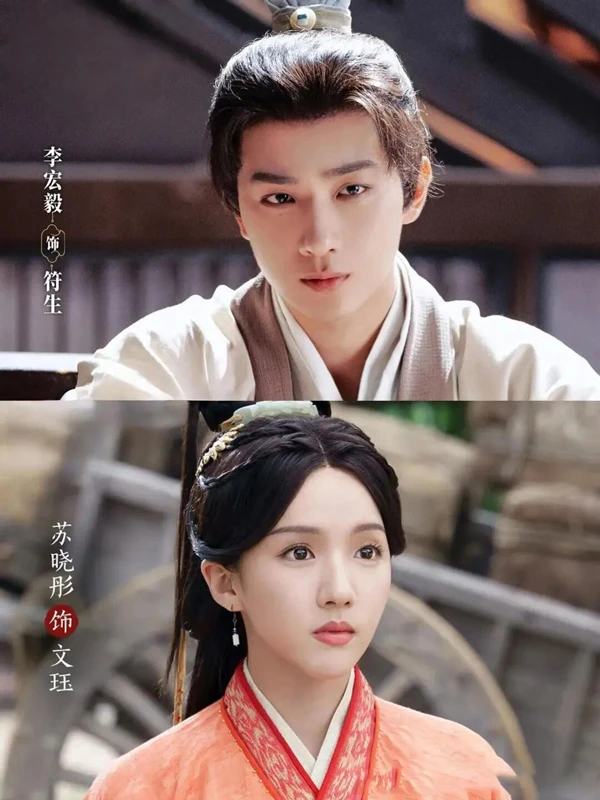
The terror here doesn’t rely on sudden shocks or gore. Instead, it weaponizes cultural comfort. The first case, “The Murderous Shadow Play,” sets the tone. During a performance of the “Ten Courts of Hell,” a wealthy merchant collapses, bleeding from his senses. On the screen, the leather silhouette eerily mimics his death throes. The investigator, Fuchen (符生), a brilliant but eccentric physician, examines the body. He finds specks of powder on the victim’s clothes. A silver needle inserted under a fingernail turns black instantly. “Datura pollen mixed with toad venom,” he mutters. “The play was a performance, but the killing was real.” The horror amplifies when it’s revealed the killer used the victim’s own skin to create a puppet, using firelight to project a “vengeful ghost.” A folk art becomes a murder tool.
This cultural uncanny continues with the “Ritual Dance Massacre.” Outside a city, drumbeats thrum as dancers in demonic Nuo (傩) masks move in a hypnotic rhythm. With each ring of a bell, an onlooker falls, vomiting dark blood. The scene Fuchen’s team discovers is apocalyptic. The ritual site, meant for blessing, is now a slaughterhouse. The masks, however, hold the key: lined with a powder that turns lethally toxic upon contact with sweat, its effect amplified by the resonant drums. The ancient practice becomes a perfect shell for greed and murder. The true horror lies not in supernatural demons, but in the human malice hiding behind sacred traditions.
Medicine as a Key
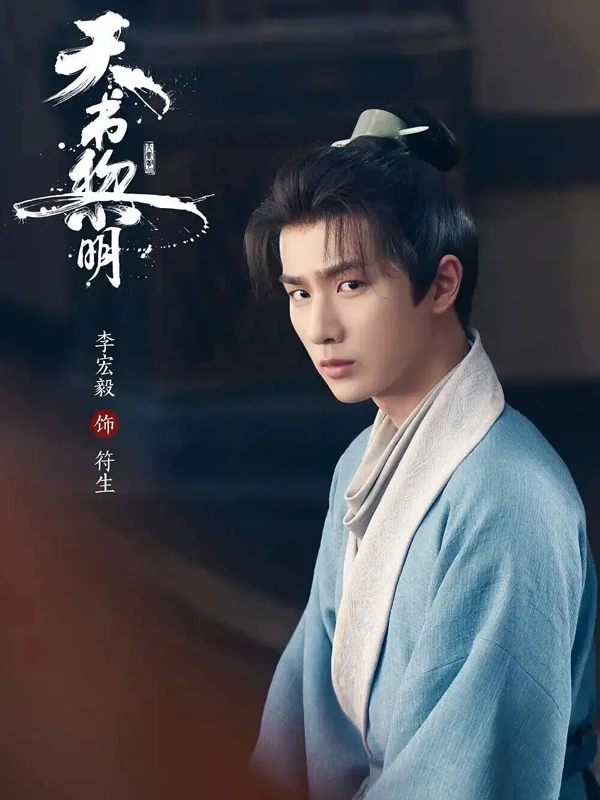
The drama’s uniqueness lies in its forensic backbone. The investigators don’t rely on magic; they use science—specifically, the intricate science of traditional Chinese medicine. Fuchen’s methods are a catalogue of ancient wisdom. He uses mugwort to smoke out parasites bred in human blood. He deduces clues from the antagonistic pharmacological relationship between licorice and a poisonous root. He neutralizes toxins by soaking a drumskin in a specific mineral broth. The logic of some murders even unfolds according to principles from the ancient medical text, The Yellow Emperor’s Inner Canon (黄帝内经).
His partner, Wenjue (文珏), embodies a chilling contrast. With a sweet demeanor, she calmly dissects a parasitic insect with a hairpin, stating matter-of-factly, “This was cultivated in living human blood.” This “sweet girl’s dark turn” became a viral talking point. When silver needles meet bizarre cases, and medical principles collide with folk rituals, the show delivers both intellectual satisfaction and visceral scares. It educates as it terrifies, making the horror feel earned and profoundly smart.
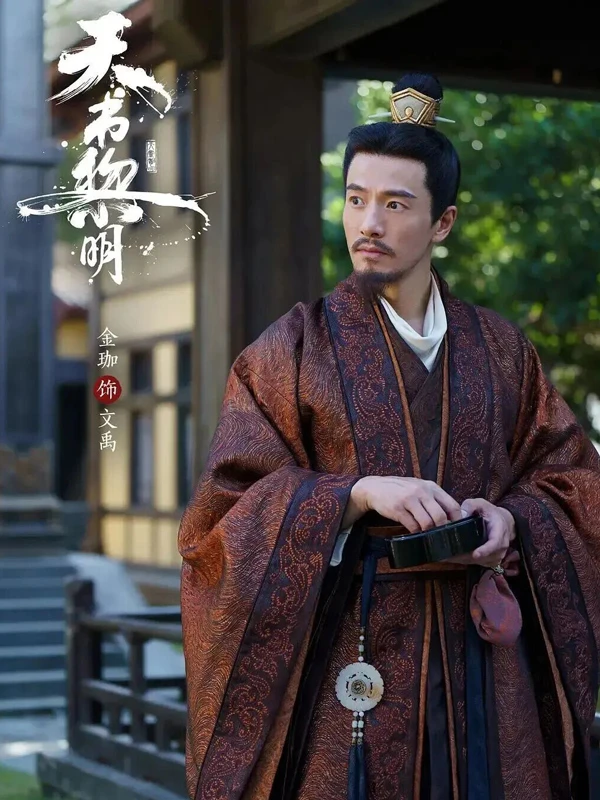
The characters’ vulnerability adds to the realism. Fuchen collapses from testing drugs on himself. Wenjue scrambles for her life in frantic chases. The core team pools their meager funds to buy clues, behaving more like a “real-life task force” than omnipotent heroes. This grounded approach makes the central mystery—the nature of the legendary “Book of Heaven” itself—more compelling. Is it a sacred medical text to save the world, or a tool for political supremacy? This question is tangled with a decades-old conspiracy involving the deaths of hundreds of physicians, linking the imperial court and the martial world.
From the spectral threat of Piyingshi (皮影戏, shadow puppetry) to the poisonous deceit of Nuowu (傩舞, ritual dance), Treasure at Dawn proves that the most potent Chinese horror doesn’t need to invent monsters. The true terror is already there, embedded in the cultural DNA—in the rituals we know, the stories we’ve heard, and the dark potentials of the human heart that can twist tradition into a weapon. It’s a reminder that sometimes, the most familiar shadows cast the deepest fear.